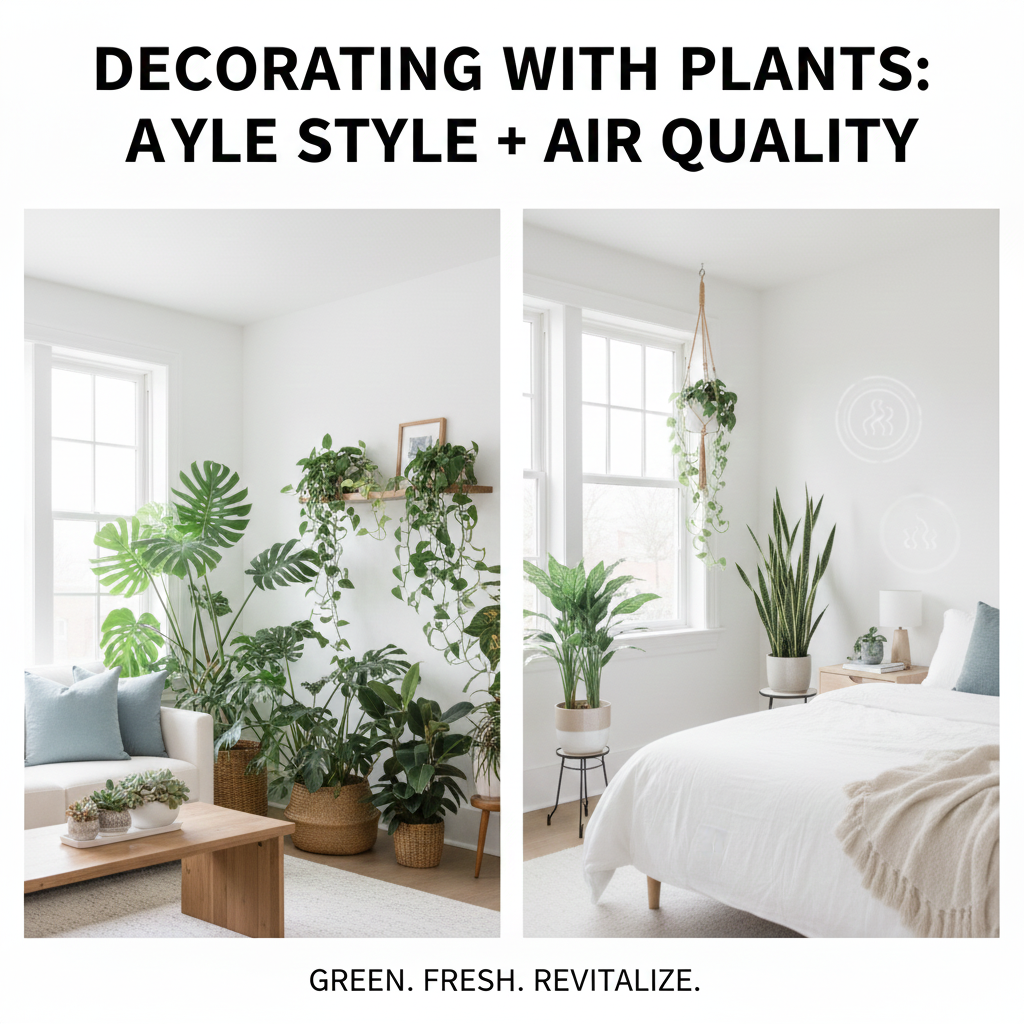
Plants do more than decorate a room—they bring life, improve air quality, and create a calming atmosphere. Whether you live in a small apartment or a spacious house, adding greenery can transform your space. The trick is knowing how to style plants so they look intentional, not cluttered, and choosing varieties that thrive indoors.
Step 1: Choose the Right Plants
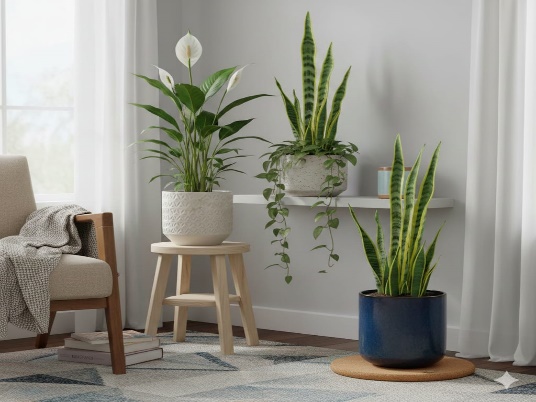
Not all plants are created equal. Some thrive indoors with little care, while others demand constant attention. Start with easy options like peace lilies, snake plants, or pothos. They’re hardy, forgiving, and perfect for beginners.
For more inspiration, check out DIY Decor Projects That Make a Big Impact.
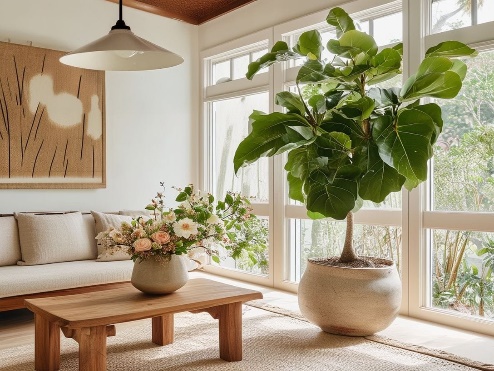
Step 2: Match Plants to Your Space
Think about light and size. A tall fiddle leaf fig makes a statement in a bright corner, while small succulents are perfect for shelves. Matching plants to the room ensures they thrive and look natural.
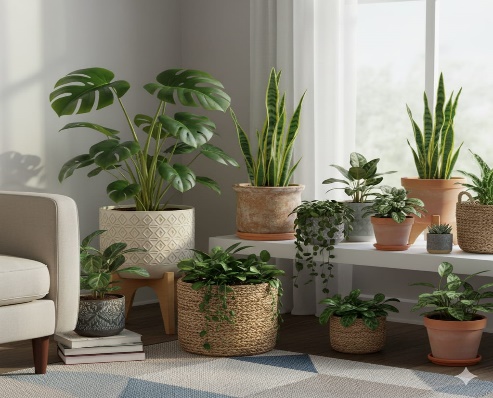 Step 3: Use Stylish Pots and Planters
The container matters as much as the plant. Ceramic, terracotta, or woven baskets add texture and style. Choose pots that complement your color palette and furniture.
For guidance, see Mixing Textures and Patterns in Your Space.
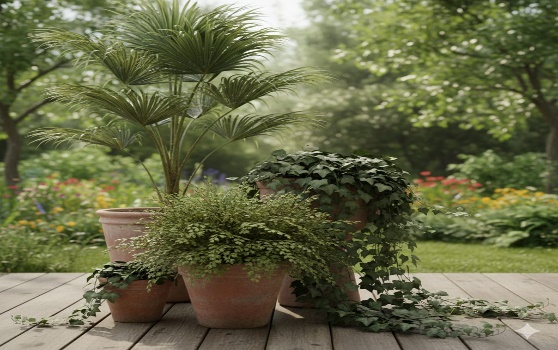 Step 4: Create Plant Groupings
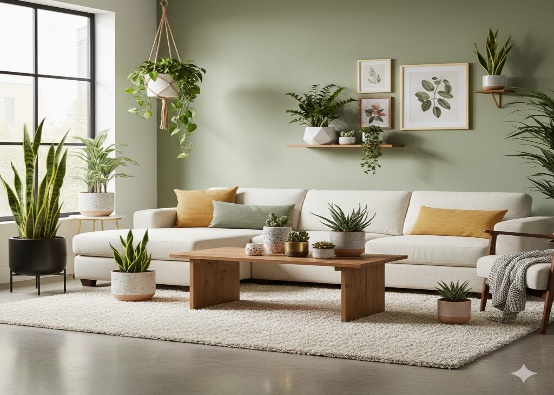
Plants look best in clusters. Mix heights and textures to create visual interest. A tall plant, a medium one, and a trailing variety together make a balanced vignette.
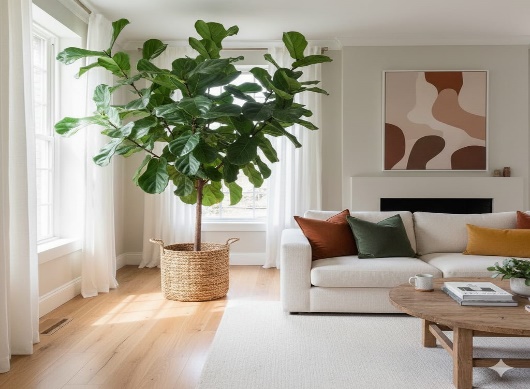 Step 5: Use Plants as Focal Points
A single large plant can anchor a room. Place it near a window or in an empty corner to draw the eye.
For ideas, check How to Create a Focal Point in Any Room.
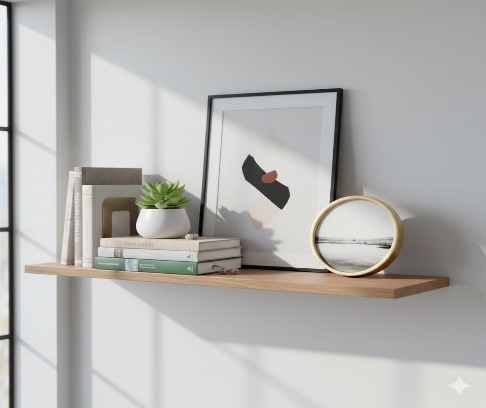
Step 6: Mix Plants with Decor
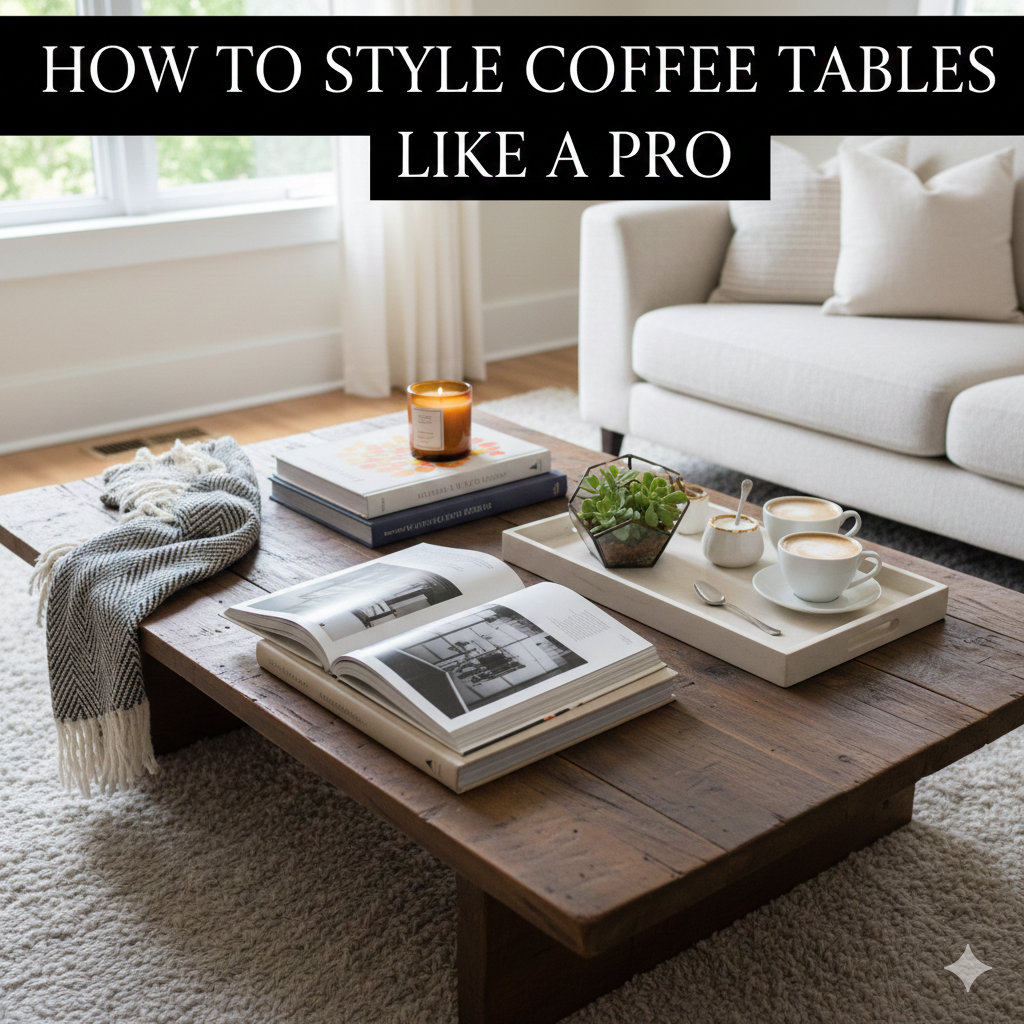
Blend greenery with books, art, and accessories. A plant on a coffee table or shelf softens hard edges and adds warmth.
For inspiration, see Styling Open Shelves with Purpose.
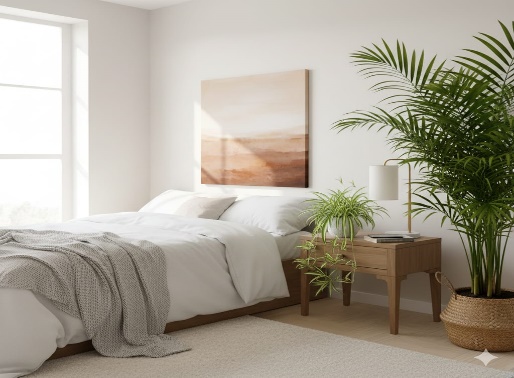 Step 7: Improve Air Quality
Plants aren’t just pretty—they clean the air. Peace lilies, spider plants, and bamboo palms are known for filtering toxins and adding oxygen. This makes them perfect for bedrooms and living spaces.
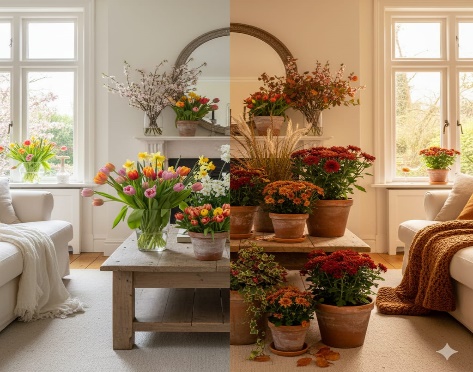 Step 8: Add Seasonal Touches
Rotate plants or swap planters with the seasons. Fresh flowers in spring, warm terracotta pots in autumn—small changes keep the room feeling alive.
For ideas, check Seasonal Decorating Ideas for Every Room.
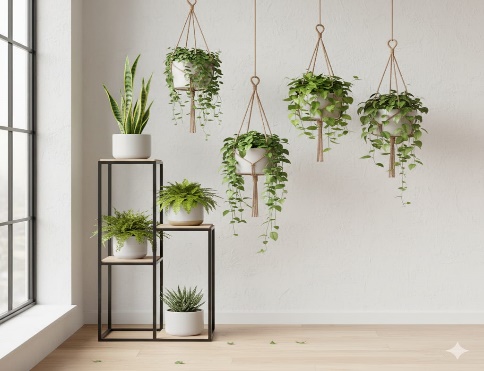
Step 9: Use Vertical Space
Don’t limit plants to the floor. Hanging planters, wall shelves, or tall stands make use of vertical space and add dimension.
Step 10: Keep It Manageable
Choose plants that fit your lifestyle. If you travel often, go for low‑maintenance varieties. If you love gardening, experiment with more demanding species. The goal is a room that feels alive but not overwhelming.
Final Thoughts
Decorating with plants is about more than aesthetics. It’s about creating a home that feels vibrant, healthy, and personal. The right plants add color, texture, and life to any room, while also improving air quality. Stylish pots, thoughtful groupings, and seasonal touches make greenery feel intentional, not random.
Most importantly, plants connect us to nature. They remind us to slow down, breathe, and enjoy the simple beauty of living things. With a few DIY ideas and a little creativity, you can turn any space into a green sanctuary—a place that feels fresh, welcoming, and uniquely yours.