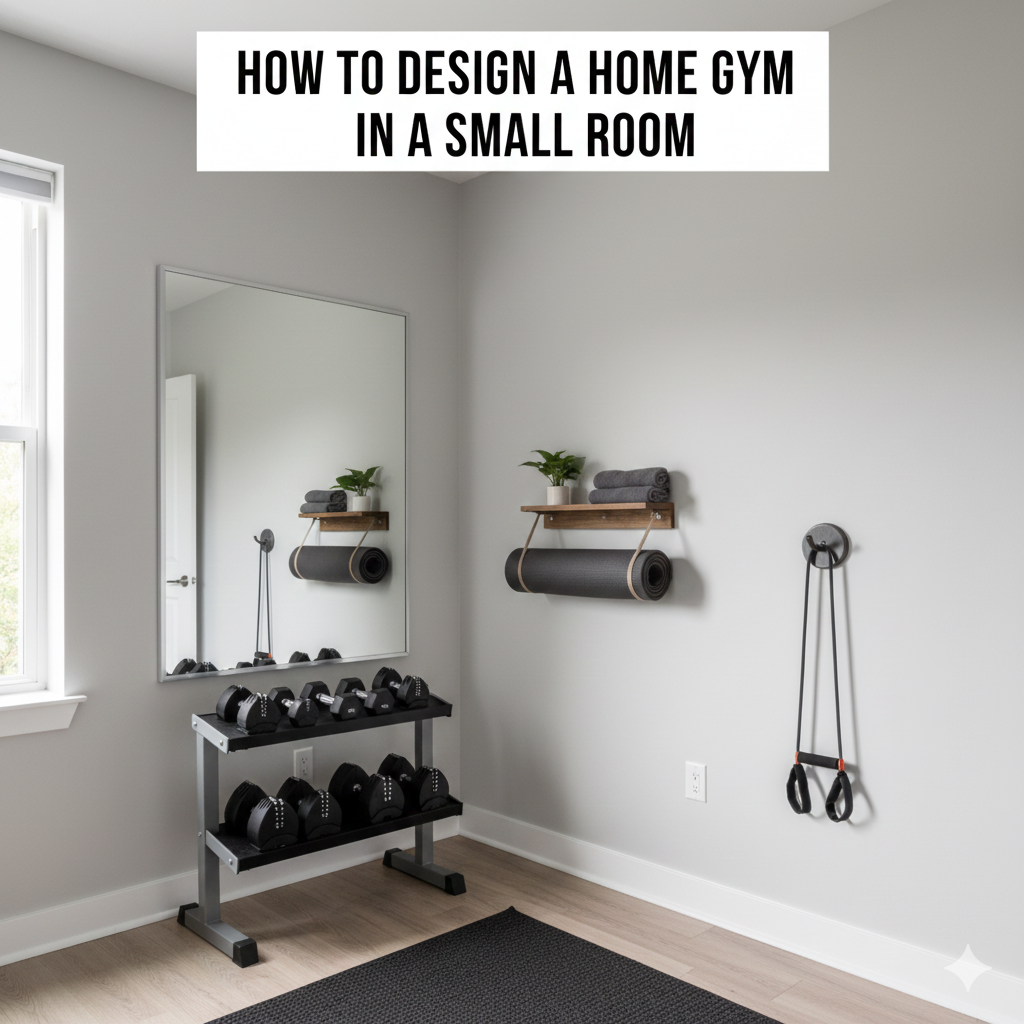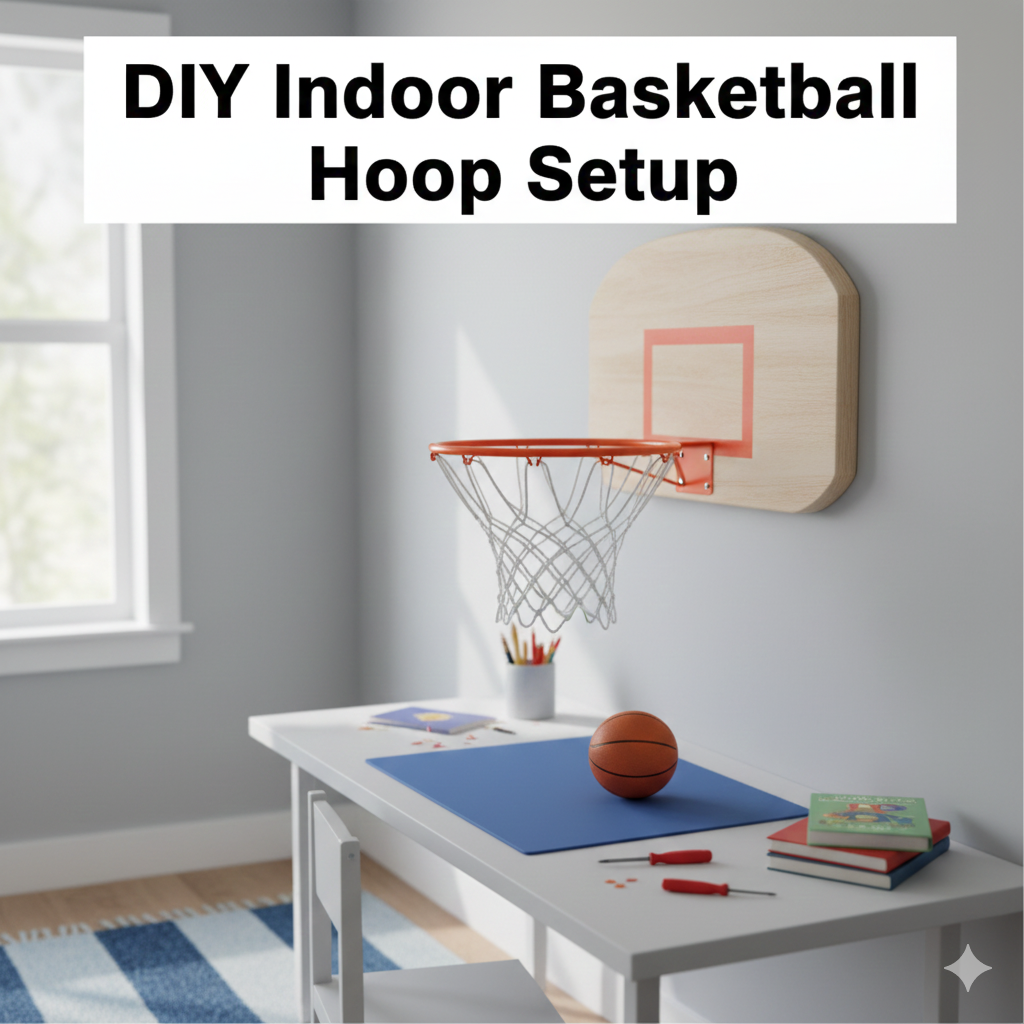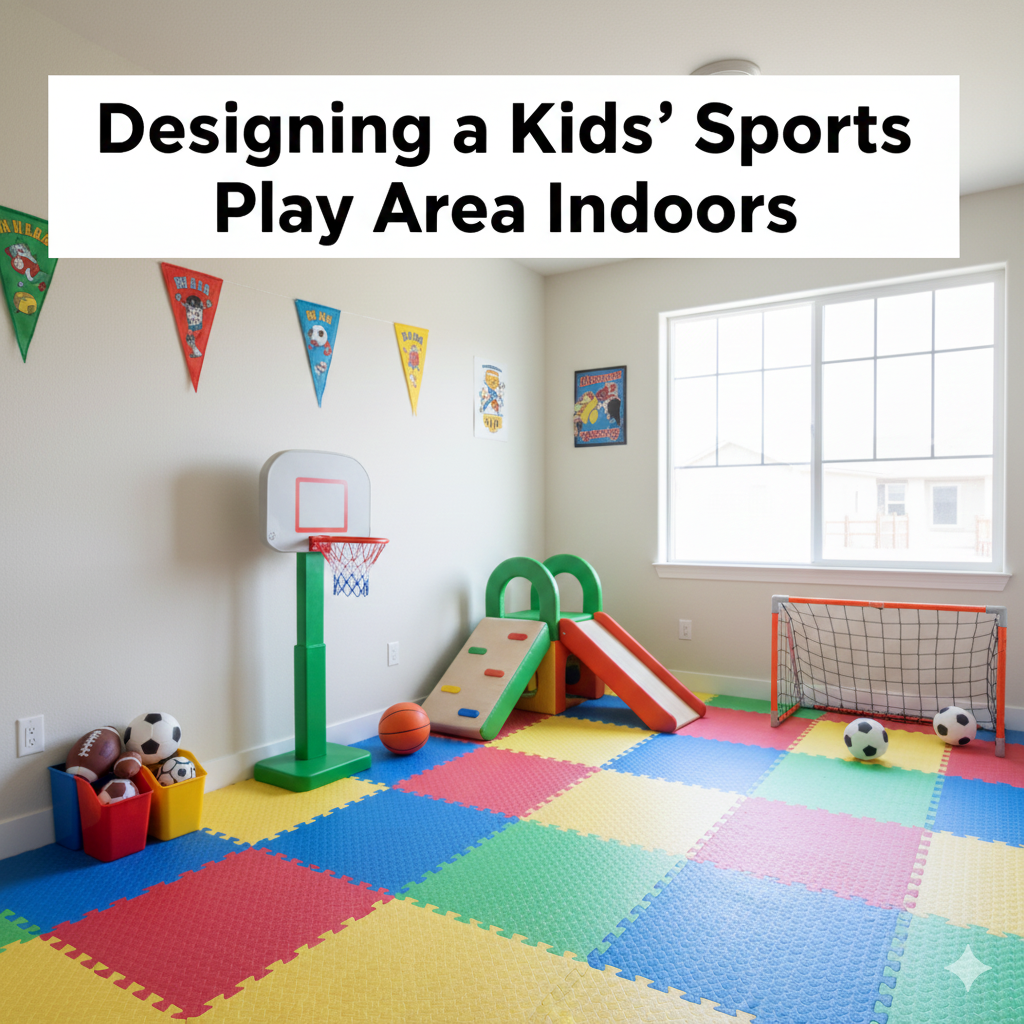
Kids need space to move, play, and burn energy—but not every home has a backyard or access to outdoor facilities. That’s where an indoor sports play area comes in. With thoughtful design, you can create a safe, fun, and stylish corner where children can practice sports, develop coordination, and enjoy active play. The goal isn’t just exercise; it’s building confidence, encouraging teamwork, and making movement part of everyday life.
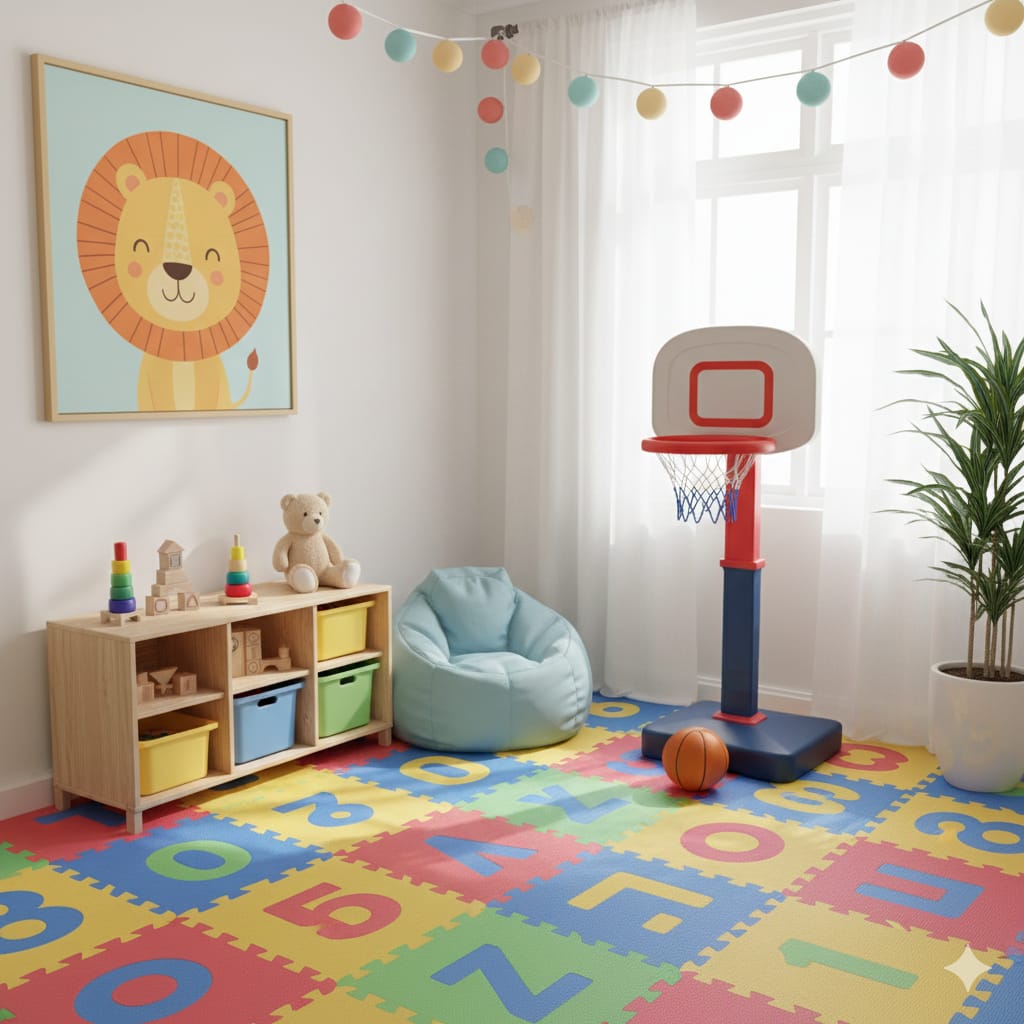 Step 1: Pick the Right Location
Choose a room or corner that can be dedicated to play. Basements, spare bedrooms, or even part of the living room can work. Make sure the area is safe, with minimal fragile items nearby.
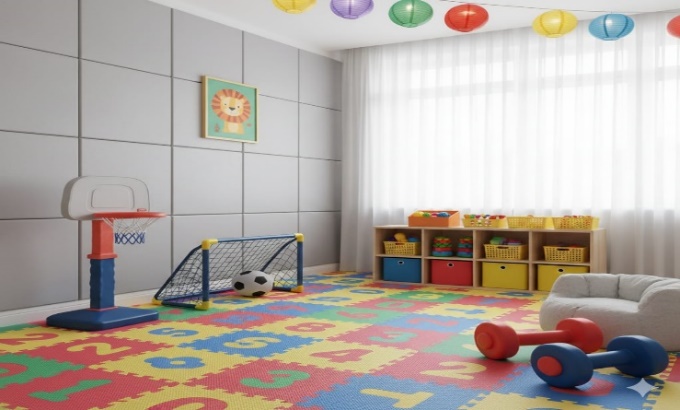
Step 2: Focus on Safety First
Kids’ play areas must be safe. Use padded flooring, cover sharp edges, and secure furniture. Soft balls and foam equipment reduce risk. Safety builds trust and lets kids play freely.
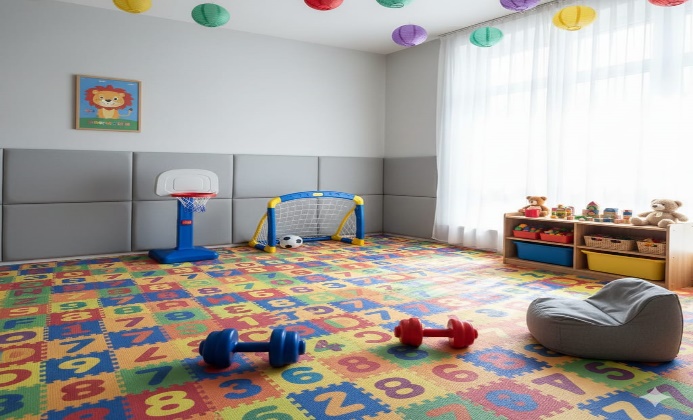
Step 3: Choose Age‑Appropriate Equipment
Younger kids benefit from mini hoops, soft balls, or balance beams. Older kids may enjoy indoor soccer nets, climbing walls, or table tennis. Tailor equipment to their age and interests.
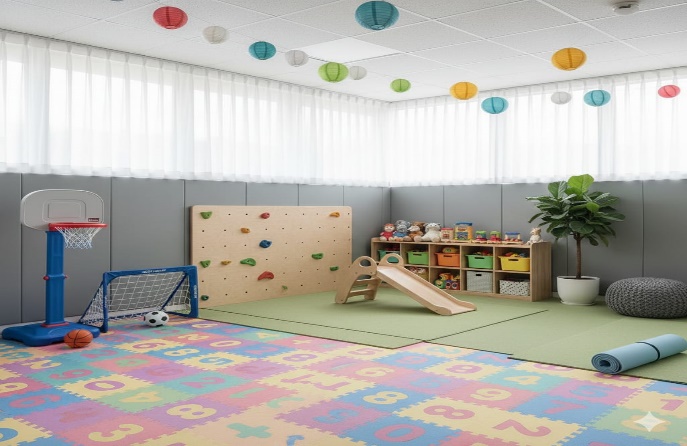 Step 4: Create Zones for Different Activities
Divide the space into zones—one for ball games, one for climbing, and one for stretching or yoga. Zoning keeps the area organized and encourages variety.
For guidance, see How to Zone Open-Plan Spaces Effectively.
Step 5: Add Storage Solutions
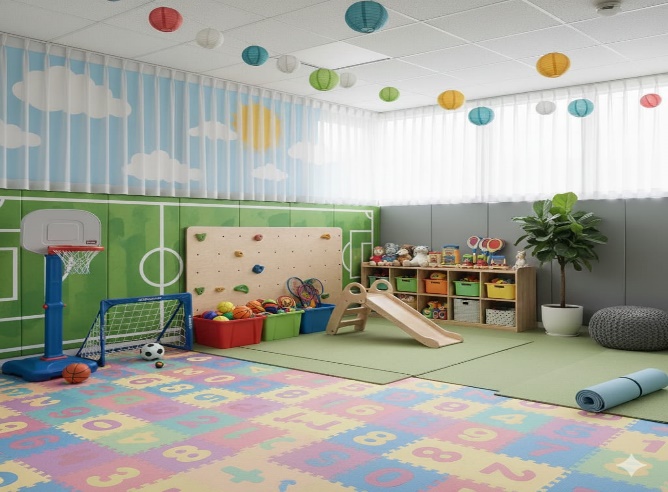 Sports gear can quickly clutter a room. Use baskets, shelves, or wall hooks to keep equipment tidy. Storage teaches kids responsibility and keeps the space stylish.
For inspiration, check out Organizing Small Spaces Without Sacrificing Style.
Step 6: Incorporate Fun Decor
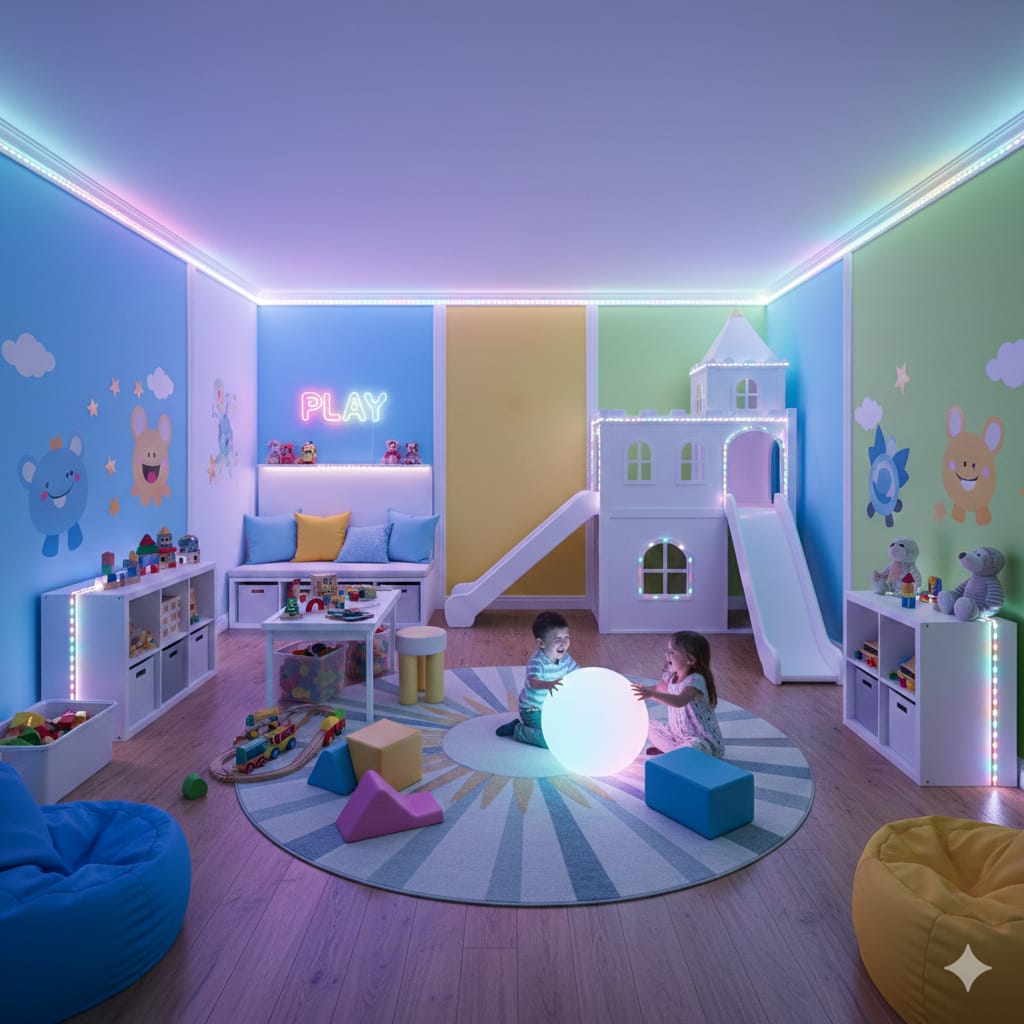 Decor sets the mood. Bright colors, motivational posters, or themed walls (like a soccer field mural) make the space exciting. Decor should inspire play and creativity.
Step 7: Use Lighting to Energize
Good lighting makes the area feel bigger and more inviting. Natural light is best, but LED strips or playful lamps can add energy. Avoid harsh glare that tires kids’ eyes.
Step 8: Encourage Creativity
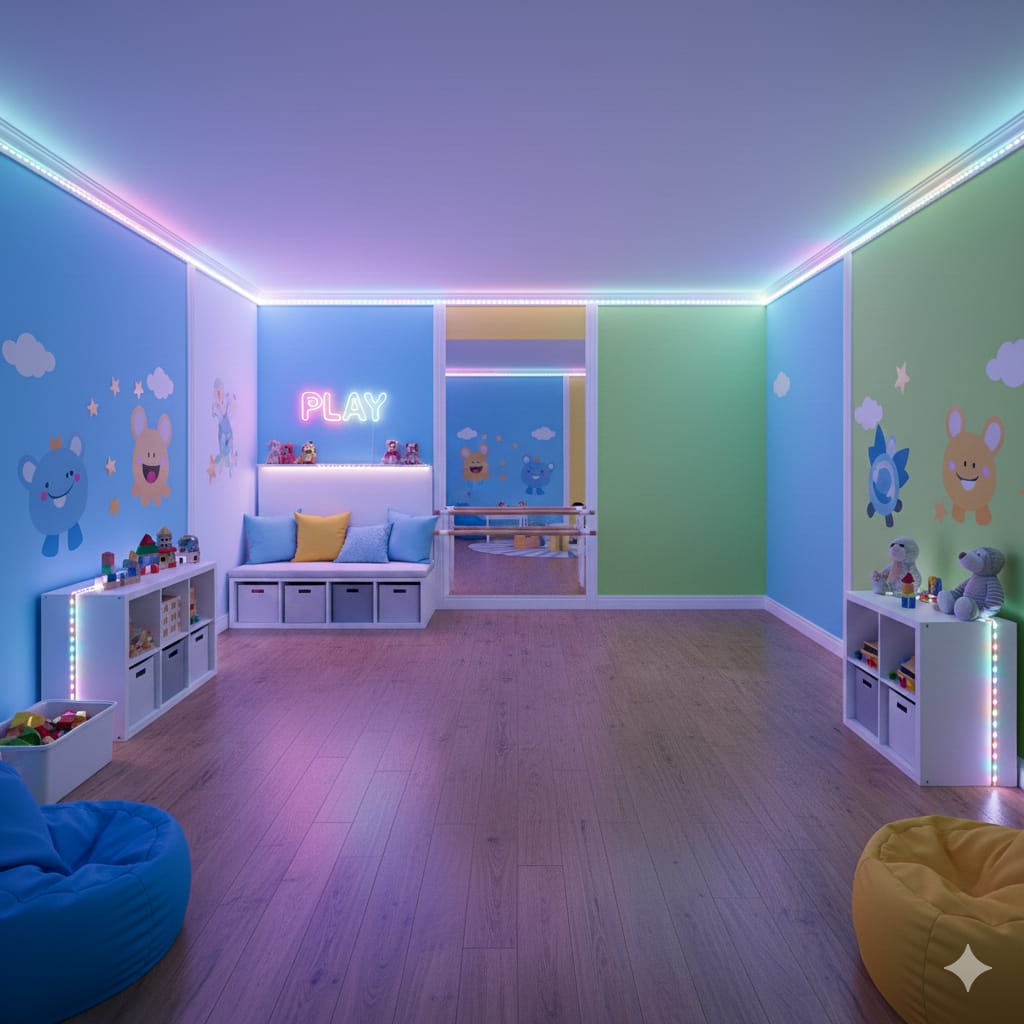 Sports play areas don’t have to be rigid. Add space for dance, yoga, or imaginative games. Flexibility keeps kids engaged and lets them explore different forms of movement.
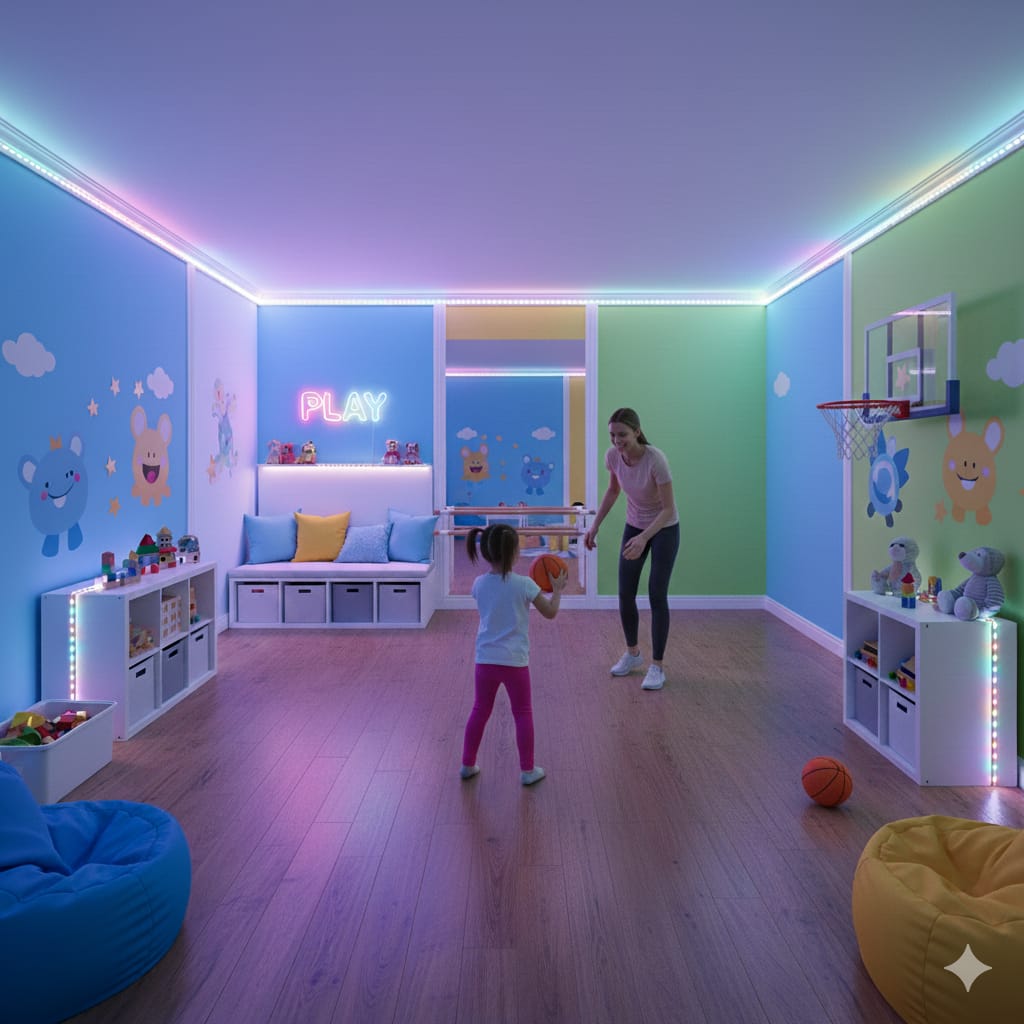 Step 9: Make It Family‑Friendly
Design the area so parents can join in. A small bench for watching, or equipment adults can use too, makes the space inclusive. Shared play strengthens bonds.
Step 10: Keep It Flexible
Kids grow fast, and their interests change. Use modular equipment, movable mats, and adaptable decor so the play area evolves with them. Flexibility ensures longevity.
.
Final Thoughts
An indoor sports play area is a gift to your children—a space that nurtures health, creativity, and fun. With safety, zoning, storage, and playful decor, you can design a corner that feels exciting and practical. Done right, it becomes a hub of energy and joy, proving that even small homes can support big dreams.