 Lighting is one of the most underestimated tools in interior design. In small spaces, it can be the difference between feeling boxed in and feeling open, airy, and welcoming. The right lighting doesn’t just brighten a room—it changes how you experience it. Think of the cozy glow of a lamp in the evening or the energizing flood of daylight in the morning. These moments shape how we feel at home. With a few clever tricks, you can make even the tiniest room feel bigger, brighter, and more inviting.
 Step 1: Maximize Natural Light
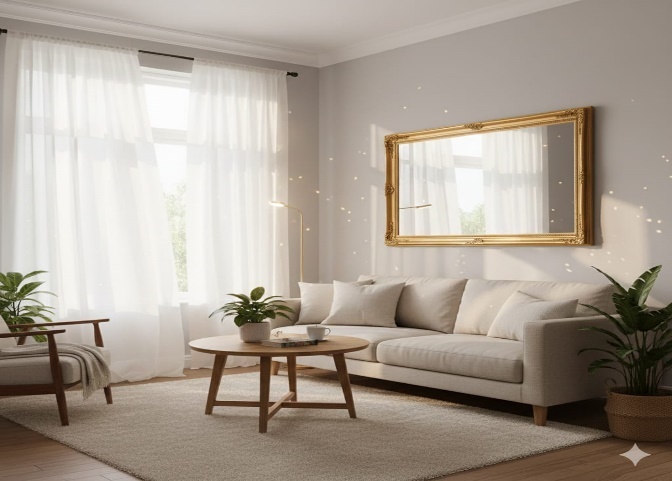
Natural light is the most powerful way to expand a room visually. Heavy curtains block energy and make spaces feel smaller. Instead, use sheer fabrics that let sunlight filter through. Position mirrors opposite windows to bounce daylight deeper into the room. This doesn’t just make the space brighter—it creates a sense of openness and connection to the outdoors.
For guidance, see How to Use Mirrors to Expand Space and Light.
Step 2: Layer Your Lighting
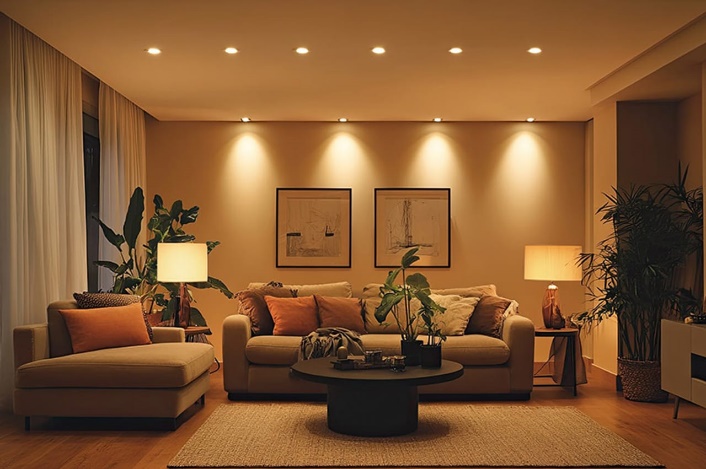
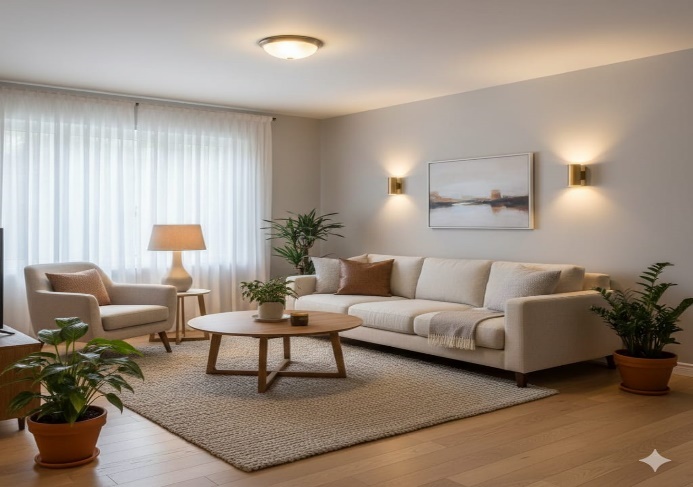
Relying on a single overhead fixture often leaves shadows in corners, which makes a room feel smaller. Layering light—ambient, task, and accent—creates depth and balance. Imagine a ceiling light for general brightness, a table lamp for reading, and a wall sconce to highlight artwork. Together, they make the room feel multidimensional and spacious.
For inspiration, check out DIY Accent Lighting Ideas.
 Step 3: Use Wall Sconces and Mounted Fixtures
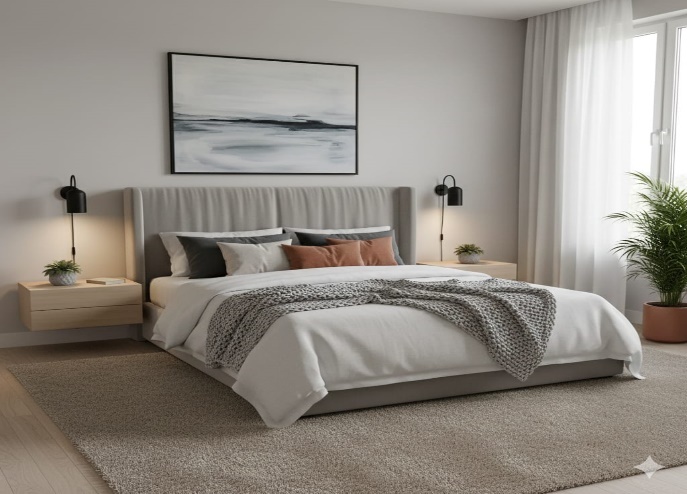
Floor lamps can eat up precious square footage. Wall sconces or mounted fixtures free up the floor while adding stylish vertical light. They also draw the eye upward, subtly making ceilings feel higher.
Step 4: Choose Light Colors for Fixtures
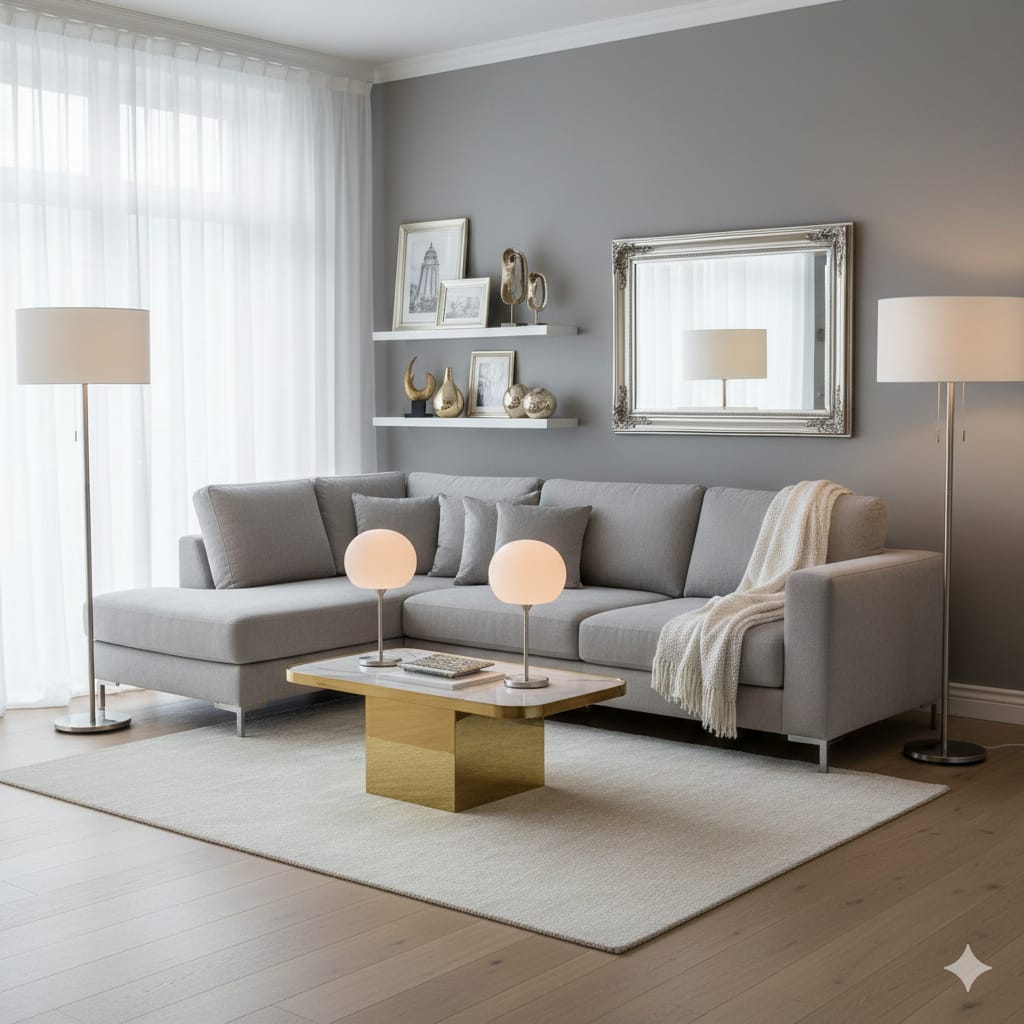
Dark lampshades absorb light and weigh down a room. Light‑colored shades, metallic finishes, and glass fixtures amplify brightness. This trick doesn’t just add light—it adds elegance.
For guidance, see Choosing Color Palettes That Work.
Step 5: Highlight Corners and Edges
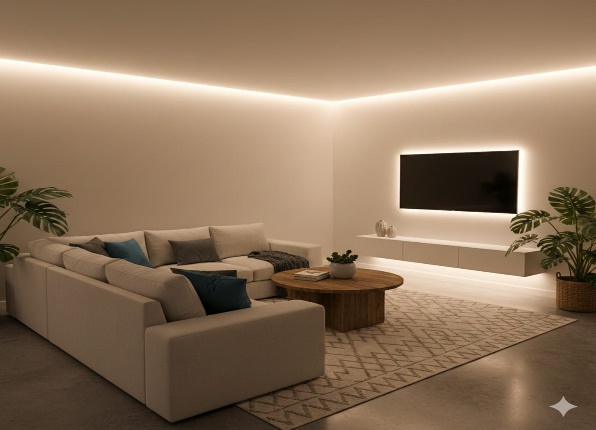
Dark corners shrink a room. Use small spotlights or LED strips to brighten edges. This creates the illusion of more space and makes the room feel complete.
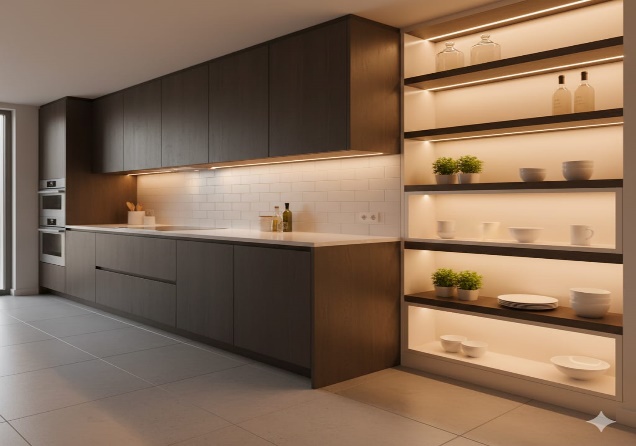 Step 6: Add Under‑Cabinet and Shelf Lighting
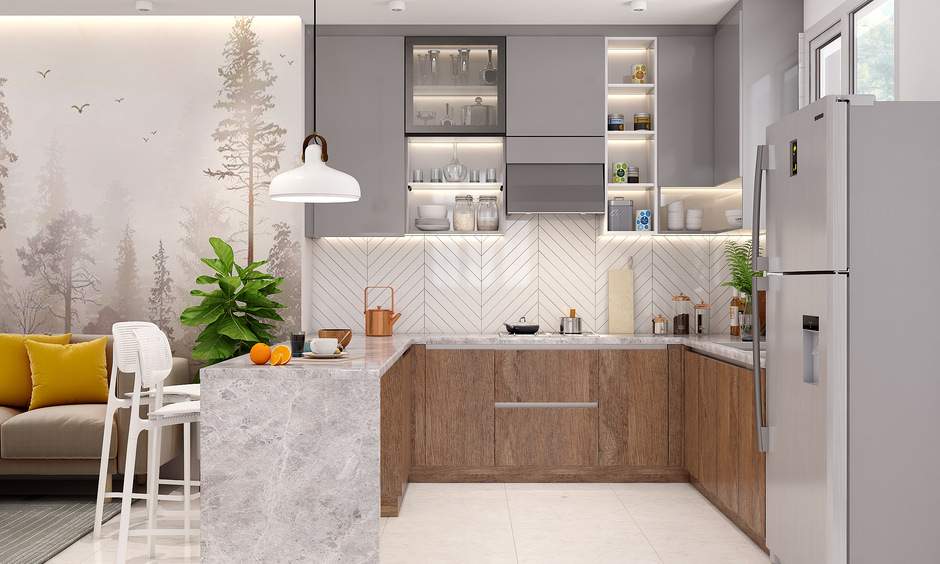
In kitchens or living rooms, under‑cabinet lighting and shelf lights make surfaces glow. They reduce shadows and add depth, making the room feel layered and expansive.
For inspiration, check Styling Open Shelves with Purpose.
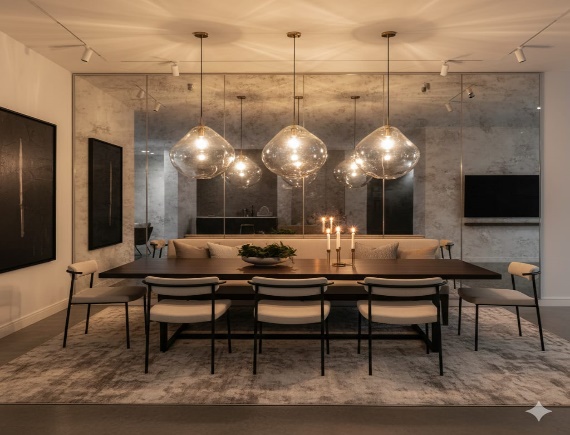
Step 7: Use Reflective Surfaces
Mirrors, glossy finishes, and glass fixtures bounce light around. This doubles brightness and makes walls feel farther apart. Reflective surfaces aren’t just functional—they add sophistication.
For guidance, see Mixing Old and New: Vintage Meets Modern Decor.
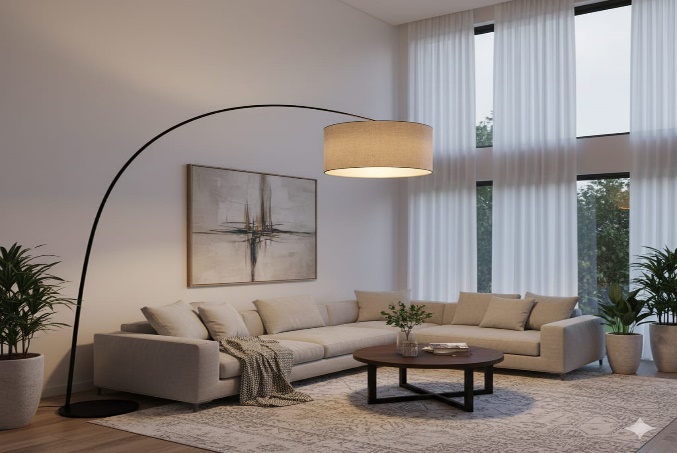
Step 8: Go Vertical with Lighting
Tall lamps or vertical light strips emphasize height. They guide the eye upward, making ceilings feel taller and rooms more spacious.
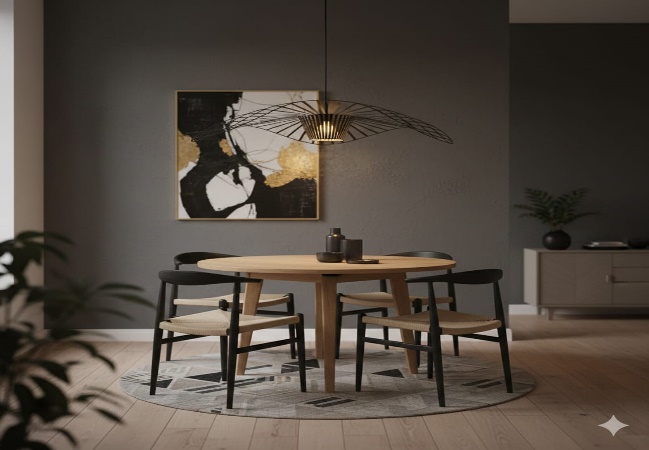 Step 9: Create a Focal Glow
A bold pendant or chandelier can anchor the room. It spreads light evenly while adding personality. A focal glow makes the space feel intentional rather than improvised.
For guidance, see How to Create a Focal Point in Any Room.
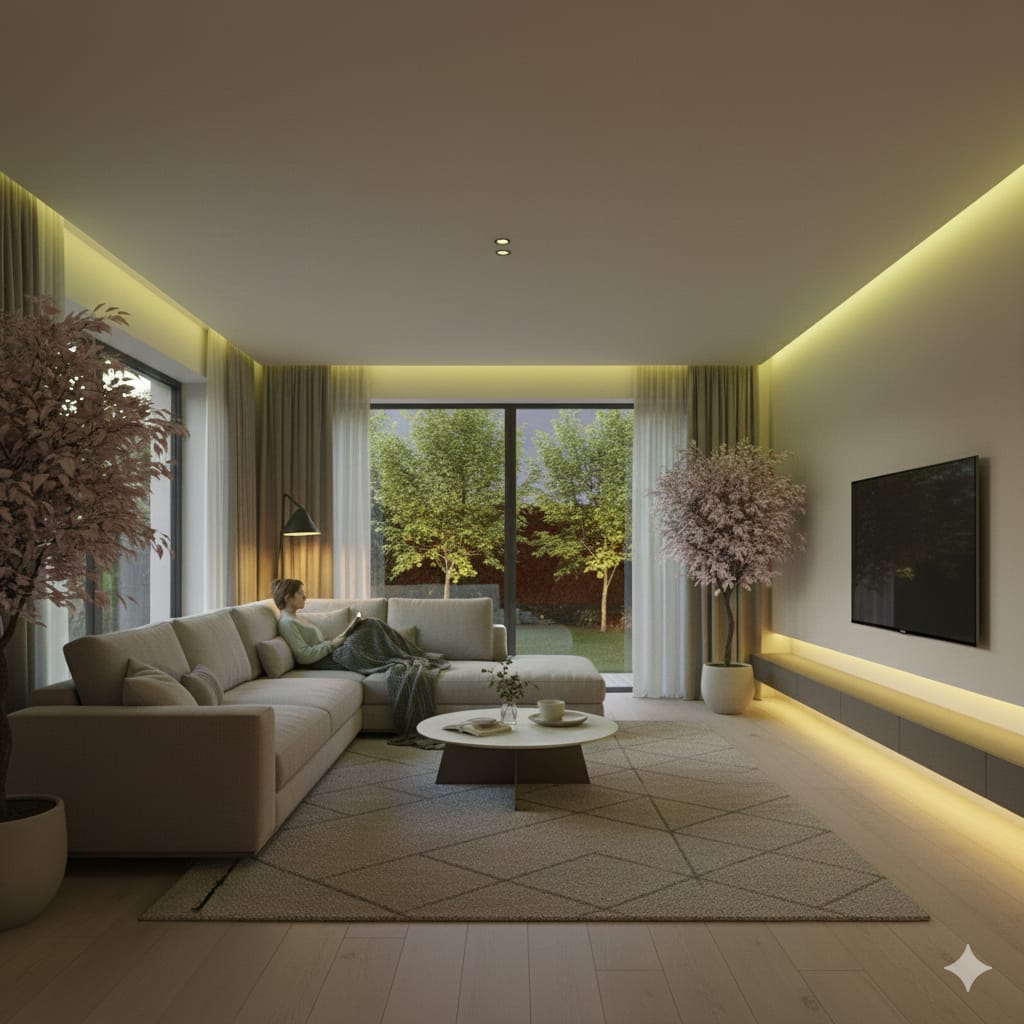 Step 10: Keep It Flexible
Lighting should adapt to your mood. Use dimmers, smart bulbs, or seasonal updates to keep the atmosphere fresh. Morning light can energize, while evening dimness can relax.
For inspiration, check Seasonal Decorating Ideas for Every Room.
Final Thoughts
Small spaces don’t have to feel cramped. With natural light, layered fixtures, reflective surfaces, and smart placement, you can make any room feel bigger and brighter. Lighting is more than a design detail—it’s a tool to shape atmosphere, mood, and perception. Done right, it transforms not just the look of your home, but the way you live in it