Learn how to fix kitchen plumbing issues yourself—from leaky pipes to clogged drains. Step-by-step DIY tips that save money and avoid plumber visits.
No Plumber, No Panic—Just Real Fixes That Work
I’ll be honest—plumbing used to scare me. One drip under the sink and I’d panic. But after a few YouTube tutorials and one very wet afternoon, I realized most kitchen plumbing problems are totally fixable. You just need the right mindset, a few tools, and a towel (trust me on that one).
Here’s everything I’ve learned from fixing my own kitchen plumbing—the good, the messy, and the surprisingly doable.
1. Start with the Sink: Leaks, Drips & Loose Connections
The kitchen sink is ground zero for most plumbing issues. If you’ve got a slow drip, a puddle under the cabinet, or a faucet that won’t shut off properly—don’t panic.
Here’s what usually causes it:
- Worn-out washers or O-rings
- Loose slip nuts
- Cracked P-trap or drain pipe
- Old plumber’s tape that’s lost its seal
What I did:
- Cleared out everything under the sink
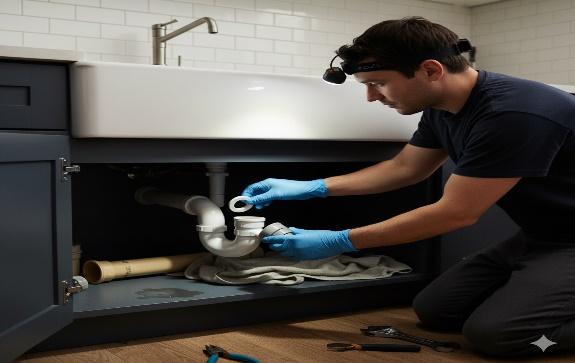 Turned off the water supply
- Placed a bucket underneath
- Loosened the slip nuts by hand (or with a wrench for metal pipes)
- Replaced the washer and added fresh plumber’s tape
- Reassembled everything slowly and tested for leaks How to Fix Bathroom Leaks Without a Plumber
2. Unclogging the Drain Without Chemicals
Forget the harsh drain cleaners. Most clogs are caused by food bits, grease, or soap buildup—and they sit right in the trap. 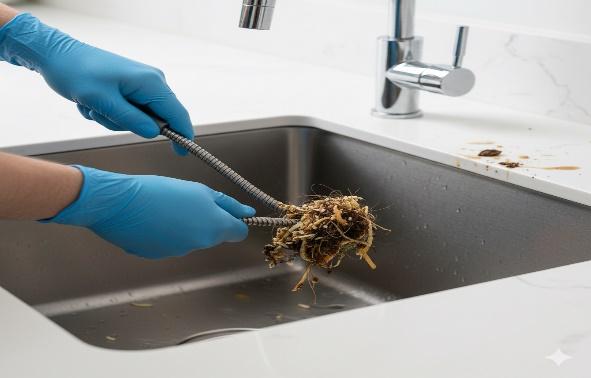
Here’s my go-to method:
- Remove the stopper
- Use a wire or drain snake to pull out the gunk
- Flush with hot water and baking soda
- Reassemble and test
It’s gross, but weirdly satisfying How to Hang Art and Decor Like a Designer
3. Fixing Low Water Pressure
If your faucet feels weak, it’s probably the aerator. That little mesh screen gets clogged with minerals over time.
Quick fix:
- Unscrew the aerator from the faucet head
- Soak it in vinegar for 30 minutes
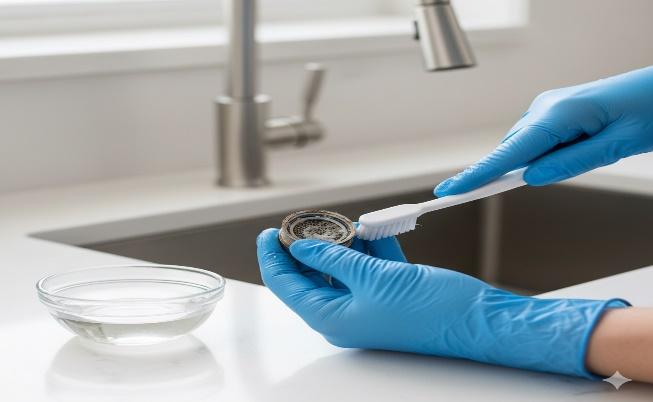
- Scrub gently with a toothbrush
- Rinse and reinstall
Boom—pressure restored. How to Fix a Leaky Faucet DIY
4. Dealing with Smelly Pipes
Bad smells in the kitchen? It might be your drain. Sometimes food waste gets stuck and starts to rot, or sewer gases sneak through a loose seal.
What worked for me:
- Cleaned the trap

- Poured baking soda and vinegar down the drain
- Sealed any loose joints with plumber’s tape
- Added a drain cover with charcoal filter How to Measure for Kitchen Flooring
5. Replacing a Shutoff Valve
This one felt intimidating, but it wasn’t bad. My shutoff valve under the sink was leaking slowly. I replaced it in under an hour. 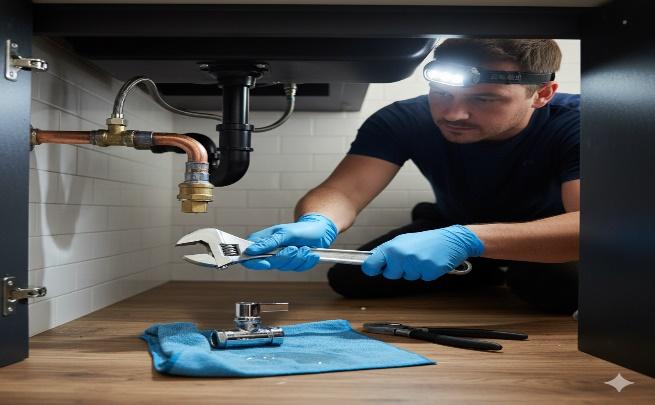
Steps I followed:
- Turned off the main water supply
- Used a wrench to remove the old valve
- Cleaned the threads
- Installed the new valve with fresh tape
- Turned water back on and checked for leaks
Mistakes I Made (So You Don’t Have To)
- Forgot to turn off the water once—soaked everything
- Didn’t tighten the slip nut enough—slow leak for days
- Used the wrong size washer—had to redo the whole thing
- Tried to force a stuck pipe—cracked it
- Skipped the bucket—rookie move
Tools That Made My Life Easier
- Adjustable wrench
- Plumber’s tape
- Bucket
- Flashlight
- Replacement washers and slip nuts
- Drain snake
- Vinegar and baking soda