Tired of creaky doors and noisy floors? Learn how to silence squeaks with simple tools and no stress. This guide covers both door hinges and floorboards—no handyman needed.
That creaking sound? It’s Time to Make It Stop
You’re tiptoeing through the house, trying not to wake anyone—and then creeeak. The floor betrays you. Or maybe it’s the door hinge that squeals every time you open it. Either way, it’s annoying. And it’s fixable.
Squeaky doors and floors are common, especially in older homes. But you don’t need a contractor or fancy gear. You just need a few tools, a little patience, and this guide.
And if you’re tackling multiple home fixes, check out Essential DIY Fixes Every Homeowner Should Know—it’s full of beginner-friendly wins.
Step 1: Gather Your Tools
Here’s what you’ll need—most of it is probably already in your home:
- Lubricant (WD-40, silicone spray, or petroleum jelly)
- Screwdriver
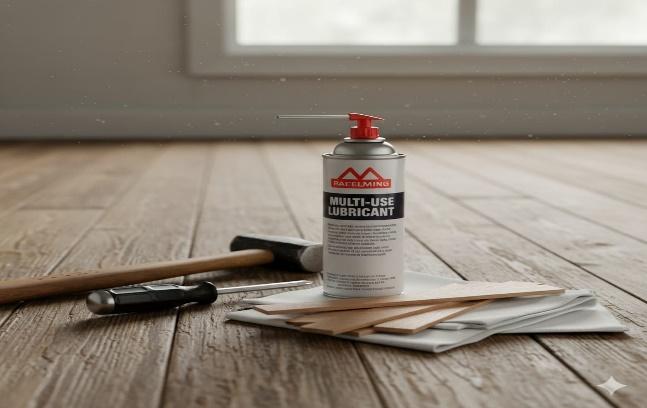
- Hammer
- Wood shims or construction adhesive
- Baby powder or graphite powder
- Drill (optional)
- Screws (for loose hinges or floorboards)
- Cloth or rag
Need help choosing the right lubricant? Check out Choosing the Best Grout for Wet Areas—it breaks down what works where.
Step 2: Fixing Squeaky Doors
Let’s start with the hinges—they’re usually the culprit.
- Open the door and inspect the hinges.
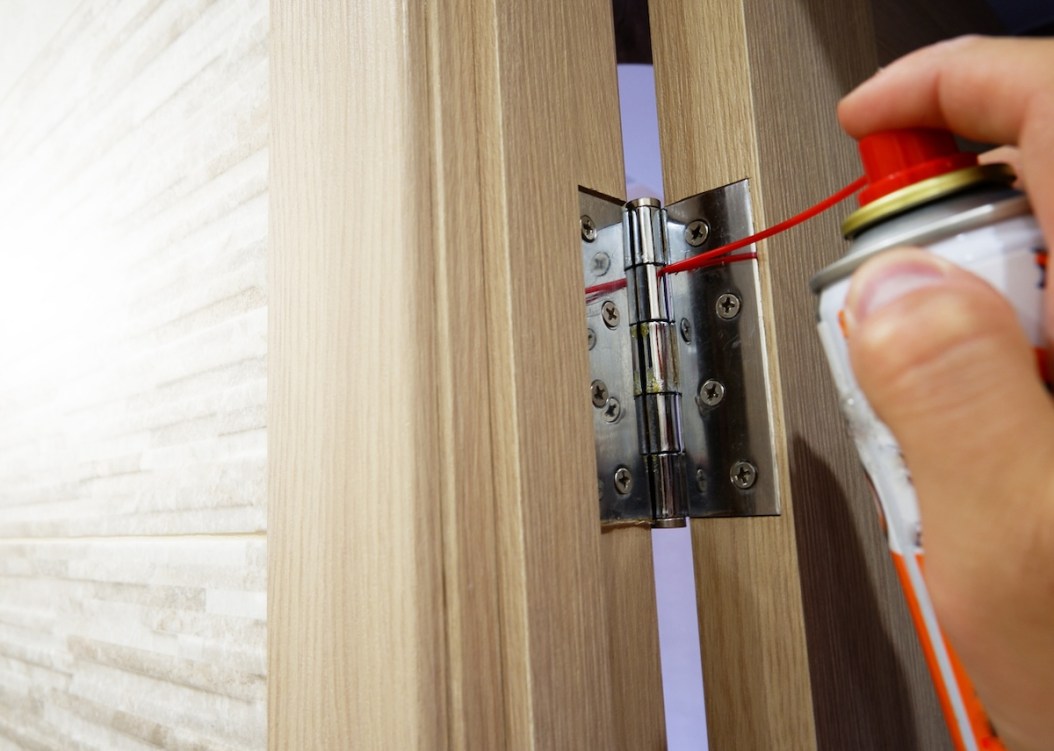
- If they look dry or rusty, spray lubricant directly into the hinge pin area.
- Move the door back and forth to work the lubricant in.
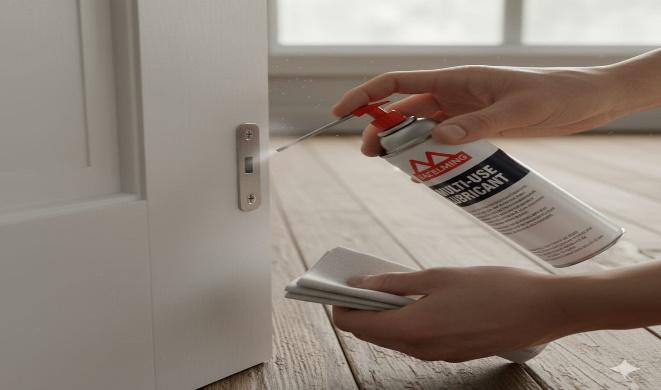
- Wipe off any excess with a cloth.
If the squeak persists:
- Remove the hinge pin, clean it, and apply lubricant before reinserting.
- Tighten any loose screws with a screwdriver.
- If the hinge is damaged, replace it with a matching one.
Step 3: Fixing Squeaky Floors from Above
If you can’t access the floor from underneath, here’s what you can do from the top:
- Identify the squeaky spot by walking slowly and listening.
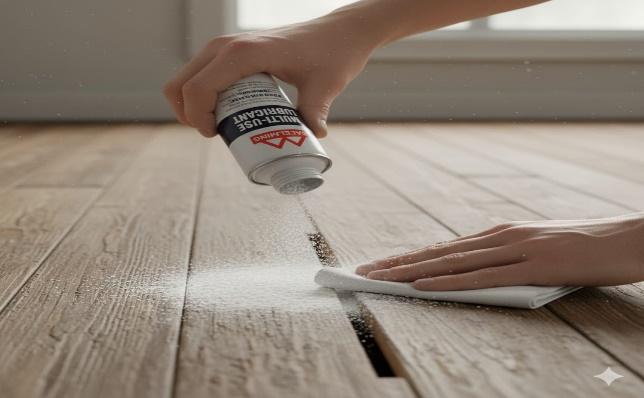
- Sprinkle baby powder or graphite powder into the seams between boards.
- Work it in with a cloth or brush—this reduces friction.
- If the boards are loose, drive a screw into the joist below (use a stud finder if needed).
- Countersink the screw and fill the hole with wood filler.
Step 4: Fixing Squeaky Floors from Below
If you have access to the underside of the floor (like in a basement or crawl space):
- Locate the squeaky area from below.
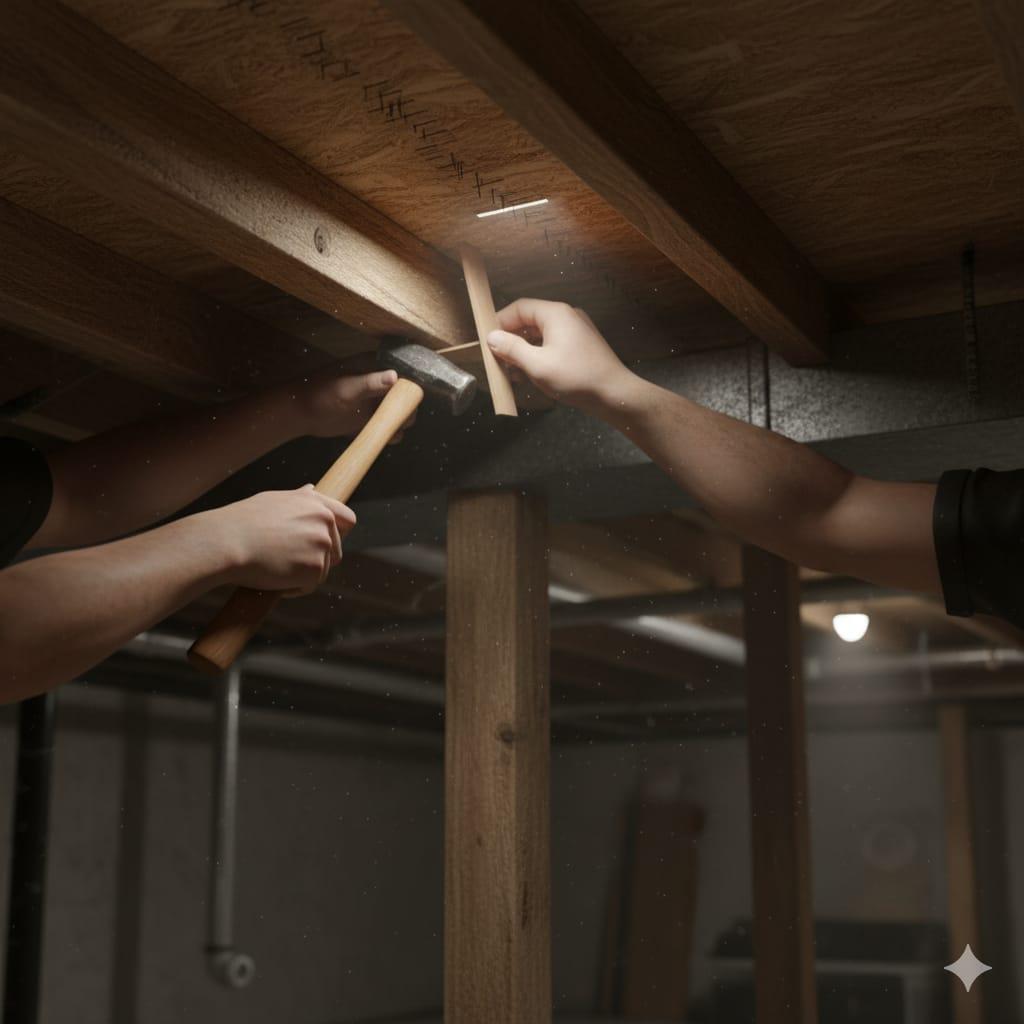
- Use wood shims to fill gaps between joists and subfloor.
- Tap them in gently with a hammer—don’t force it.
- Alternatively, apply construction adhesive between the joist and subfloor to reduce movement.
Step 5: Tighten Loose Screws and Hardware
Sometimes the squeak isn’t from friction—it’s from movement. 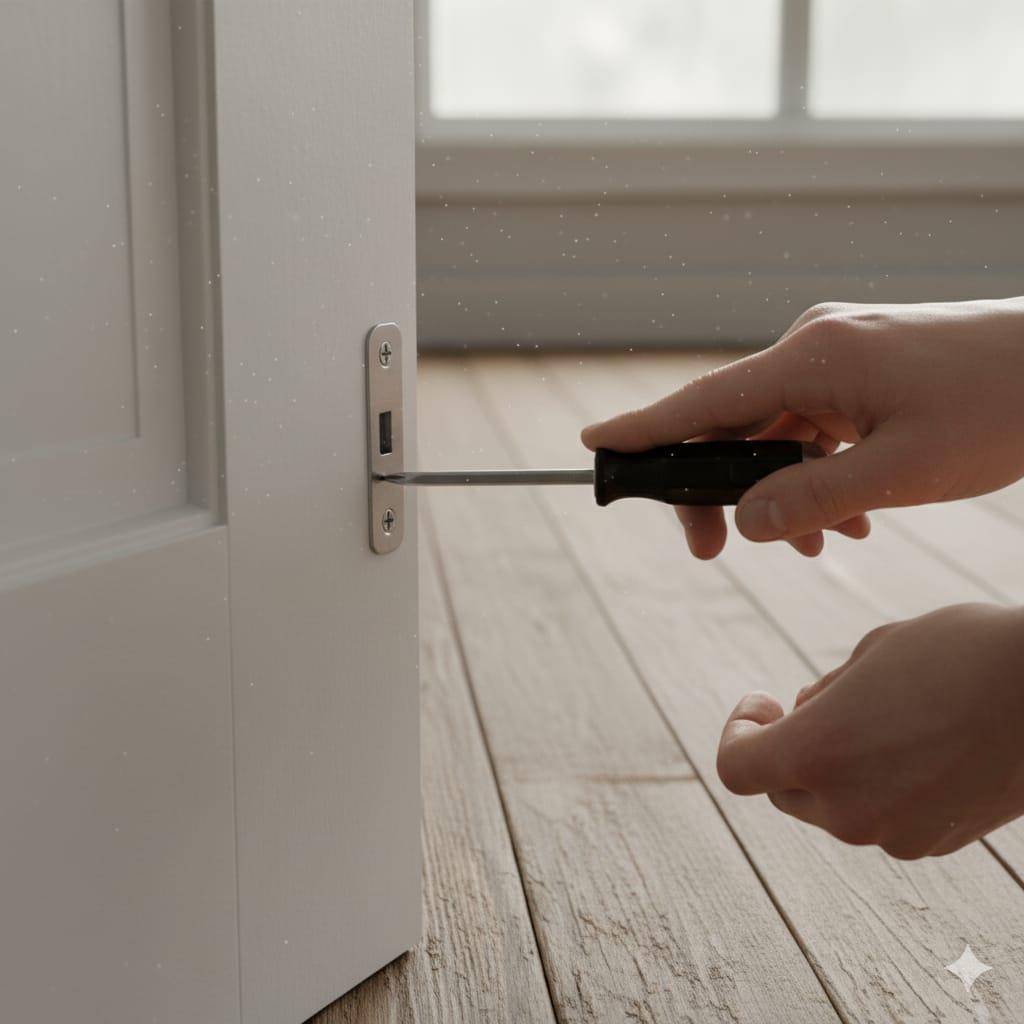
- Check door hinges, floorboards, and any nearby trim.
- Tighten all screws with a screwdriver.
- If holes are stripped, use longer screws or fill with wood filler before re-screwing.
Extra Tips That Make a Big Difference
- Avoid over-lubricating hinges—it can attract dust.
- Use a cloth to catch drips when spraying lubricant.
- Mark squeaky spots with tape before fixing—it helps you stay organized.
- Don’t ignore small squeaks—they often get worse over time.
And if you’re dealing with other sound issues, check How to Unclog Drains Without Chemicals—it’s a great next step.
Done—And Your Home Is Quiet Again
No more squeaks. No more creaks. Just smooth doors and silent steps.
You didn’t just fix a noise—you made your home feel calmer. And next time something squeaks, you’ll know exactly what to do.
Want to keep going? Try it; it’s another quick win