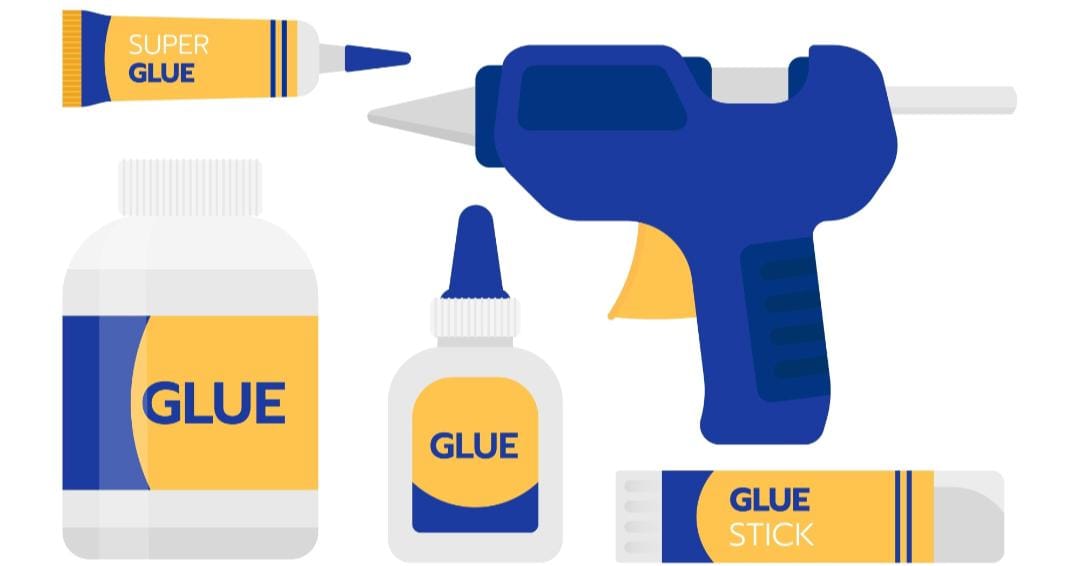
Not all glues are created equal. This guide helps you choose the right adhesive for wood, metal, plastic, and more—so your DIY project stays strong and stress-free.
Why Adhesive Choice Isn’t Just a Detail
You’ve measured, cut, maybe even sanded. Now it’s time to bond—but which adhesive actually works? Grabbing “any glue” from the drawer might seem fine… until your shelf collapses or the chair leg pops off.
Different materials need different types of glue. Some dry fast, some need clamping, and some just don’t work on porous surfaces. This guide breaks it down simply—no chemistry degree needed.
Step 1: Wood Glue—Clean, Strong, and Reliable
Wood glue (PVA or carpenter’s glue) is perfect for bonding wood. It dries clear, gives you a few minutes to adjust, and holds tight when clamped. 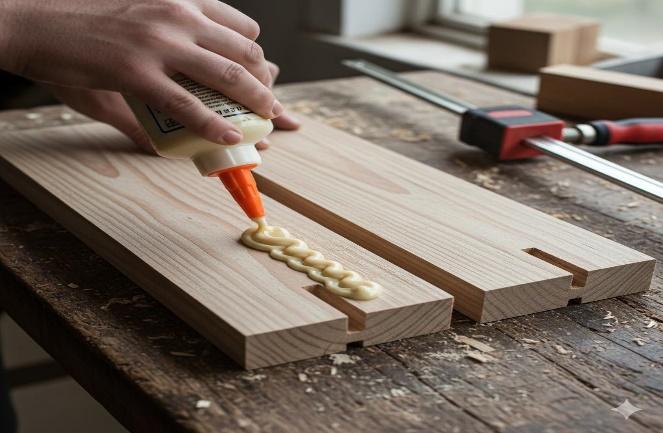
Best for:
- Furniture repairs
- Wooden joints and dowels
- DIY shelves and boxes
Human moment: One reader built a small bookshelf and used wood glue with clamps overnight. Next morning? Solid as a rock—no screws needed. DIY Entryway Organization Ideas
Step 2: Super Glue—Fast Fixes, No Room for Error
Super glue bonds fast and hard—but you’ve got seconds to get it right. It’s great for small repairs, especially on plastic, ceramic, or metal. 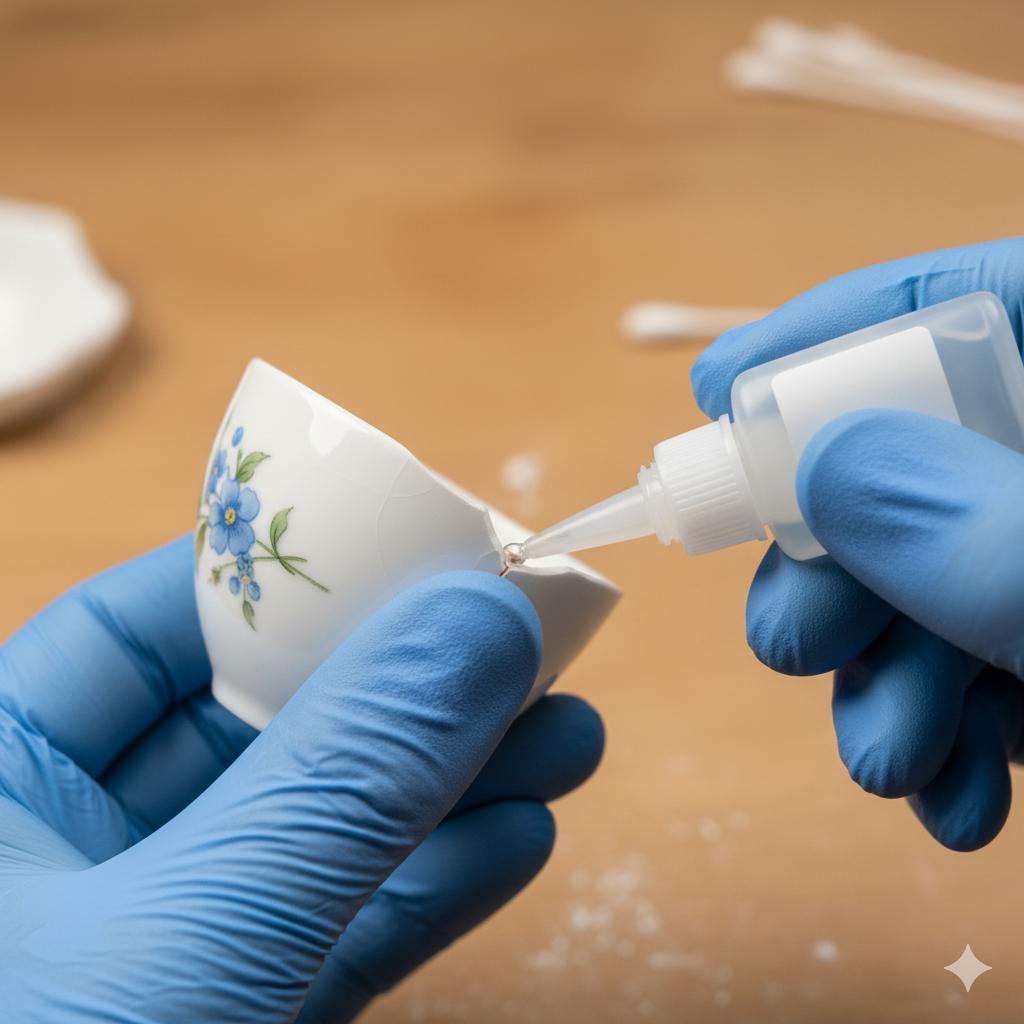
Best for:
- Drawer knobs, figurines, or small decor
- Plastic or ceramic repairs
- Quick fixes that don’t need flexibility
Human moment: A DIYer tried fixing a broken mug handle with super glue. It held—but she also glued her fingers together. Gloves are your friend. Top 20 Tools Every DIYer Needs
Step 3: Construction Adhesive—When You Need Serious Grip
This thick, paste-like adhesive is made for strength. It bonds wood, metal, concrete, and more—especially useful when nails or screws aren’t ideal. 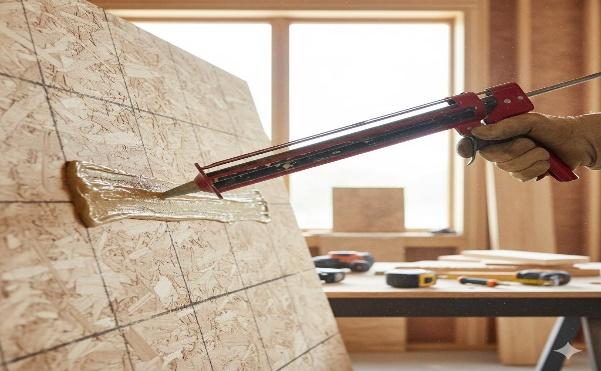
Best for:
- Wall panels or trim
- Heavy mirrors or decor
- Outdoor projects
Human moment: One reader used construction adhesive to mount a heavy mirror. No screws, no brackets—just a clean bond that’s still holding strong. Creating a Feature Wall with Paint or Wallpaper
Step 4: Epoxy—Two Parts, One Powerful Bond
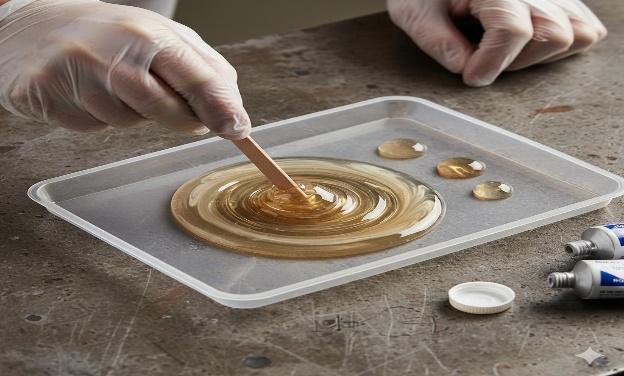
Epoxy is a mix of resin and hardener. Once combined, it forms a super-strong bond that’s heat-resistant, waterproof, and long-lasting.
Best for:
- Metal repairs
- Outdoor furniture
- Projects exposed to heat or moisture
Human moment: A DIYer fixed a cracked garden bench with epoxy. It’s survived two summers, a sandstorm, and a toddler—still solid. DIY Outdoor Bench Ideas
Step 5: Contact Cement—Instant Bond, No Second Chances
Contact cement is unique—you apply it to both surfaces, let it dry slightly, then press them together. Once it sticks, it’s stuck—no repositioning. 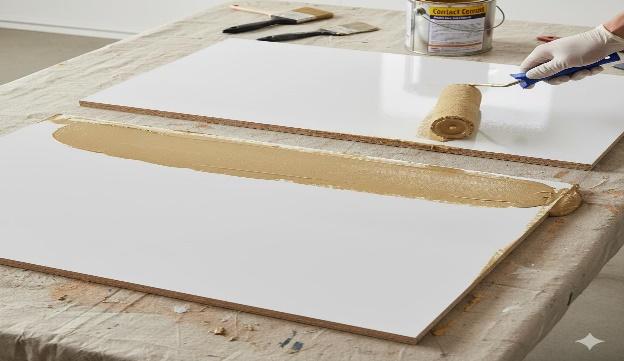
Best for:
- Upholstery
- Countertop laminates
- Leather or vinyl repairs
Human moment: One reader used contact cement for a vinyl repair. She missed the alignment by a few millimeters—and had to redo the whole thing. Lesson: measure twice, press once. Budget-Friendly Room Makeovers
Final Thoughts—Stick with What Works
Adhesives aren’t just glue—they’re the difference between a project that lasts and one that falls apart. Choosing the right one means fewer headaches, stronger results, and more confidence in your DIY skills.
So next time you reach for a tube, pause for a second. Match the glue to the job—and give your project the bond it deserves.