Confused about which fastener to use? This guide breaks down screws, nails, bolts, and anchors—so you can build smarter, safer, and stronger. No more guesswork in the hardware aisle.
Why Fasteners Matter More Than You Think
You’ve measured the wood. You’ve picked the paint. You’ve got the drill charged and ready. But then comes the part most people rush through—choosing how to hold it all together.
Fasteners might seem like a small detail, but they’re what keep your project standing. Use the wrong one, and that shelf you spent an hour leveling might sag by next week. Use the right one, and it’ll stay solid for years—even with a few bumps along the way.
This guide isn’t about technical jargon. It’s about helping you pick the right screw, nail, or anchor for the job—without second-guessing yourself or making a frustrating trip back to the hardware store. Fixing Squeaky Doors and Floors
Step 1: Screws—Precision and Holding Power
Screws are the workhorse of most DIY projects. They don’t just hold things together—they grip, they stay put, and they let you take things apart when needed.
Unlike nails, screws twist into the material with a threaded shaft, which means they resist pulling, shifting, and loosening over time. If you’re building something that needs to stay solid—or might need adjusting later—screws are your safest bet. 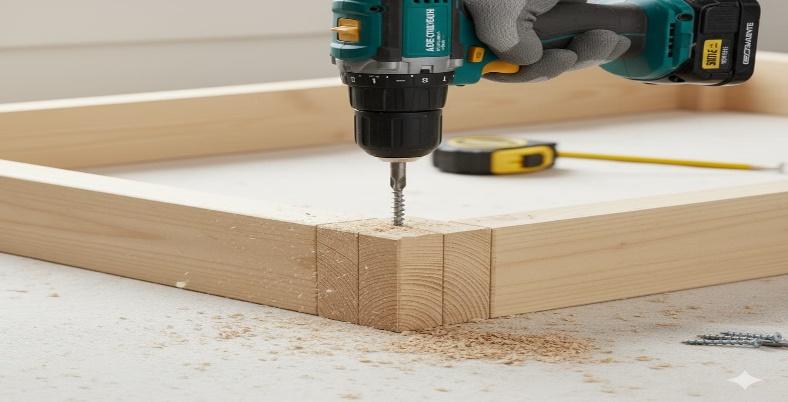
Best used for:
- Woodworking and carpentry
- Assembling furniture
- Mounting shelves or brackets
- Projects you might want to disassemble or tweak later
Real moment: One DIYer built a planter box using basic wood screws. A year later, she decided to repaint it. Took it apart, cleaned it up, and reused the same screws. No rust, no stripping—just solid grip that held up through sun, rain, and soil. Upcycling Furniture for Beginners
Step 2: Nails—Speed and Simplicity
Sometimes, speed matters more than grip—and that’s where nails shine. They’re straightforward: line it up, hammer it in, move on. No bits, no torque settings, no battery to charge.
Nails are ideal for jobs where the connection doesn’t need to be ultra-tight—or where a little flexibility is actually helpful. They’re also less likely to split wood, especially in thin or delicate pieces. 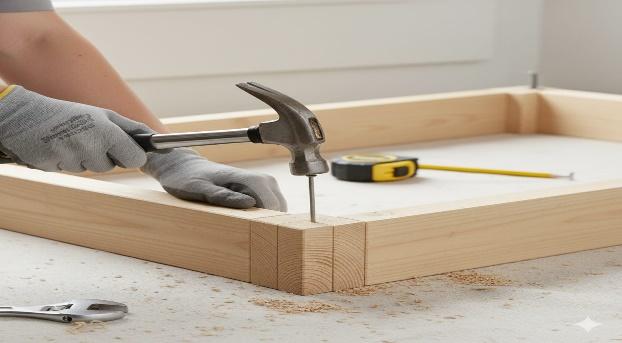
Best used for:
- Framing and basic structural builds
- Installing baseboards, molding, or trim
- Temporary fixes or low-stress joints
Real moment: One DIYer was installing decorative molding and tried screws first—only to crack the wood. Switched to finish nails, and everything went in cleanly, no damage, no drama 6 Budget-Friendly Room Makeovers
Step 3: Bolts—Heavy-Duty Strength
Bolts are designed for serious load-bearing. They require nuts and washers to secure materials and are often used in furniture, decks, and structural builds.
Best for: 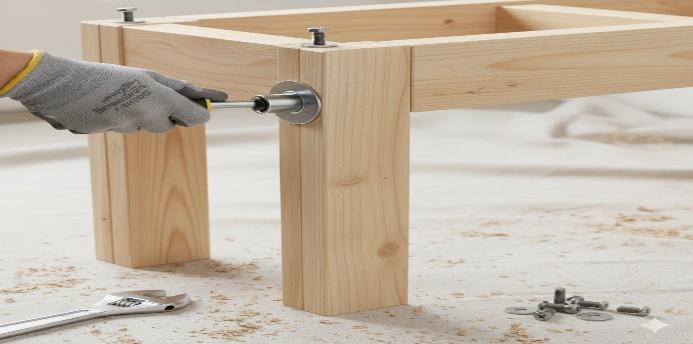
- Outdoor furniture
- Heavy shelving units
- Projects involving metal or thick wood
Real moment: One reader built a garden bench using bolts instead of screws. It’s been through three rainy seasons—still rock solid. DIY Entryway Organization Ideas
Step 4: Anchors—Wall Support Without Studs
Anchors help you mount things to drywall, plaster, or masonry when there’s no stud behind. They expand inside the wall to hold screws securely. 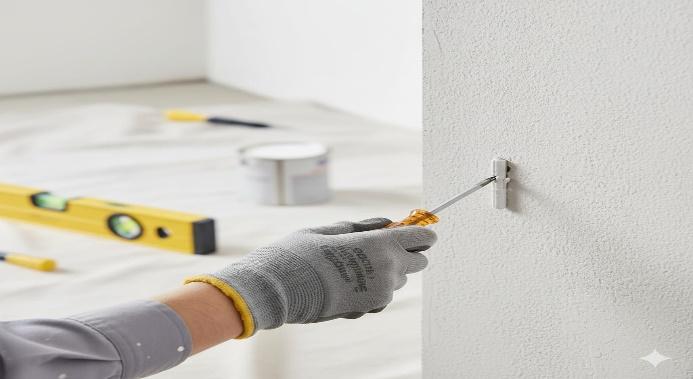
Best for:
- Hanging shelves or mirrors
- Mounting curtain rods
- Installing wall hooks
Tip: Always check the weight rating on your anchor—and match it to what you’re hanging. Creating a Feature Wall with Paint or Wallpaper
Step 5: Specialty Fasteners—Know When to Upgrade
Some projects call for more specific solutions: 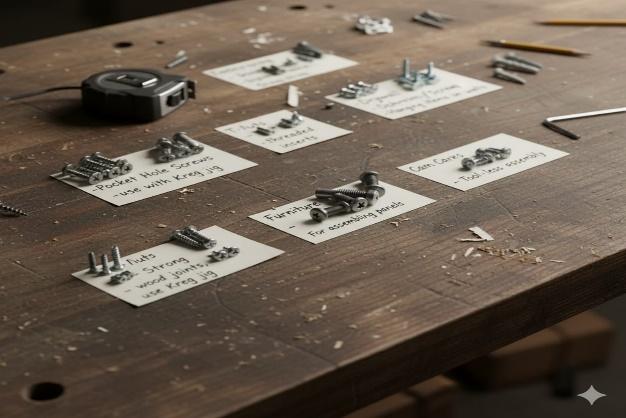
- Finish nails for clean trim work
- Drywall screws for gypsum boards
- Deck screws for outdoor builds
- Toggle bolts for heavy wall mounts
Real moment: A DIYer used regular screws for a wall-mounted shelf—it collapsed in a week. Switched to toggle bolts, and it’s held strong ever since. Styling Open Shelves with Purpose
Final Thoughts—Fasteners Make or Break Your Project
Choosing the right fastener isn’t just about what’s available—it’s about what works. Screws grip. Nails speed things up. Bolts hold serious weight. Anchors save the day when studs aren’t around.
Take a minute to match your fastener to your material, your goal, and your tools. Because when the connection is solid, your whole project feels stronger—and lasts longer.