 in an empty white box. It’s about clarity, balance, and intention. The beauty of minimalist design lies in stripping away the excess so that what remains feels purposeful. But here’s the challenge: if you take minimalism too literally, rooms can end up feeling cold, sterile, or unfinished.
The secret to decorating with minimalism without feeling empty is layering warmth, texture, and personality into the simplicity. Done right, minimalism creates spaces that feel calm, stylish, and deeply inviting.
 Step 1: Start with a Clean Foundation
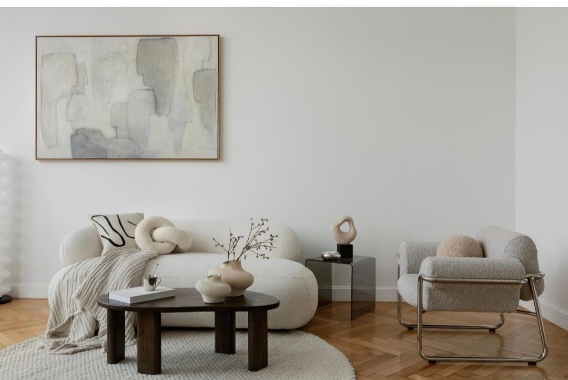
Minimalism begins with editing. Clear away clutter, unnecessary furniture, and decor that doesn’t serve a purpose. A clean foundation allows the essentials to shine. But don’t confuse “clean” with “”bare”—the goal is to create space, not emptiness.
For guidance, see Organizing Small Spaces Without Sacrificing Style.
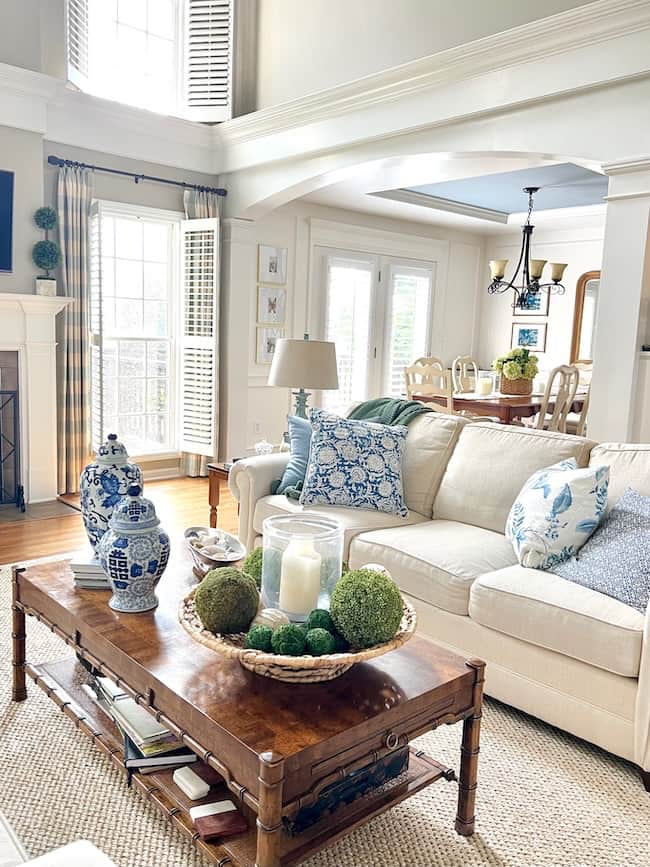 Step 2: Choose a Cohesive Color Palette
Colors set the tone. Minimalist spaces often lean on neutrals—whites, grays, and beiges—but adding soft accents prevents monotony. A muted blue throw or earthy terracotta vase can bring warmth without breaking the minimalist vibe.
For ideas, see Choosing Color Palettes That Work.
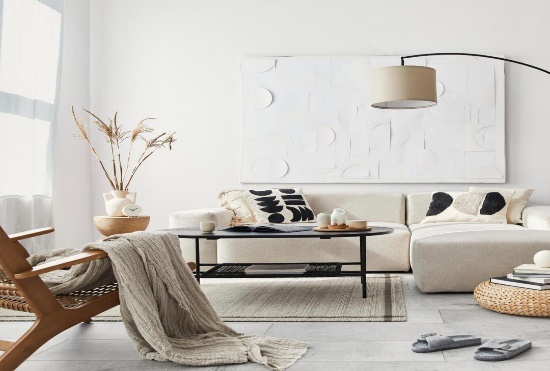
Step 3: Layer Textures for Depth
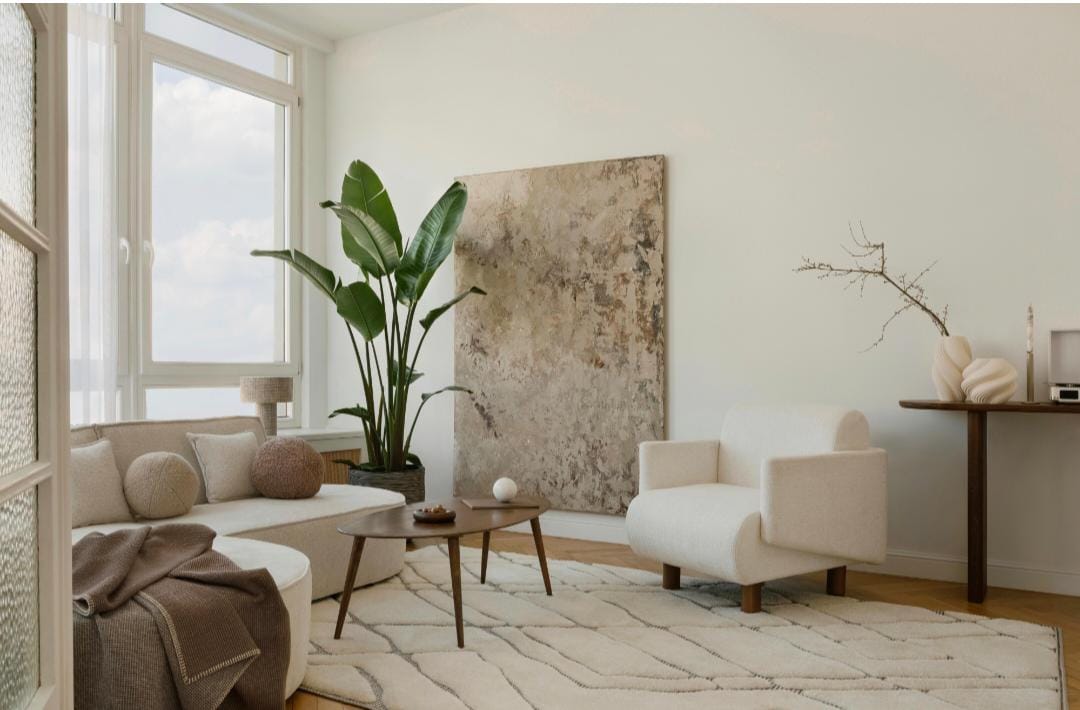
Minimalism doesn’t mean flat surfaces everywhere. Layering textures—linen cushions, wool rugs, wooden tables—adds richness and prevents the room from feeling empty. Texture is what makes simplicity feel alive.
For inspiration, check Mixing Textures and Patterns in Your Space.
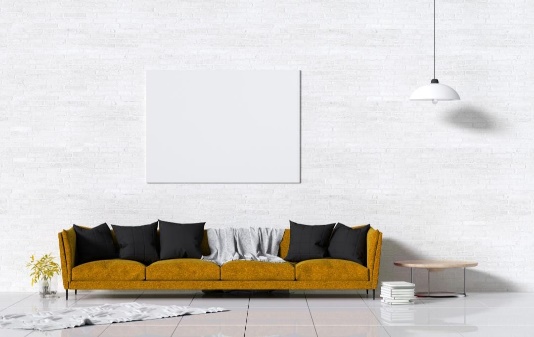 Step 4: Use Statement Pieces Wisely
Minimalism thrives on fewer but stronger choices. Instead of filling the room with small decor, choose one or two statement pieces—a bold artwork, a sculptural lamp, or a striking chair. These focal points anchor the space.
For guidance, see How to Create a Focal Point in Any Room.
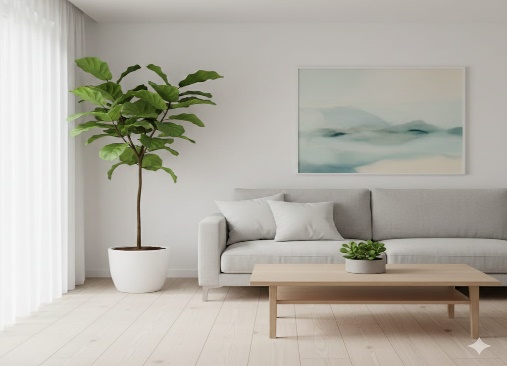 Step 5: Add Plants for Warmth and Life
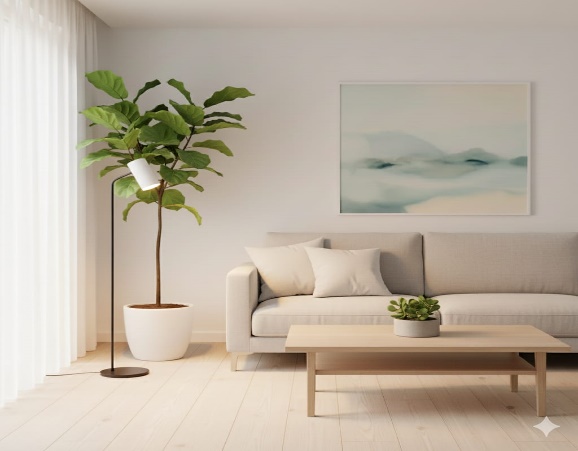
Greenery softens minimalism. A tall plant in the corner or a small succulent on the table adds freshness and prevents the space from feeling sterile. Plants connect the room to nature, making it feel more human.
For more ideas, see Decorating with Plants: Style + Air Quality.
 Step 6: Play with Lighting
Lighting transforms minimalism. A mix of natural light, floor lamps, and soft ambient lighting creates warmth. Avoid harsh overhead lights—they make minimalism feel cold. Instead, layer lighting to add depth and mood.
For inspiration, check out DIY Accent Lighting Ideas.
 Step 7: Keep Furniture Functional but Inviting
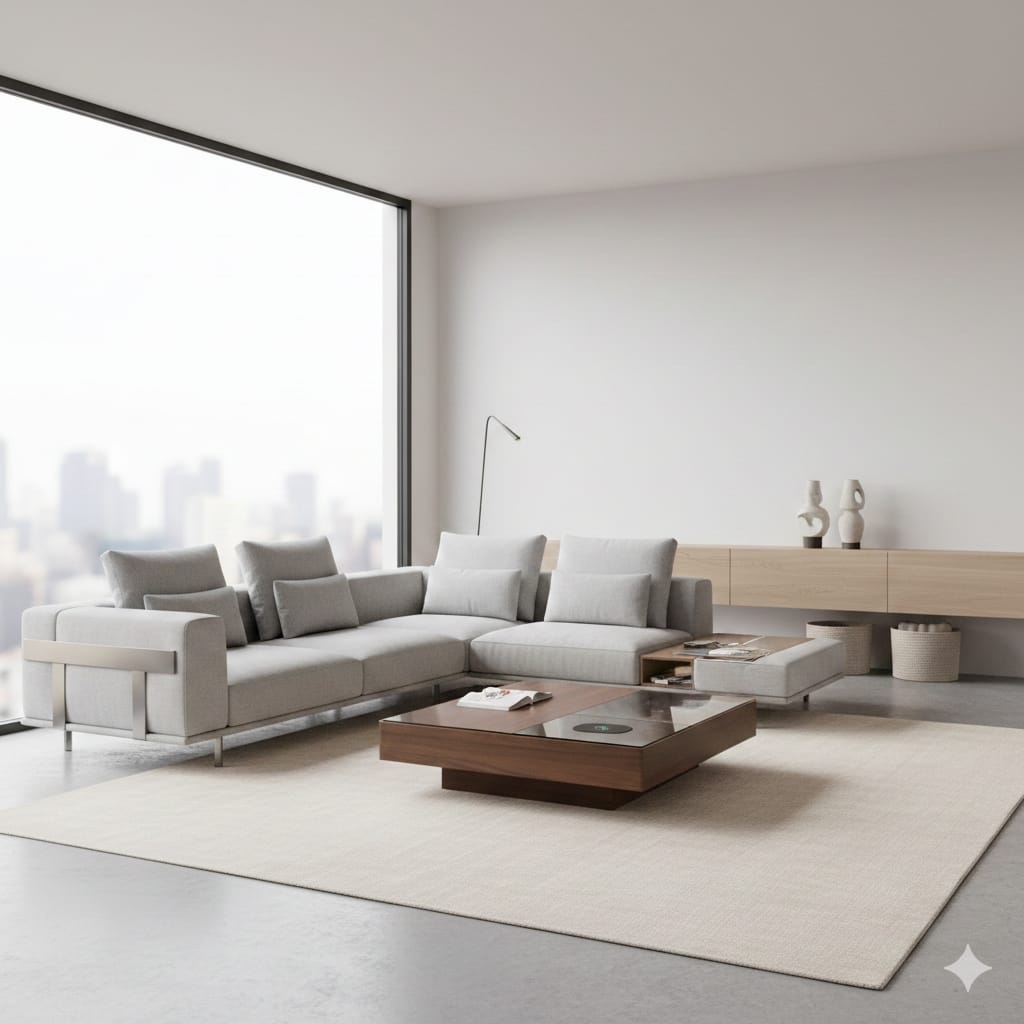
Minimalist furniture should be practical but also comfortable. A sleek sofa that’s cozy to sit on, a dining table that feels welcoming—these choices make minimalism livable. Avoid pieces that look good but feel unapproachable.
For guidance, see Small Room Design Hacks That Actually Work.
Step 8: Personalize w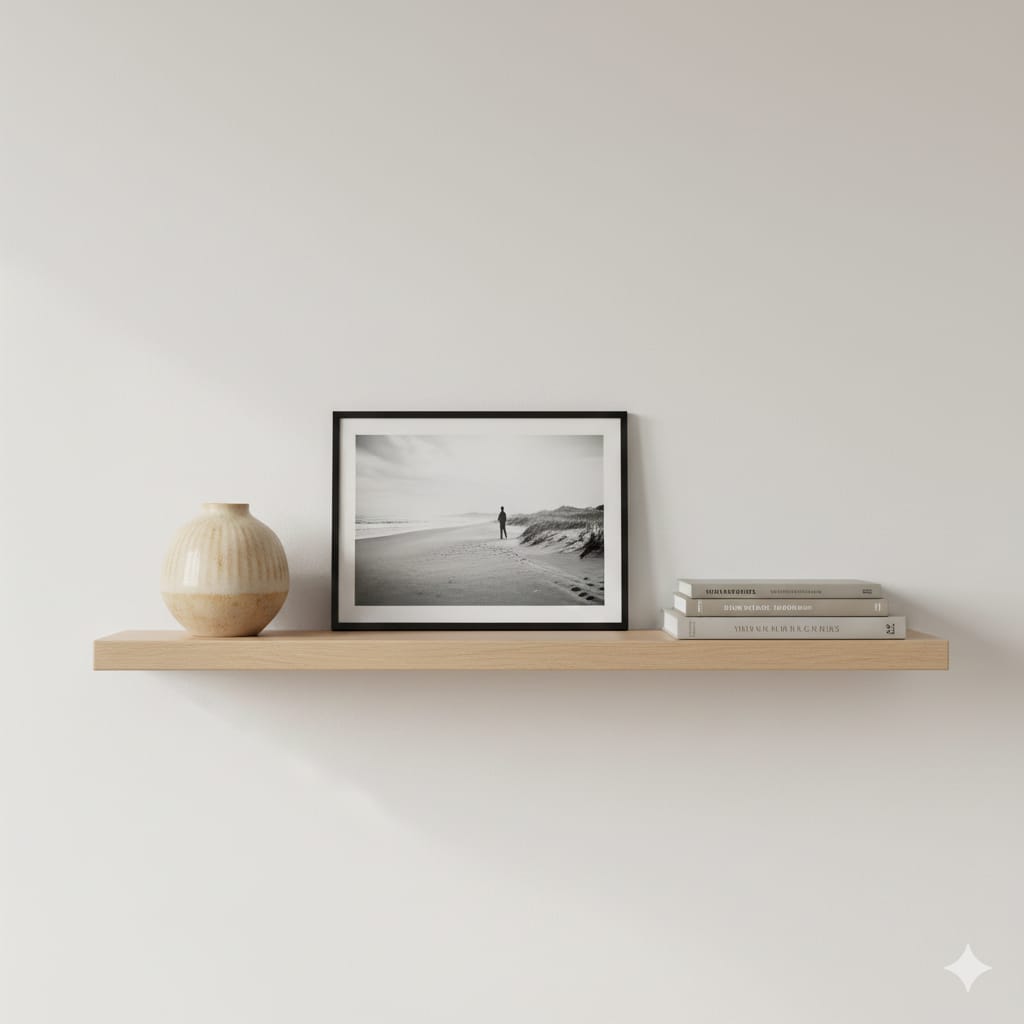 ith Subtle Details
Minimalism doesn’t mean erasing personality. A framed photo, a favorite book, or a handmade ceramic piece adds soul without clutter. These small touches remind you—and your guests—that the space belongs to you.
For ideas, see Styling Open Shelves with Purpose.
Step 9: Rotate Accessories Seasonally
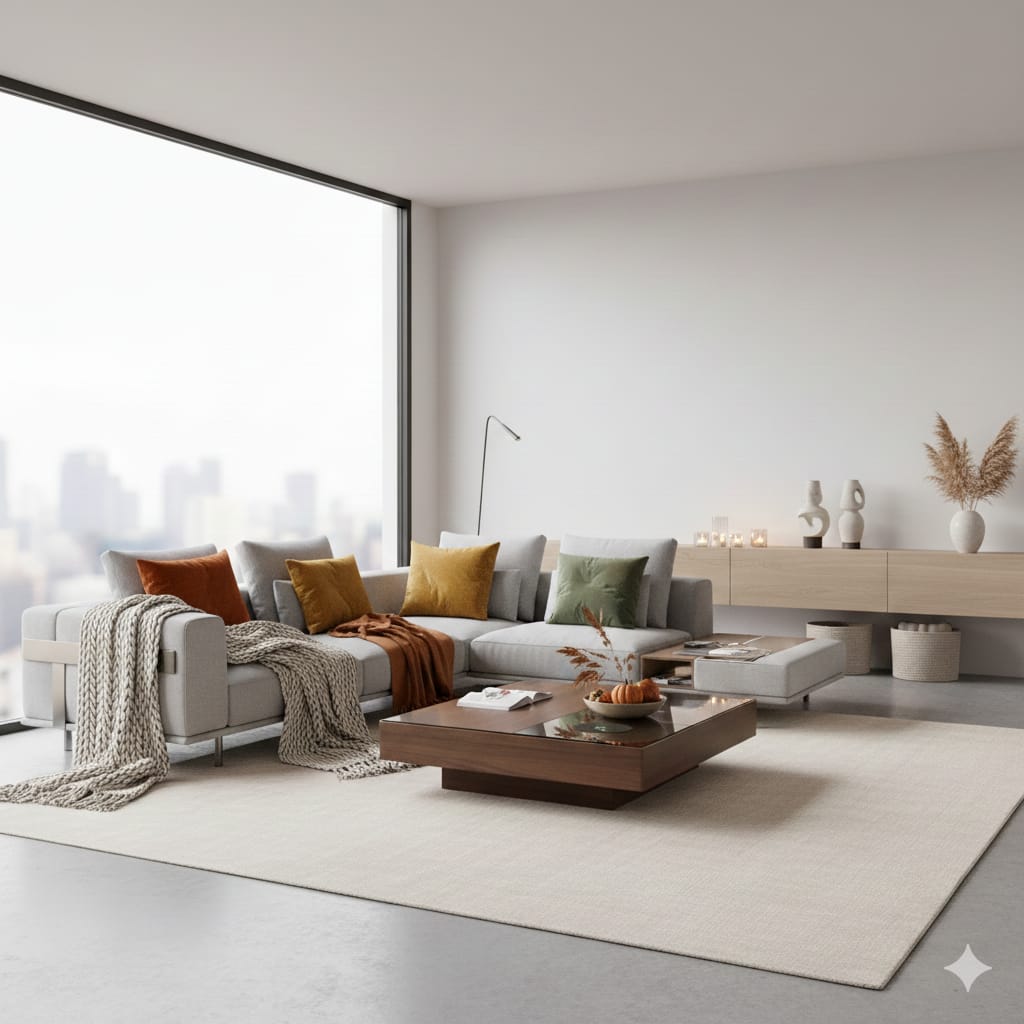 Minimalism can evolve with the seasons. A light cotton throw in summer, a chunky knit in winter. Seasonal updates keep the space fresh and prevent it from feeling static.
For inspiration, see Seasonal Decorating Ideas for Every Room.
Step 10: Balance Empty Space with Purpose
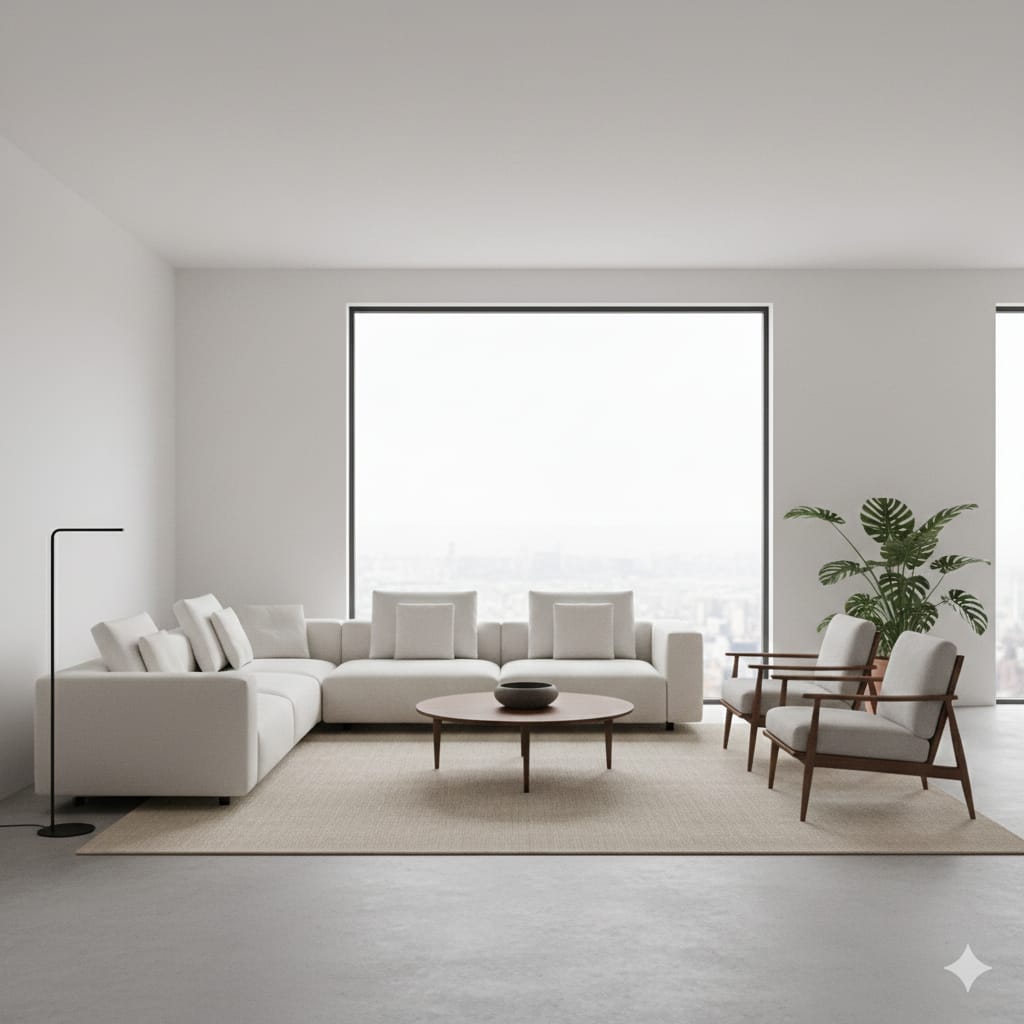
Minimalism celebrates empty space, but it should feel intentional. Leave breathing room around furniture, but don’t let the room feel unfinished. Think of empty space as a design element — it highlights what’s there, instead of what’s missing.
Final Thoughts
Minimalism isn’t about emptiness—it’s about clarity. By layering textures, adding plants, choosing statement pieces, and personalizing with subtle details, you can decorate with minimalism in a way that feels warm and inviting. The beauty of minimalism lies in its balance: enough simplicity to feel calm, enough personality to feel alive.
When done right, minimalism creates rooms that breathe. They’re uncluttered but not cold, stylish but not sterile. They’re spaces that remind you to slow down, appreciate the essentials, and enjoy the beauty of less.