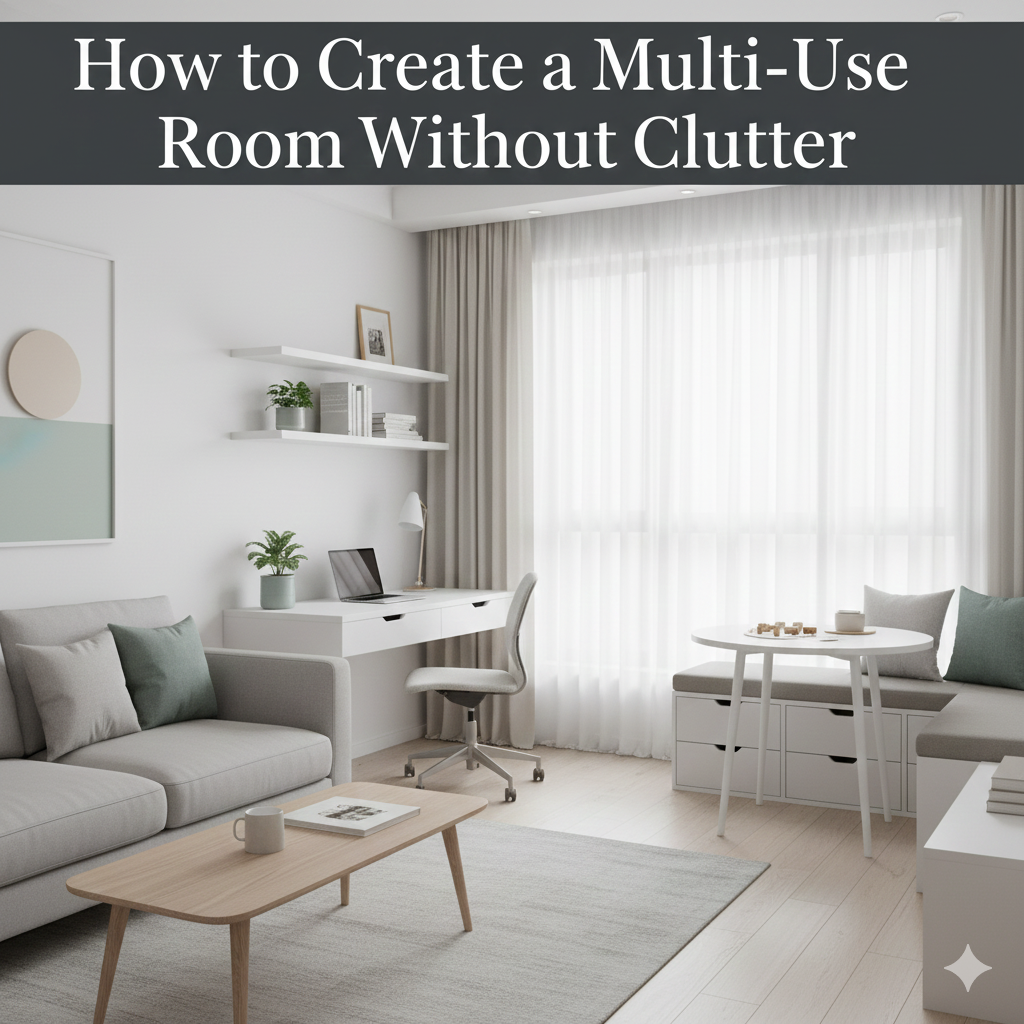
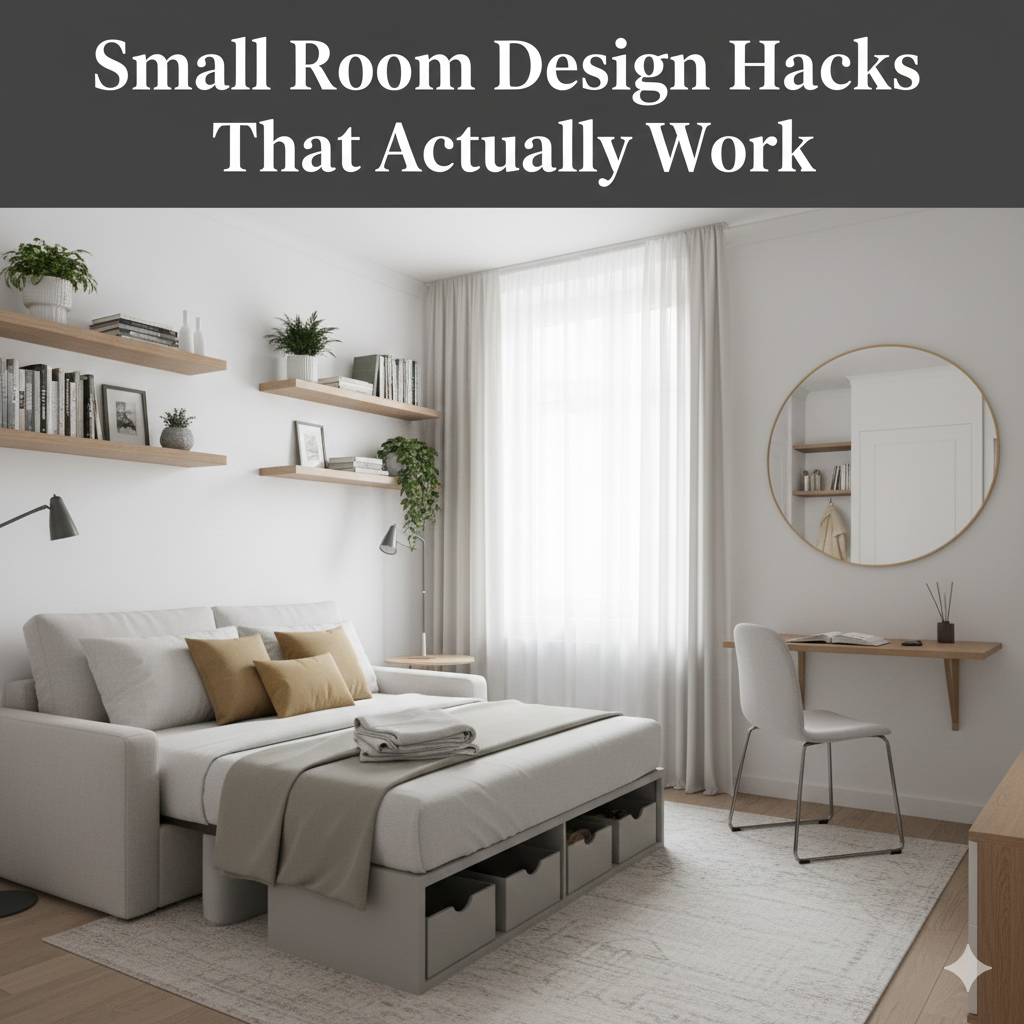
Room Design Mistakes to Avoid in Every Home
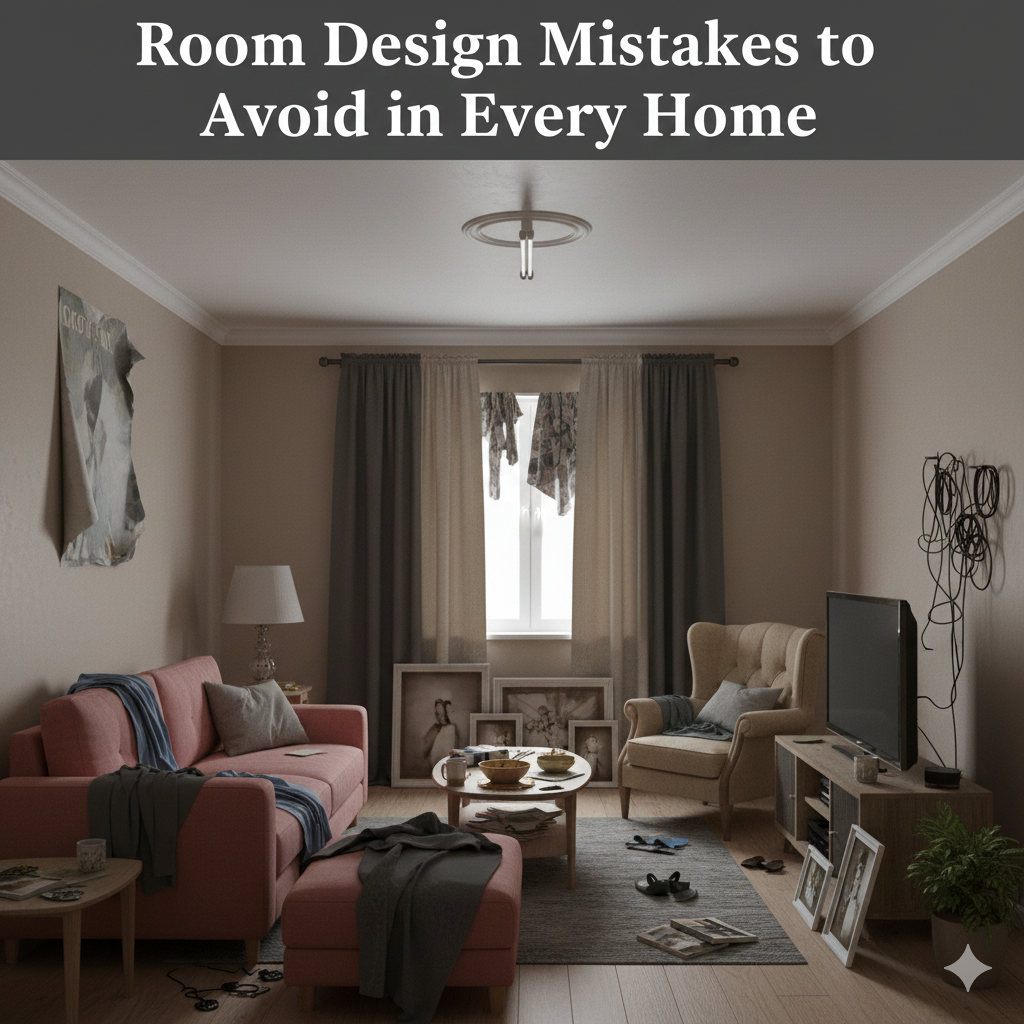 Designing a room is exciting—it’s a chance to express your personality, create comfort, and make your home feel truly yours. But with all that excitement, it’s easy to fall into traps that leave the space feeling awkward or less functional than you hoped. Sometimes the biggest difference between a room that feels inviting and one that feels off comes down to avoiding a handful of common mistakes.
These mistakes aren’t about taste or budget—they’re about balance, flow, and practicality. The good news? Once you know what to watch out for, you can sidestep them and design rooms that feel stylish, comfortable, and welcoming.
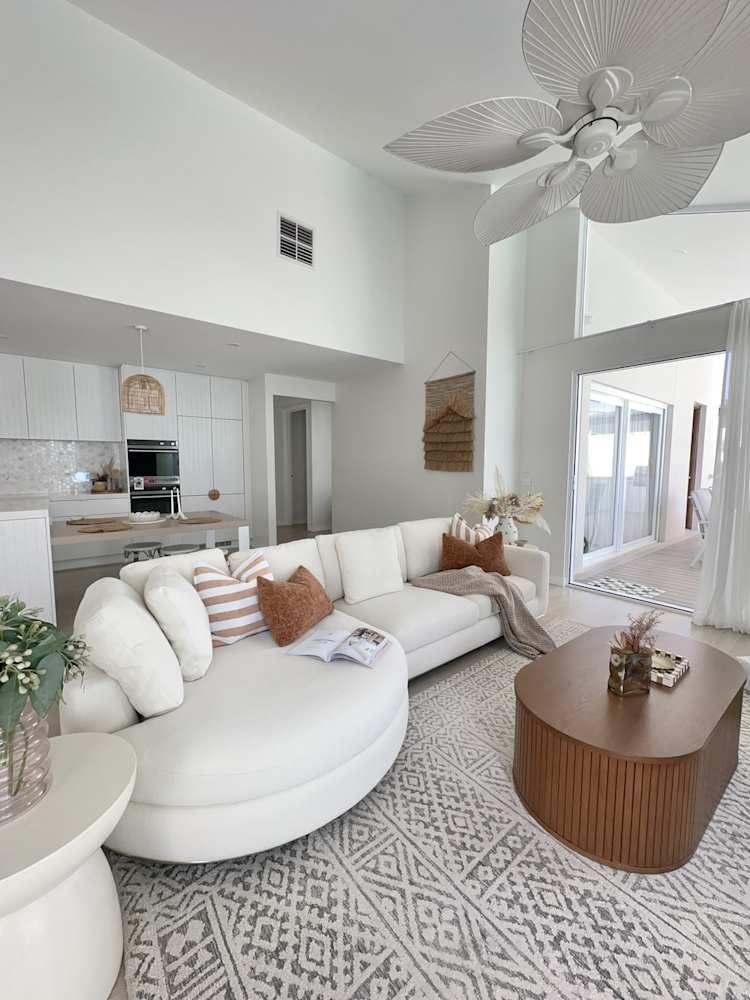 Step 1: Overcrowding the Space
One of the most common mistakes is trying to fit too much furniture into a room. It’s tempting to think more pieces equal more function, but overcrowding makes the space feel cramped and stressful. Imagine walking into a living room where you have to squeeze between chairs just to sit down—it doesn’t feel relaxing.
Instead, choose fewer, well‑proportioned pieces. A sofa, a couple of chairs, and a coffee table are often enough. Leave breathing room around furniture so people can move freely.
For guidance, see Rearranging Furniture for Better Flow.
Step 2: Ignoring Natural Light
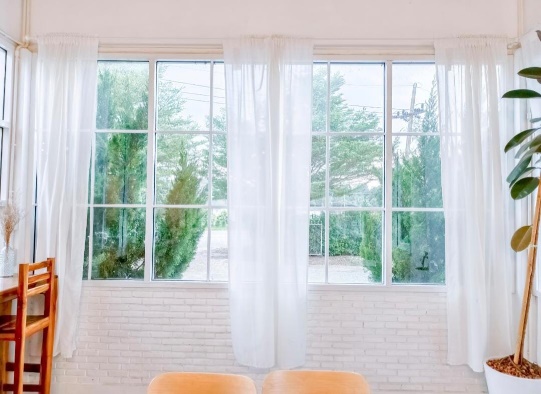 Light is life. Blocking windows with heavy curtains or bulky furniture is a mistake that robs a room of its energy. Natural light makes spaces feel larger, fresher, and more inviting.
Instead, maximize windows. Use sheer curtains that let sunshine in, and avoid placing tall furniture directly in front of them. If natural light is limited, add mirrors to bounce light around the room.
For inspiration, check out DIY Accent Lighting Ideas.
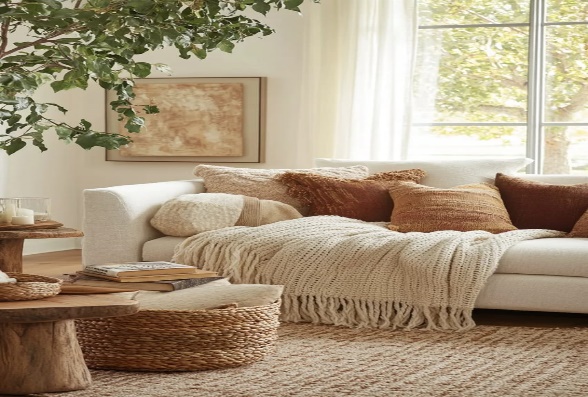 Step 3: Choosing the Wrong Color Palette
Colors set the mood. Picking clashing shades or overly dark tones can make a room feel heavy or chaotic. A consistent palette with balanced accents creates harmony.
Think of a bedroom painted in deep red—it might feel dramatic, but it’s not restful. Compare that to soft neutrals with touches of blue or green, which feel calming and timeless.
For ideas, see Choosing Color Palettes That Work.
Step 4: Forgetting About Storage
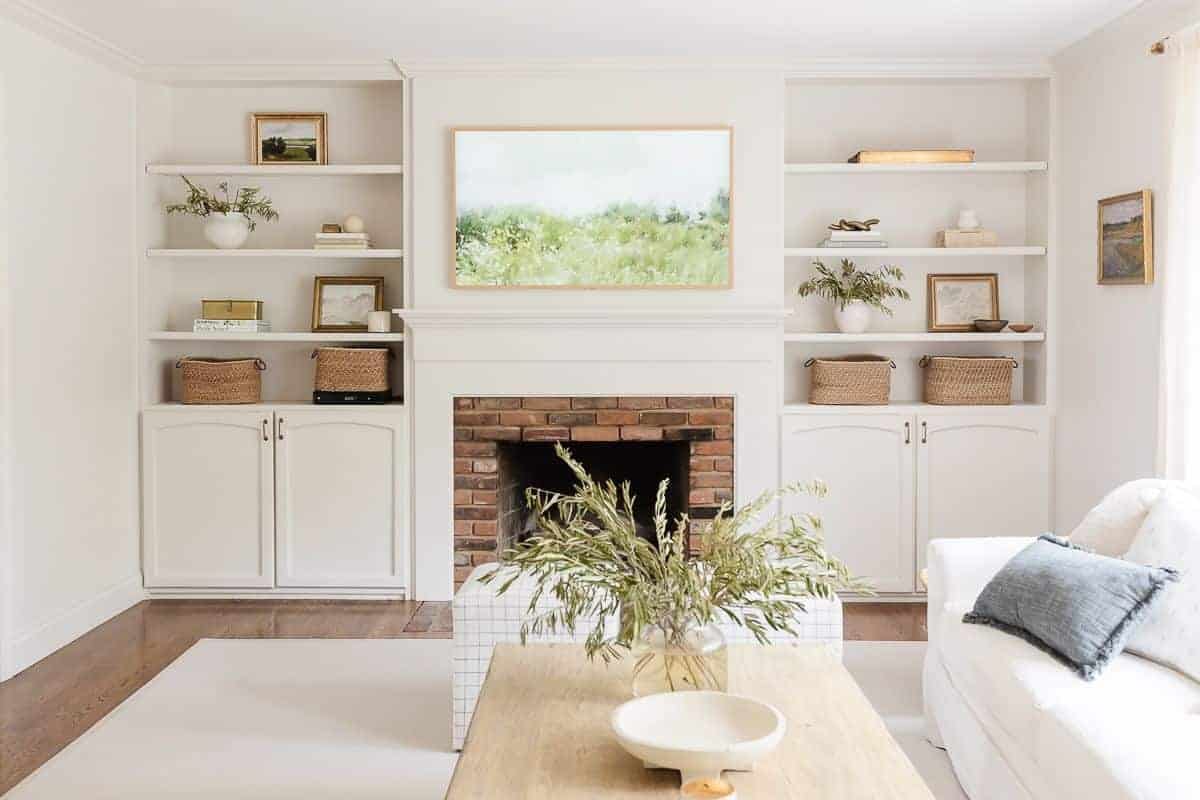 A stylish room without storage quickly becomes cluttered. Ignoring storage solutions is a mistake that leads to chaos. Built‑in shelves, baskets, or hidden compartments keep things tidy and functional.
Imagine a living room with books, toys, and cables scattered everywhere. Even the most beautiful sofa won’t save it. Storage is what makes style sustainable.
For clever tips, see Organizing Small Spaces Without Sacrificing Style.
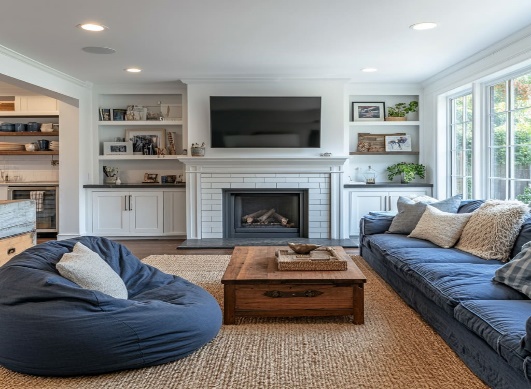
Step 5: Neglecting Comfort for Style
Design should never sacrifice comfort. Choosing chairs that look good but aren’t comfortable, or rugs that are too delicate for daily use, makes the room impractical.
A home isn’t a showroom — it’s a place to live. Comfort is what makes people want to stay.
For inspiration, check Small Room Design Hacks That Actually Work.
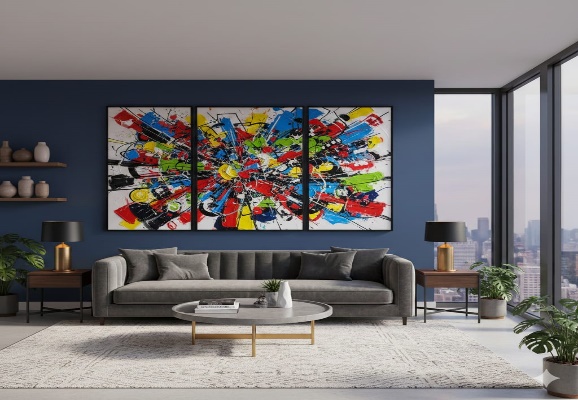 Step 6: Ignoring Focal Points
Rooms without a focal point feel scattered. Whether it’s a fireplace, a bold piece of art, or a statement rug, focal points anchor the design. Skipping this step leaves the eye wandering without direction.
For guidance, see How to Create a Focal Point in Any Room.
Step 7: Forgetting Texture and Pattern
A room with only smooth surfaces or plain fabrics can feel flat. Ignoring texture and pattern is a mistake that makes spaces dull. Layer textiles, rugs, and decor to add depth.
Think of a living room with a leather sofa, a wool rug, and linen cushions—the mix of textures makes it feel rich and inviting.
For ideas, see Mixing Textures and Patterns in Your Space.
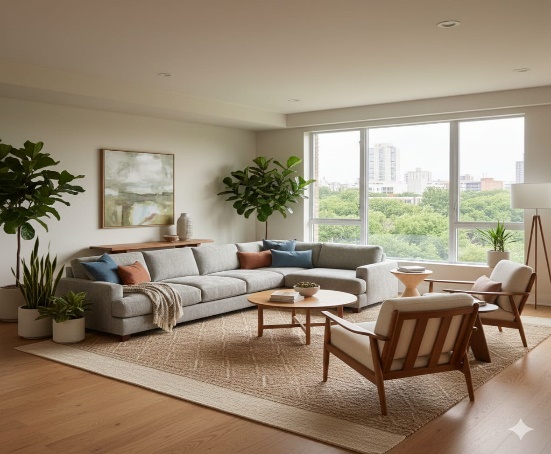
Step 8: Blocking Flow with Poor Layout
Placing furniture without considering movement is a mistake that disrupts flow. Always think about how people will walk through the room and arrange pieces accordingly.
A sofa blocking the doorway or a dining table too close to the kitchen counter makes everyday life harder. Layout should make living easier, not harder.
For guidance, see Room Design Mistakes to Avoid in Every Home.
Step 9: Ignoring Seasonal Updates
Rooms that never change can feel stale. Ignoring seasonal updates is a missed opportunity. Rotate cushions, throws, or decor to keep spaces fresh and connected to the time of year.
For inspiration, see Seasonal Decorating Ideas for Every Room.
Step 10: Forgetting Personal Touches
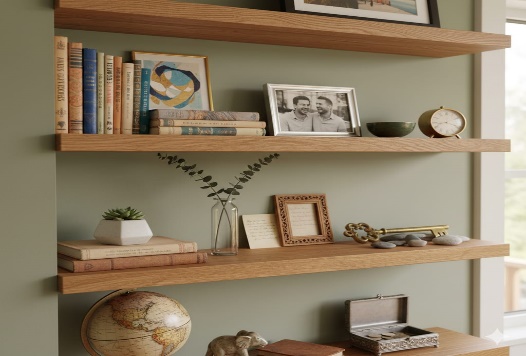 A room that looks perfect but lacks personality feels cold. Forgetting personal touches—photos, books, or meaningful decor — is a mistake that makes spaces less inviting.
Your home should tell your story. A framed photo, a favorite book on the shelf, or a piece of art you love makes the space yours.
For guidance, see Styling Open Shelves with Purpose.
Final Thoughts
Design mistakes happen, but they’re easy to avoid once you know what to look for. Overcrowding, ignoring light, choosing the wrong colors, or forgetting storage can all make a room less functional. By focusing on flow, comfort, focal points, and personal touches, you create spaces that feel balanced and welcoming.
The beauty of design is that it’s flexible. With awareness and creativity, you can correct mistakes and transform any room into a stylish, functional retreat. And remember—the best rooms aren’t just beautiful, they’re lived in. They tell your story, reflect your personality, and make you feel at home.