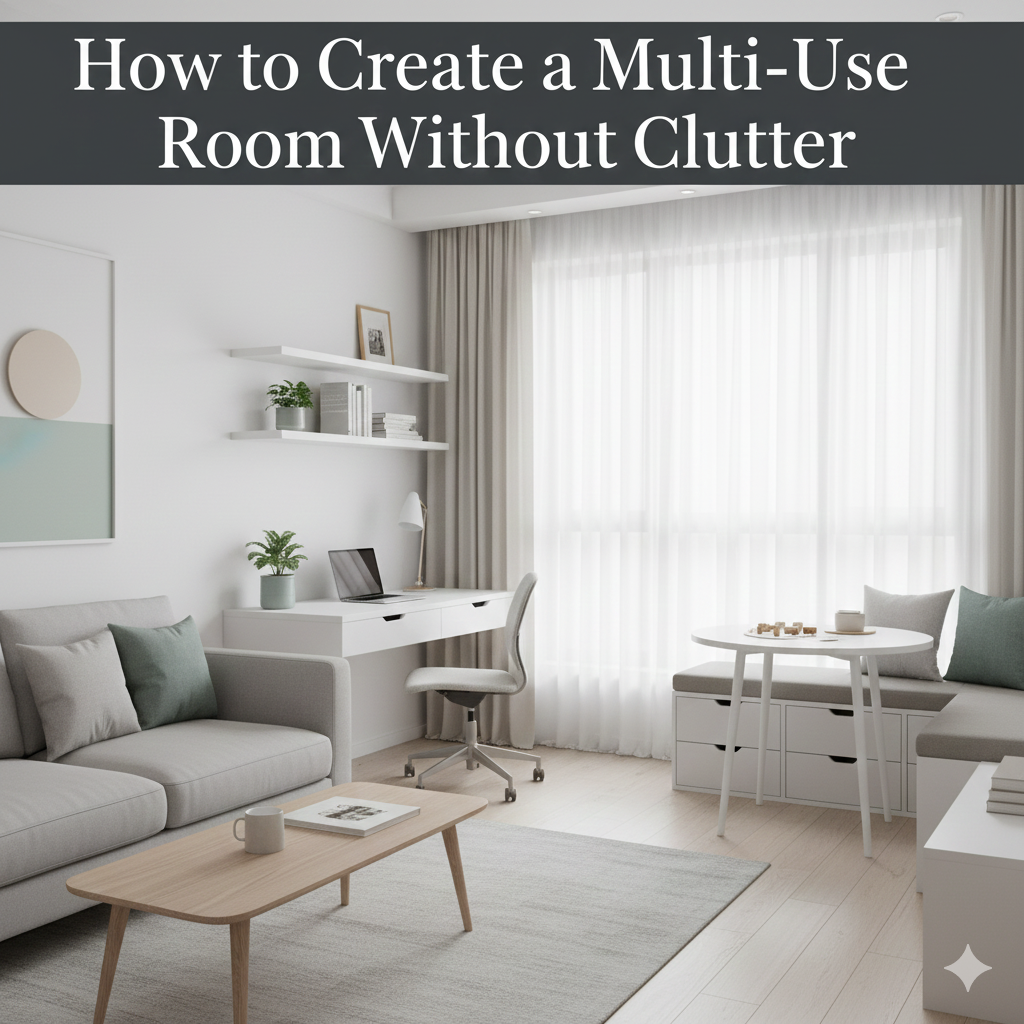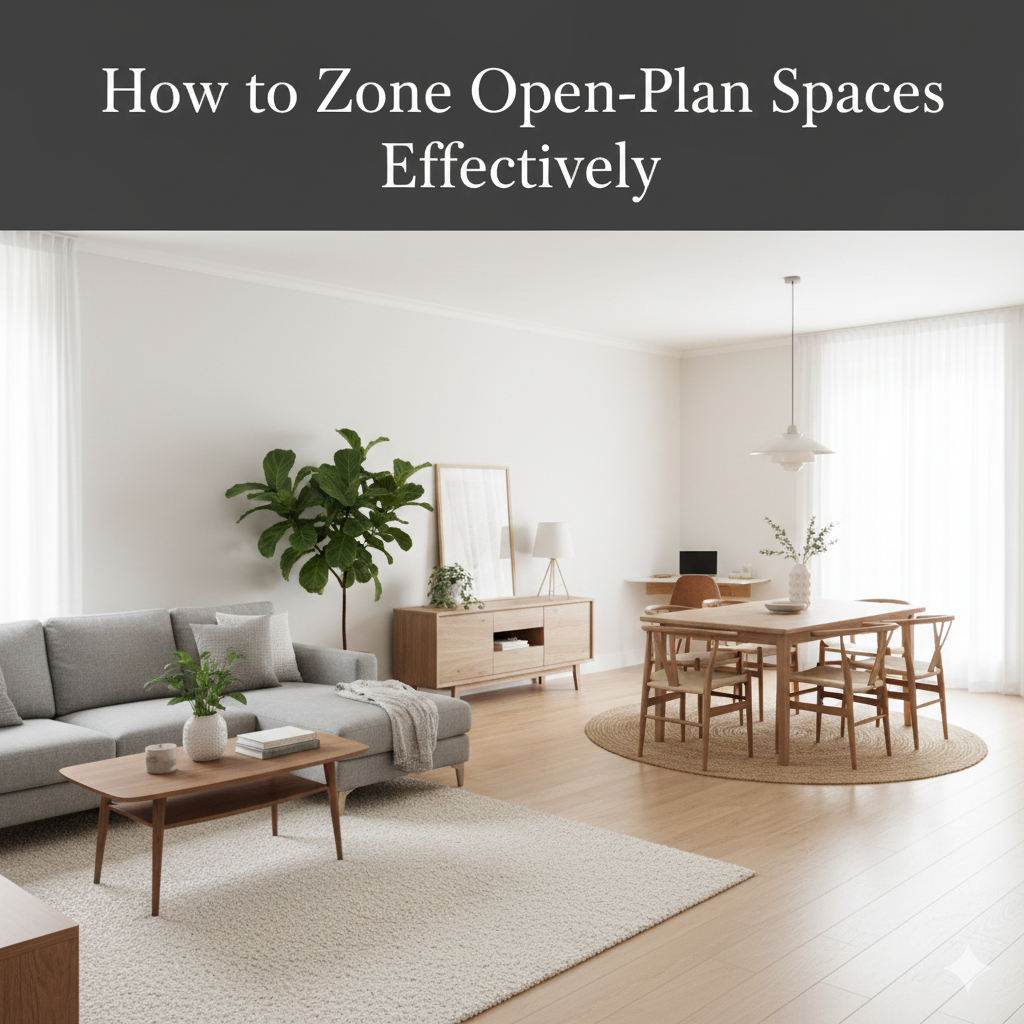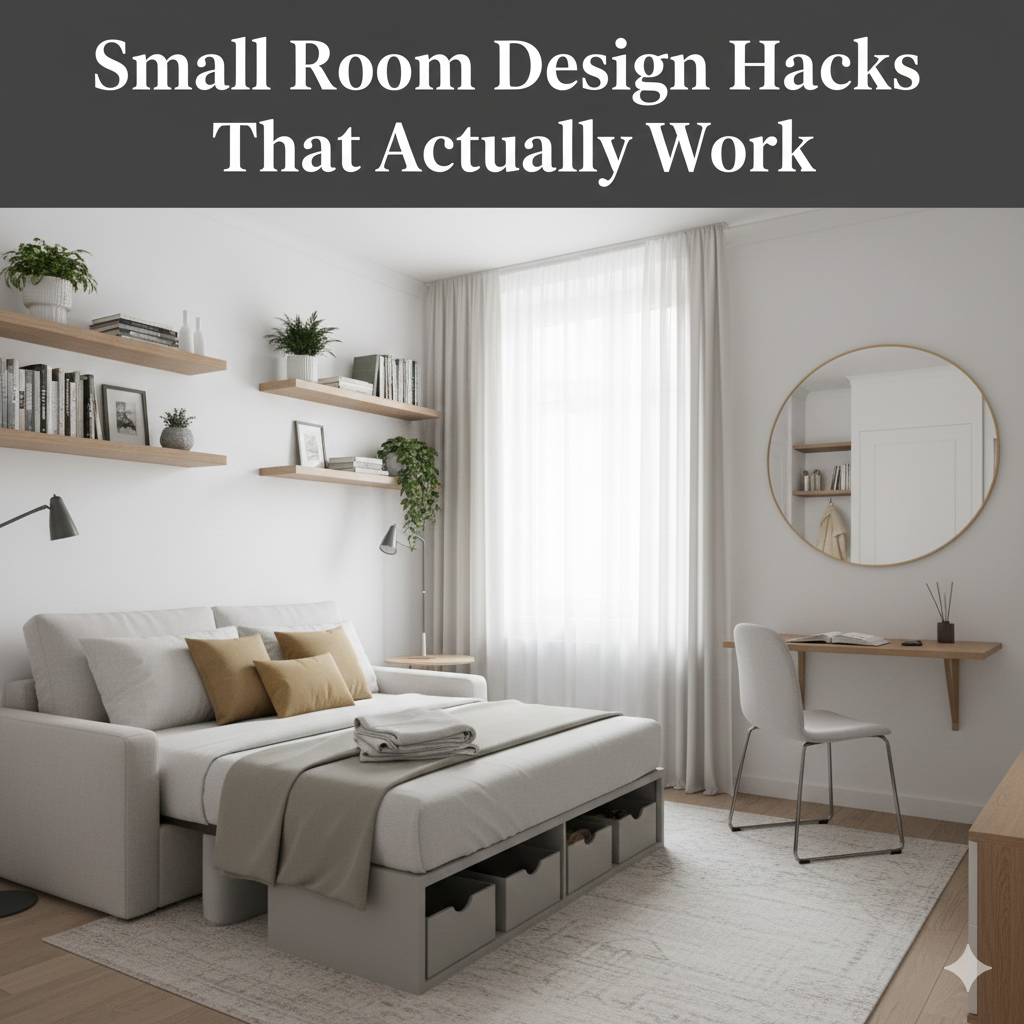
Small rooms can feel tricky to design. With limited square footage, every choice matters—from the furniture you pick to the colors you paint on the walls. But small doesn’t have to mean cramped. With the right hacks, you can make a compact room feel spacious, stylish, and functional. The secret is combining clever design tricks with practical solutions that actually work in everyday life.
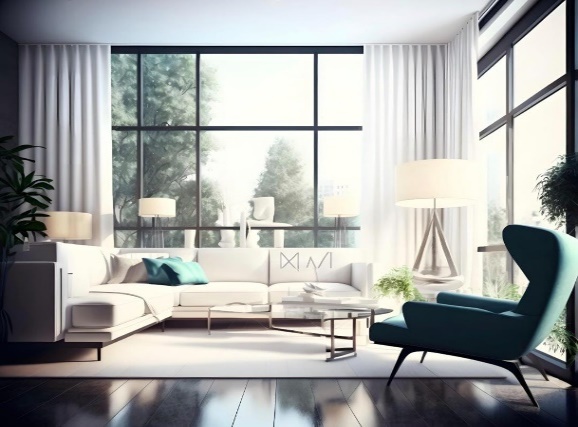 Step 1: Rethink the Layout
In small rooms, layout is everything. Push larger pieces like the bed or sofa against the wall to free up floor space. Keep pathways clear so the room feels open instead of crowded. Even shifting a chair or table a few inches can change how the space flows.
For guidance, see Rearranging Furniture for Better Flow.
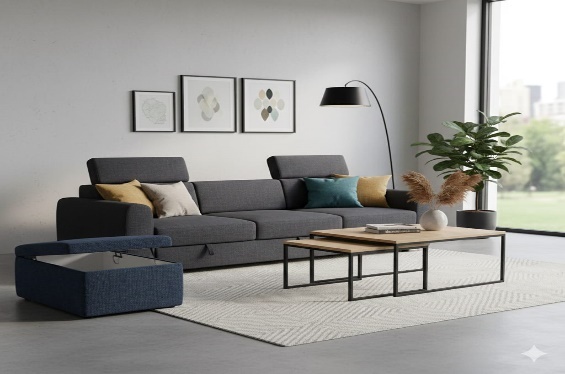 Step 2: Choose Multi‑Functional Furniture
Furniture that serves more than one purpose is a lifesaver in small spaces. A sofa bed doubles as seating and sleeping. Ottomans with hidden storage keep clutter out of sight. Fold‑out desks or nesting tables adapt to your needs without taking up permanent space.
For inspiration, check out DIY Kids’ Room Makeover Ideas.
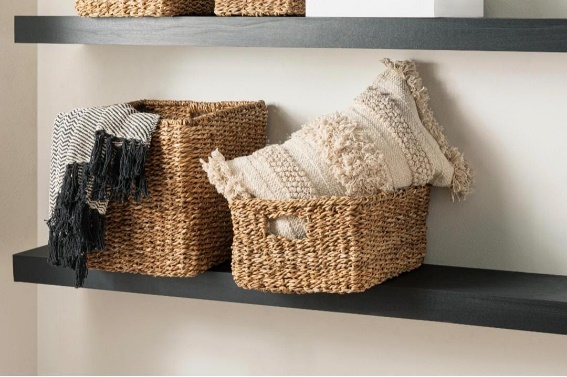 Step 3: Use Vertical Space
When floor space is limited, look up. Wall‑mounted shelves, tall bookcases, and hanging storage make use of vertical space. This keeps essentials organized while leaving the floor clear.
For clever tips, see Organizing Small Spaces Without Sacrificing Style.
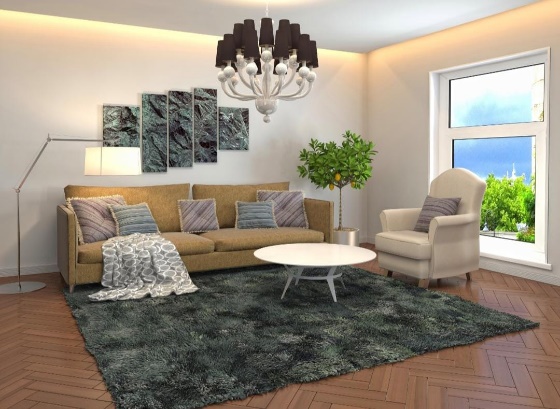 Step 4: Keep the Color Palette Light and Consistent
Colors can change how a room feels. Light shades like white, beige, or soft gray make walls recede, creating the illusion of more space. Add pops of color through cushions or art, but keep the base consistent to avoid visual clutter.
For ideas, see Choosing Color Palettes That Work.
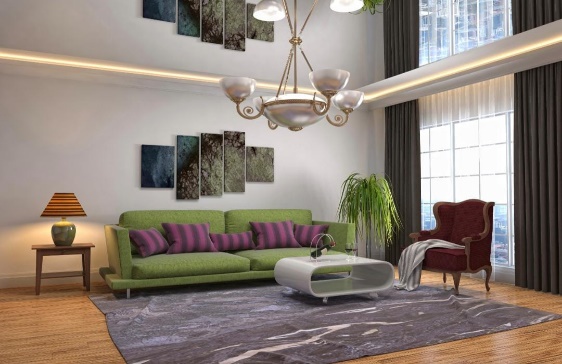 Step 5: Layer Lighting for Depth
Lighting can make or break a small room. Use a mix of overhead lights, floor lamps, and task lighting to create layers. This adds depth and prevents the space from feeling flat.
For inspiration, check out DIY Accent Lighting Ideas.
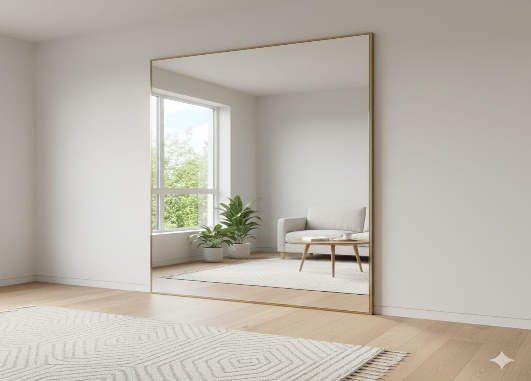 Step 6: Add Mirrors to Expand Space
Mirrors reflect light and create the illusion of depth. A large mirror opposite a window can make a tiny room feel twice as big. Even smaller decorative mirrors add brightness and openness.
For more ideas, see How to Use Mirrors to Expand Space and Light.
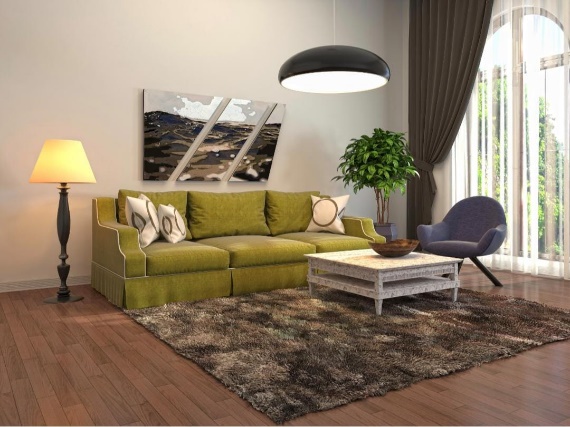 Step 7: Create a Focal Point
Even in small rooms, a focal point adds character. It could be a bold piece of art, a patterned rug, or a statement chair. A focal point draws the eye and makes the room feel intentional rather than cramped.
For guidance, see How to Create a Focal Point in Any Room.
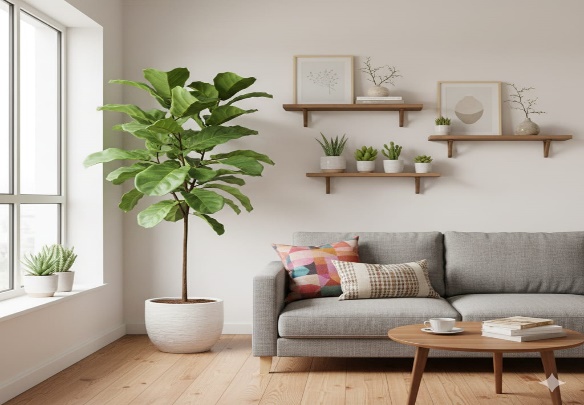
Step 8: Add Plants for Freshness
Plants bring life into small spaces. A tall plant in the corner or small succulents on shelves add greenery without overwhelming the room. They also improve air quality and soften hard edges.
For more ideas, check Decorating with Plants: Style + Air Quality.
Step 9: Rotate Accessories Seasonally
Small rooms benefit from change. Rotate cushions, throws, or wall art with the seasons. Fresh flowers in spring, warm tones in autumn—these updates keep the space lively without adding clutter.
For inspiration, see Seasonal Decorating Ideas for Every Room.
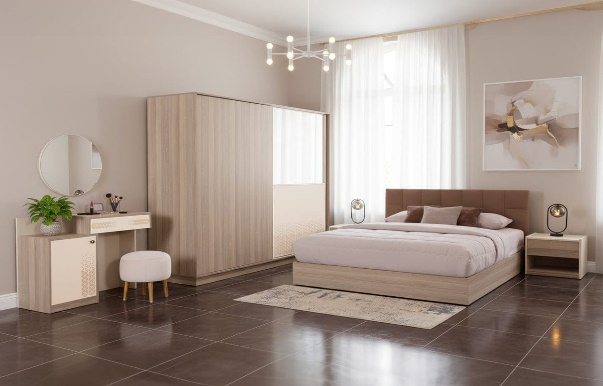
Step 10: Keep It Simple
The golden rule for small spaces: less is more. Avoid overcrowding with too many pieces or decorations. Choose only what you need, and keep surfaces clear. Simplicity ensures the room feels functional and stylish.
Final Thoughts
Small rooms don’t have to feel limiting. With smart hacks—from rethinking layouts and choosing multi‑functional furniture to using vertical space and mirrors—you can make even the tiniest room feel spacious and stylish. A consistent color palette, layered lighting, and seasonal updates add personality without clutter.
The beauty of these hacks is that they’re practical and affordable. You don’t need a huge budget or a professional designer. With creativity and thoughtful choices, you can transform a small room into a space that feels bigger, brighter, and more welcoming.