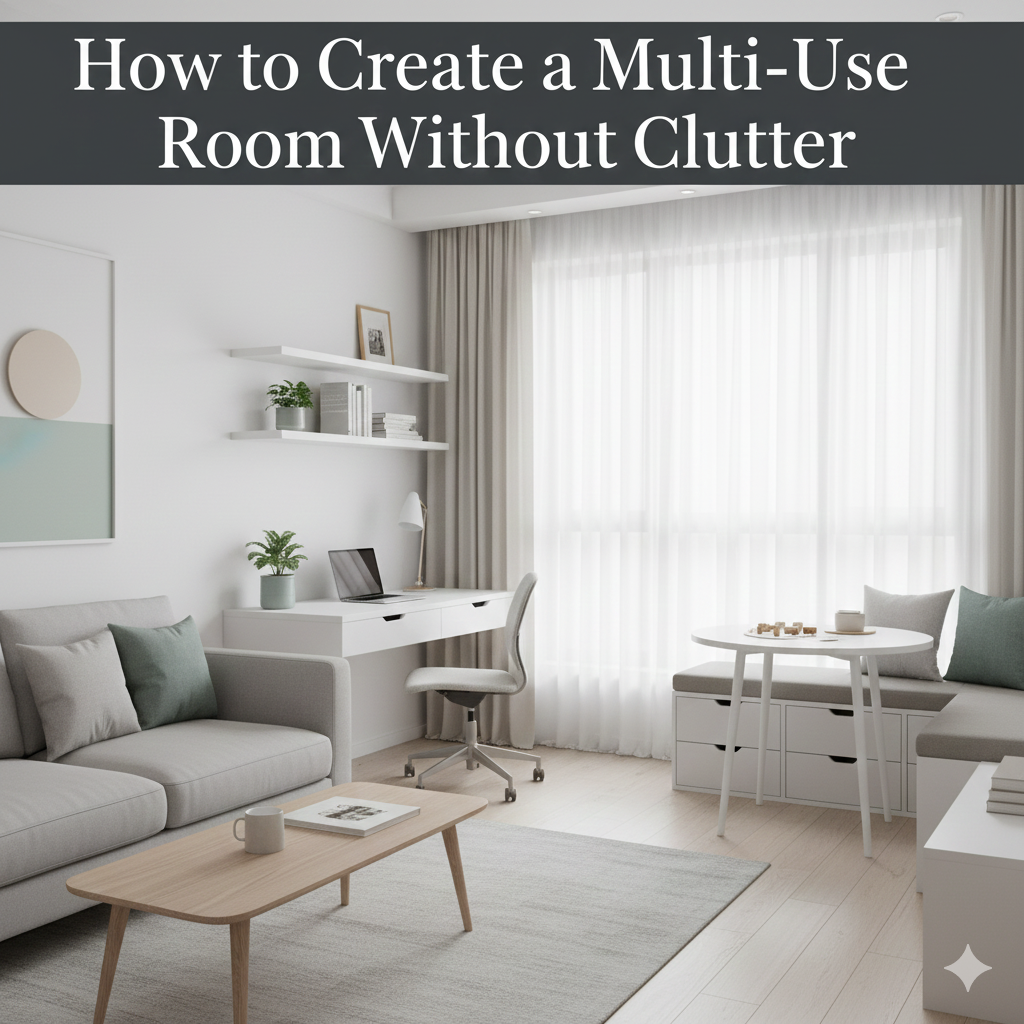
Multi‑use rooms are becoming a must in modern homes. With smaller apartments and families needing more flexibility, one room often has to serve multiple purposes: a guest bedroom, a home office, a playroom, or even a workout space. The challenge is keeping it functional without letting clutter take over. With smart design choices, you can create a room that adapts to different needs while still looking stylish and organized.
Step 1: Define Clear Zones
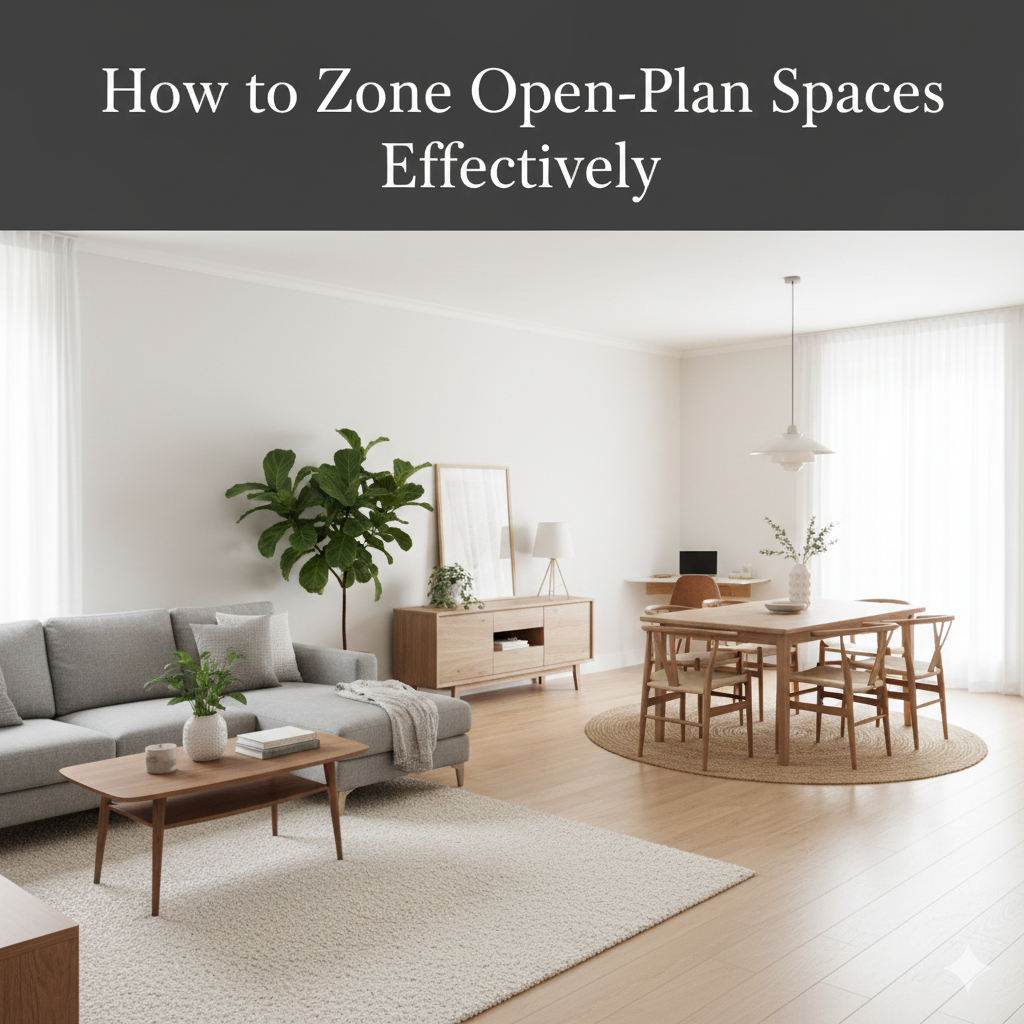
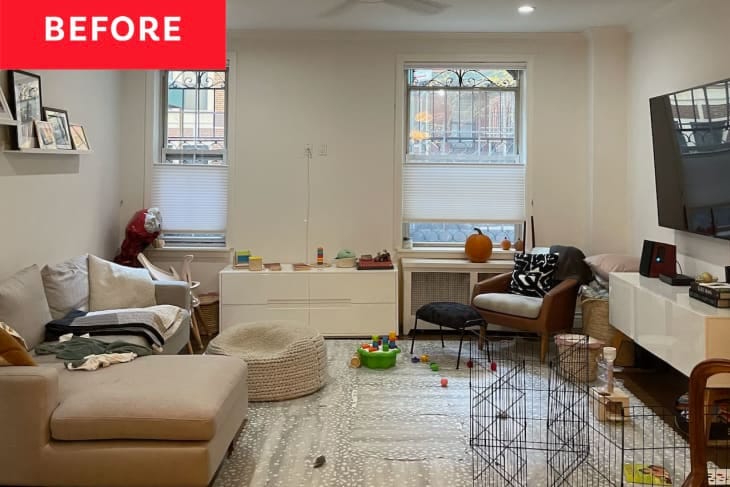 Think of the room as a map. Instead of letting furniture float randomly, divide the space into zones. A desk by the window becomes the work corner, a sofa bed defines the relaxation area, and shelves along the wall create storage. Rugs, lighting, or color accents can help each zone feel distinct.
For guidance, see How to Zone Open-Plan Spaces Effectively.
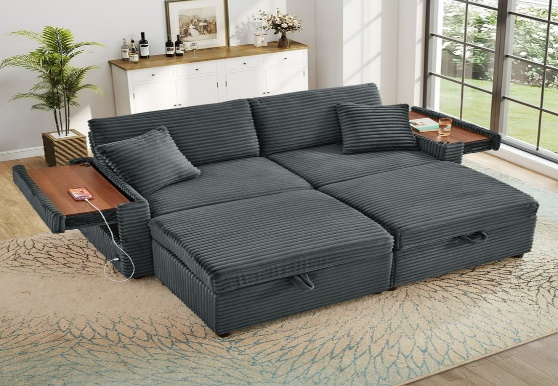 Step 2: Choose Flexible Furniture
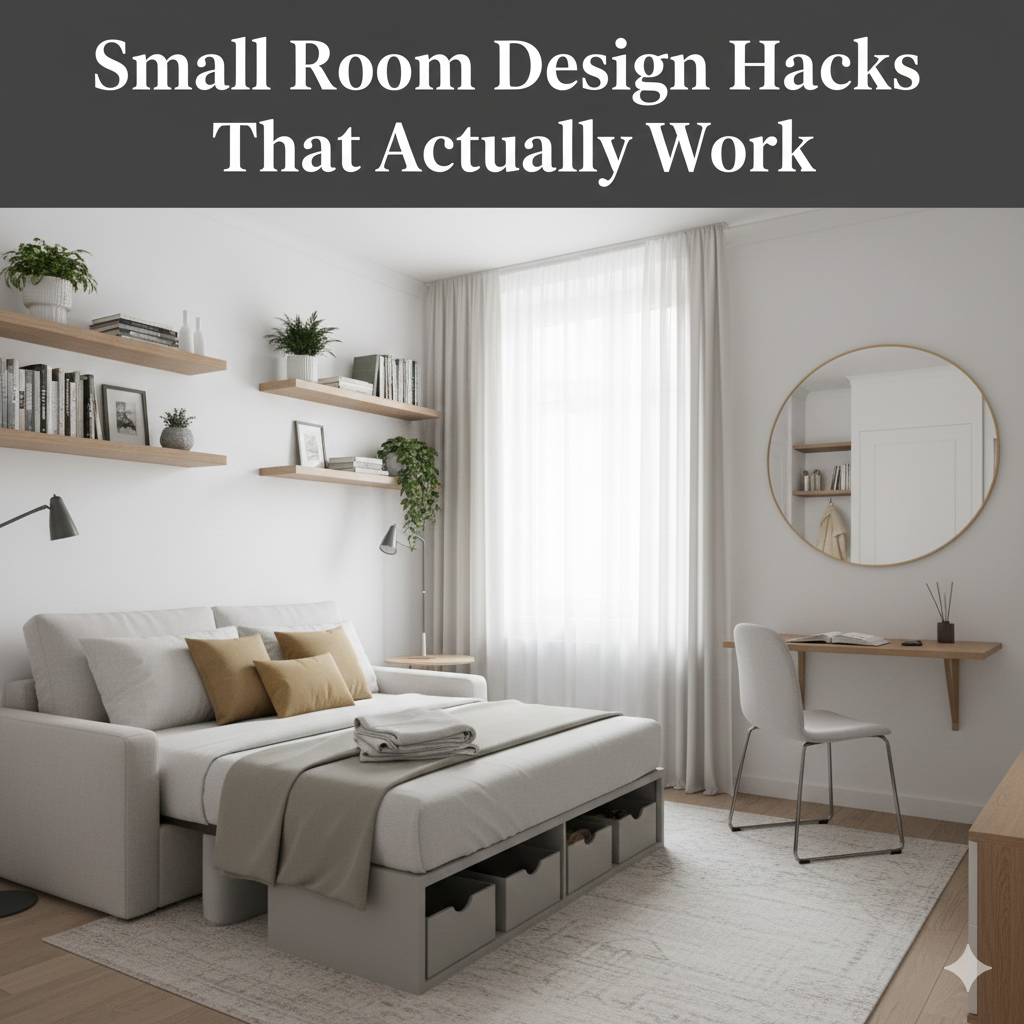
Multi‑use rooms thrive on furniture that works twice as hard. A sofa bed welcomes overnight guests but folds back into seating during the day. Nesting tables expand when needed and tuck away when not. Ottomans with hidden storage double as seating and clutter control.
For inspiration, check Small Room Design Hacks That Actually Work.
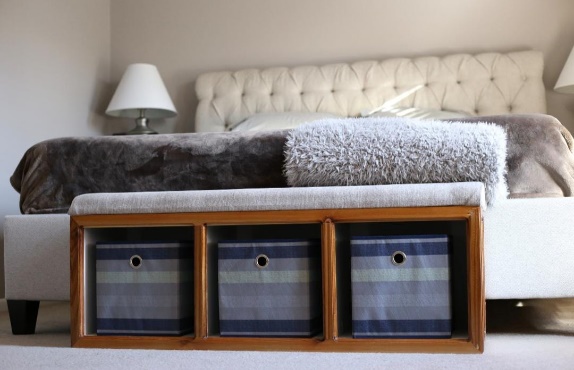 Step 3: Use Smart Storage Solutions
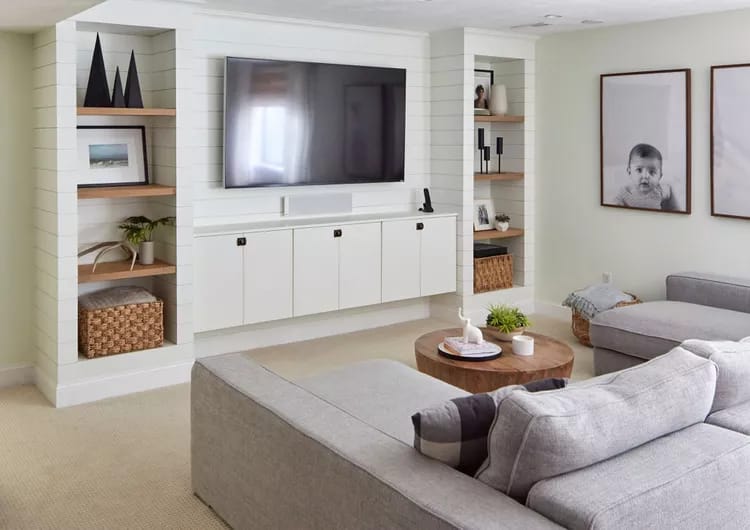
Clutter is the enemy of multi‑use spaces. Built‑in shelves, under‑bed drawers, and wall‑mounted cabinets keep essentials hidden but accessible. Vertical storage frees up floor space and makes the room feel larger.
For clever tips, see Organizing Small Spaces Without Sacrificing Style.
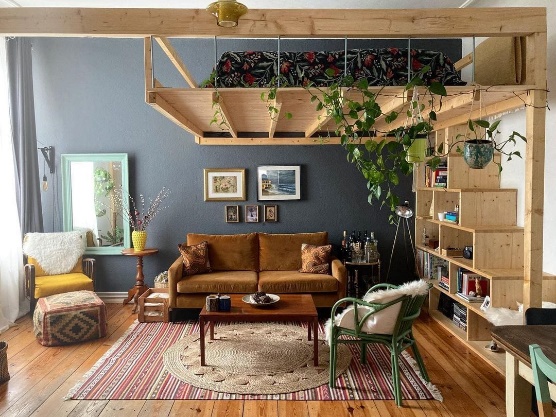 Step 4: Keep the Color Palette Consistent
A unified color scheme ties different zones together. Neutral bases with accent colors prevent chaos. Lighting also plays a role: task lamps for work, soft ambient lights for relaxation, and overhead fixtures for general use.
For ideas, see Choosing Color Palettes That Work. For inspiration, check out DIY Accent Lighting Ideas.
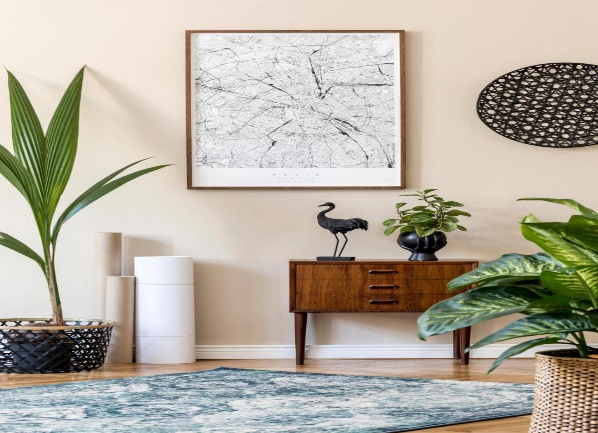
Step 5: Add Personality Without Overload
A multi‑use room shouldn’t feel bland. Add personality with decor that works across functions: a rug that defines a zone, wall art that adds character, or plants that bring freshness. The trick is balance—enough to feel welcoming, but not so much that the room feels crowded.
For guidance, see How to Create a Focal Point in Any Room.
Step 6: Rotate Accessories Seasonally
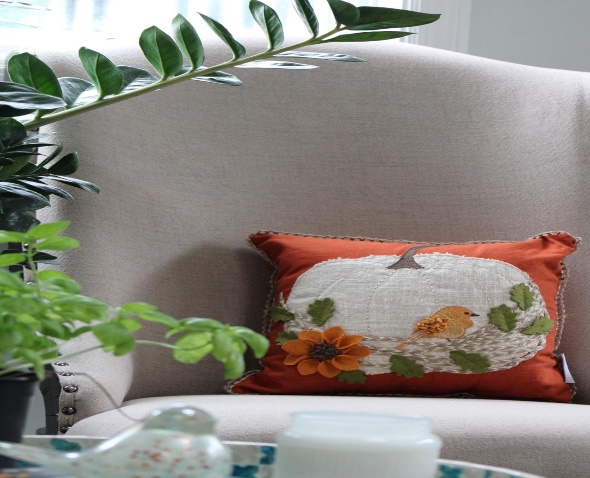 One of the easiest ways to keep a multi‑use room exciting is to rotate accessories with the seasons. Fresh flowers in spring, warm throws in autumn, and festive touches in winter—small updates keep the space alive without adding clutter.
For inspiration, see Seasonal Decorating Ideas for Every Room.
Step 7: Keep It Simple
The best multi‑use rooms aren’t overloaded. Choose only what you need, and keep surfaces clear. Simplicity ensures the room feels functional and stylish.
Final Thoughts
A multi‑use room should feel like a solution, not a compromise. By defining zones, choosing flexible furniture, and keeping storage smart, you can design a space that adapts gracefully to different needs. Add personality with decor and plants, refresh it seasonally, and keep clutter under control.
The result? A room that works hard, looks stylish, and feels welcoming—no matter how many roles it plays.