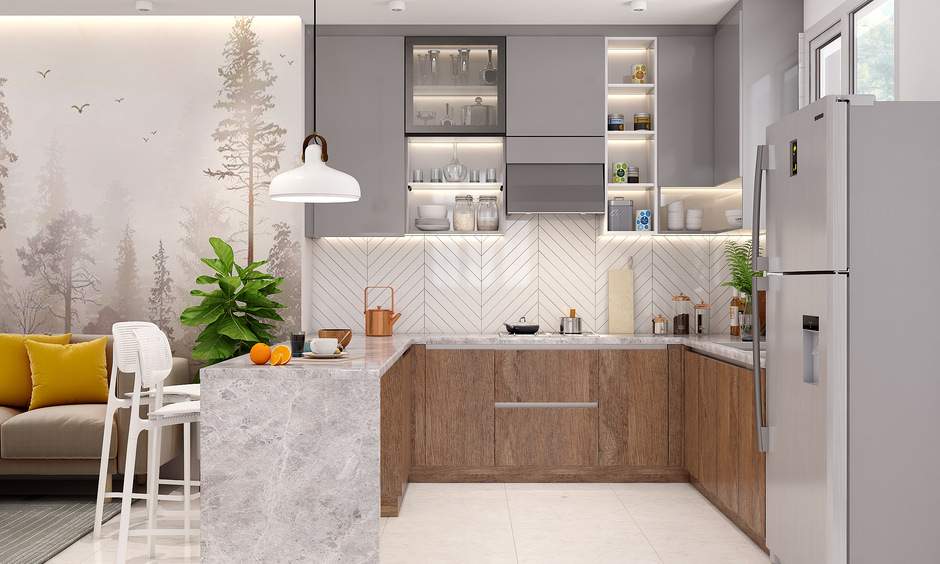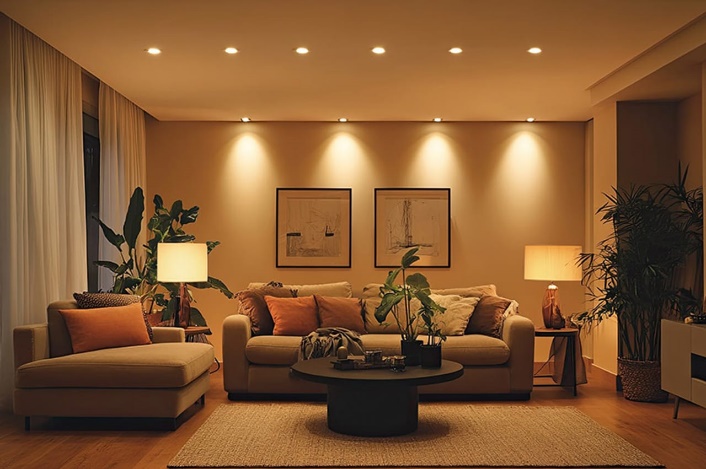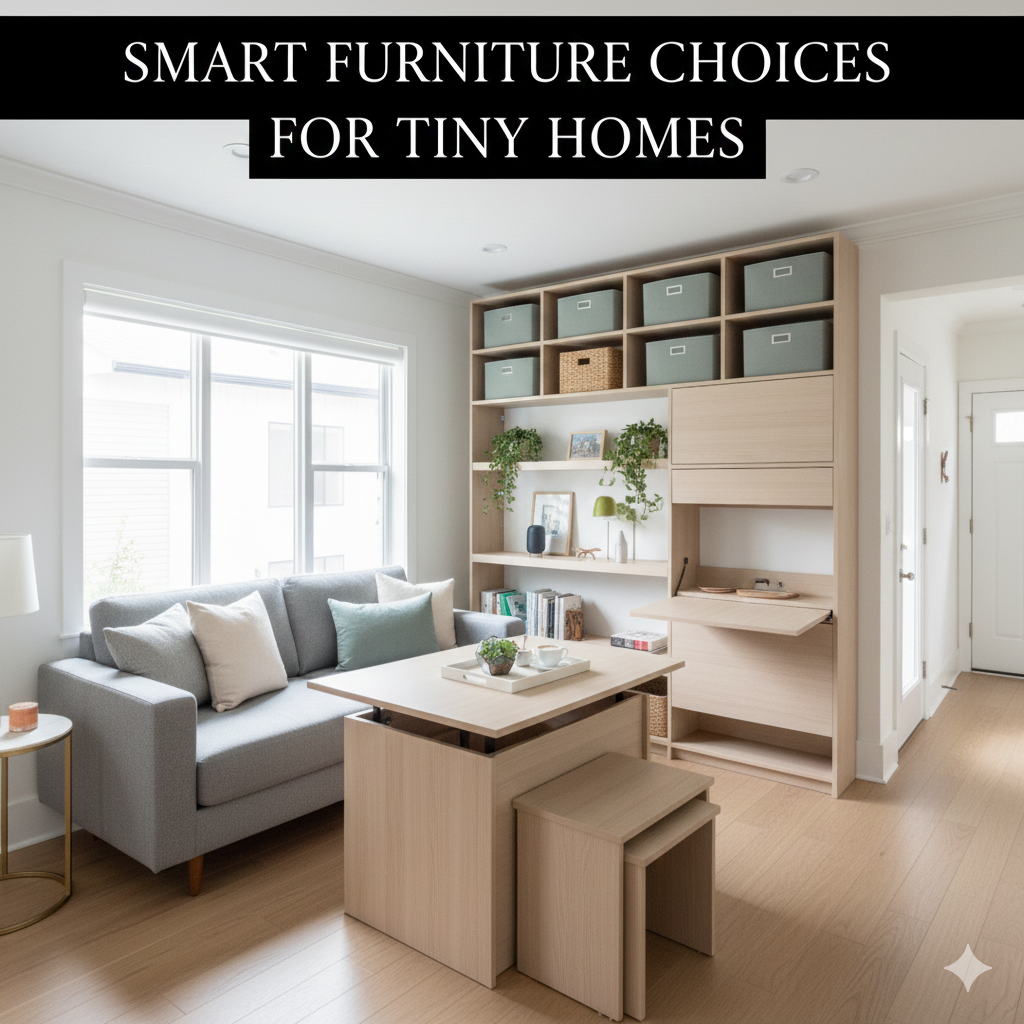
Tiny homes are proof that less can be more. With limited square footage, every piece of furniture has to earn its place. Smart furniture choices make small spaces functional, stylish, and surprisingly spacious. The secret is versatility: pieces that serve multiple purposes, fold away when not needed, or maximize vertical space. Done right, tiny homes feel cozy, efficient, and full of personality.
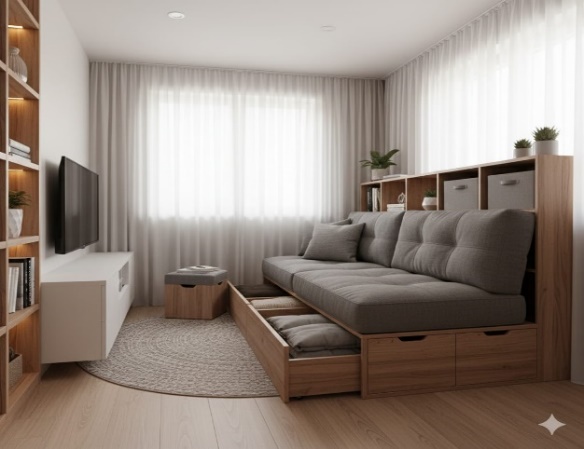
Step 1: Multi‑Functional Sofas
A sofa that doubles as a bed or has hidden storage is a must in tiny homes. It saves space while offering comfort for both lounging and sleeping.
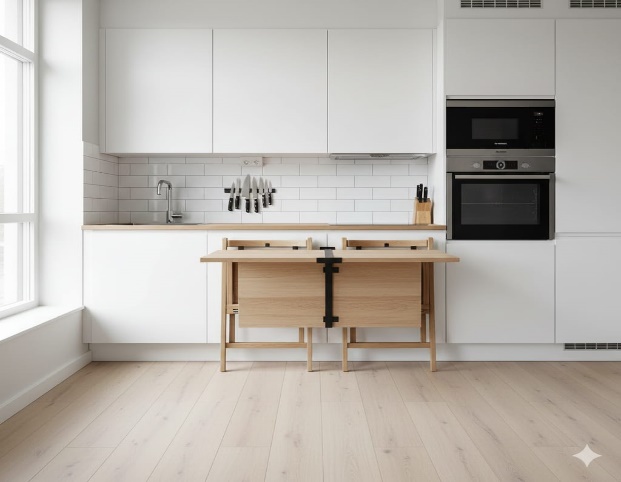 Step 2: Fold-Out Dining Tables
Instead of a bulky dining table, opt for fold‑out or wall‑mounted versions. They provide a full dining surface when needed and tuck away neatly when not in use.
For inspiration, check Small Room Design Hacks That Actually Work.

Step 3: Nesting and Stackable Furniture
Nesting tables, stackable chairs, and modular stools are perfect for tiny homes. They expand when needed and store compactly when not.
For guidance, see DIY Decor Projects That Make a Big Impact.
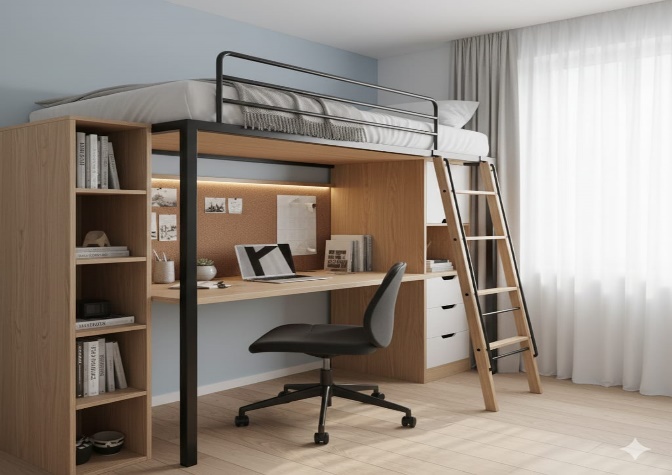 Step 4: Lofted Beds with Storage
Lofted or raised beds free up valuable floor space. Use the area underneath for desks, wardrobes, or cozy seating. It’s a smart way to double functionality.
For inspiration, check Bedroom Layouts That Maximize Space and Style.
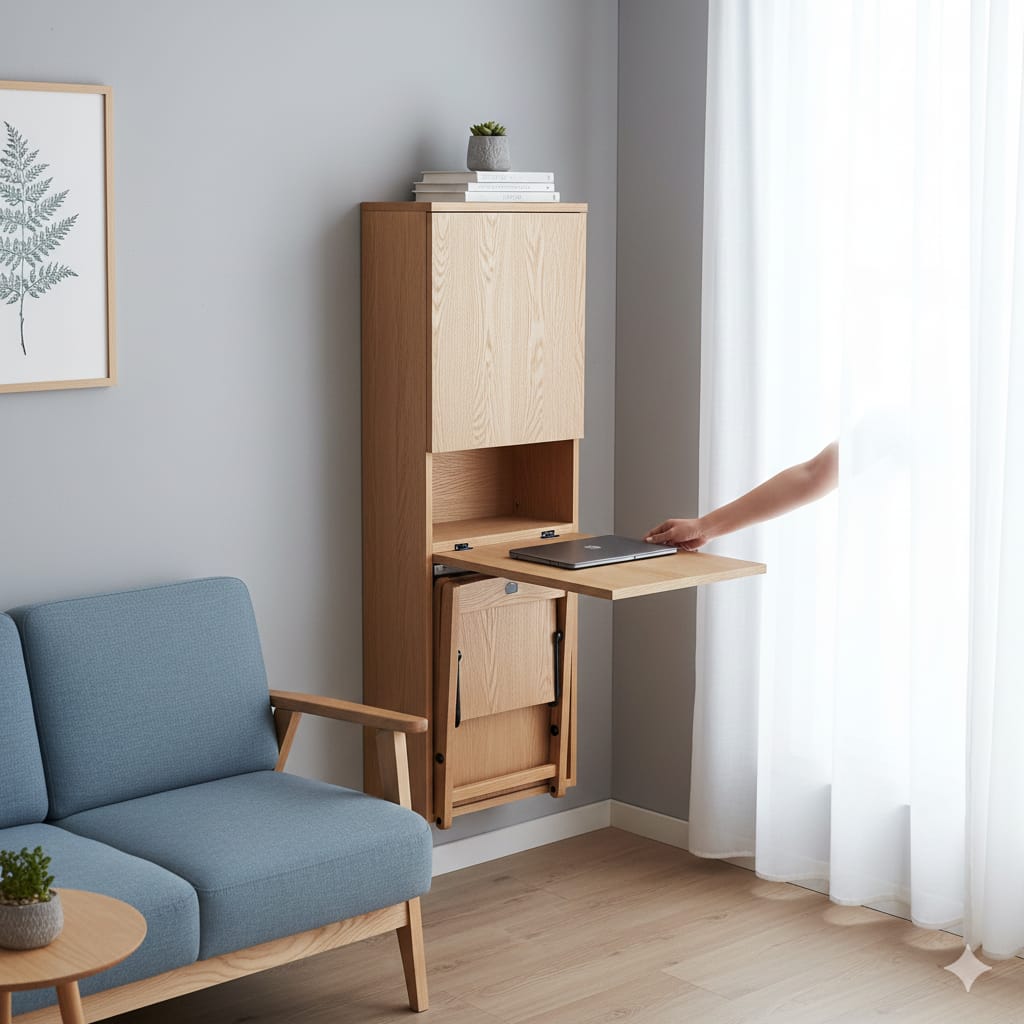
Step 5: Convertible Desks
Workspaces are essential, even in tiny homes. A convertible desk that folds into the wall or doubles as a console keeps the home uncluttered while supporting productivity.
For guidance, see Designing a Productive Home Office Setup.
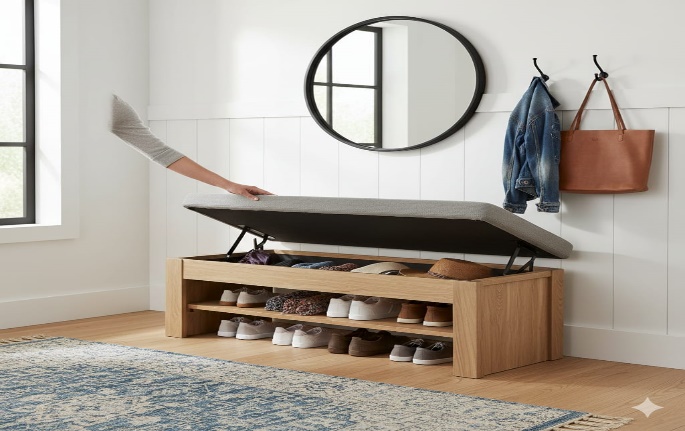
Step 6: Storage Ottomans and Benches
Ottomans and benches with hidden storage provide seating and organization. They’re perfect for shoes, blankets, or seasonal items.
For inspiration, check out Organizing Small Spaces Without Sacrificing Style.
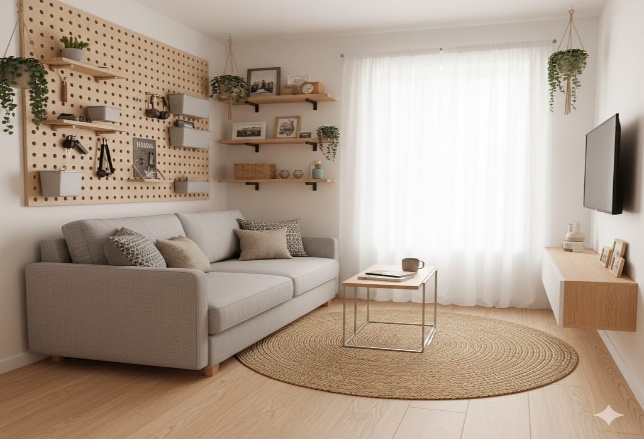 Step 7: Wall‑Mounted Shelving
Vertical storage is key in tiny homes. Wall‑mounted shelves, floating cabinets, and pegboards keep essentials organized while freeing up floor space.
For guidance, see Styling Open Shelves with Purpose.
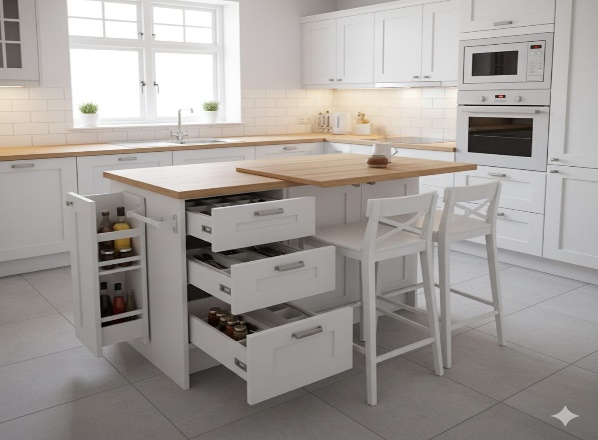
Step 8: Expandable Kitchen Islands
Compact kitchens benefit from expandable islands. They provide prep space, storage, and even seating. When not needed, they fold or slide away.
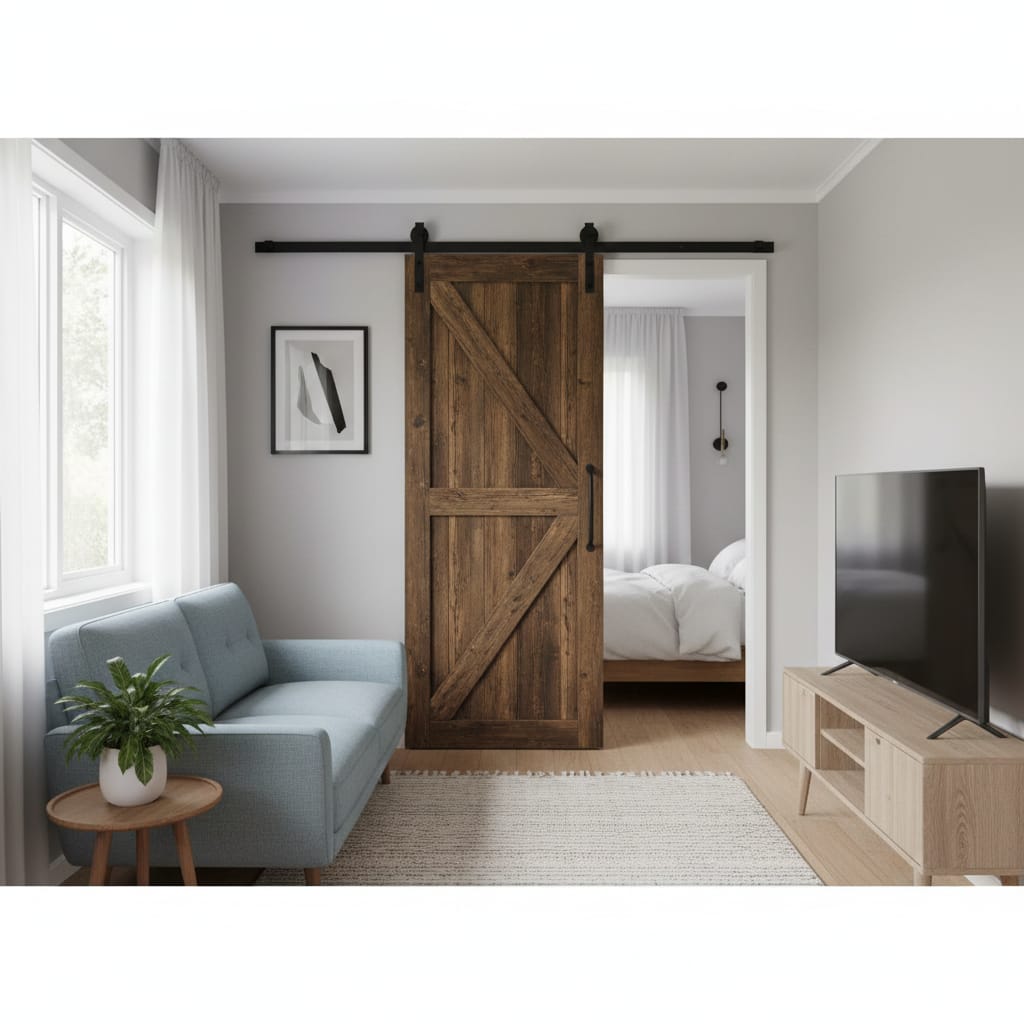
Step 9: Sliding Doors
Traditional doors take up space. Sliding or pocket doors save room and add a sleek, modern touch. They’re especially useful for bathrooms and closets in tiny homes.
For guidance, see Room Design Mistakes to Avoid in Every Home.
 Step 10: Modular Furniture Systems
Modular furniture adapts to changing needs. A sofa that reconfigures into chairs, or shelving that expands, keeps tiny homes flexible and future‑proof.
For inspiration, check out How to Create a Focal Point in Any Room.
Final Thoughts
Smart furniture choices transform tiny homes from cramped to comfortable. Multi‑functional sofas, fold‑out tables, lofted beds, and modular systems maximize space while keeping interiors stylish. The key is versatility — pieces that adapt, store, and serve multiple purposes.
The beauty of tiny home living is its simplicity. With clever furniture, you don’t just save space—you create a home that feels intentional, cozy, and uniquely yours.