 Designing a Productive Home Office Setup
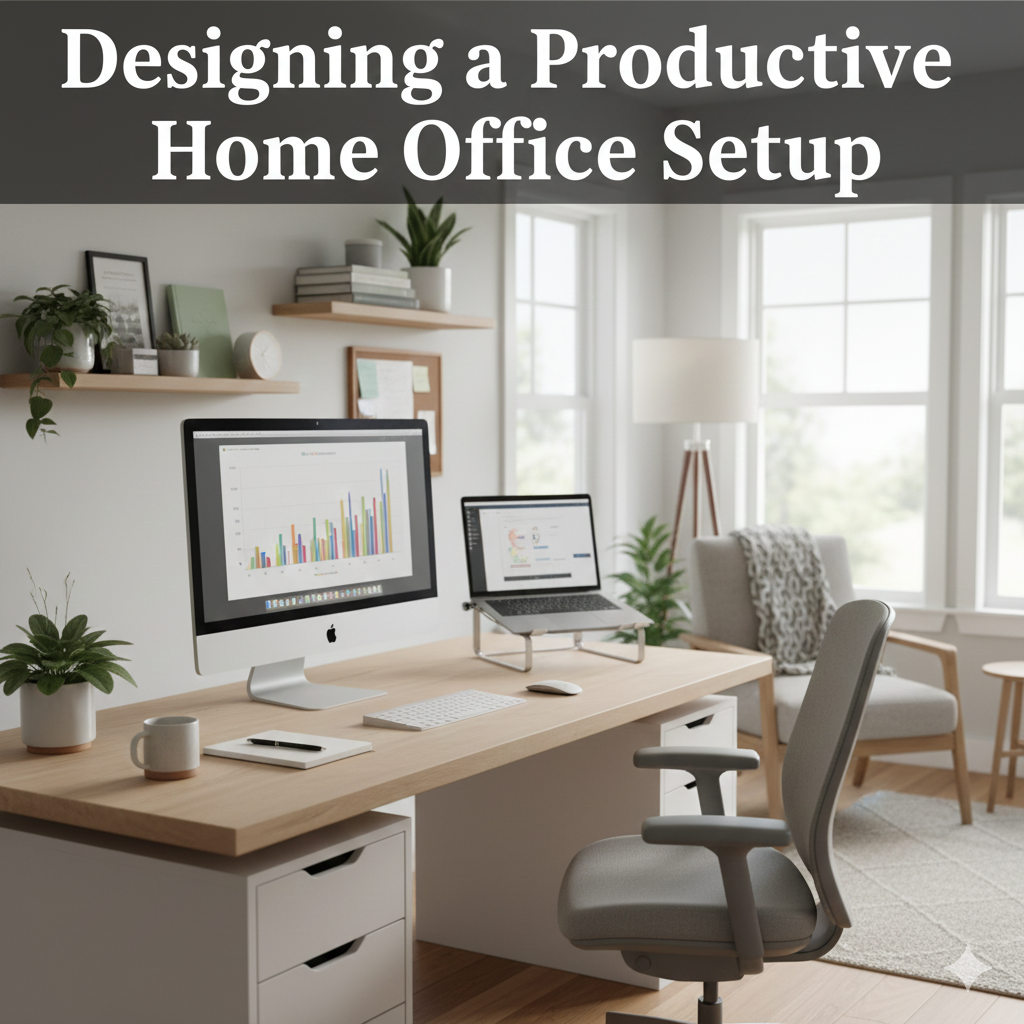
Working from home has become the new normal for many people, but turning a corner of your house into a productive office isn’t always easy. The right setup can boost focus, reduce stress, and make long hours feel more manageable. The trick is to design a space that balances function with comfort—a place where you can get things done without feeling trapped.
 Step 1: Choose the Right Spot
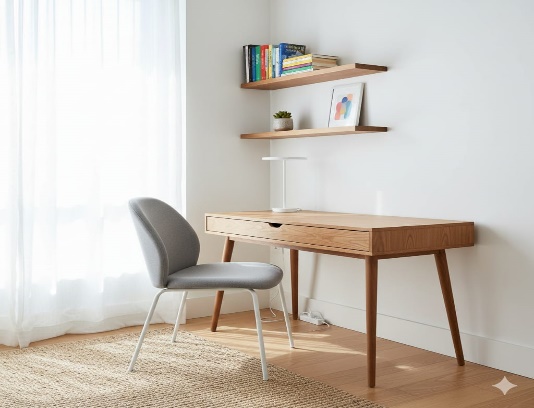
Your home office should be separate from distractions. A quiet corner, a spare bedroom, or even a section of the living room can work. What matters most is that it feels like a dedicated workspace.
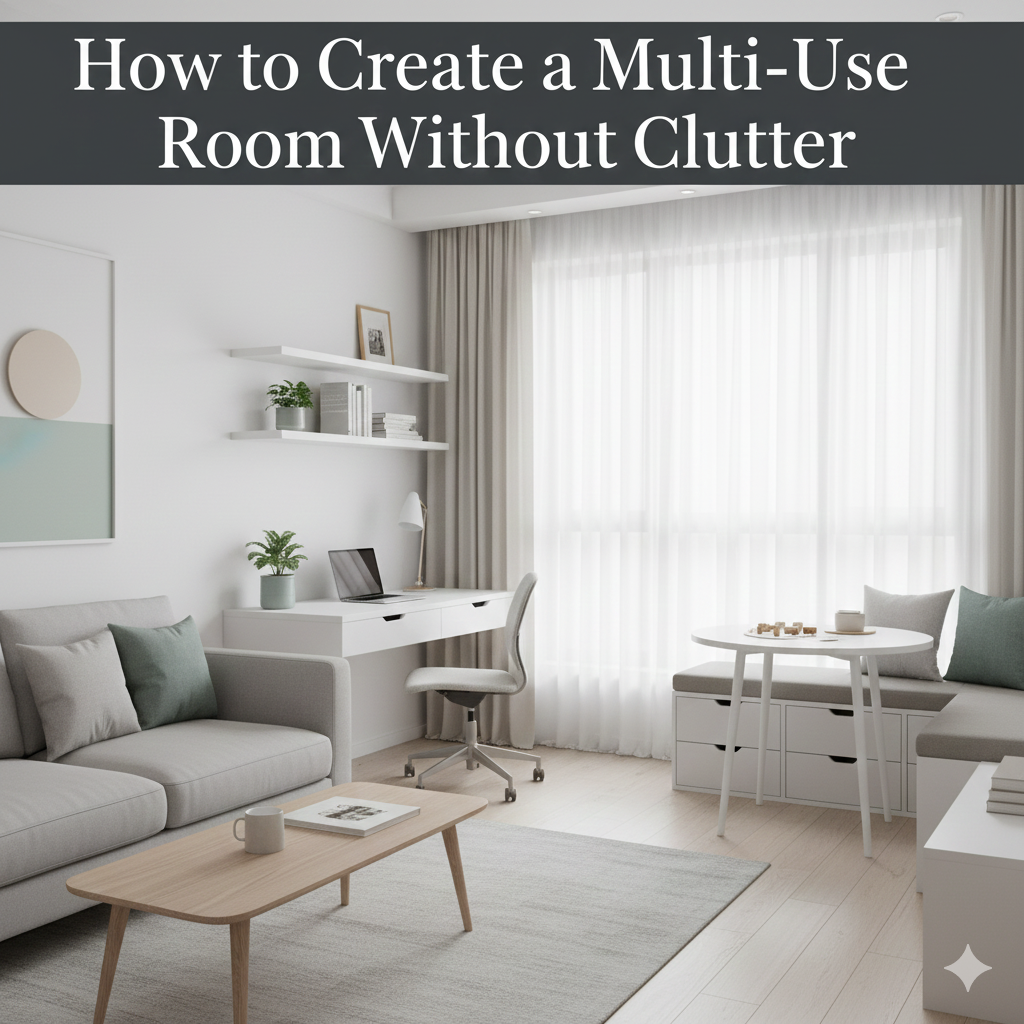
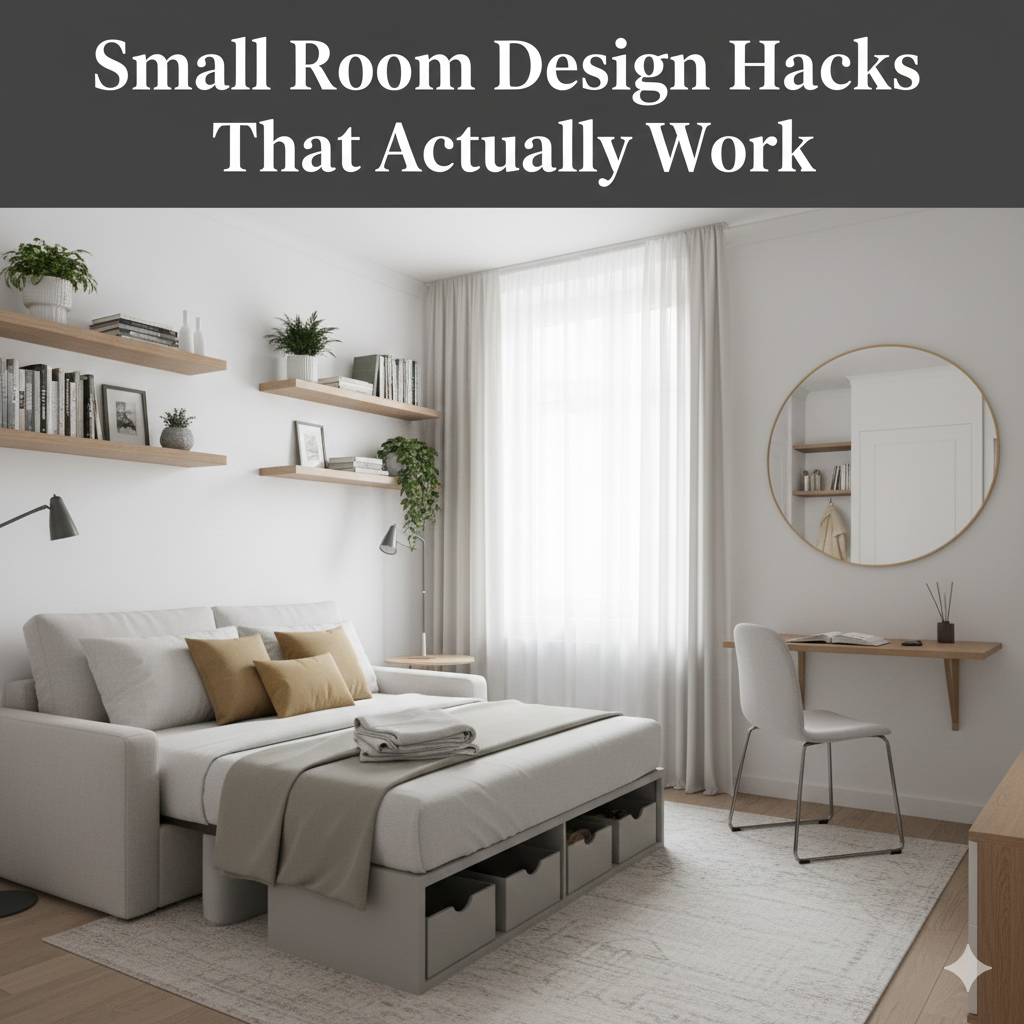
For inspiration, check Small Room Design Hacks That Actually Work.
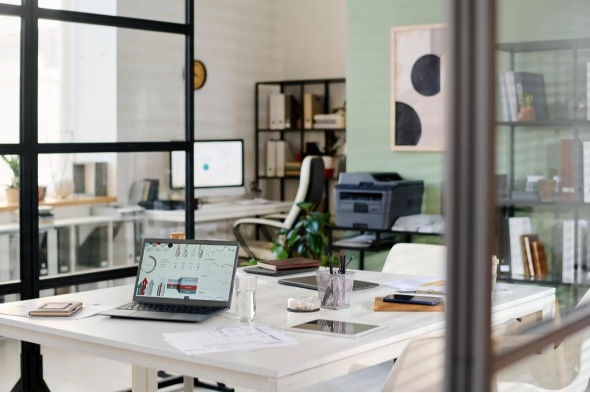 Step 2: Plan the Layout for Flow
Arrange furniture so movement feels natural. Keep the desk near a window if possible, and place storage within easy reach. A clear layout reduces clutter and helps you stay focused.
For guidance, see Rearranging Furniture for Better Flow.
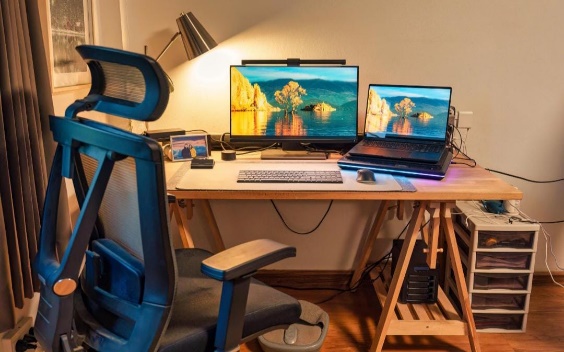 Step 3: Invest in Ergonomic Furniture
Comfort matters. A supportive chair and a desk at the right height prevent fatigue and back pain. Think of furniture as an investment in your health.
Step 4: Choose a Productive Color Palette
Colors affect mood. Soft neutrals like beige or
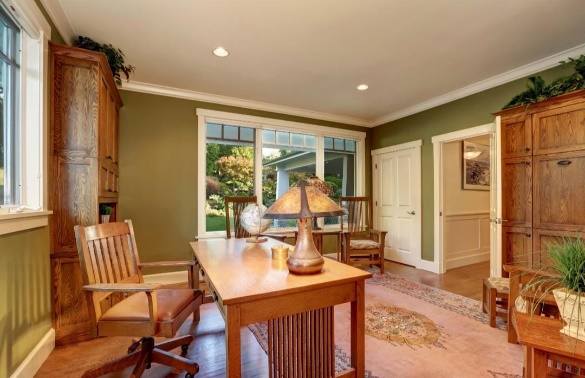
Gray creates calm, while accents in blue or green encourage focus. Avoid overly bright tones that can feel distracting.
For ideas, see Choosing Color Palettes That Work.
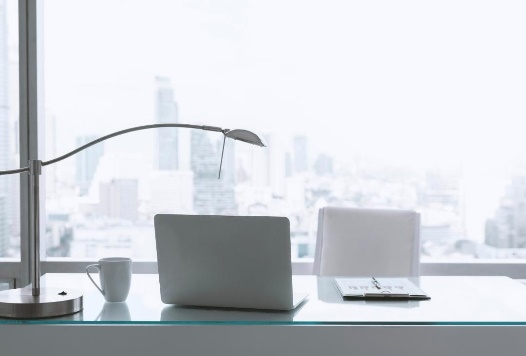 Step 5: Layer Lighting for Focus
Good lighting prevents eye strain. Combine natural light with task lighting like desk lamps, and add ambient lighting for evenings.
For inspiration, check out DIY Accent Lighting Ideas.
Step 6: Keep Storage Simple and Accessible
Use shelves, drawers, and baskets to keep papers and supplies organized. A tidy office m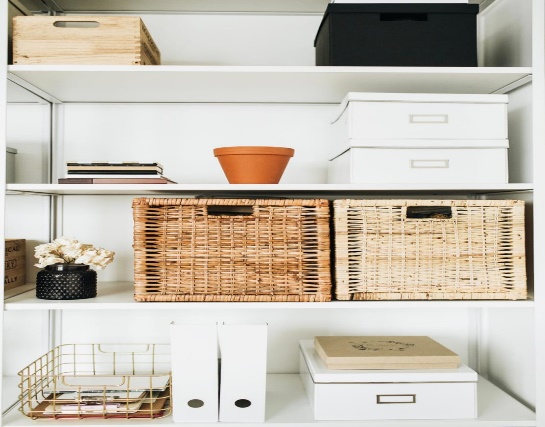 akes it easier to concentrate.
For clever tips, see Organizing Small Spaces Without Sacrificing Style.
Step 7: Add Plants for Freshness
Plants improve air quality and add life to the room. A small succulent on the desk or a tall plant in the corner makes the office feel less sterile.
Step 8: Personalize with Decor
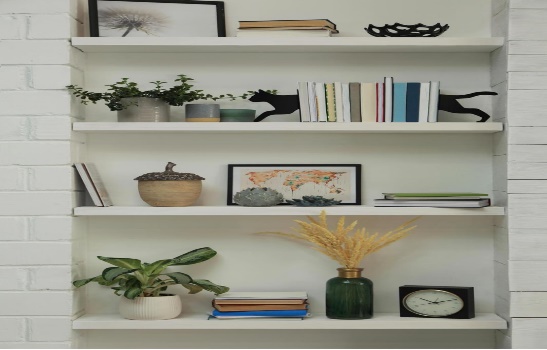
Add framed photos, artwork, or a motivational quote.
Personal touches make the office feel inviting and
remind you that it’s your space.
For inspiration, see Styling Open Shelves with Purpose.
Step 9: Use Seasonal Updates
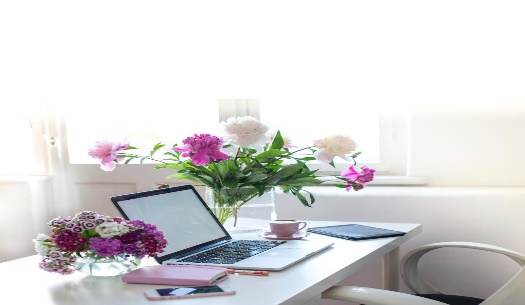
Rotate cushions, desk accessories, or wall art with the seasons. Small changes keep the office feeling fresh and prevent monotony.
For ideas, check Seasonal Decorating Ideas for Every Room.
Step 10: Keep It Easy to Maintain
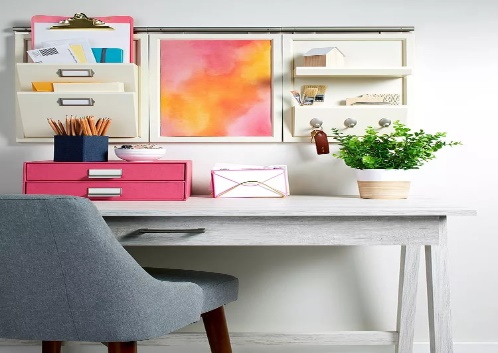
A productive office only works if it stays organized.
Clear surfaces daily, file papers weekly, and refresh decor
occasionally. Maintenance ensures the space remains functional and inspiring.
Final Thoughts
Designing a productive home office setup isn’t about expensive furniture or complicated layouts. It’s about creating a space that supports your work and feels comfortable to spend time in. With smart layouts, ergonomic furniture, thoughtful lighting, and personal touches, you can build an office that boosts focus and reduces stress.
The beauty of a DIY home office is that it adapts to your lifestyle. Whether you’re working full‑time from home or just need a corner for occasional projects, the right setup makes all the difference. A well‑designed office isn’t just a place to work—it’s a space that helps you succeed.