New to painting? This guide breaks down the best brushes and rollers for beginners—whether you’re tackling walls, furniture, or craft projects. No streaks, no stress.
Why Your Paint Tools Matter
Paint can transform a space—but only if the tools cooperate. Streaks, drips, uneven coverage… Most of the time, it’s not the paint. It’s the brush or roller.
For beginners, choosing the right tool can make the difference between “I’ll never paint again” and “That turned out better than I expected.” This guide keeps it simple: what to buy, what to
Step 1: Start with Synthetic Brushes
Synthetic bristles (usually nylon or polyester) are beginner-friendly. They hold paint well, clean up easily, and work with most types of paint—especially water-based.
Best for: 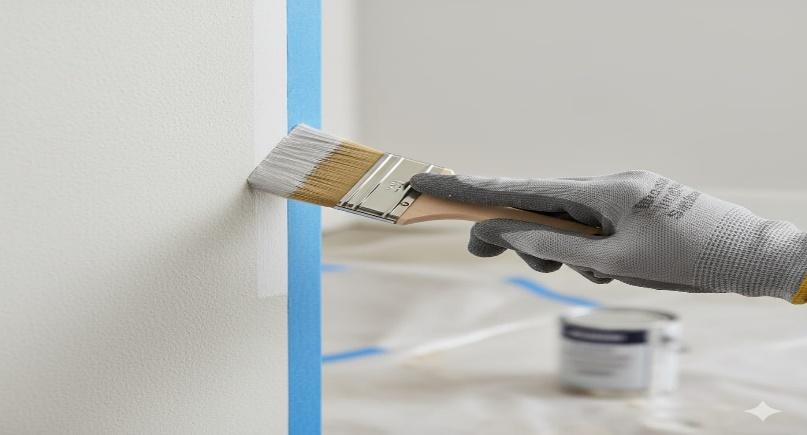
- Cutting in edges
- Painting furniture or trim
- Small touch-ups
Real moment: One reader tried a cheap natural-bristle brush and ended up with loose hairs stuck in her wall paint. Switched to synthetic—no shedding, no drama. DIY Entryway Organization Ideas
Step 2: Use Foam Brushes for Small Projects 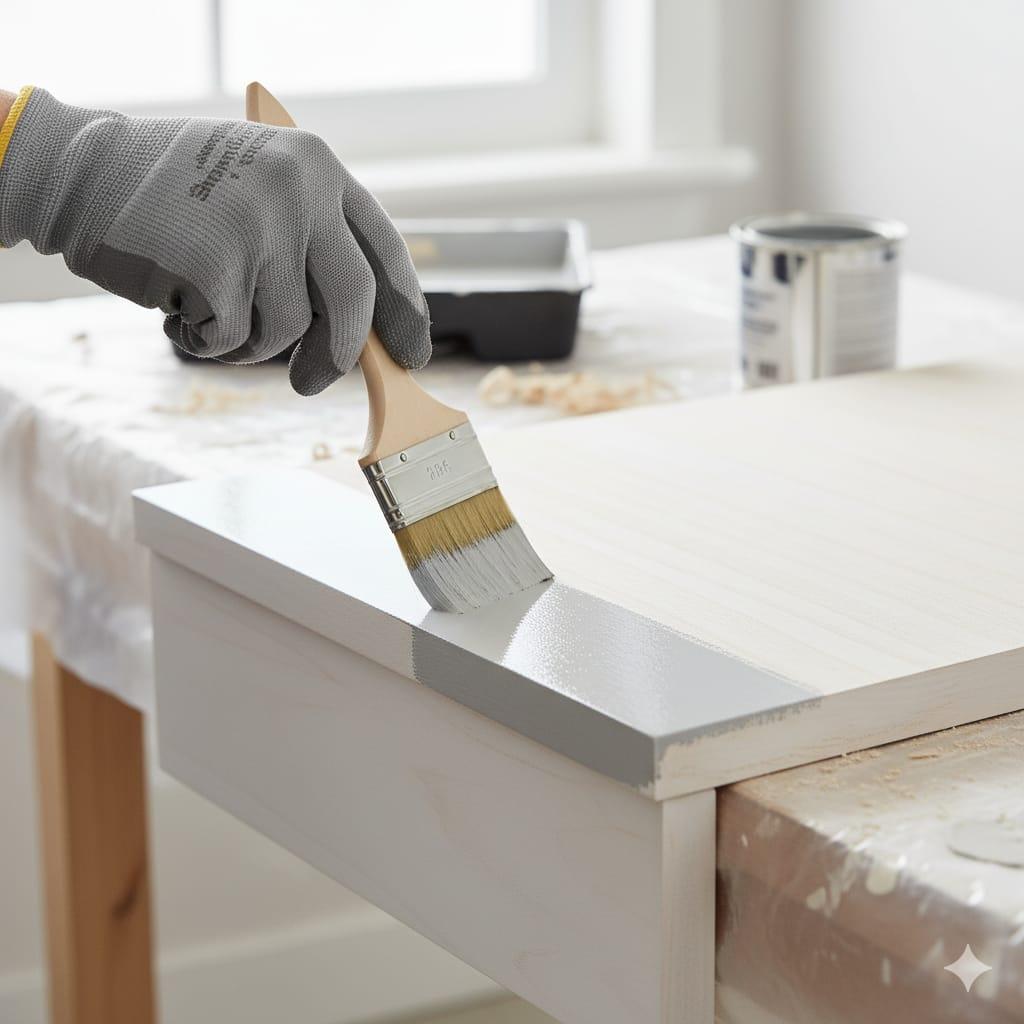
Foam brushes are great for detail work—especially on furniture, crafts, or tight spaces. They don’t leave brush marks and are perfect for smooth finishes.
Best for:
- Painting cabinet handles or drawer fronts
- Applying stain or sealant
- Touching up corners
Tip: Foam brushes are disposable—don’t expect them to last. But for quick jobs, they’re a lifesaver.
Step 3: Choose the Right Roller Nap
Rollers come in different “nap” lengths—that’s the thickness of the fuzzy part. A short nap (¼”–⅜”) is best for smooth surfaces like walls and doors. A long nap (½”–¾”) is better for textured surfaces like brick or stucco. 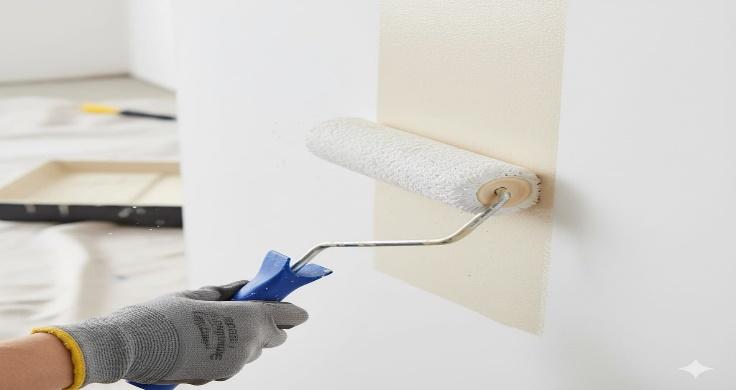
Best for:
- Painting large walls or ceilings
- Covering textured surfaces
- Getting even coverage quickly
Real moment: A beginner used a thick roller on a smooth wall and ended up with splatter everywhere. Switched to a short nap, and the finish was flawless. DIY Accent Lighting Ideas
Step 4: Look for Ergonomic Handles 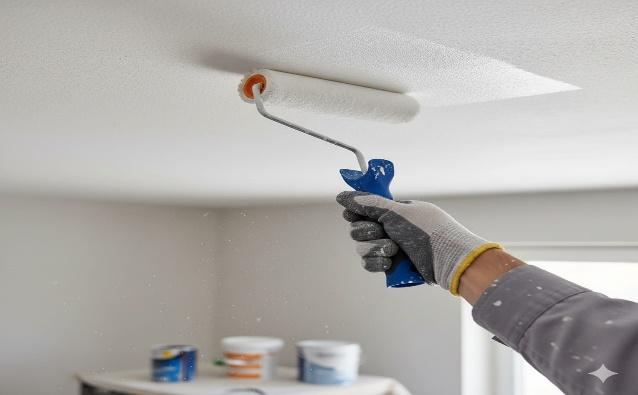
Painting takes time—and your wrist will feel it. Brushes and rollers with ergonomic, rubberized handles reduce fatigue and give you better control. Fixing Squeaky Doors and Floors
Tip: If the handle feels awkward in the store, it’ll feel worse after 30 minutes of painting.
Step 5: Don’t Skip the Cleaning Tools
A good brush deserves proper care. Pick up a brush comb, roller scraper, and mild soap—they’ll extend the life of your tools and keep your next project smooth. 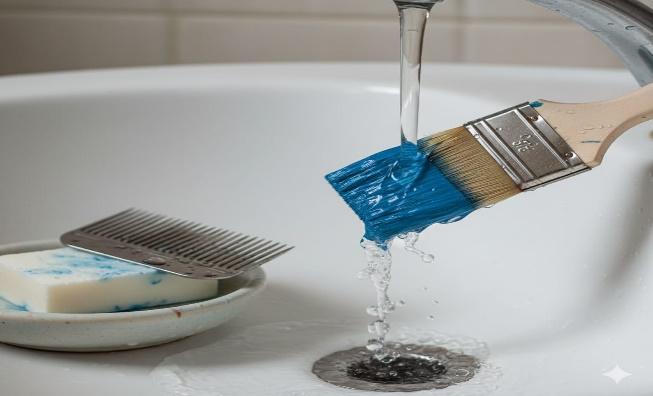
Real moment: One DIYer tossed her brushes after every use—until she learned how to clean them properly. Now she’s on her third project with the same set.
Final Thoughts — The Right Tool Makes All the Difference
Painting doesn’t have to be intimidating. With the right brush or roller, even beginners can get clean lines, smooth coverage, and a finish they’re proud of.
Start simple. Choose quality over quantity. And don’t be afraid to test a few tools before committing. Because when the paint goes on right—the whole room feels better