Transform your backyard from plain grass to a cozy lounge with this DIY guide. Learn how to plan zones, build seating, add greenery, and create ambience—no contractor needed.
I used to look out at my backyard and feel… nothing. Just a flat patch of grass, a few weeds, and a broken hose lying in the corner. No shade, no seating, no reason to spend time out there—unless I was mowing it.
But I kept thinking: what if this space could actually work for me? Not just as a yard, but as a lounge. A place to read, relax, host friends, or just drink coffee in the morning sun.
So I decided to stop waiting for “someday” and start building it myself. No contractors. No big budget. Just a few weekends, some DIY grit, and a clear vision.
And let me tell you—the transformation was worth every drop of sweat.
Step 1: Define Your Zones
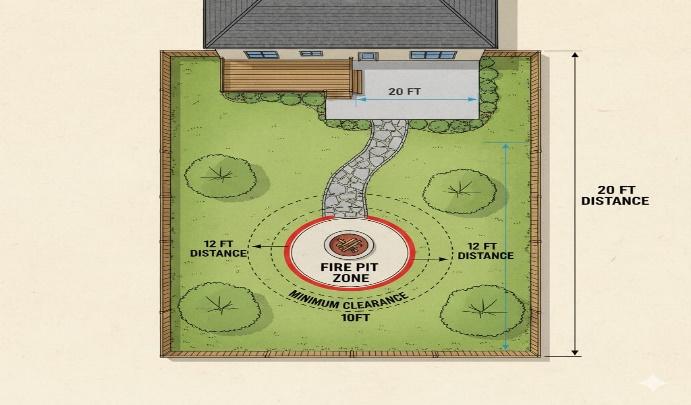
Before buying anything, I grabbed a notebook and sketched out what I wanted. Not perfect drawings—just rough zones: seating area, greenery, maybe a fire pit. I walked around the yard, measured the space, and imagined how it would feel to actually use it. 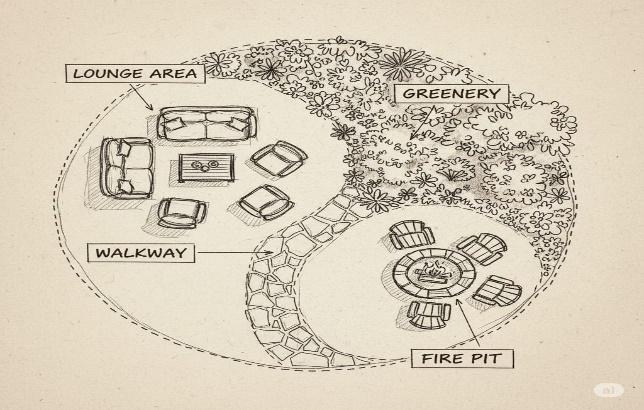
Here’s what helped:
- Think about how you want to use the space: lounging, dining, gardening, hosting
- Break it into zones—even in small yards, this adds structure
- Leave room to move—don’t cram everything in How to Unclog Drains Without Chemicals
Step 2: Build Your Seating Area
I started with the lounge zone—the heart of the backyard. Instead of buying a full patio set, I built a simple bench from wood pallets and added outdoor cushions. It wasn’t perfect, but it felt personal. And it gave me a reason to actually sit outside. 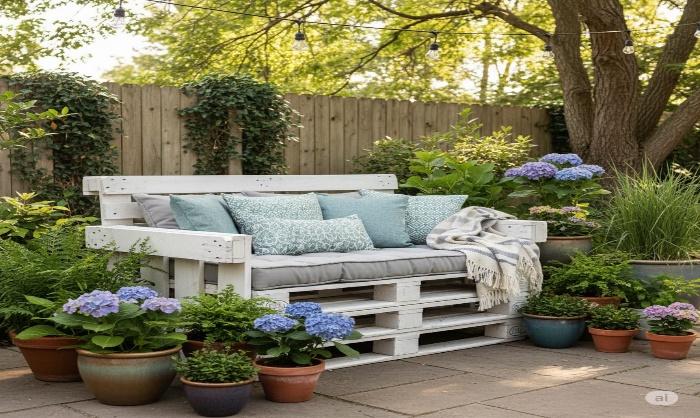
Other seating ideas that work:
- DIY pallet sofa with weatherproof cushions
- Foldable chairs with a small side table
- Hammock or hanging chair if you’ve got sturdy trees or beams
- Concrete blocks + wood planks = instant bench. Budget-Friendly Cabinet Refacing
Step 3: Add Greenery (Without Overdoing It)
I didn’t want a jungle—just enough plants to soften the space. So I picked a few low-maintenance options: lavender, rosemary, and succulents in pots. They added texture, color, and a bit of scent without needing constant care. 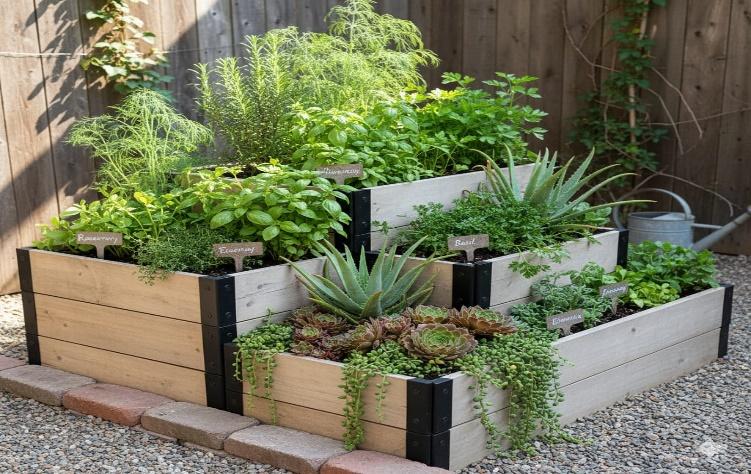
Tips that helped:
- Use raised planters or pots to define zones
- Mix heights—tall grasses, medium shrubs, low ground cover
- Choose plants that thrive in your climate (and don’t mind neglect)
Step 4: Light It Up
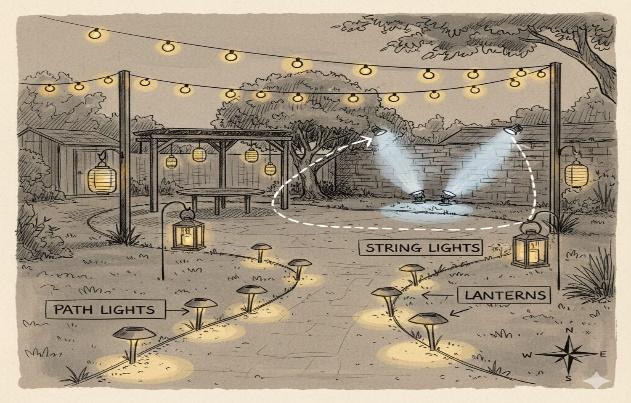
Lighting changed everything. I hung string lights across the seating area, added solar lanterns along the path, and placed a few candles on the table. Suddenly, the yard felt cozy—even at night.
Lighting ideas to try:
- String lights overhead or along fences
 Solar-powered stake lights for walkways
- LED lanterns or battery candles for tables
- Motion-sensor lights for safety near entrances
Step 5: Create a Simple Floor or Base
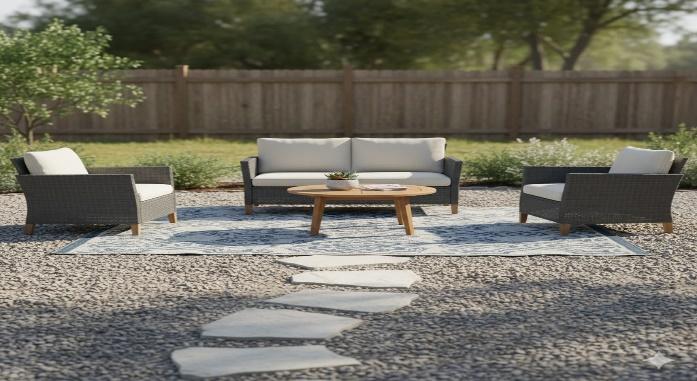
I didn’t want to pour concrete or lay full tiles. So I used gravel and stepping stones to define the lounge area. It was cheap, easy to install, and made the space feel intentional.
Other DIY base ideas:
- Gravel with pavers or wood slices
- Outdoor rugs over compacted soil
- Deck tiles that snap together
- Mulch with Stone Borders: DIY Backyard Fire Pit Tutorial
Step 6: Add a Focal Point
Every space needs a “”center”—something that draws you in. For me, it was a fire pit. I built one from stacked bricks and used it for evening hangouts. You could also try: 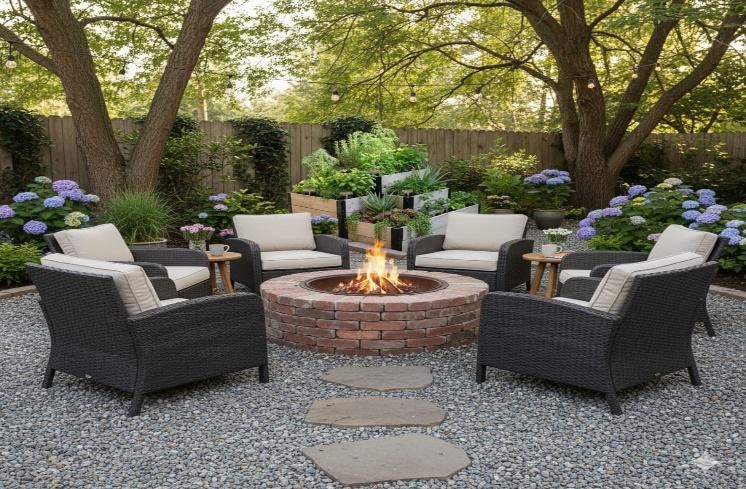
- A small water feature
- A vertical garden or trellis
- A sculpture or art piece
- A bold-colored bench or planter
Step 7: Add Personality (Without Clutter)
This part was fun. I added a few personal touches: A woven throw on the bench, a tray for drinks, and a framed tile hung on the fence. It made the space feel like mine—not just a Pinterest copy. 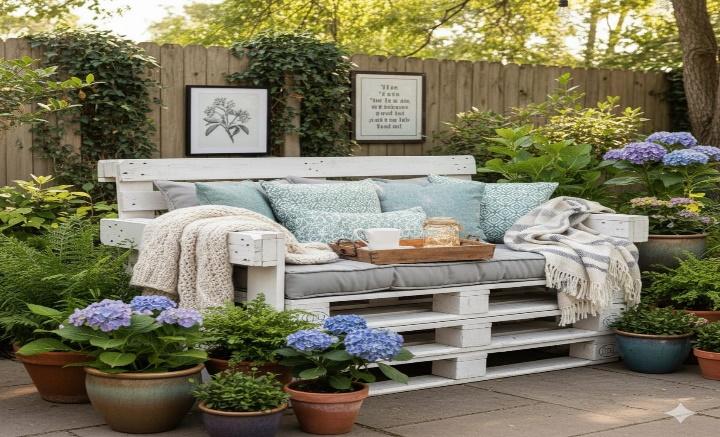
Ideas that add charm:
- Outdoor cushions in your favorite colors
- DIY wall art or painted planters
- A small shelf with candles or books
- Recycled materials turned into decor
Step 8: Keep It Functional
I learned the hard way—if it’s not easy to clean or maintain, it won’t last. So I made sure everything was weatherproof, easy to wipe down, and stored properly.
What helped: 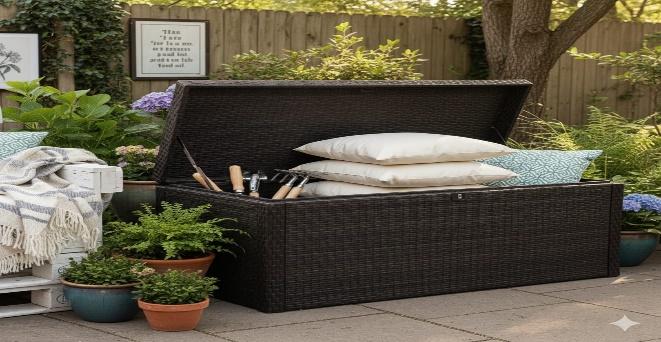
- Use waterproof cushions and covers
- Store extras in a deck box or shed
- Sweep or hose down the area weekly
- Choose materials that age well (like teak, metal, or treated wood)
Final Thoughts
Turning my backyard from a patch of grass into a lounge wasn’t about perfection—it was about intention. I didn’t have a huge budget or fancy tools. Just a clear goal: make the space usable, comfortable, and mine.
And now? I actually use it. Morning coffee, weekend hangouts, quiet evenings with string lights overhead—it’s become one of my favorite spots in the house.
If you’ve got a yard that’s just sitting there, start small. Sketch a plan, build one zone, and keep going. You’ll be surprised how far a few DIY weekends can take you.