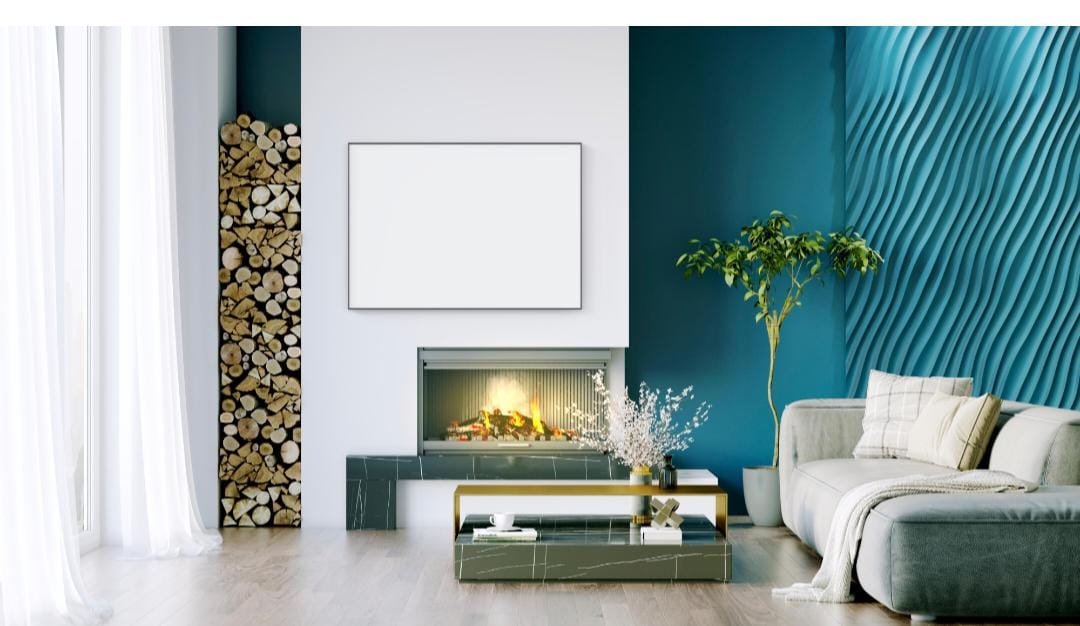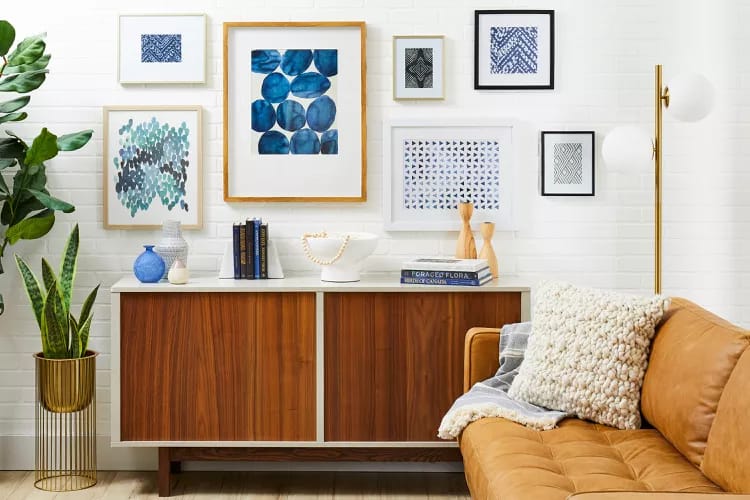
Learn how to hang art and decor like a pro. From placement to proportion, this guide helps you style your walls with confidence.
Why Hanging Art Well Makes All the Difference
You can have the most beautiful artwork in the world—but if it’s hung too high, too low, or just off-center, it loses its magic. Hanging art like a designer isn’t about being perfect. It’s about making your space feel balanced, intentional, and personal.
Whether you’re working with one big piece or a gallery wall of memories, the way you place your art can completely change how a room feels.
Step 1: Eye Level Is Your Best Friend
This is the golden rule—and the one most people get wrong.
- Hang single pieces so the center sits around 57–60 inches from the floor. That’s average eye level and creates a natural flow.
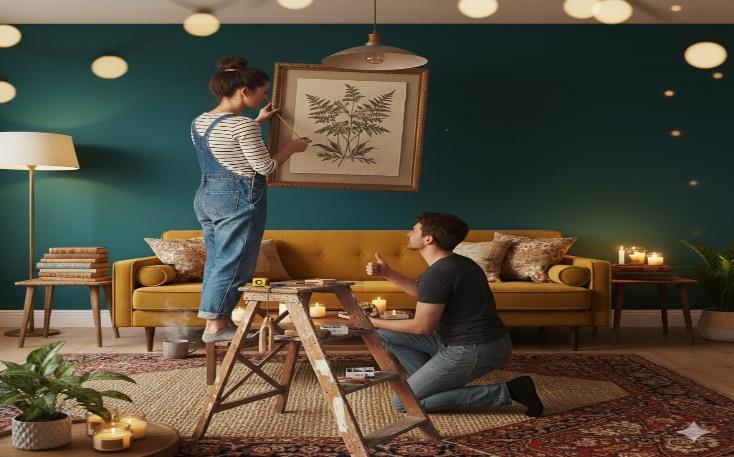
- In rooms where people mostly sit (like dining rooms or lounges), go slightly lower to match seated eye level.
- If you’re hanging above furniture, leave 6–8 inches of space between the bottom of the frame and the top of the furniture.
Human moment: If you’re unsure, ask someone to stand back while you hold the piece up. You’ll feel it when it’s right. How to Choose the Right Drill for Home Projects
Step 2: Think About Scale and Proportion
A tiny frame on a huge wall? It’ll feel lost. A massive canvas crammed into a narrow space? Overwhelming. 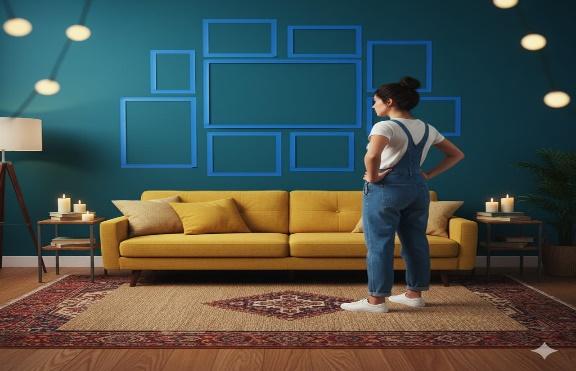
- For large walls, go big or group smaller pieces together.
- For narrow spaces, choose vertical pieces or stacked arrangements.
- Over furniture, aim for art that’s two-thirds the width of the item below—like a sofa or console.
Tip: Use painter’s tape to outline the size on the wall before committing. It helps you visualize without making holes.
Step 3: Plan Before You Hammer
Don’t rush. A little planning saves a lot of patching later. 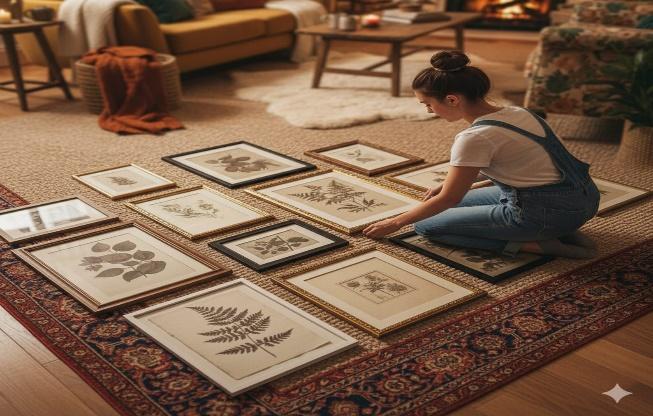
- Lay your pieces out on the floor first to test arrangements.
- Use paper templates taped to the wall to play with spacing.
- For gallery walls, keep 2–3 inches between frames for a clean look.
Designer trick: Start with the largest piece and build around it. It anchors the arrangement and keeps things balanced.
Step 4: Use the Right Tools (And Don’t Overdo It)
You don’t need a full toolbox or fancy gear to hang art well. Just a few basics—and a little attention to detail—will do the trick.
- For heavier pieces, go with picture hooks or wall anchors. They’re sturdy and keep things secure.
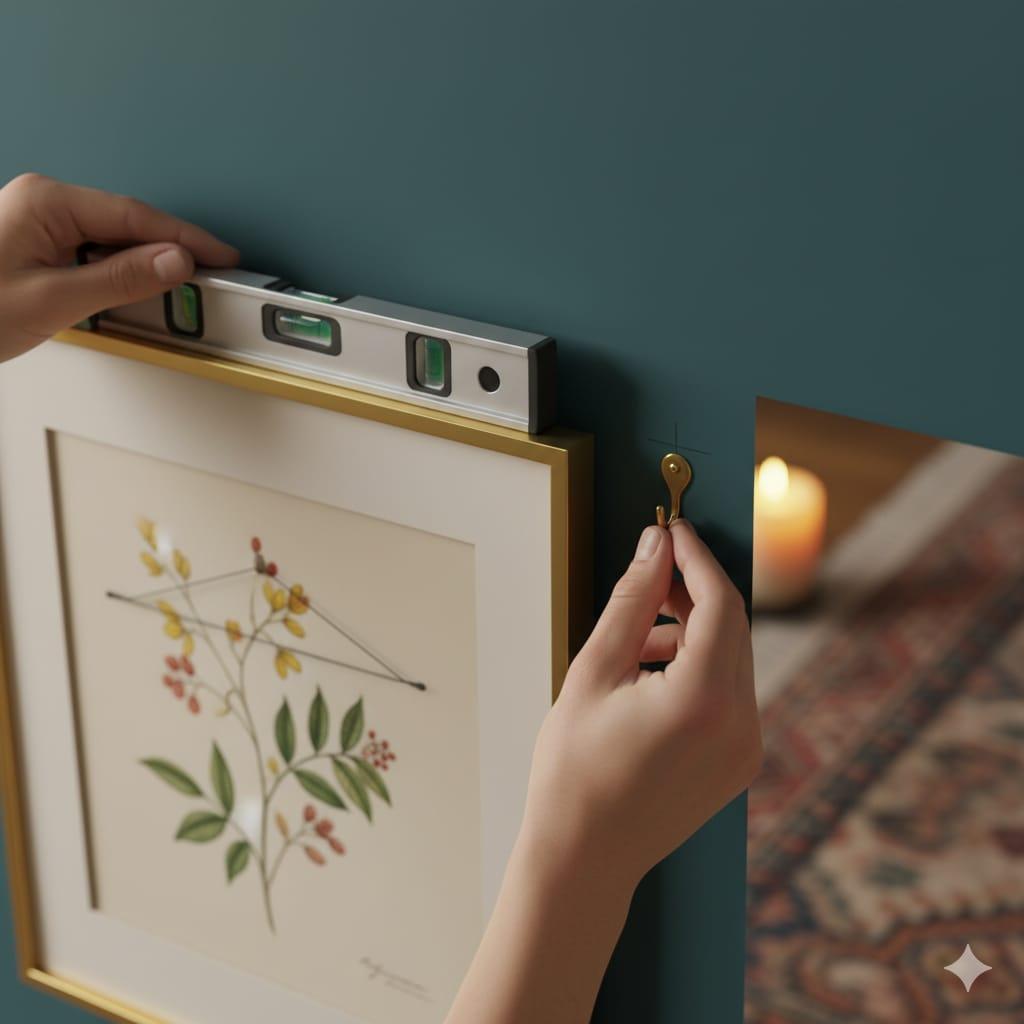
- If you’re renting or working with lightweight frames, Command strips are your best friend. No holes, no mess, and easy to remove.
- Whatever you use, check the weight rating—especially if you’re hanging on drywall. You don’t want surprises later.
Quick tip: Use a small level. Seriously. Even a slight tilt can throw off the whole look—and once you notice it, you won’t stop noticing it How to Unclog Drains Without Chemicals
Step 5: Style Around the Art
Once your art is up, build the space around it. 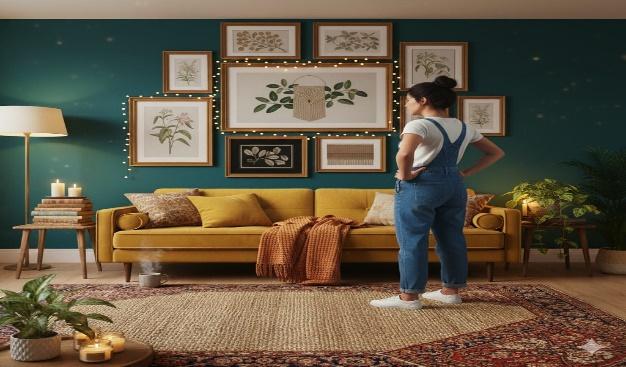
- Add a lamp or sconce nearby to highlight the piece.
- Layer with decor—think plants, books, or textiles that echo the colors or mood.
- Keep the surrounding area clean so the art remains the focus.
Styling tip: If the art is bold, keep the rest of the room calm. If it’s subtle, feel free to add texture and color nearby. DIY Tool Storage and Organization Ideas
Bonus Tips for Hanging Like a Pro
If you want to take things up a notch—and really make your wall feel curated—here are a few tricks designers swear by:
- Go for odd numbers. Three frames feel more playful than two. Five feels more dynamic than four. It’s a subtle thing, but it works—especially in gallery walls.
- Mix your frames. Different styles and finishes give that “collected over time” look. If you prefer a cleaner vibe, stick to matching frames for a more modern feel.
- Play with symmetry. Want calm and order? Keep things balanced. Want energy and movement? Go asymmetrical and let the eye travel.
- Give your art some breathing room. Don’t crowd it with too many objects nearby. Let each piece stand out and speak for itself.
Budget tip: Thrift stores, flea markets, even your grandma’s attic—they’re full of hidden gems. You don’t need expensive art to make a wall feel special. You just need pieces that mean something to you.
Final Thoughts
Hanging art isn’t just about getting the height right or spacing things evenly. It’s about telling a story—your story. It’s about creating a space that feels lived-in, loved, and unmistakably yours.
So take your time. Move things around. Try one layout, then another. Step back, look again, and trust your gut. Because when you hang art like a designer, you’re not just decorating a wall—you’re shaping how the whole room feels.