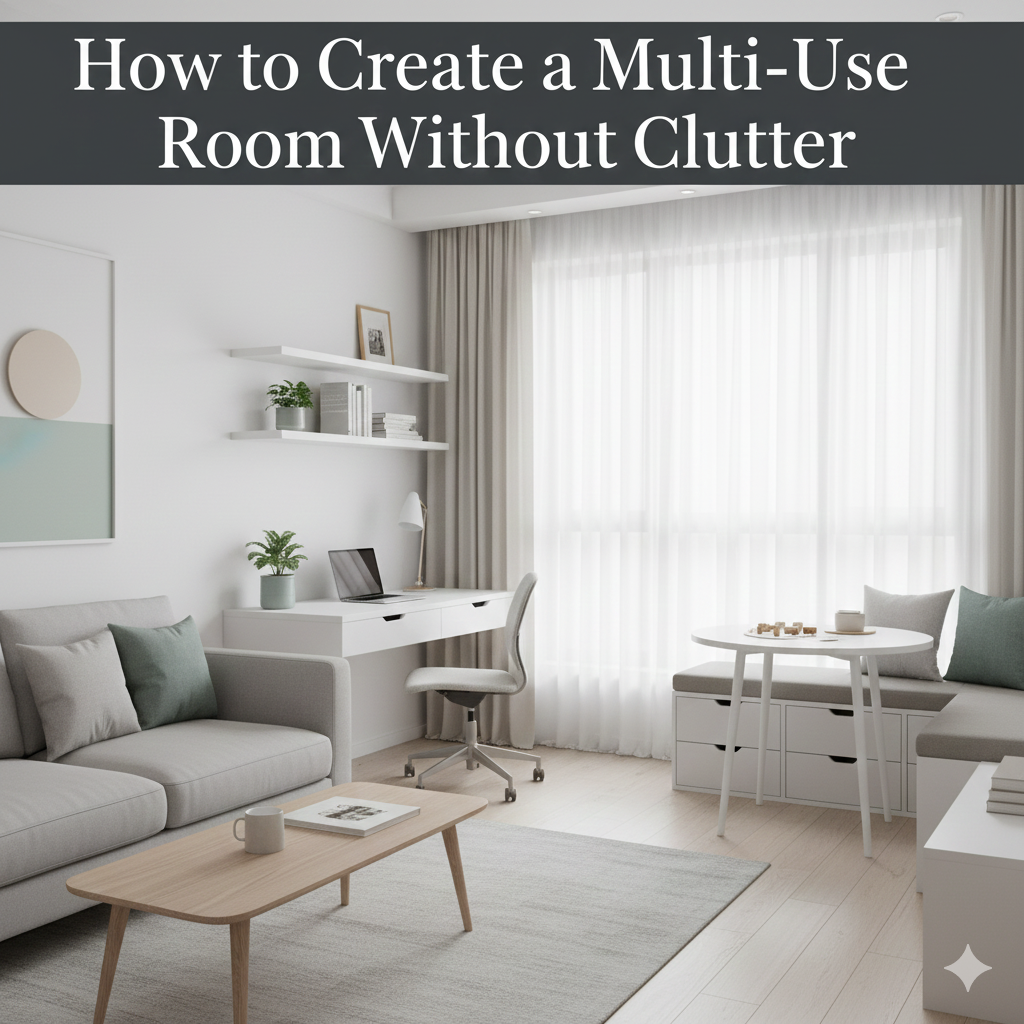
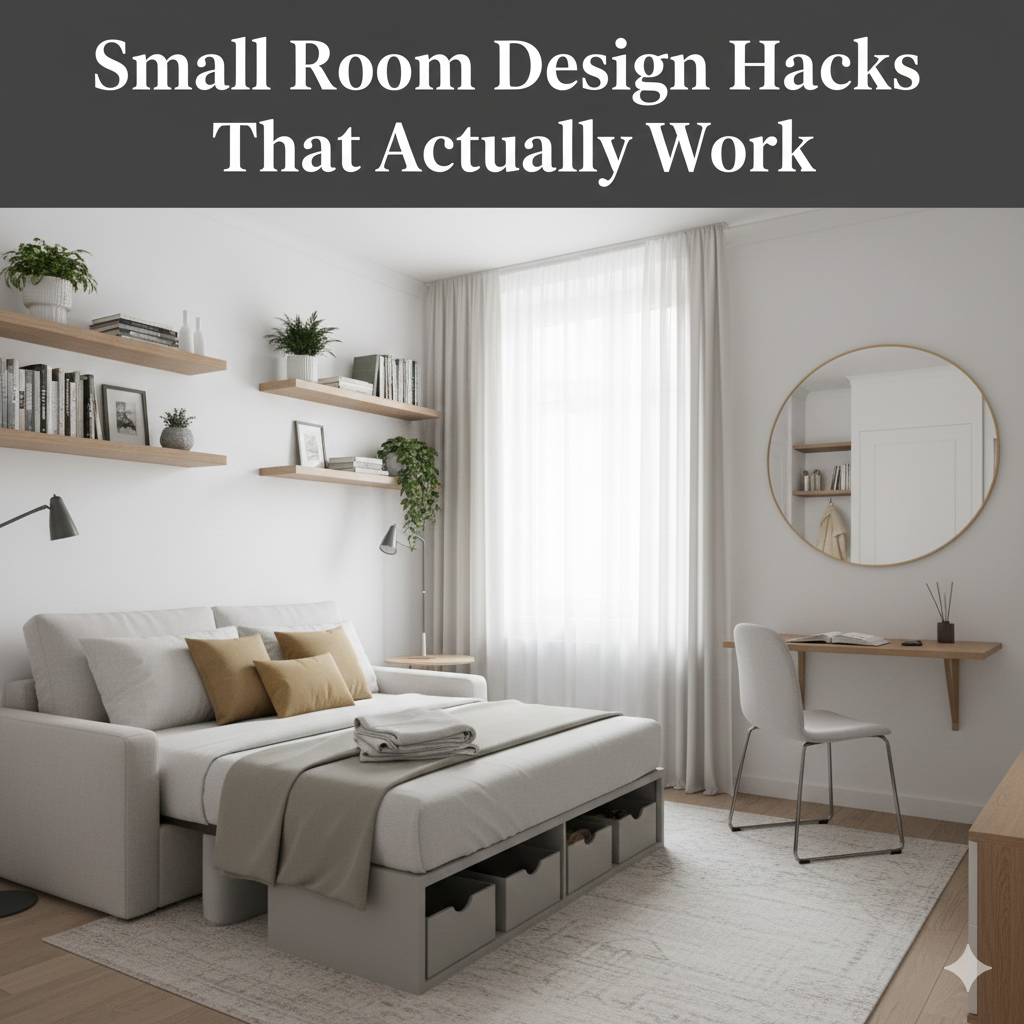
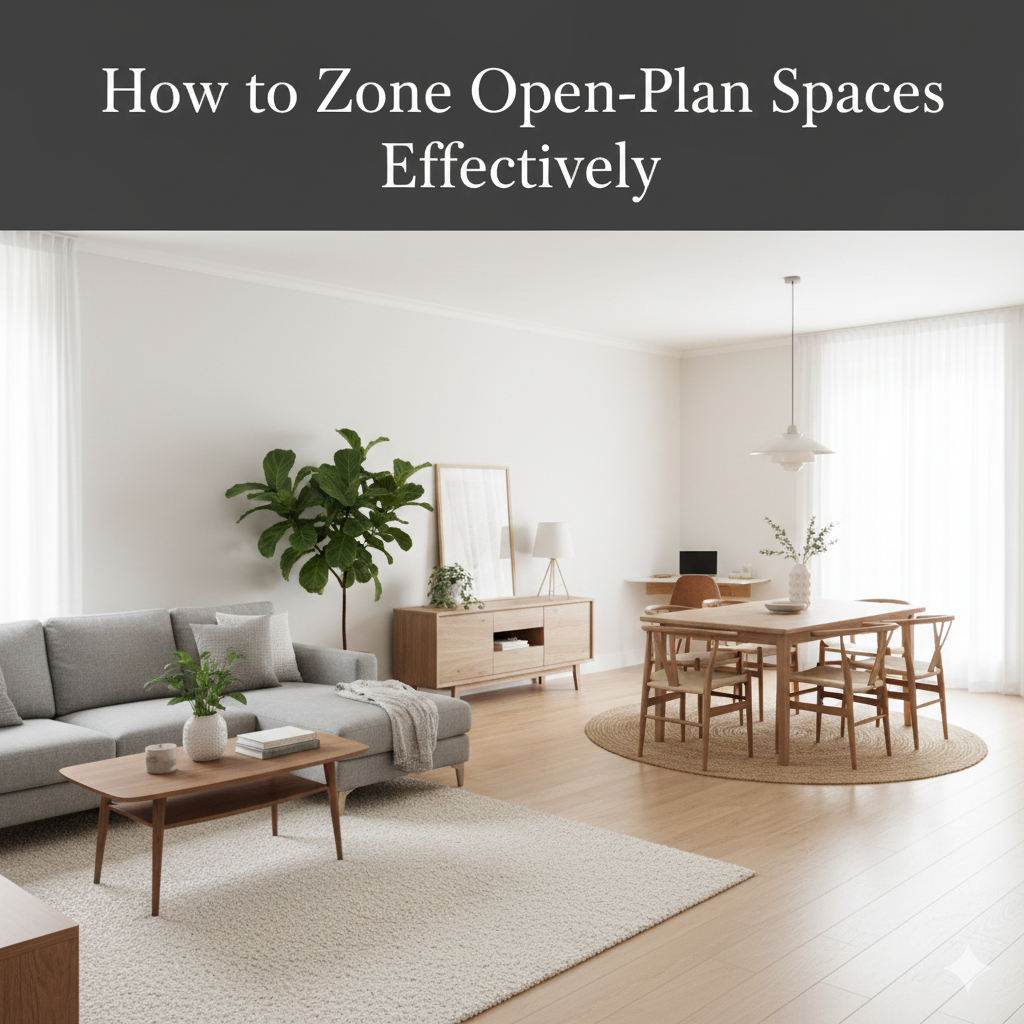
 Open-plan spaces are loved for their airy feel and flexibility, but they can also be tricky to manage. Without walls to separate areas, rooms can quickly feel chaotic or undefined. The secret to making open‑plan living work is zoning—creating distinct areas for cooking, dining, working, or relaxing, all within one continuous space. Done right, zoning makes the home feel organized, stylish, and functional.
Step 1: Define Zones with Furniture Placement
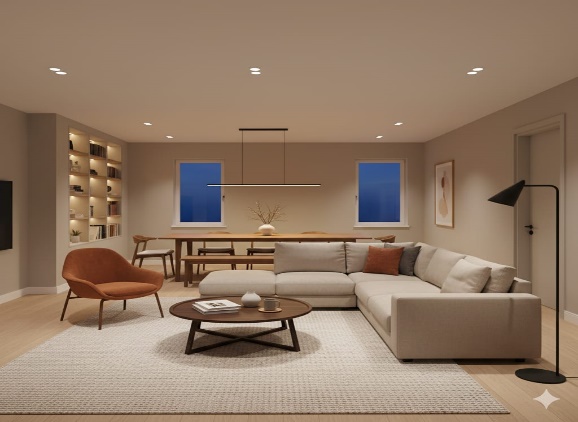 Furniture is the easiest way to carve out zones. A sofa can separate the living area from the dining space, while a kitchen island naturally marks the cooking zone. Positioning pieces thoughtfully creates boundaries without needing walls.
For guidance, see Rearranging Furniture for Better Flow.
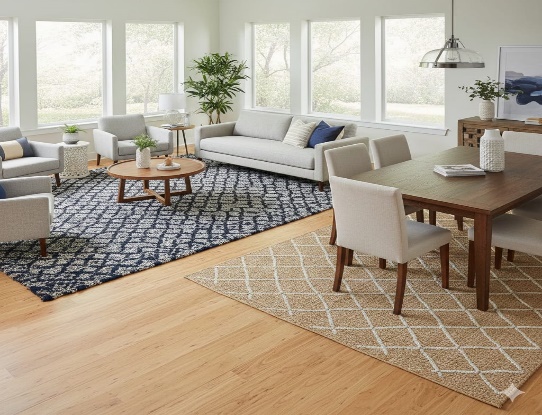 Step 2: Use Rugs to Anchor Areas
Rugs are powerful zoning tools. A large rug under the sofa defines the living area, while a smaller one under the dining table marks the eating zone. Rugs add texture and warmth while visually separating spaces.
For inspiration, check Mixing Textures and Patterns in Your Space.
Step 3: Play with Lighting
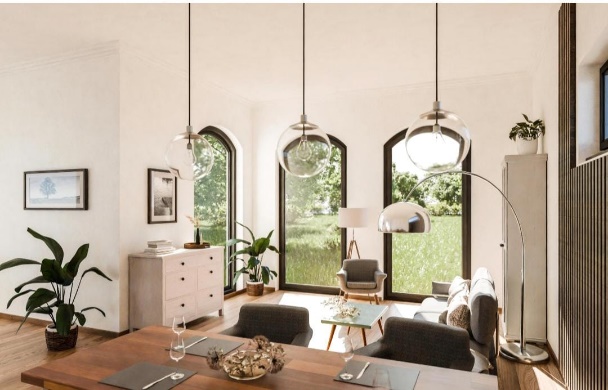 Lighting can guide how a space is used. Pendant lights over the dining table, task lamps in the work zone, and ambient lighting in the lounge create distinct moods. Layered lighting helps each area feel intentional.
For ideas, see DIY Accent Lighting Ideas.
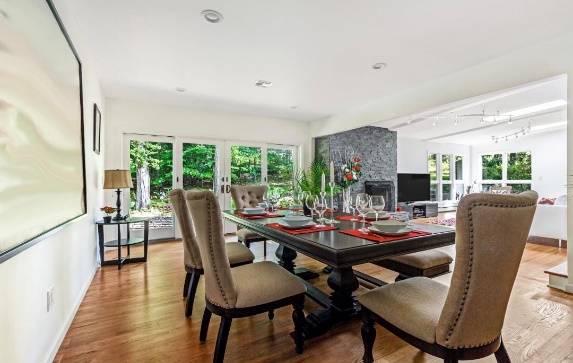 Step 4: Create Visual Boundaries with Color
Color is another way to zone. A bold accent wall in the dining area or a different shade for the work corner makes each zone stand out. Keep the palette cohesive so the space feels unified, not disconnected.
For guidance, see Choosing Color Palettes That Work.
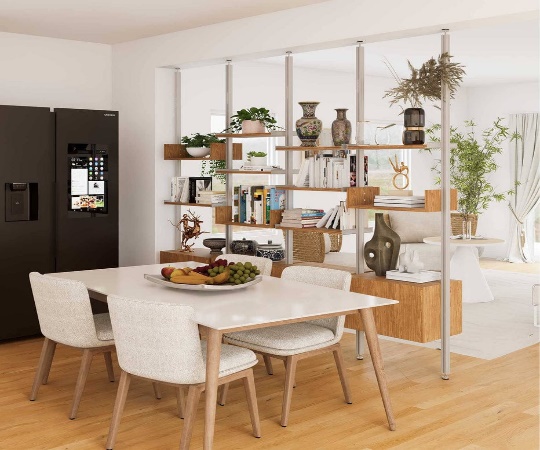 Step 5: Use Shelving and Partitions
Open shelving, bookcases, or even sliding screens can divide zones without closing off the space. These elements add storage and style while subtly marking boundaries.
For clever tips, see Organizing Small Spaces Without Sacrificing Style.
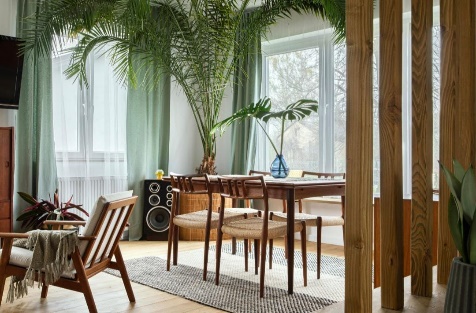 Step 6: Add Plants as Natural Dividers
Plants bring life and freshness while also serving as soft partitions. A row of tall plants can separate the dining area from the lounge, while smaller ones can mark corners.
For more ideas, check Decorating with Plants: Style + Air Quality.
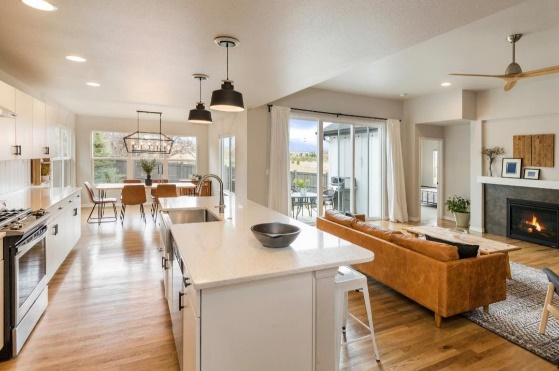 Step 7: Keep Flow in Mind
Zoning should never block movement. Make sure pathways remain clear so people can move easily between areas. A well‑zoned space feels organized but still open and welcoming.
For inspiration, see Room Design Mistakes to Avoid in Every Home.
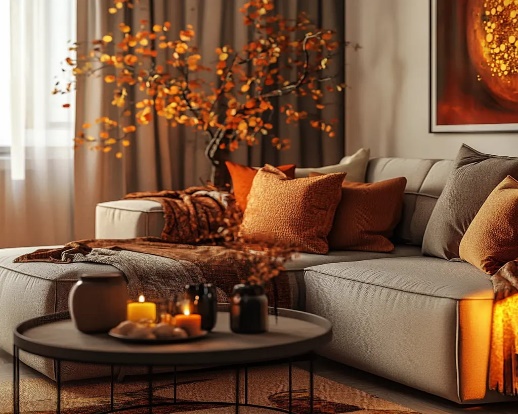 Step 8: Rotate Accessories Seasonally
Seasonal updates keep zones fresh. Swap cushions, throws, or wall art to refresh each area without changing the layout. This keeps the space lively and adaptable.
For ideas, see Seasonal Decorating Ideas for Every Room.
Final Thoughts
Zoning is the key to making open‑plan living work. By using furniture, rugs, lighting, color, shelving, and plants, you can create distinct areas that feel purposeful yet connected. The beauty of zoning is that it doesn’t require walls—just thoughtful design choices that balance style and function.
With clear zones, your open‑plan space becomes more than just a large room. It transforms into a home that flows naturally, feels organized, and adapts to your lifestyle.