Understanding Modern vs Contemporary Design
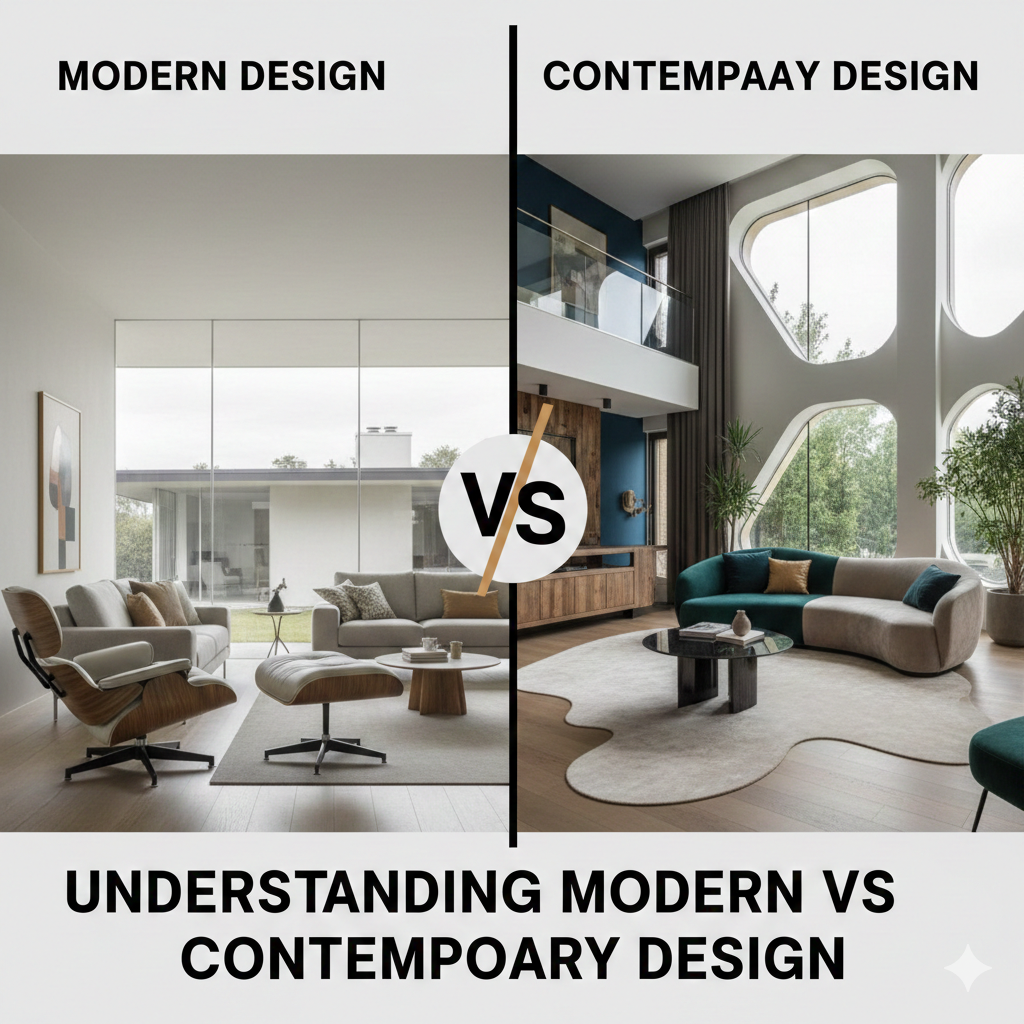
People often use “modern” and “contemporary” design interchangeably, but in reality, they’re two distinct styles. Modern design refers to a specific historical movement rooted in the early to mid‑20th century, while contemporary design is ever‑changing, reflecting the trends of the present moment. Understanding the difference helps you make intentional choices when decorating your home.
Modern design is timeless, structured, and rooted in function. Contemporary design is fluid, experimental, and adaptable. Together, they shape much of today’s interiors, but knowing how they differ allows you to blend or choose them with confidence.
Step 1: Define Modern Design
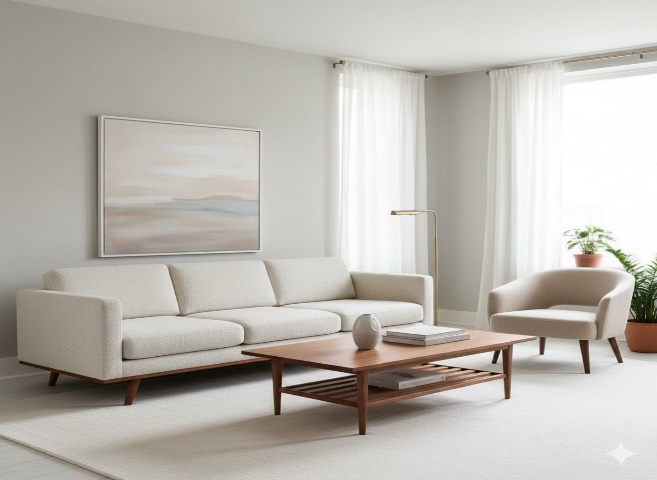
Modern design emerged in the early 1900s, influenced by the Bauhaus and mid‑century movements.
It emphasizes clean lines, natural materials, and functionality.
Think wooden furniture with simple shapes, neutral palettes, and minimal ornamentation.
For guidance, see Mixing Old and New: Vintage Meets Modern Decor.
Step 2: Define Contemporary Design
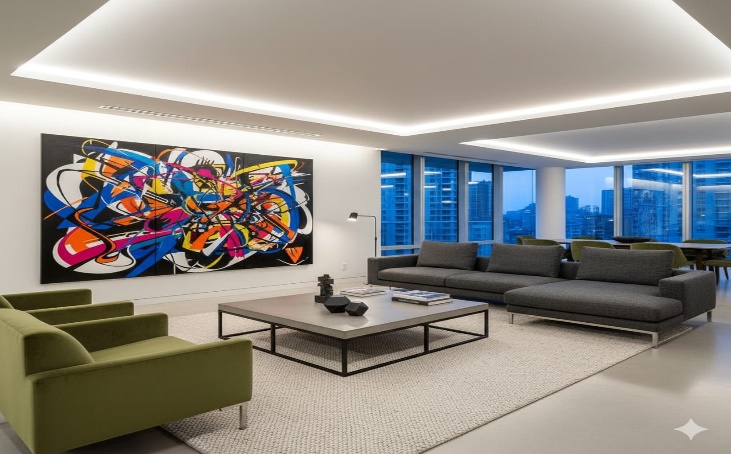
Contemporary design is not tied to a specific era. It reflects current trends and evolves over time. Today, contemporary interiors often feature open spaces, bold accents, and a mix of materials like glass, steel, and concrete.
For inspiration, check out How to Zone Open-Plan Spaces Effectively.
Step 3: Compare Color Palettes
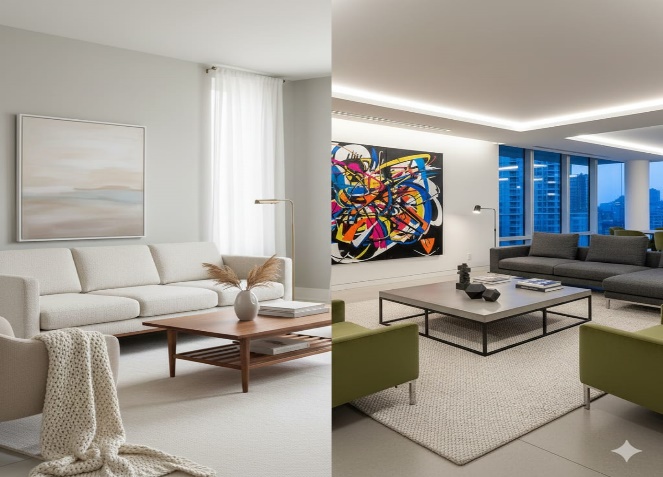
Modern design favors earthy tones—browns, beiges, whites, and muted greens. Contemporary design embraces contrast, often pairing neutrals with bold pops of color like teal, mustard, or black accents.
For ideas, see Choosing Color Palettes That Work.
 Step 4: Focus on Materials
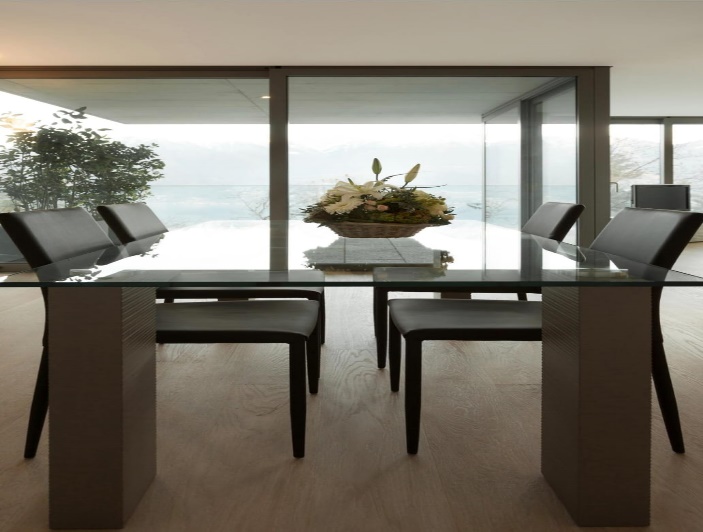
Modern interiors highlight natural materials: wood, leather, and stone. Contemporary spaces mix natural with industrial: glass, steel, and polished concrete. The material choice defines the mood—warm and grounded vs. sleek and experimental.
For guidance, see Mixing Textures and Patterns in Your Space.
 Step 5: Furniture Styles
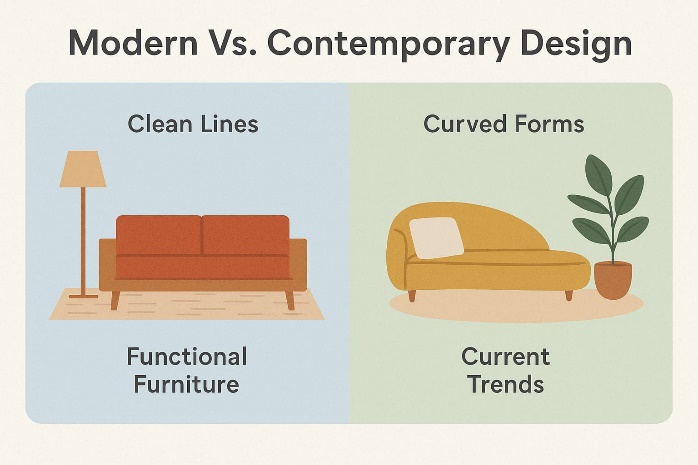
Modern furniture is functional, with clean lines and minimal decoration. Contemporary furniture often experiments with curves, unusual shapes, and bold statements. A modern sofa is simple and neutral; a contemporary sofa might be sculptural or brightly colored.
For inspiration, check Small Room Design Hacks That Actually Work.
 Step 6: Layout and Space
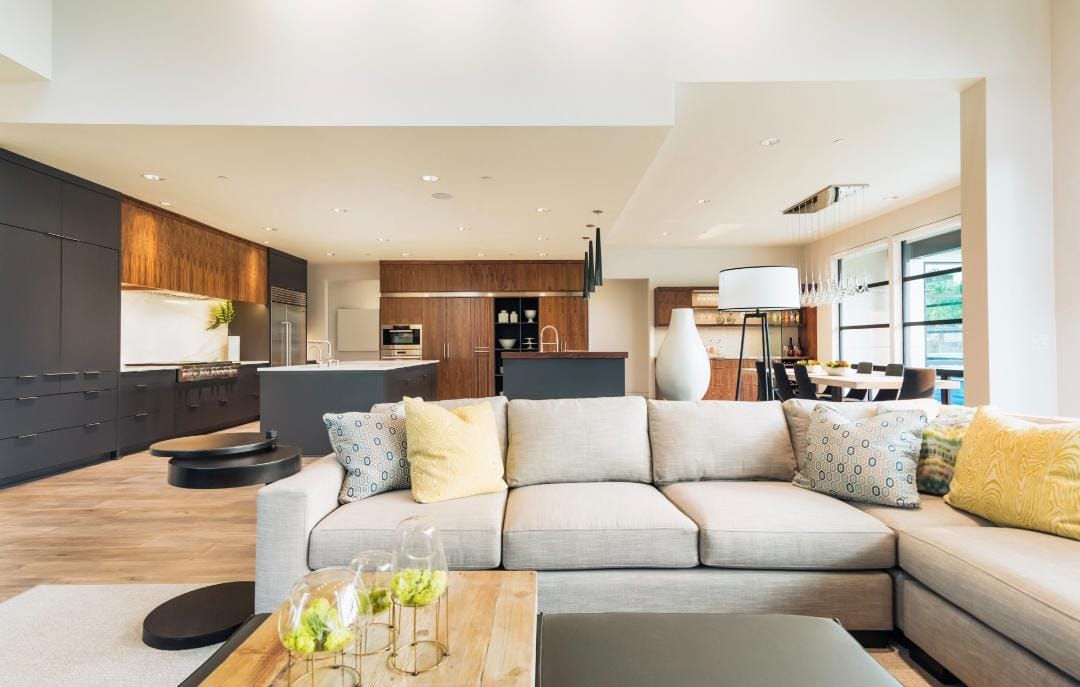
Modern design tends to be structured and balanced, with clear zones. Contemporary design embraces openness, often removing boundaries to create fluid spaces.
For guidance, see Rearranging Furniture for Better Flow.
Step 7: Lighting Choices
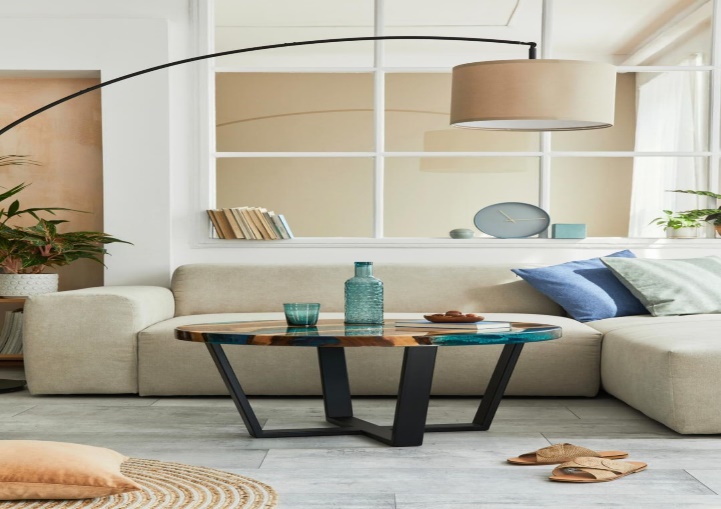
Modern design uses natural light and simple fixtures. Contemporary design experiments with dramatic lighting—oversized pendants, LED strips, or sculptural lamps.
For ideas, see DIY Accent Lighting Ideas.
 Step 8: Accessories and Decor
Modern decor is minimal—a few carefully chosen pieces. Contemporary decor embraces bold accessories, statement art, and trend‑driven accents.
For inspiration, check Wall Art Placement Rules Designers Swear By.
Step 9: Blending the Two Styles
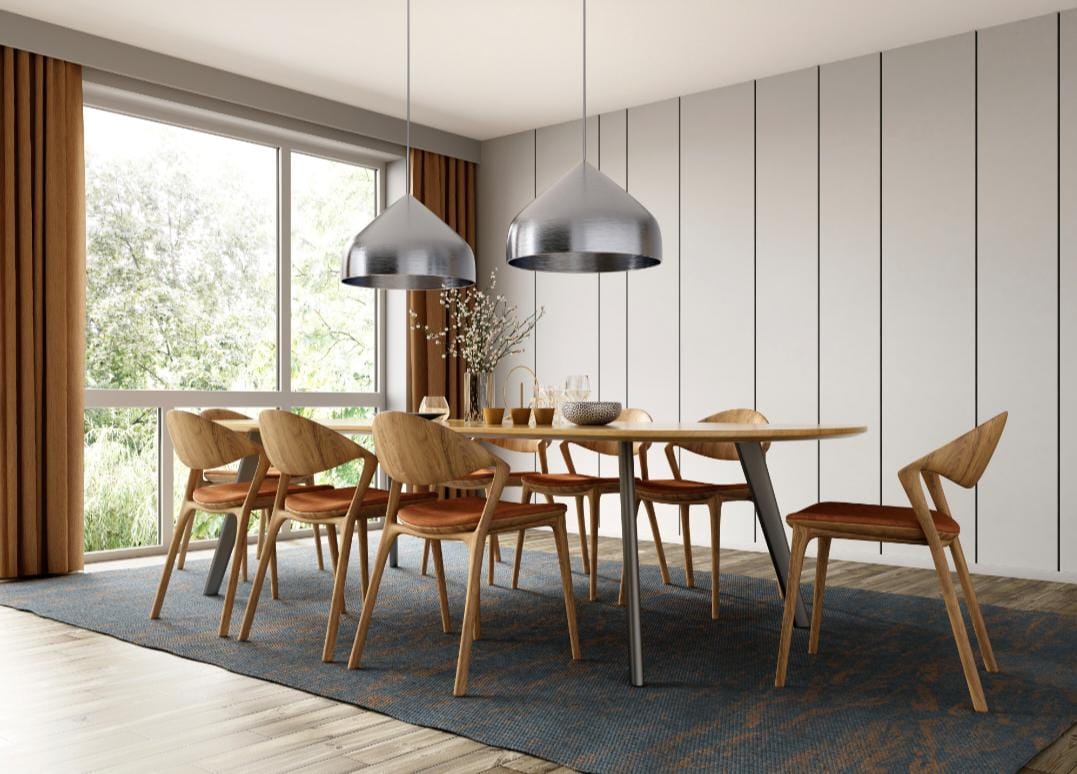 Many homes today mix modern and contemporary elements. A modern wooden table paired with contemporary chairs, or a neutral modern palette accented with contemporary lighting, creates balance.
 Step 10: Choosing What Works for You
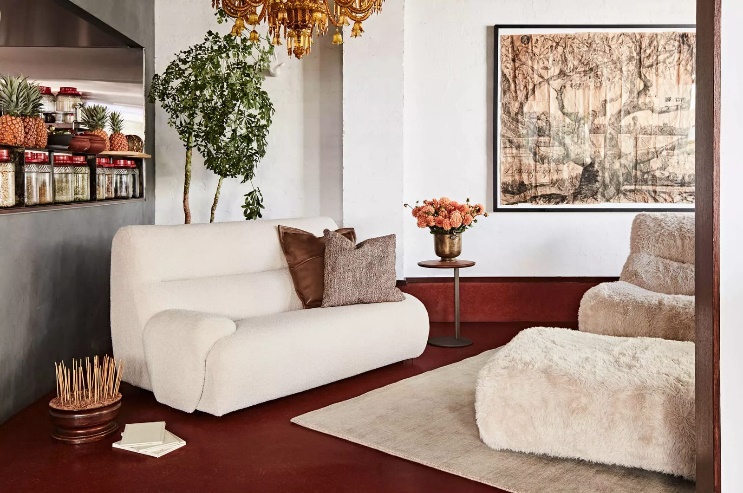
Ultimately, the choice depends on your lifestyle. If you prefer timeless simplicity, modern design may suit you. If you love experimenting with trends, contemporary design is your match. Many people blend both, creating homes that feel grounded yet fresh.
For inspiration, check out DIY Decor Projects That Make a Big Impact.
Final Thoughts
Modern and contemporary design are often confused, but they’re distinct. Modern is rooted in history, timeless and functional. Contemporary is fluid, trend‑driven, and ever‑changing. Understanding the difference helps you design spaces that feel intentional, whether you choose one style or blend both.
The beauty of design is that it’s personal. By knowing the rules, you can break them creatively, crafting a home that reflects your taste and tells your story.