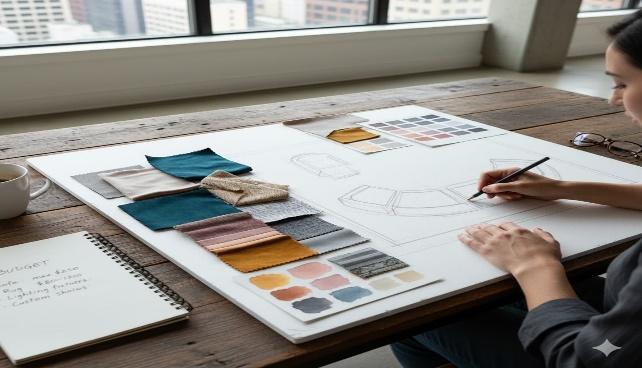
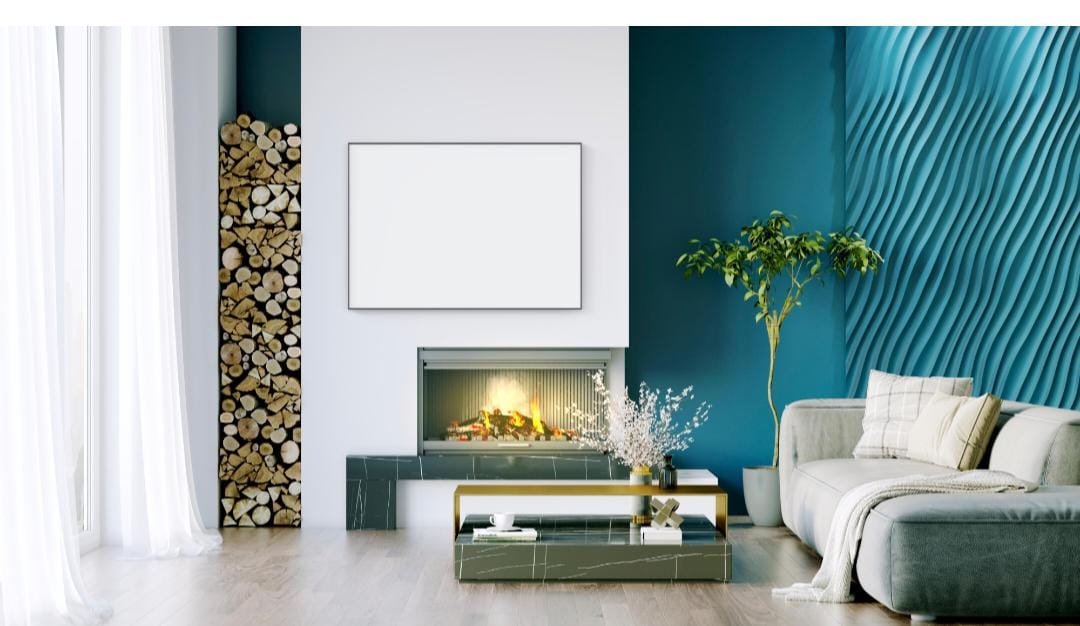
Learn how to mix textures and patterns without overwhelming your space. These styling tips help you layer materials, prints, and finishes for a cozy, curated look.
Why Texture and Pattern Matter
Color sets the mood. Layout sets the flow. But texture and pattern? They bring the room to life.
They add depth. They create contrast. They make a space feel warm, layered, and lived-in—not flat or sterile. Choosing Color Palettes That Work
Step 1: Start with Neutrals, Then Layer
A neutral base gives you room to play. 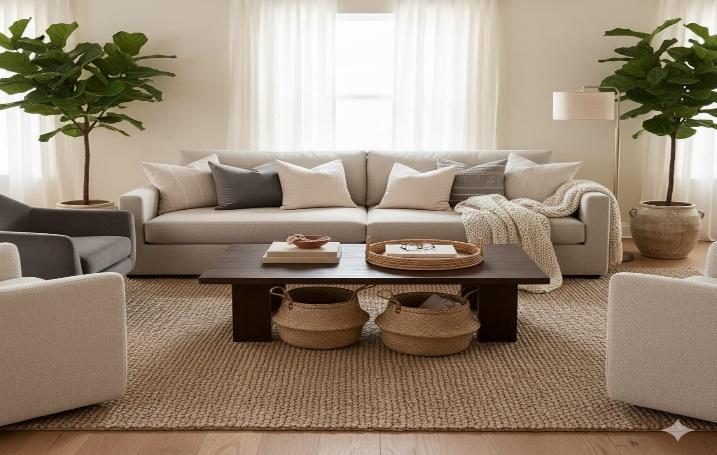
- Use soft tones for walls, large furniture, or rugs.
- Then layer in texture—woven baskets, velvet cushions, and ceramic vases.
- Add pattern through textiles, art, or wallpaper.
Human moment: One reader started with beige walls and a linen sofa—then added a patterned rug and knit throw. Instant warmth. Creating a Feature Wall with Paint or Wallpaper
Step 2: Mix Materials with Intention
Texture isn’t just visual—it’s tactile. 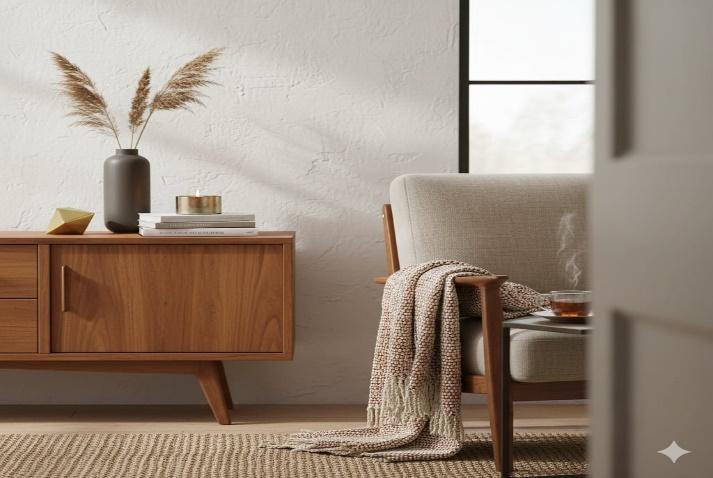
- Combine smooth (glass, metal) with rough (wood, jute).
- Use matte and glossy finishes together.
- Let contrast create interest without chaos.
Styling tip: A ceramic lamp on a wooden table? Perfect. A velvet cushion on a leather chair? Even better.
Step 3: Play with Pattern Scale
Patterns need breathing room—and balance.
- Mix large-scale prints (like florals or geometrics) with small ones (stripes, dots).
- Avoid using too many bold patterns in one spot.
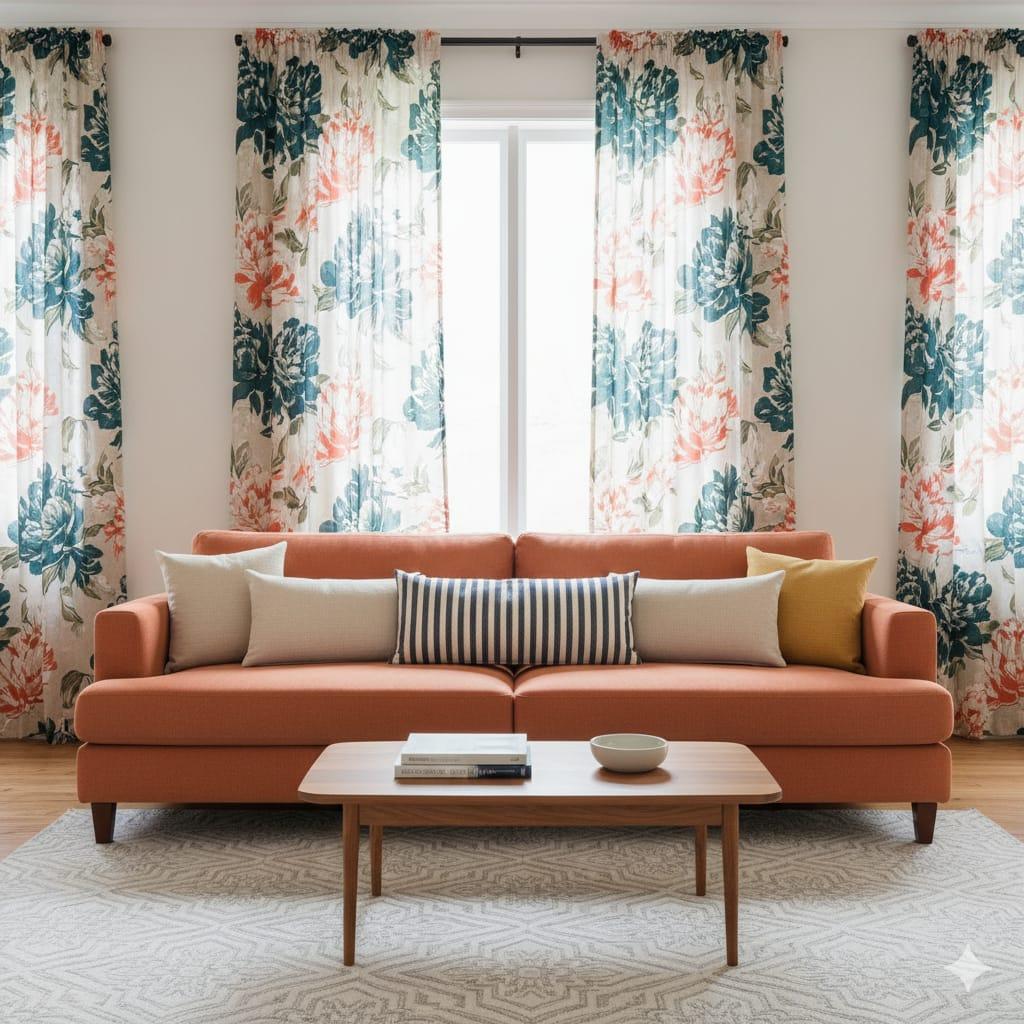
- Use solids to break up busy areas.
Human moment: Someone paired a bold floral curtain with a tiny striped cushion—and it worked beautifully. DIY Window Treatments: Curtains & Blinds
Step 4: Repeat Elements for Cohesion
Mixing doesn’t mean random. 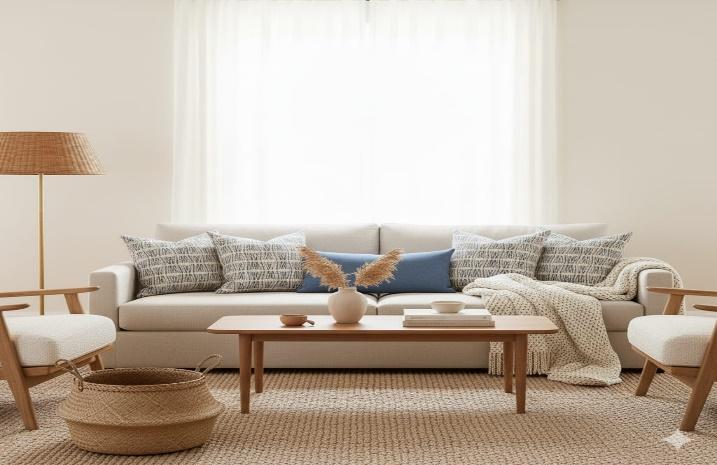
- Repeat colors, shapes, or materials across the room.
- Echo a pattern from the rug in the cushions.
- Use the same texture in different spots—like rattan in baskets and light fixtures.
Styling tip: Repetition creates rhythm. It makes the space feel intentional, not chaotic. Styling Open Shelves with Purpose
Step 5: Use Texture to Soften Hard Spaces 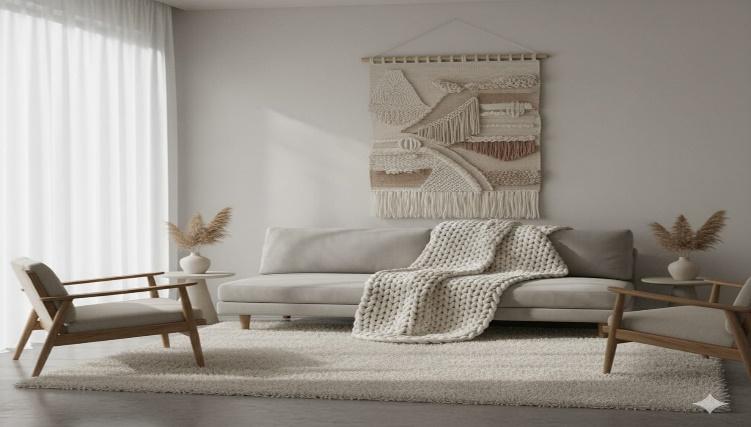
If a room feels cold or rigid, texture can fix it.
- Add a chunky knit throw to a sleek sofa.
- Use a shag rug in a minimalist room.
- Hang a fabric wall piece or macramé to soften blank walls.
Human moment: A reader added a woven wall hanging to her entryway—now it feels like home, not a hallway.
Bonus Tips for Mixing Like a Pro
- Stick to a palette. Even wild patterns feel cohesive when the colors match.
- Use odd numbers. Group textures and patterns in threes or fives.
- Step back often. Look at the whole room, not just one corner.
- Trust your gut. If it feels good, it probably works
Final Thoughts
Mixing textures and patterns isn’t about being bold—it’s about being thoughtful. It’s about layering your space with comfort, character, and contrast.
Start with a base. Add texture. Play with pattern. Then step back and let the room speak.
Because when the mix feels right, the space feels like you.