Not sure when to grab the drill or stick with a screwdriver? This guide breaks down when to use power tools vs. hand tools—with real examples and beginner tips.
Why Choosing the Right Tool Actually Matters
You’re halfway through a project. You’ve got the materials, the plan, and the motivation. But now comes the question: do you reach for the drill or the manual screwdriver? The jigsaw or the handsaw? Fixing Squeaky Doors and Floors
Using the wrong tool can slow you down, mess up your finish, or just make the job harder than it needs to be. This guide helps you decide—with real-life examples, beginner-friendly tips, and a few “I wish I knew that earlier” moments.
Step 1: Understand the Core Difference
Hand tools are powered by you—think screwdrivers, hammers, and wrenches. Power tools use electricity or batteries—drills, sanders, and saws.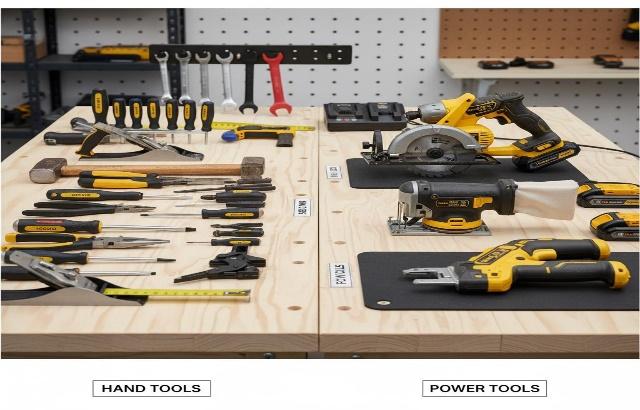
Human moment: One DIYer said she used a manual screwdriver for an entire bookshelf. It took her 3 hours. Next time? She used a cordless drill and finished in 40 minutes.
Step 2: Use Hand Tools for Precision and Control
Hand tools shine when you need finesse. They’re great for small adjustments, delicate materials, or tight spaces where power tools might be too bulky. 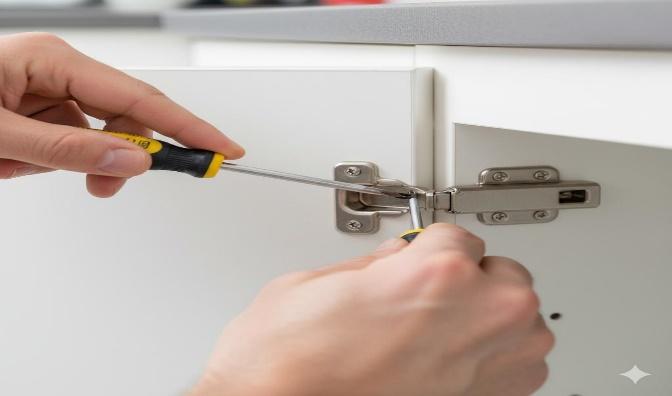
Best for:
- Hanging picture frames
- Assembling furniture
- Tightening screws in awkward corners
Tip: Keep a basic hand tool kit nearby—sometimes grabbing a screwdriver is faster than setting up the drill. Choosing the Right Adhesive for Your Project
Step 3: Use Power Tools for Speed and Strength
Power tools are your best friend when the job is big, repetitive, or tough. They save time, reduce strain, and give you consistent results. 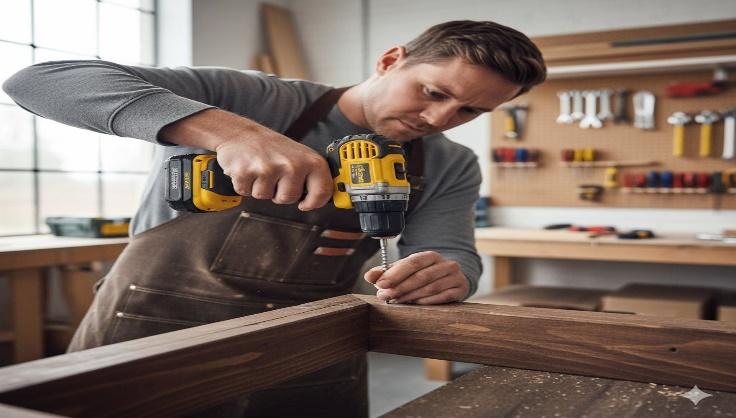
Best for:
- Drilling into wood, metal, or concrete
- Cutting large boards
- Sanding surfaces evenly
Human moment: One reader tried sanding a table by hand. After 20 minutes, she switched to an orbital sander—and finished the whole thing in under 10. Best Paint Brushes and Rollers for Beginners
Step 4: Know When to Combine Both 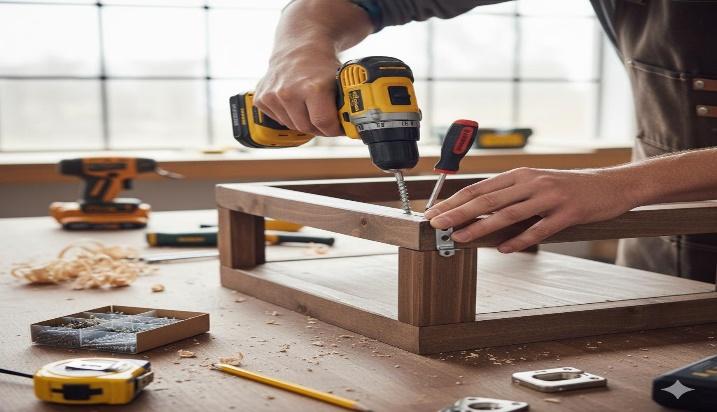
Some projects need both. Start with a power tool for speed, then switch to a hand tool for final adjustments.
Example: Use a drill to install screws, then a manual screwdriver to tighten without stripping. Use a jigsaw for rough cuts, then a hand file to smooth the edges.
Tip: Think of power tools as your “bulk muscle” and hand tools as your “fine-tuning.”
Step 5: Consider Safety and Noise
Power tools are louder, faster, and sometimes riskier. Hand tools are quieter, safer, and better for indoor or late-night projects.
When to choose hand tools: 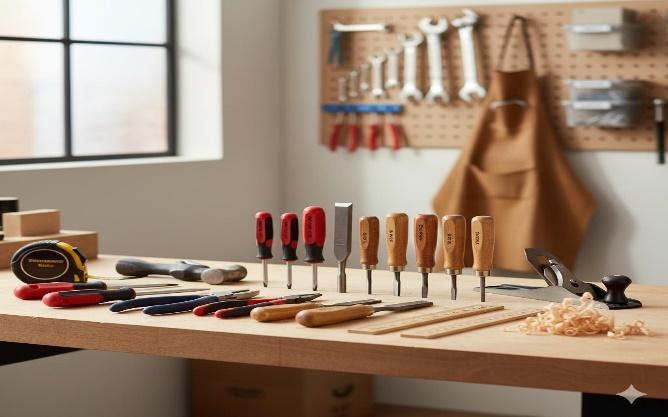
- You’re working around kids or pets
- You don’t want to disturb neighbors
- You’re doing detail work that needs full control
Human moment: One DIYer switched to hand tools after her toddler got scared of the drill noise. Now she keeps both options ready—depending on the time of day. Creating a Feature Wall with Paint or Wallpaper
Step 6: Think About Budget and Storage
Power tools cost more—and they need charging, maintenance, and space. Hand tools are cheaper, easier to store, and don’t need batteries. 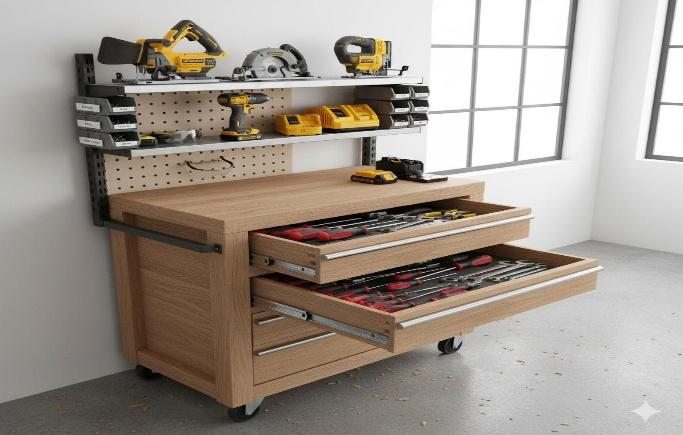
Starter tip: If you’re just beginning, invest in a few key hand tools first. Then add power tools as your projects get bigger.
Tip: Look for combo kits—many brands offer drill and driver sets that save money and space. DIY Tool Storage and Organization Ideas
Final Thoughts—Choose What Works for You
There’s no one-size-fits-all answer. Some DIYers love the feel of hand tools. Others swear by their cordless drill. The key is knowing when each tool makes your life easier—and when it’s just overkill. Budget-Friendly Room Makeovers
Start small. Try both. And build a toolkit that fits your style, your space, and your projects.