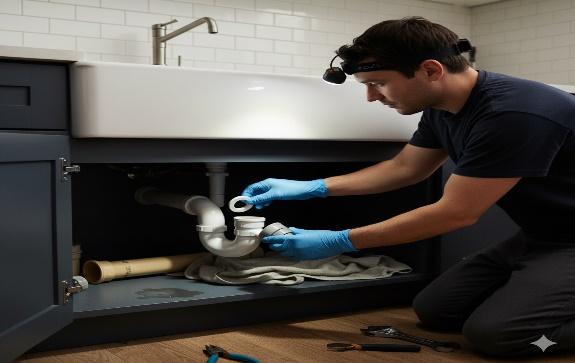

Renovating your kitchen? Stay safe with these essential DIY safety tips—from protective gear to electrical precautions and workspace organization.
What I Wish I Knew Before Picking Up That Drill
Renovating your kitchen is exciting—new tiles, fresh paint, maybe even a whole new layout. But before the transformation begins, there’s one thing that can make or break the experience: safety. I learned this the hard way when I tried to install open shelves without goggles and ended up with sawdust in my eye. Not fun.
Here’s everything I’ve learned about staying safe during kitchen renovations—from gear to habits to the stuff no one tells you.
Start with the Right Protective Gear
I used to think gloves and goggles were “extra.” Now I won’t start a single task without them. Whether you’re sanding, painting, or drilling, the right gear protects you from dust, chemicals, and sharp tools.
Essentials I always wear:
- Safety goggles (especially when cutting or sanding)
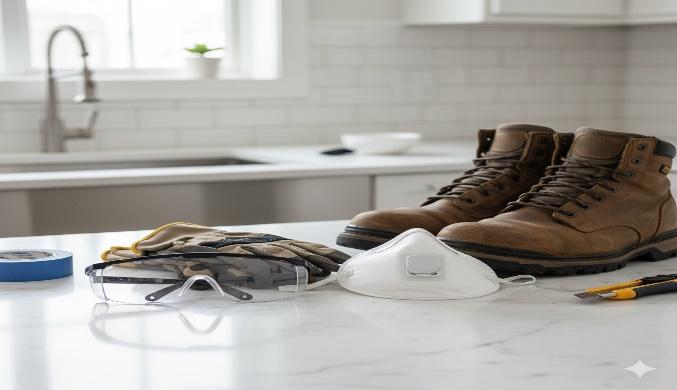
- Nitrile gloves for painting and chemicals
- Heavy-duty gloves for handling wood or metal
- Dust mask or respirator when sanding or spraying
- Closed-toe shoes—ideally steel-toe boots Best Paint Brushes and Rollers for Beginners
Respect Electricity—Always 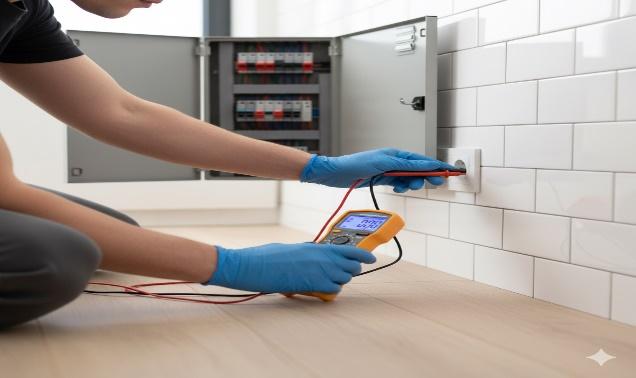
One of the riskiest parts of kitchen renovation is dealing with electrical outlets, lighting, or appliances. Before I even touch a screwdriver near a socket, I turn off the power at the breaker box. And I never assume wires are safe just because they “look fine.”
My rules:
- Turn off power at the source
- use a voltage tester before touching any wires
- Never work on wet surfaces
- Hire a licensed electrician for anything beyond basic fixture swaps How to Install a DIY Backsplash That Transforms Your Kitchen
Ladder Safety Is No Joke
I once tried to paint the top of a cabinet while standing on a stool. It wobbled, I slipped, and I nearly crashed into the fridge. Lesson learned. 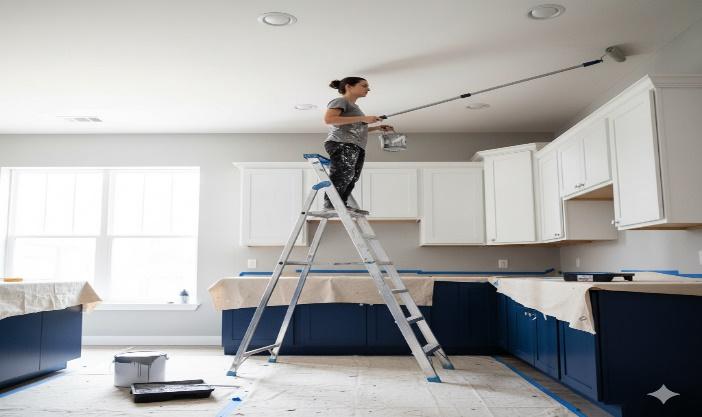
Now I follow these rules:
- Use a proper ladder, not furniture
- Make sure it’s on level ground
- Keep three points of contact at all times
- Never stand on the top rung
- Don’t overreach—move the ladder instead Repairing Minor Electrical Issues Safely
Use the Right Tool for the Job 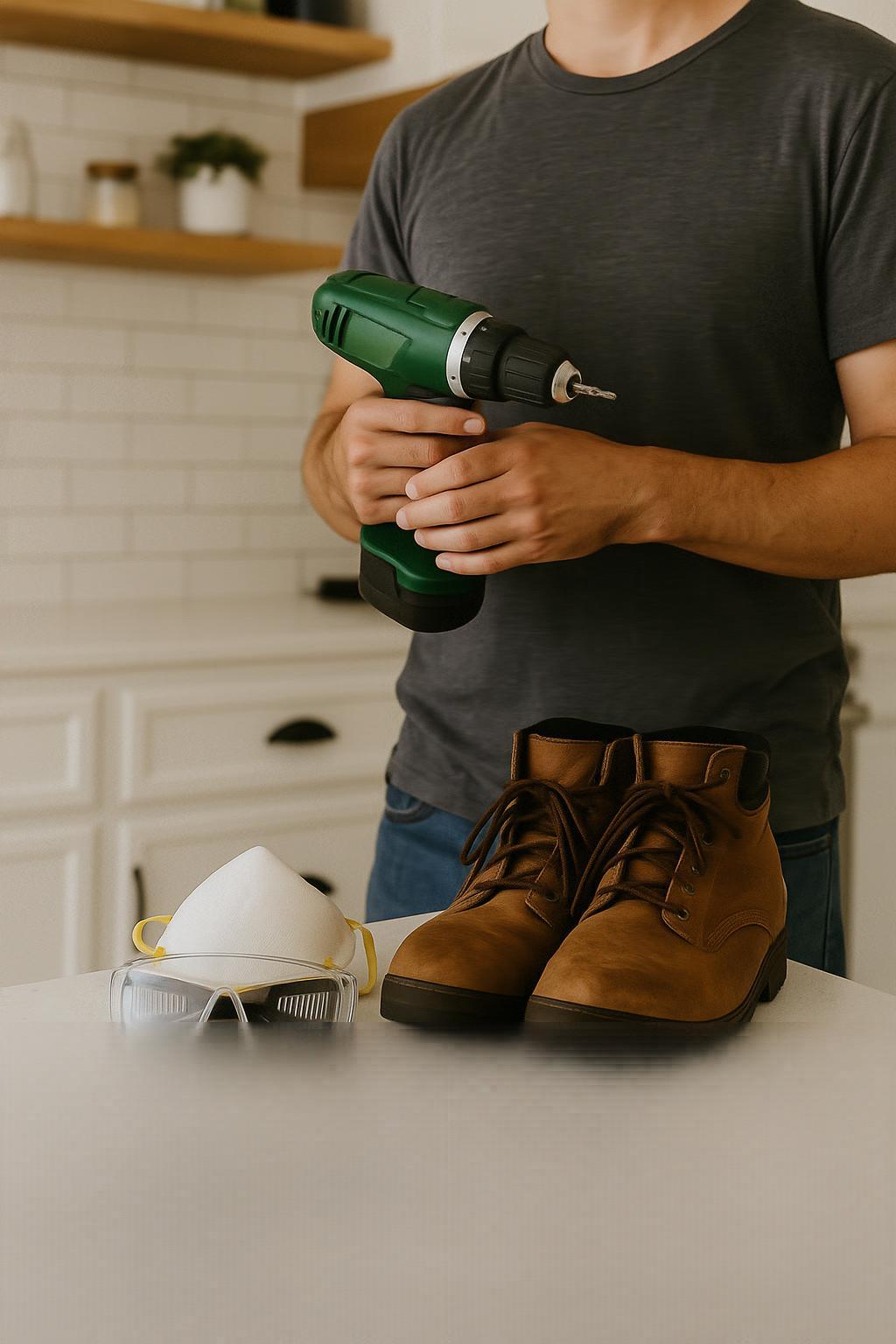
I once tried to remove tile with a screwdriver. It cracked, flew up, and hit my wrist. Now I always use the correct tool—and I check it before I start.
My checklist:
- Inspect tools for damage or wear
- Don’t use tools with frayed cords or loose parts
- Follow manufacturer instructions
- If I don’t have the right tool, I borrow or rent it Essential DIY Fixes Every Homeowner Should Know
Handle Chemicals with Care
Paints, adhesives, and cleaners can be toxic—especially in enclosed kitchen spaces. I always read the label, wear gloves, and keep windows open. 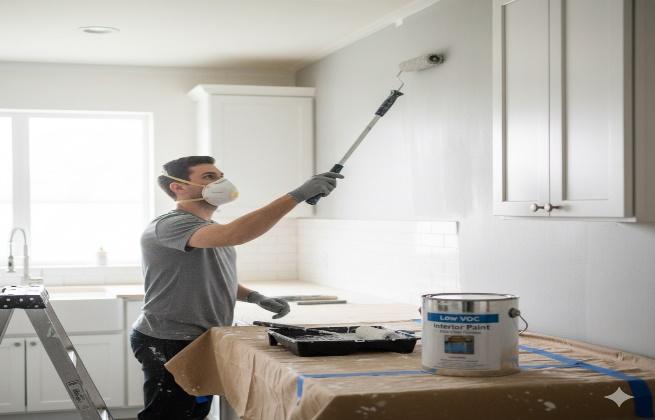
My habits:
- Use low-VOC paints when possible
- Wear a mask when spraying or staining
- Store chemicals in original containers, away from kids and pets
- Dispose of leftovers properly—not down the drain
Keep Your Workspace Clear
Tripping over a paint bucket or stepping on a screwdriver isn’t just annoying—it’s dangerous. I keep my workspace tidy and organized, especially when tools are involved. 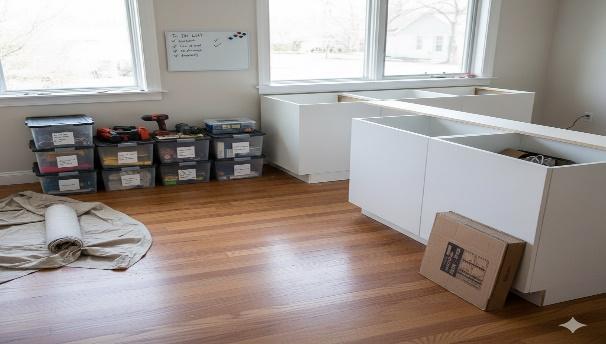
What I do:
- Clear clutter before starting
- Use trays or bins for tools and screws
- Tape down cords or keep them out of walkways
- Sweep regularly to avoid slipping on dust or debris
Watch Out for Heat and Fire Hazards
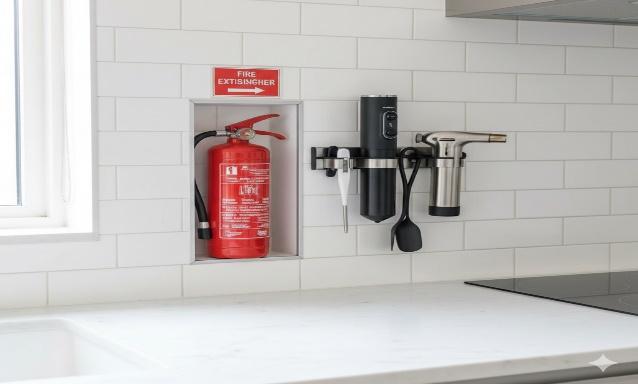
Kitchens have heat sources—ovens, stoves, and even heat guns for paint stripping. I make sure nothing flammable is nearby, and I keep a fire extinguisher within reach.
My fire safety tips:
- Don’t leave heat tools unattended
- Keep flammable materials away from stoves
- Use heat-resistant gloves when needed
Know where the fire extinguisher is—and how to use it
Plan Ahead—Don’t Rush
Most of my mistakes happened when I was rushing. Now I take time to plan each step, read instructions, and watch tutorials before I start. 
Planning helps me:
- Spot hazards early
- Avoid last-minute tool improvisation
- Stay calm and focused
- Finish faster—with fewer accidents