Bedroom Layouts That Maximize Space and Style
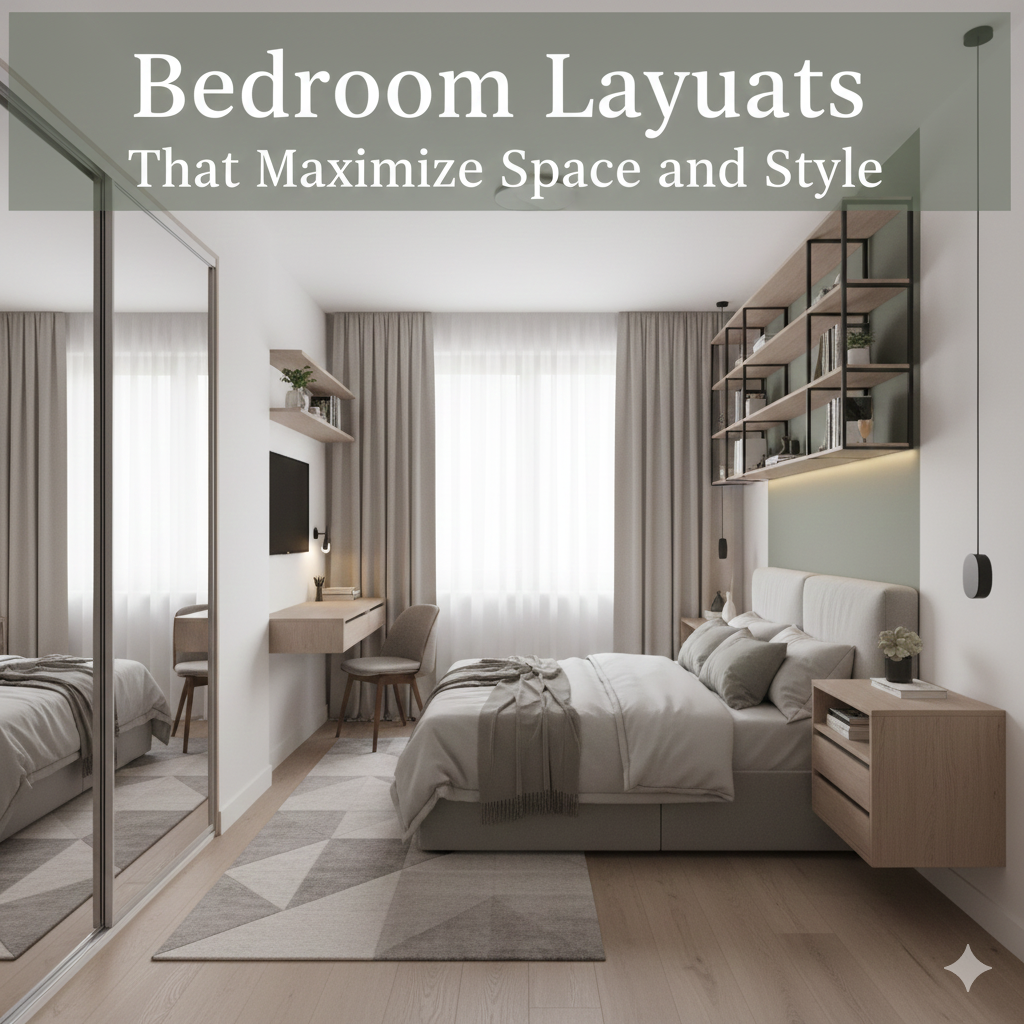 A bedroom is more than just a place to sleep. It’s the first thing you see in the morning and the last thing you experience before drifting off at night. It’s where you recharge, reflect, and sometimes even work or read. That’s why the way you design and arrange your bedroom matters so much. A well‑planned layout can make a small room feel bigger, a cluttered room feel calmer, and a plain room feel stylish.
The good news? You don’t need a huge budget or a professional designer. With a few smart choices, you can maximize both space and style, creating a bedroom that feels like a true retreat. Let’s walk through ten practical steps that blend function with personality.
Step 1: Give the Bed Its Place
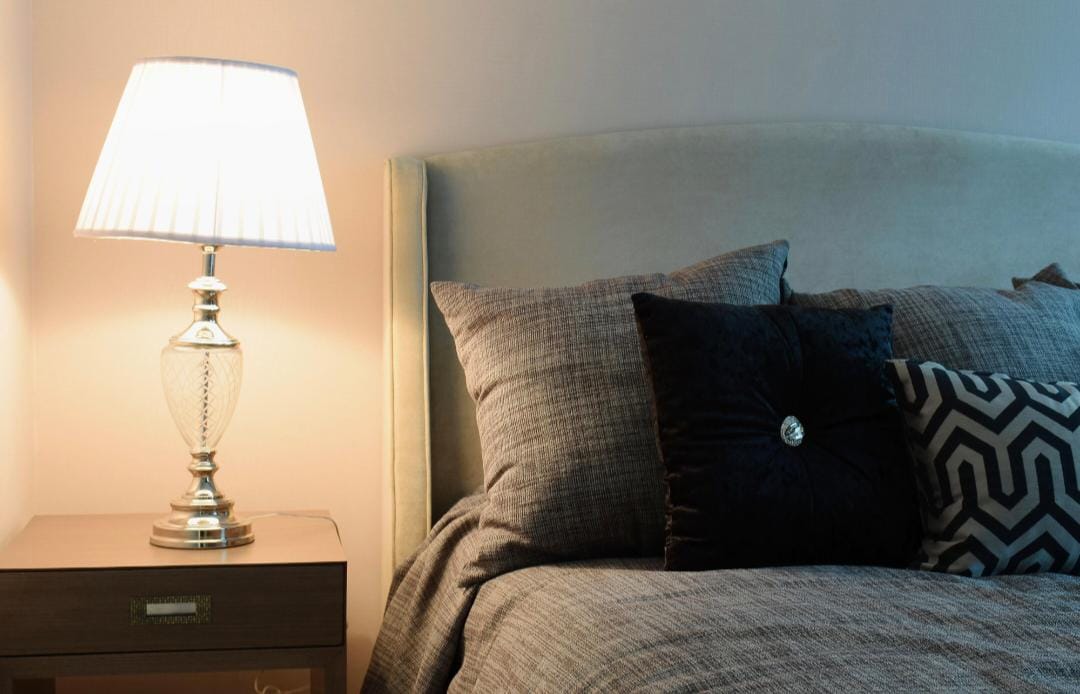 The bed is the centerpiece of any bedroom. Positioning it correctly sets the tone for the entire space. Ideally, place it against the longest wall, where it feels balanced and doesn’t block windows or doors. This creates a natural focal point and makes the room feel intentional.
If you’re worried about common mistakes, Room Design Mistakes to Avoid in Every Home highlights simple errors that can throw off balance—like cramming the bed into a corner or blocking natural light.
Step 2: Rethink Furniture Placement
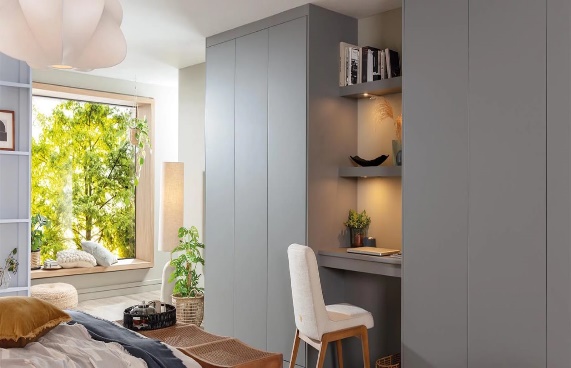 Most people push furniture against the walls, thinking it saves space. But sometimes floating a desk near a window or angling a dresser can actually improve flow. Don’t be afraid to experiment—move pieces around until the room feels open and natural.
For clever tricks, check Small Room Design Hacks That Actually Work. These ideas show how small adjustments can make a huge difference in tight spaces.
Step 3: Storage That Works Harder
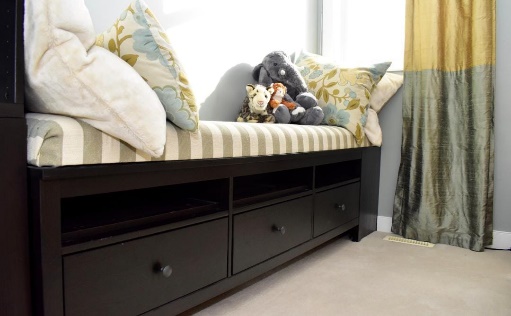 Bedrooms collect clutter quickly—clothes, books, electronics, and more. Smart storage keeps everything under control. Try under‑bed drawers, wall‑mounted shelves, or a storage bench at the foot of the bed. These solutions save space while keeping the room stylish.
For more inspiration, see Organizing Small Spaces Without Sacrificing Style. It’s full of practical ways to keep things neat without losing personality.
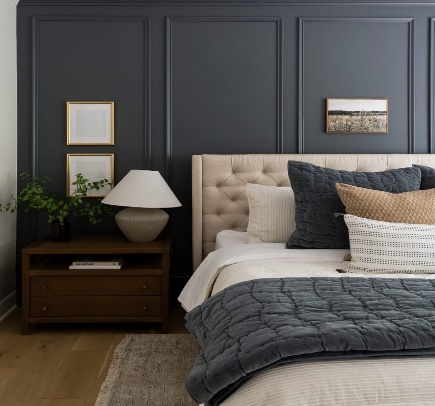 Step 4: Choose Colors That Expand
Colors influence how spacious a room feels. Light tones like beige, soft gray, or pale blue make the room feel airy, while darker accents add depth and sophistication. A muted palette with one bold accent—like navy pillows or a green throw—creates balance.
For guidance, see Choosing Color Palettes That Work. It explains how to combine neutrals with accents to achieve harmony.
Step 5: Layer Your Lighting
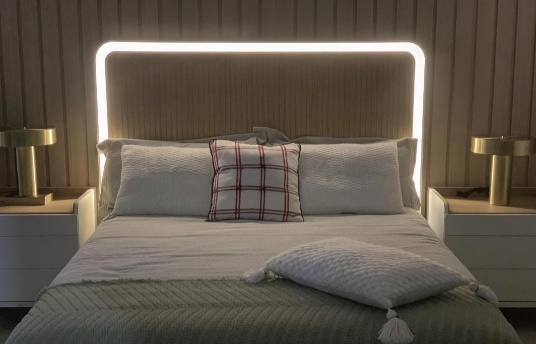 Lighting transforms mood. Bedrooms need more than one source: overhead lights for general use, bedside lamps for reading, and ambient touches for relaxation. Think of lighting as layers you can adjust depending on the time of day.
For practical ideas, explore DIY Accent Lighting Ideas. It shows how to add warmth and flexibility without spending much.
Step 6: Create a Corner for You
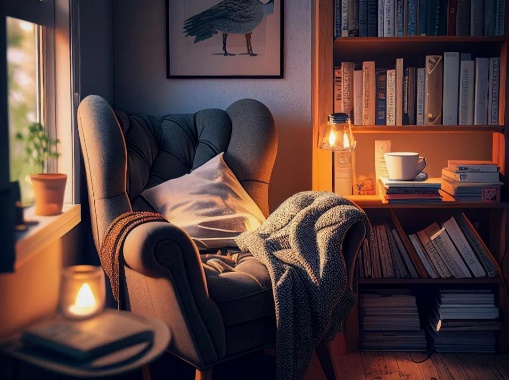 A bedroom isn’t just for sleeping. A small desk can turn it into a workspace, or a cozy chair can create a reading nook. Even in tight rooms, carving out a personal zone adds function and comfort.
For cozy inspiration, see Designing a Reading Nook That Feels Like a Retreat.
Step 7: Play with Textures
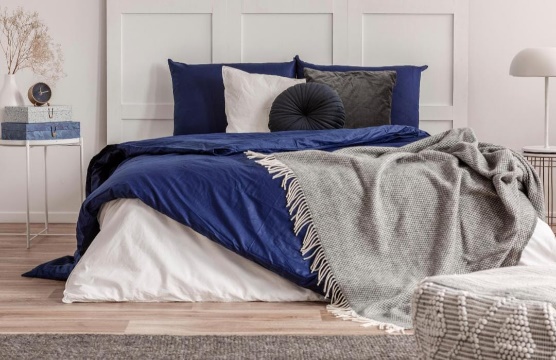
Style isn’t only about
color—it’s about touch. Linen sheets, velvet cushions, a wool rug, and wooden furniture create layers that feel rich and inviting. Mixing textures makes the room feel lived-in and personal.
For more tips, check Mixing Textures and Patterns in Your Space.
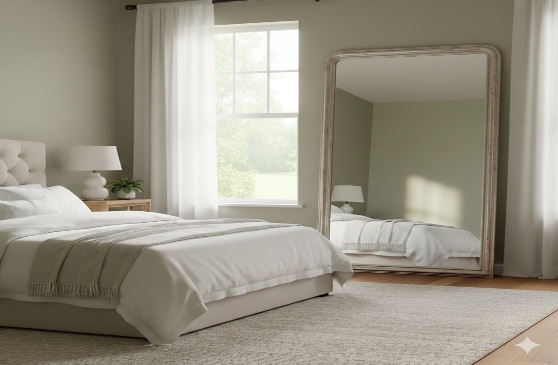 Step 8: Use Mirrors Wisely
Mirrors are a designer’s secret weapon. They make small rooms feel bigger and bounce light around. A full‑length mirror opposite a window can double the brightness, while mirrored closet doors add elegance.
For more tricks, see How to Use Mirrors to Expand Space and Light.
Step 9: Decor That Feels Personal
A bedroom should tell your story. A framed photo, a favorite piece of art, or a plant on the nightstand adds personality without clutter. Keep it minimal but meaningful.
For seasonal inspiration, check Seasonal Decorating Ideas for Every Room.
Step 10: Keep It Easy to Maintain
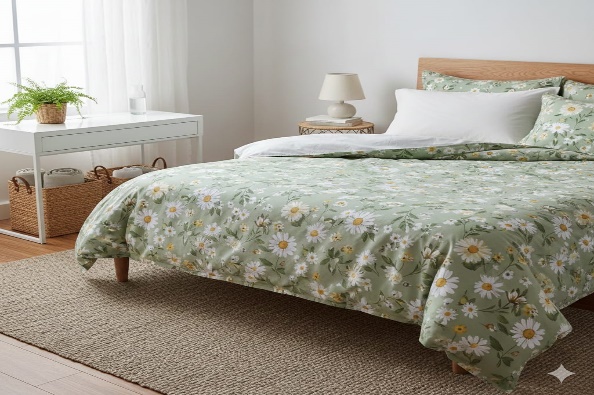
Style only works if it lasts. Storage baskets, rotating bedding, and clear surfaces make the room easy to keep fresh. A tidy bedroom feels bigger, calmer, and more inviting.
Final Thoughts
Designing a bedroom that maximizes space and style is really about creating a place that feels like home. It’s not just about where the bed goes or which colors you choose—it’s about how the room supports your daily life. A well‑planned layout makes mornings easier, smart storage keeps clutter under control, and thoughtful lighting changes the mood from day to night.
Textures and mirrors add depth, while personal touches—a favorite photo, a plant, or a piece of art—remind you that this space belongs to you. Even small changes, like swapping cushions or moving a chair, can completely shift the atmosphere.
The most important thing is that your bedroom should welcome you in. It should be the space where you can breathe, recharge, and feel at ease. When you walk in at the end of the day, the room should feel like a retreat that reflects your personality and gives you comfort. With a little creativity and attention to detail, any bedroom can become more than just a place to sleep—it can be a sanctuary you look forward to spending time in.