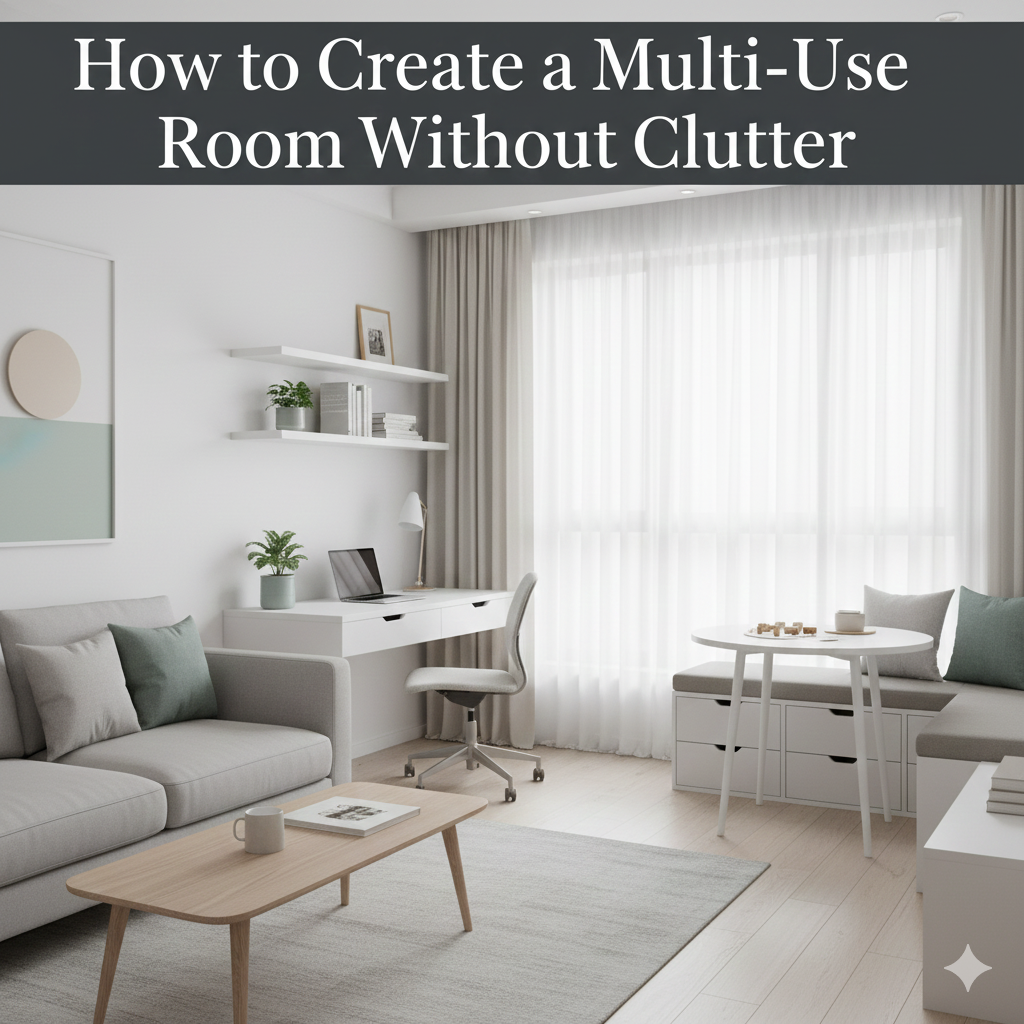
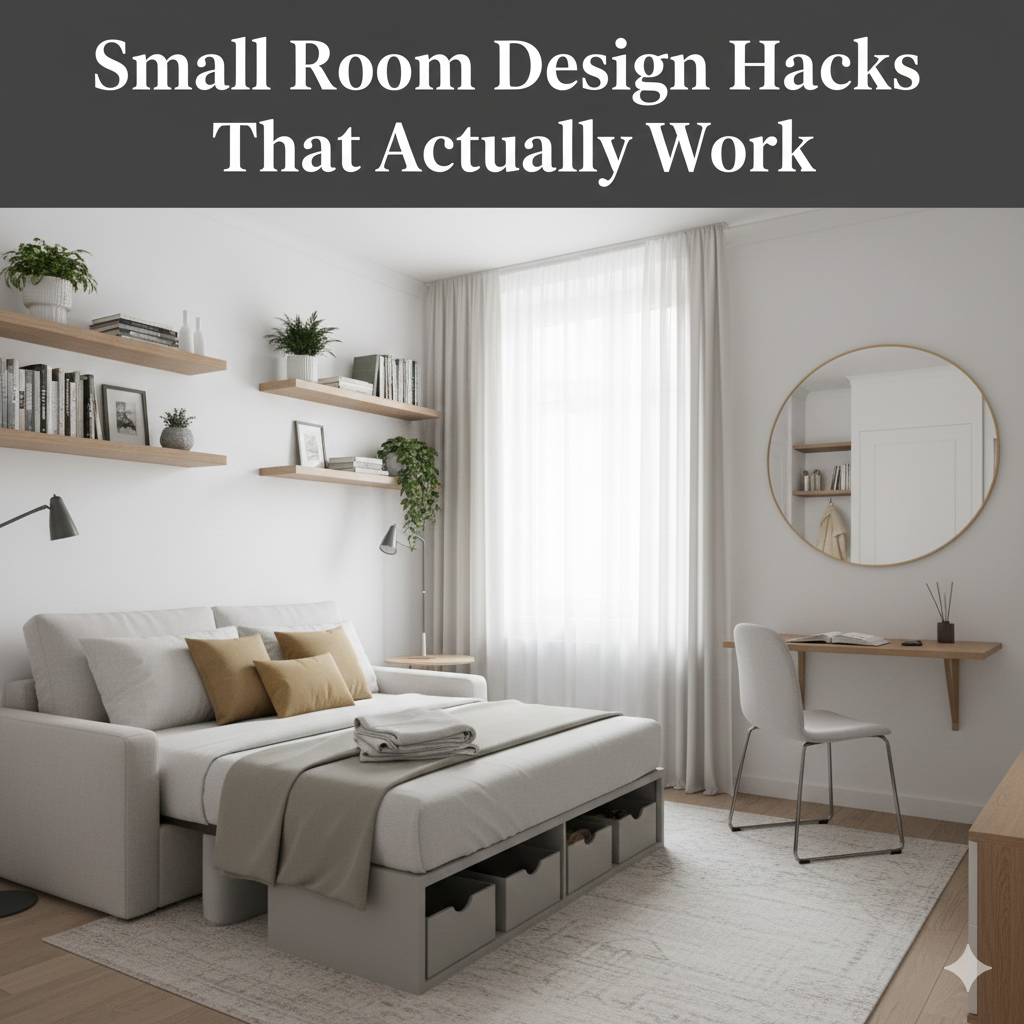
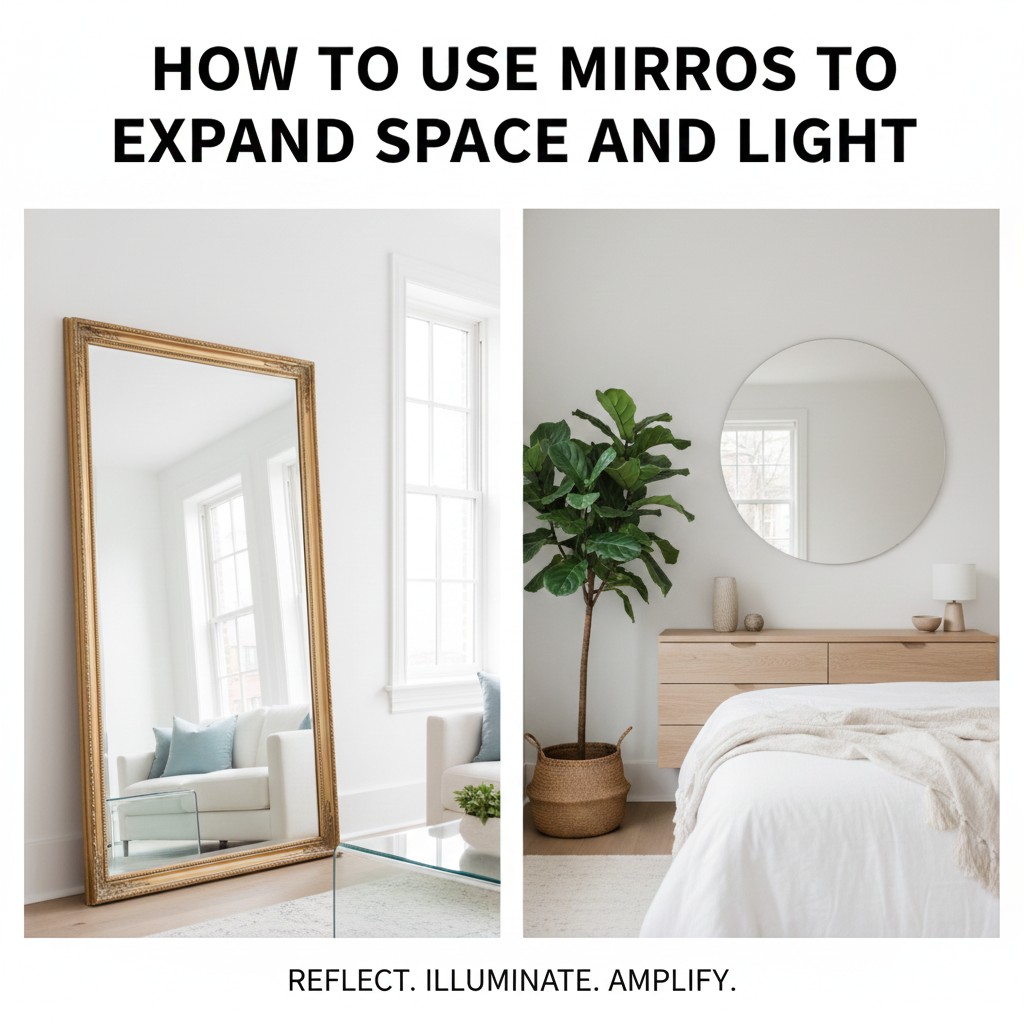
 Mirrors are one of the simplest yet most powerful design tools. They don’t just reflect your face in the morning—they reflect light, create depth, and make even the smallest rooms feel bigger. When used thoughtfully, mirrors can transform a space from cramped and dark into open and bright. The trick is knowing where to place them and how to style them so they feel intentional, not random.
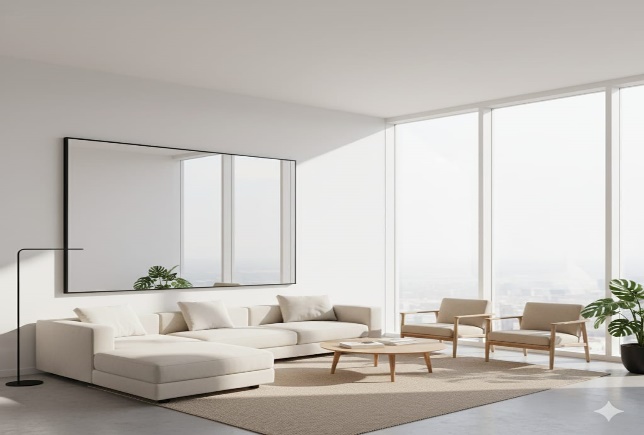 Step 1: Place Mirrors Opposite Windows
The easiest way to maximize natural light is to position a mirror opposite a window. This trick doubles the daylight, bouncing it back into the room and making it feel brighter. It’s especially effective in small living rooms or bedrooms where natural light is limited.
For guidance, see Room Design Mistakes to Avoid in Every Home.
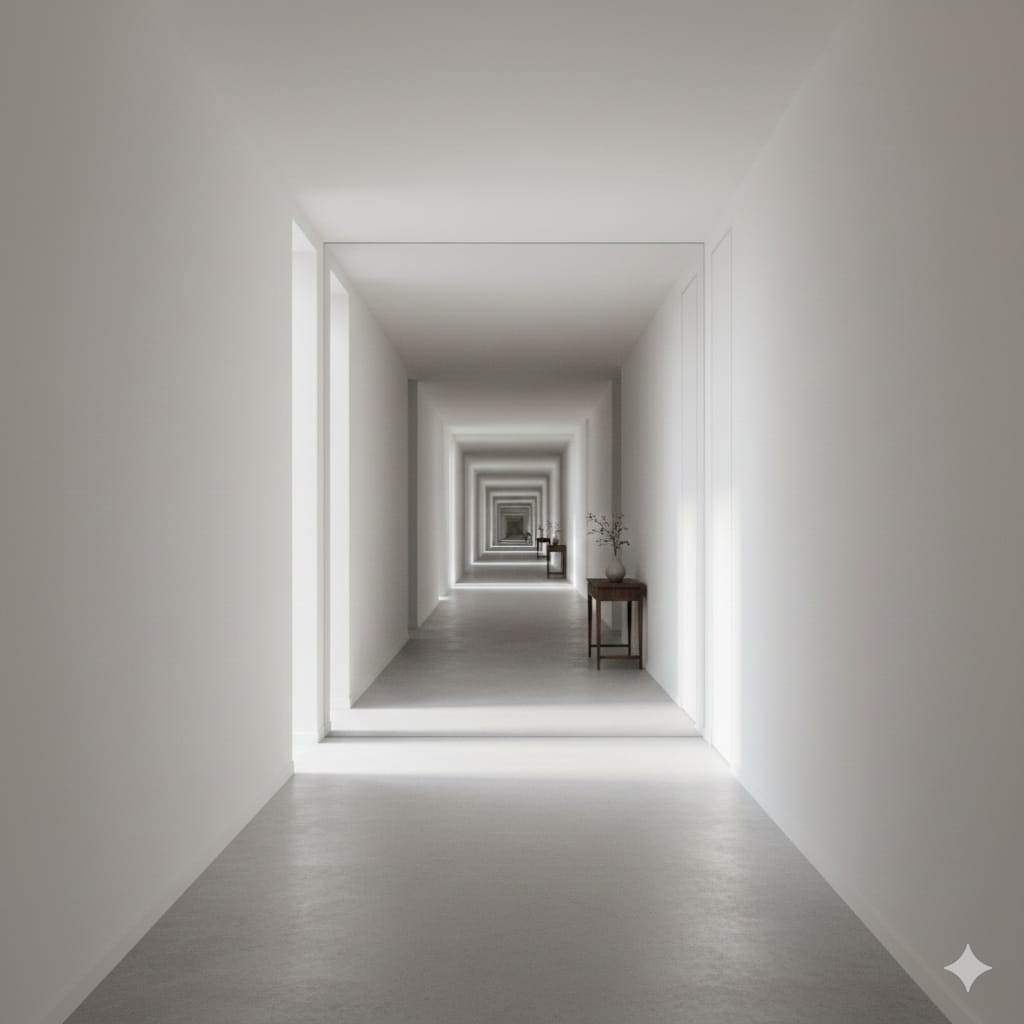
Step 2: Use Large Mirrors to Create Depth
A full‑length mirror or oversized wall mirror can visually expand a room. It tricks the eye into thinking there’s more space, especially in narrow hallways or small bedrooms. Large mirrors act almost like an extra window, opening up the room.
For inspiration, check Small Room Design Hacks That Actually Work.
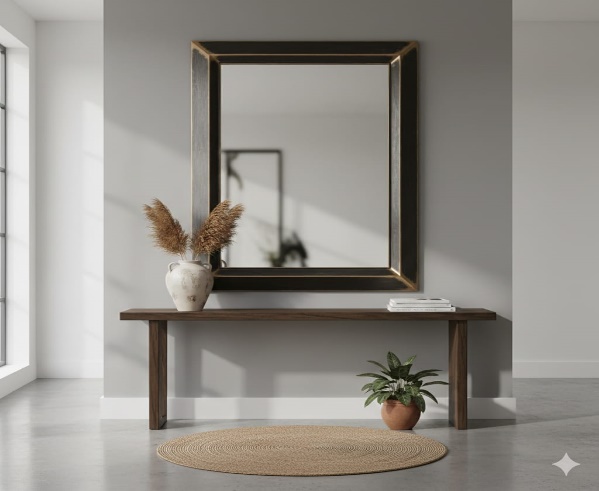
Step 3: Style Mirrors as Focal Points
Mirrors don’t have to hide in corners. A bold framed mirror above a fireplace or a statement piece in the entryway can anchor the room and add personality. Treat mirrors like art—they can be decorative as well as functional.
For guidance, see How to Create a Focal Point in Any Room.
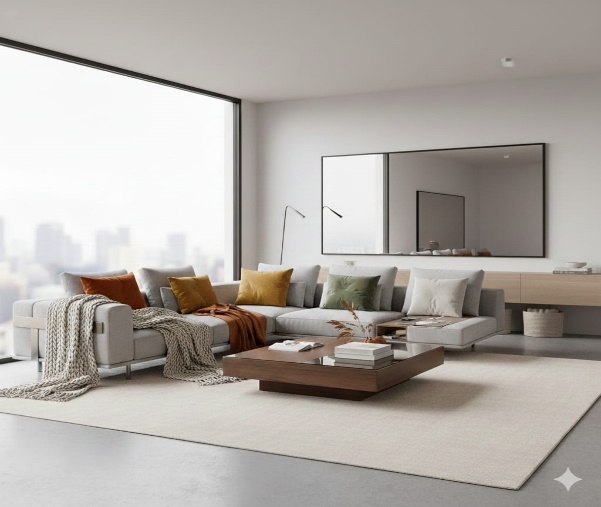 Step 4: Layer Mirrors with Decor
Combine mirrors with shelves, art, or plants to make them feel integrated. A mirror behind a console table styled with books and greenery adds depth and charm. This layering makes mirrors part of the design, not just an afterthought.
For ideas, see Styling Open Shelves with Purpose.
Step 5: Use Mirrors in Unexpected Places
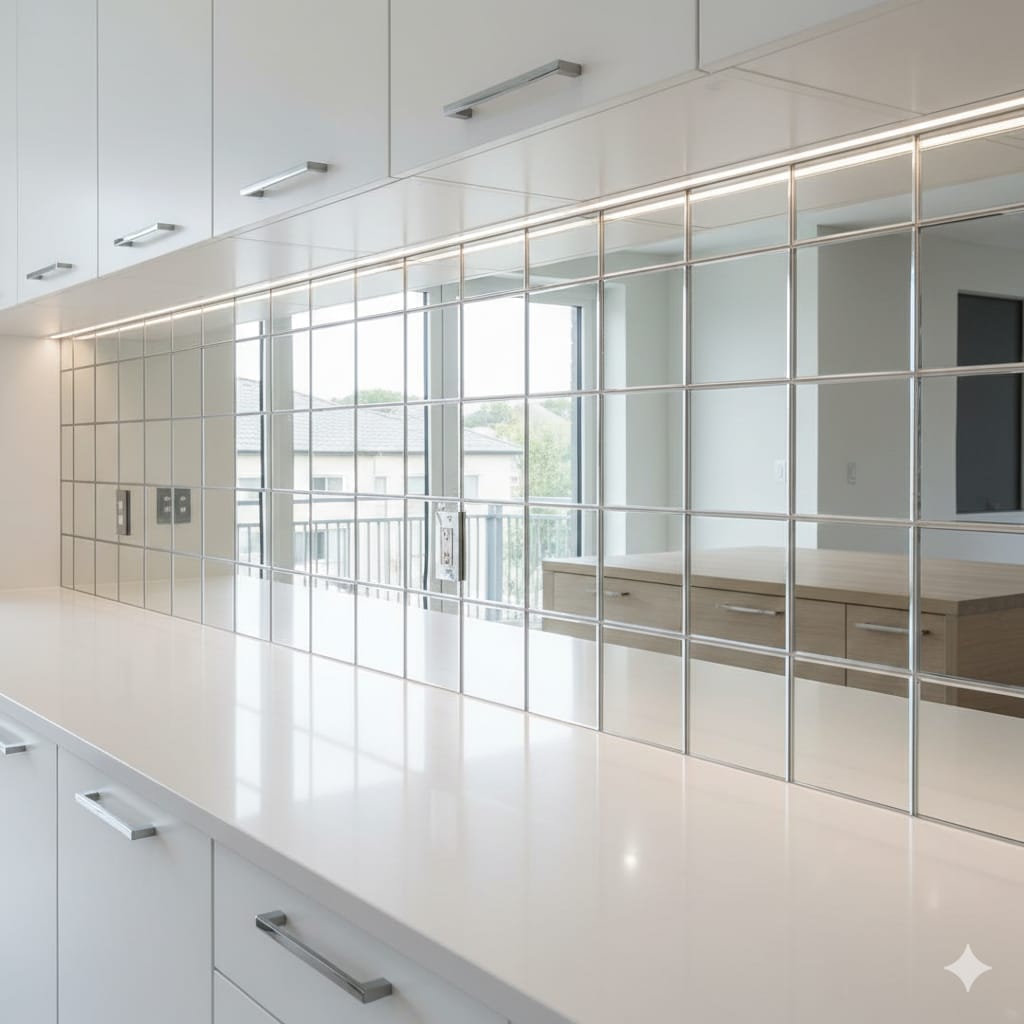 Think beyond the living room. A mirror in the kitchen backsplash adds sparkle, while mirrored closet doors make bedrooms feel larger. Even bathrooms benefit from oversized mirrors that expand light. These unexpected placements add surprise and style.
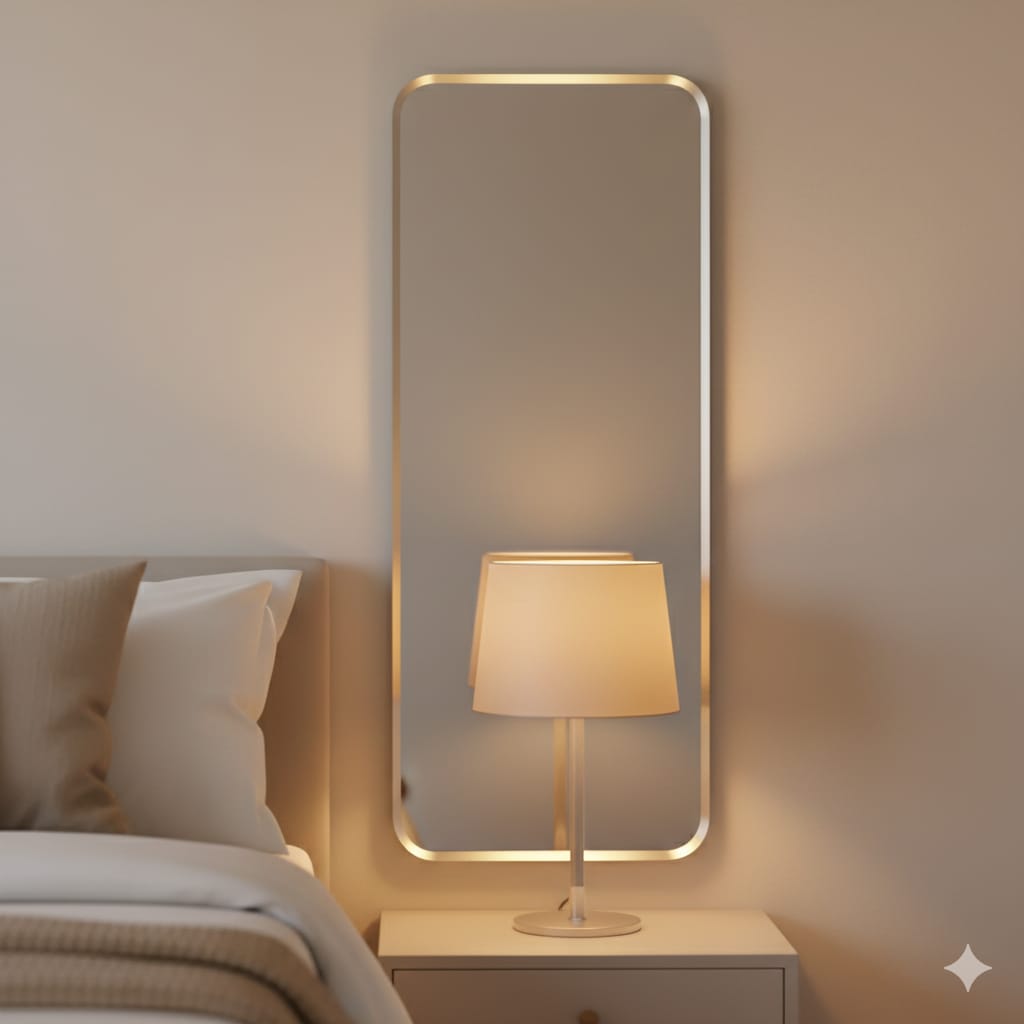 Step 6: Pair Mirrors with Lighting
Mirrors amplify artificial light too. Place them near lamps or sconces to double the glow. This is especially useful in rooms without much natural light. A mirror beside a lamp creates a cozy, warm atmosphere.
For guidance, see DIY Accent Lighting Ideas.
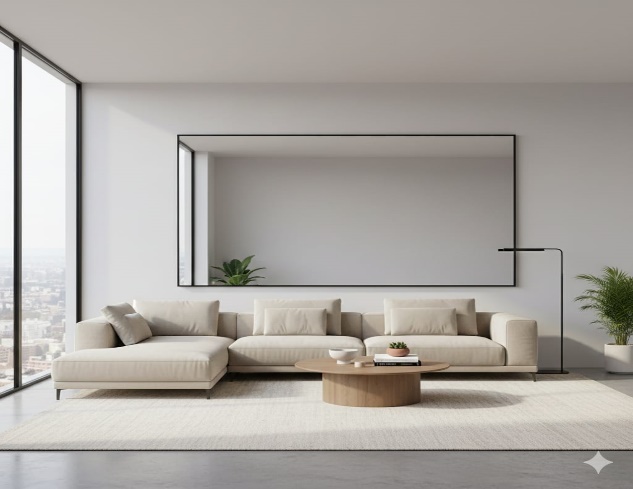
Step 7: Keep It Balanced
Too many mirrors can feel overwhelming. Use them strategically—one large piece or a few smaller accents are enough. Balance is key to making the room feel stylish, not chaotic.
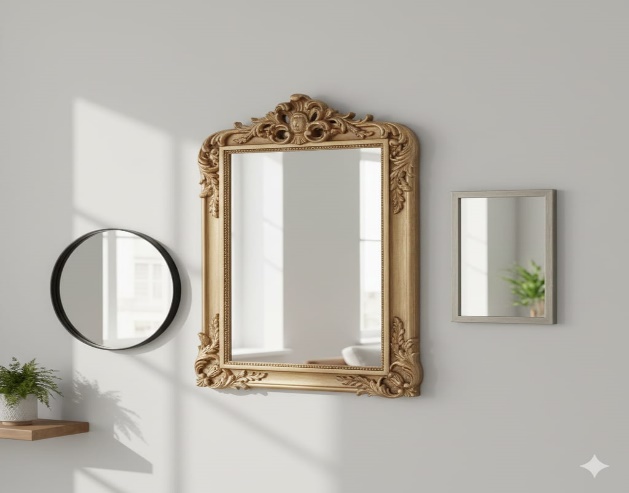 Step 8: Mix Shapes and Frames
Mirrors don’t have to be rectangular. Round, oval, or irregular shapes add interest. Frames also matter—sleek metal frames feel modern, while ornate wooden frames add vintage charm. Mixing shapes and styles keeps the look fresh.
For inspiration, check Mixing Textures and Patterns in Your Space.
Step 9: Use Mirrors to Guide Flow
Mirrors can direct attention and guide movement. Placing a mirror at the end of a hallway draws the eye forward, making the space feel longer. In open‑plan rooms, mirrors can subtly define zones.
For guidance, see How to Zone Open-Plan Spaces Effectively.
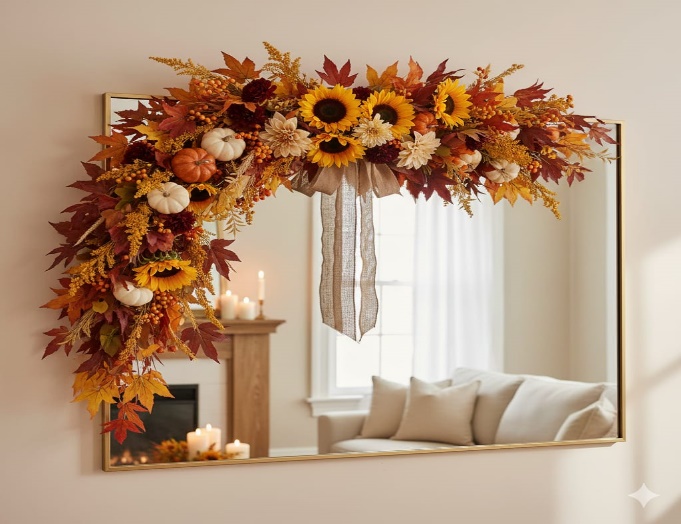
Step 10: Refresh Seasonally
Like other decor, mirrors can be refreshed with the seasons. Add garlands in winter, fresh flowers in spring, or woven frames in summer. Seasonal styling keeps mirrors dynamic and connected to the rhythm of the year.
For inspiration, check Seasonal Decorating Ideas for Every Room.
.
Final Thoughts
Mirrors are more than functional objects—they’re design magic. By reflecting light, creating depth, and serving as focal points, they make small rooms feel bigger and dark rooms feel brighter. Whether it’s a large statement mirror or a subtle accent, the right placement transforms the atmosphere.
The beauty of mirrors is that they’re versatile and affordable. With thoughtful styling, you can expand space, brighten light, and add personality—all with a single piece of glass