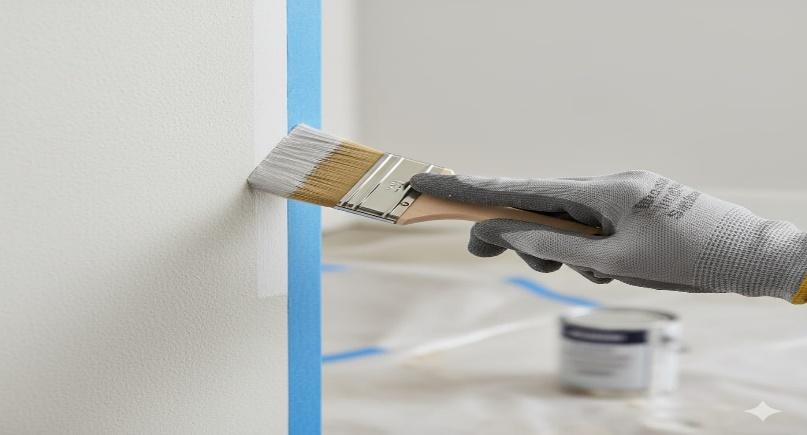
Planning a renovation? This guide covers the must-have materials for walls, floors, insulation, and finishes—so your project stays strong, stylish, and stress-free.
Why Material Choice Can Make or Break Your Renovation
Renovating your home isn’t just about picking colors and layouts—it’s about choosing materials that hold up over time. Whether you’re redoing a bathroom or gutting a kitchen, the wrong material can lead to warping, cracking, mold, or just plain regret.
This guide walks you through the essentials—the stuff that matters most when it comes to durability, style, and budget. No fluff, no jargon. Just real-world advice to help you build smart Budget -Friendly Room Makeovers
Step 1: Drywall—The Backbone of Your Walls
Drywall (also called gypsum board) is what most interior walls are made of. It’s easy to install and paintable and works well for soundproofing and fire resistance.
Why it matters: 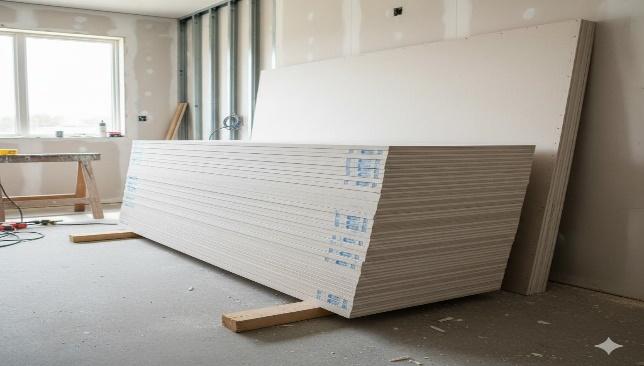
- Smooth finish for paint or wallpaper
- Affordable and widely available
- Can be moisture-resistant for bathrooms
Human moment: One DIYer tried skipping drywall in favor of wood panels—but ended up with uneven surfaces and a headache. Drywall gave her the clean finish she needed. Fixing Squeaky Doors and Floors
Step 2: Plywood and MDF—For Cabinets, Shelves, and Subfloors
Plywood is strong and versatile. MDF (medium-density fiberboard) is smoother and great for painted surfaces. Both are used in cabinetry, furniture, and even under flooring.
Why it matters: 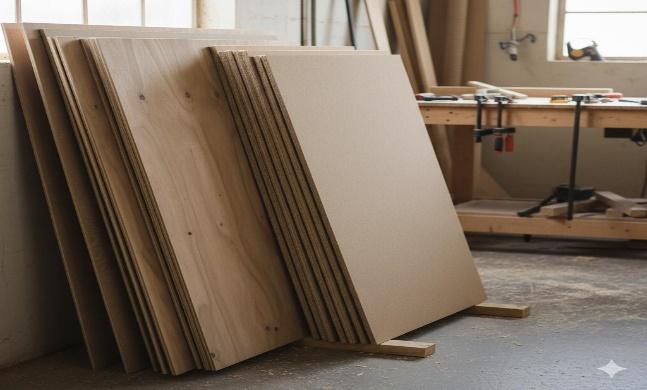
- Plywood holds screws better
- MDF gives a clean finish for paint
- Both are budget-friendly and easy to cut
Tip: Use moisture-resistant MDF in kitchens and bathrooms — regular MDF can swell if it gets wet. Upcycling Furniture for Beginners
Step 3: Tile—Durable, Stylish, and Easy to Clean
Tiles aren’t just for bathrooms. They work great in kitchens, entryways, and even feature walls. Ceramic and porcelain are the most common—both are water-resistant and long-lasting. 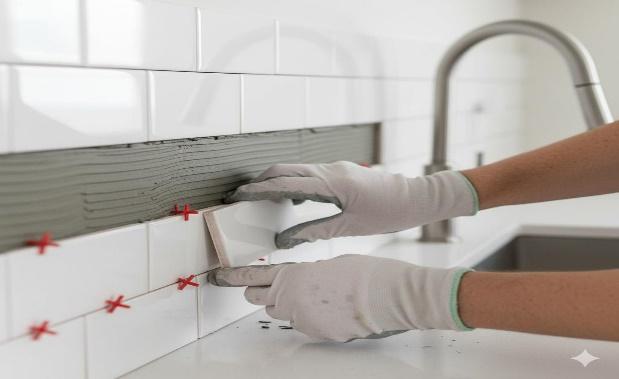
Why it matters:
- Easy to clean
- Tons of design options
- Great for high-traffic or wet areas
Human moment: One reader used patterned tiles behind her stove—now it’s the most complimented spot in her kitchen. Best Paint Brushes and Rollers for Beginners
Step 4: Insulation—Keep the Heat In and the Noise Out
Insulation isn’t glamorous, but it’s essential. It keeps your home warm in winter, cool in summer, and quiet all year round. 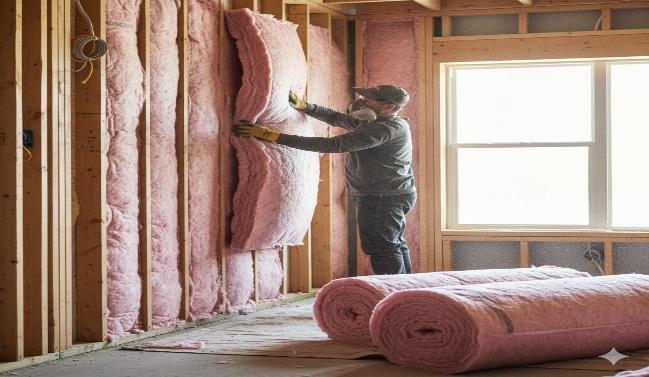
Why it matters:
- Saves energy and lowers bills
- Improves comfort
- Reduces sound between rooms
Tip: Use foam board or spray foam for tight spaces—and don’t forget attic and basement coverage.
Step 5: Paint and Primer—The Final Touch That Sets the Mood
Paint transforms a space—but only if the surface is prepped right. Primer helps paint stick and last longer, especially on new drywall or patched areas. 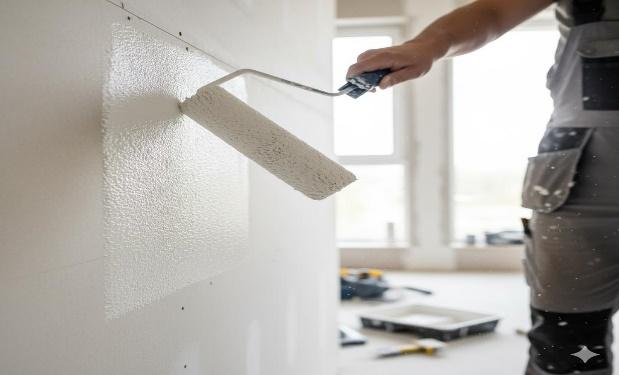
Why it matters:
- Primer prevents blotchy finishes
- Paint adds personality and protection
- Choose low-VOC options for better air quality
Human moment: One DIYer skipped primer and had to repaint her living room twice. Lesson learned: prep saves time. Styling Open Shelves with Purpose
Step 6: Flooring—Choose What Fits Your Lifestyle
From hardwood to vinyl to laminate, flooring sets the tone for your space. Each type has pros and cons—think about pets, kids, moisture, and maintenance. 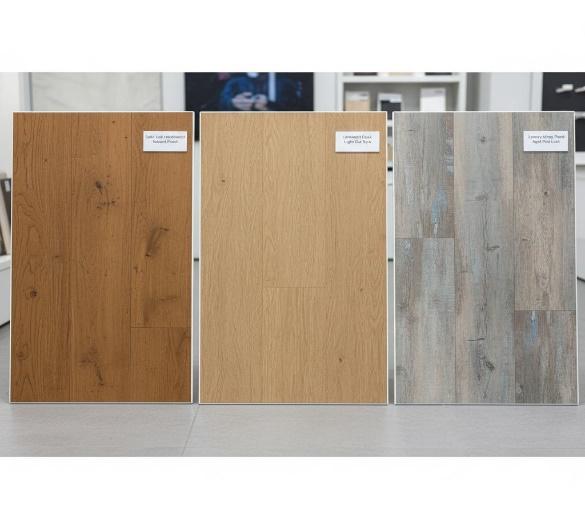
Why it matters:
- Hardwood is timeless but pricey
- Laminate is budget-friendly and stylish
- Vinyl is waterproof and durable
Tip: Use area rugs to soften hard floors and add warmth. Top 20 Tools Every DIYer Needs
Final Thoughts—Build with Intention
Renovation isn’t just about what looks good—it’s about what lasts. Choosing the right materials means fewer repairs, better comfort, and a space that truly works for you.
Start with the essentials. Think about how you live. And build a home that feels like yours—from the inside out. Budget-Friendly Room Makeovers