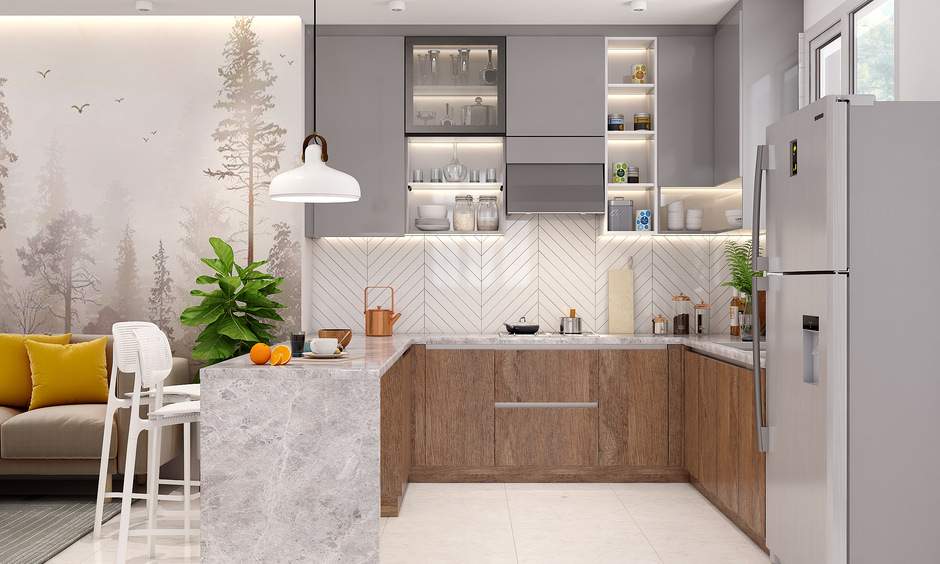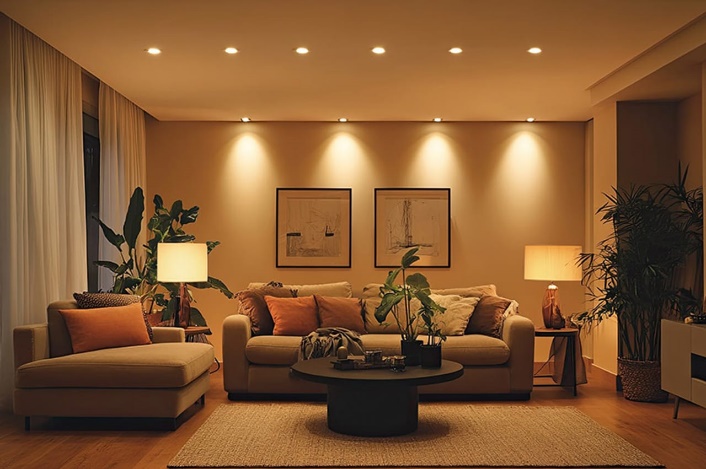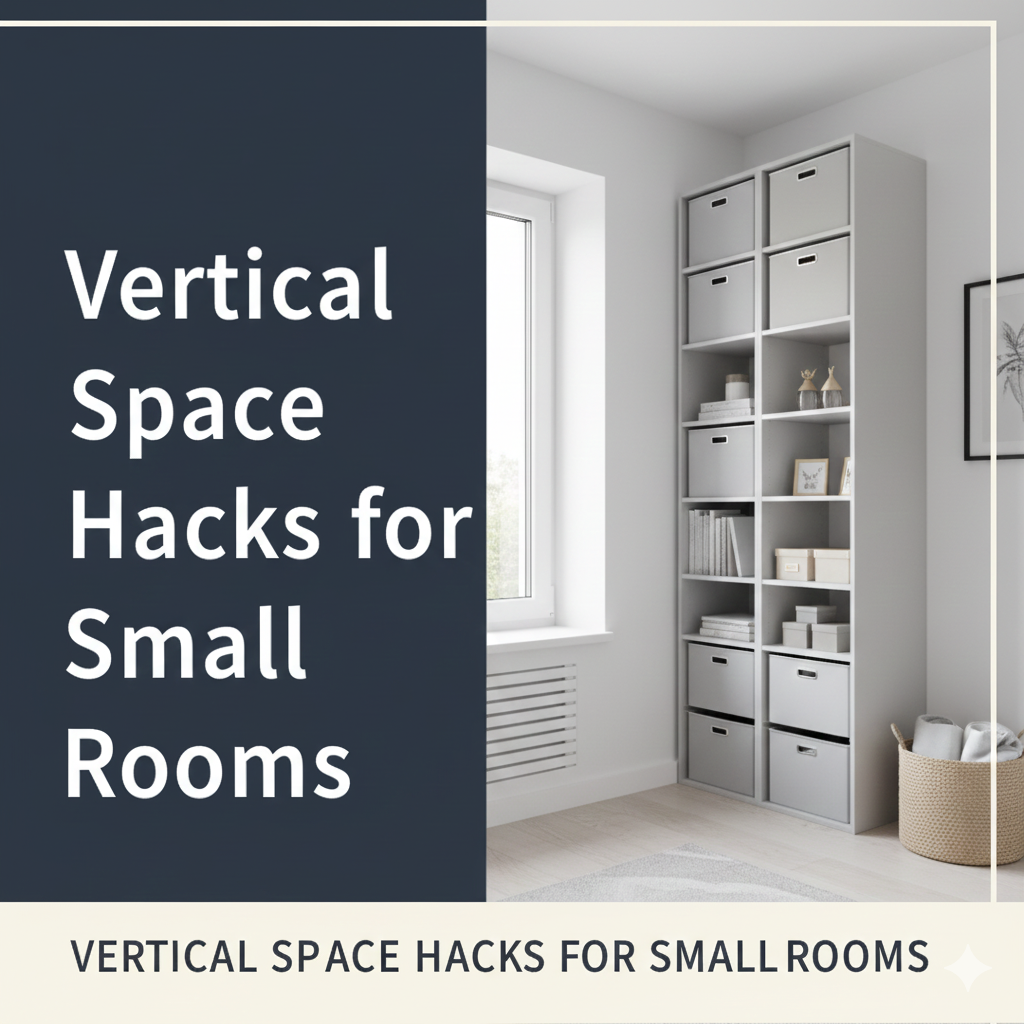
When floor space is limited, the walls and vertical surfaces become your best friends. Small rooms often feel cramped because we only think horizontally—arranging furniture side by side, filling corners, and leaving walls bare. But vertical space offers endless opportunities for storage, style, and functionality. By looking upward, you can transform a small room into a layered, organized, and visually appealing environment.
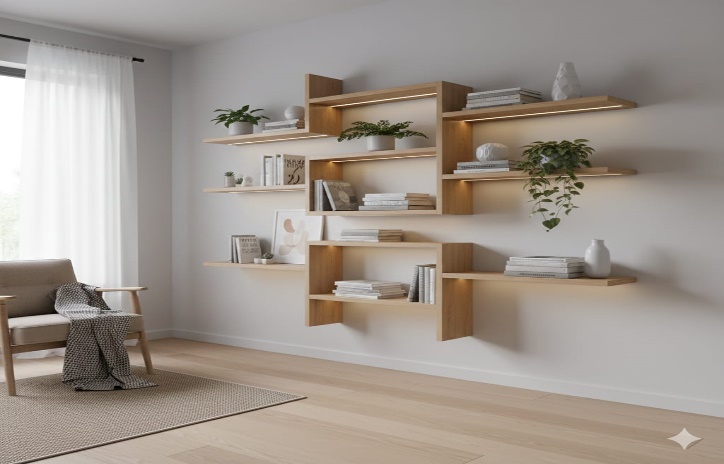 Step 1: Install Floating Shelves
Floating shelves are versatile and stylish. They provide storage without taking up floor space. Use them for books, plants, or decorative items. Stagger shelves at different heights to create visual interest.
For guidance, see Styling Open Shelves with Purpose.
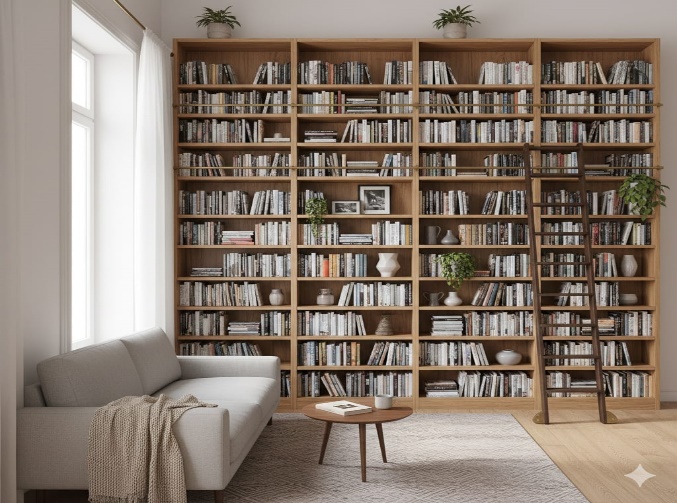
Step 2: Use Tall Bookcases and Cabinets
Instead of wide furniture, go tall. A floor‑to‑ceiling bookcase or cabinet maximizes storage while drawing the eye upward, making the room feel taller.
For inspiration, check out Organizing Small Spaces Without Sacrificing Style.
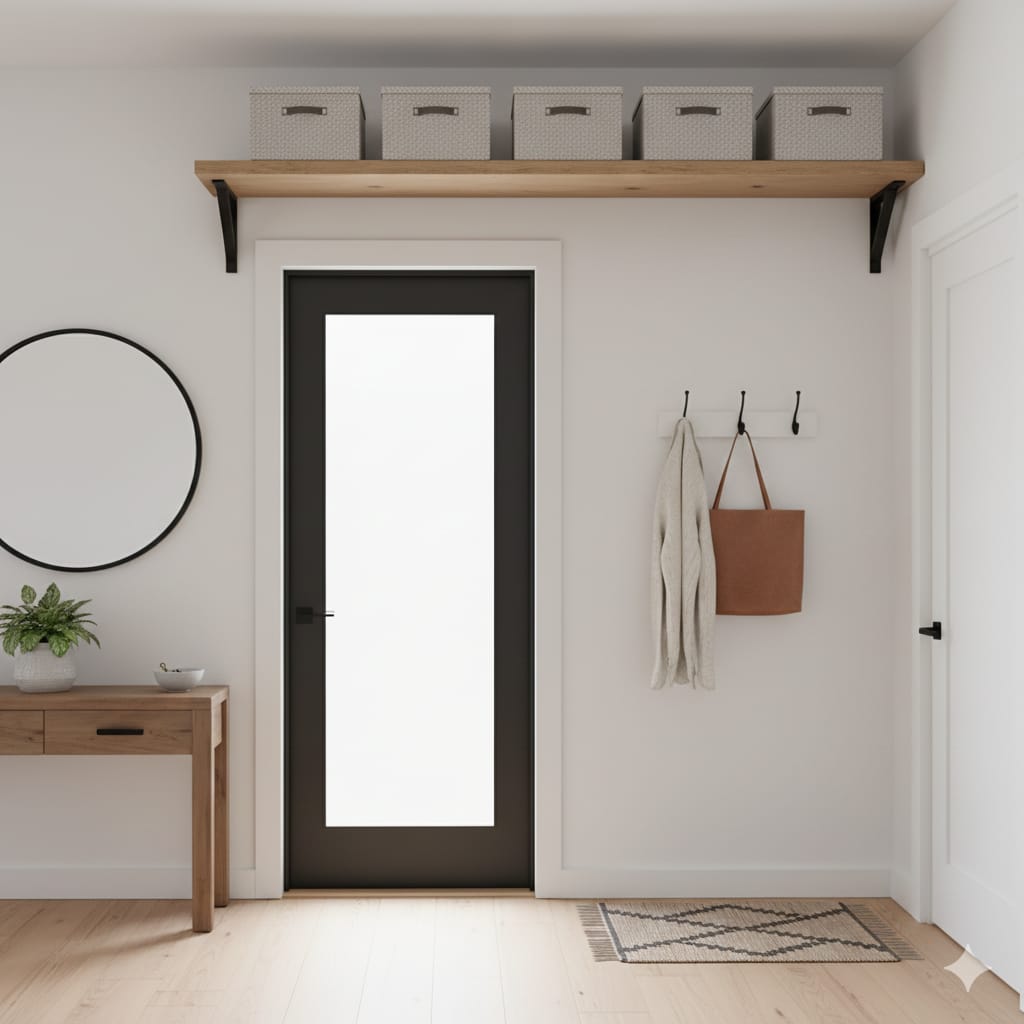
Step 3: Add Over‑Door Storage
The space above doors is often wasted. Install shelves or cabinets above door frames to store items you don’t use daily, like seasonal decor or extra linens.
For ideas, see Small Room Design Hacks That Actually Work.
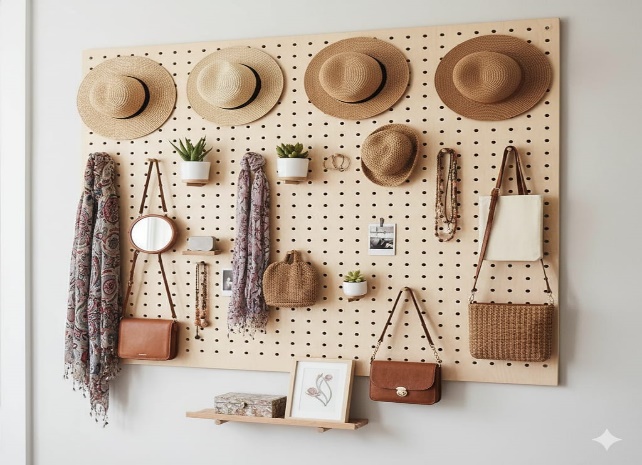 Step 4: Hang Pegboards and Wall Organizers
Pegboards are customizable and perfect for small rooms. Use them in kitchens for utensils, in offices for supplies, or in bedrooms for accessories. They keep items visible and accessible while freeing up surfaces.
For guidance, see DIY Decor Projects That Make a Big Impact.
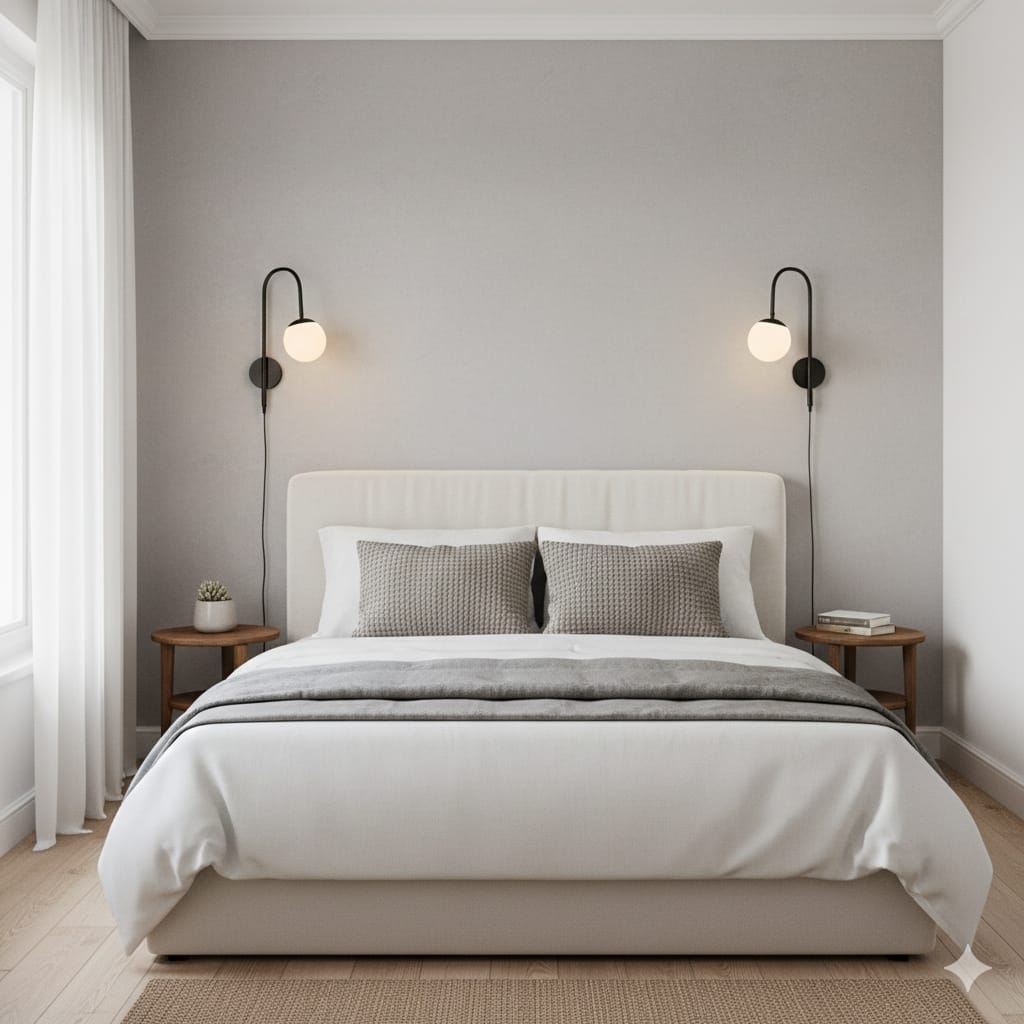 Step 5: Use Vertical Lighting
Floor lamps take up space. Instead, use wall sconces or pendant lights. They free up floor area while adding style. Vertical lighting also draws the eye upward, enhancing the sense of height.
For inspiration, check out DIY Accent Lighting Ideas.
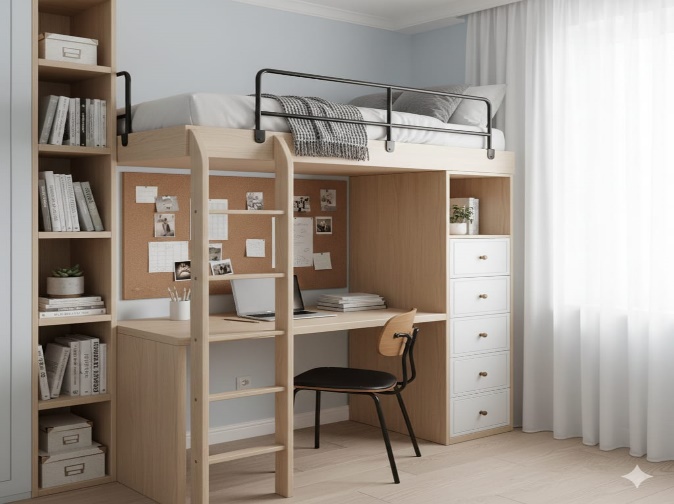 Step 6: Create Lofted Zones
Lofted beds or raised platforms are excellent for small rooms. The space underneath can be used for desks, wardrobes, or cozy seating. This doubles functionality without expanding the footprint.
For guidance, see Bedroom Layouts That Maximize Space and Style.
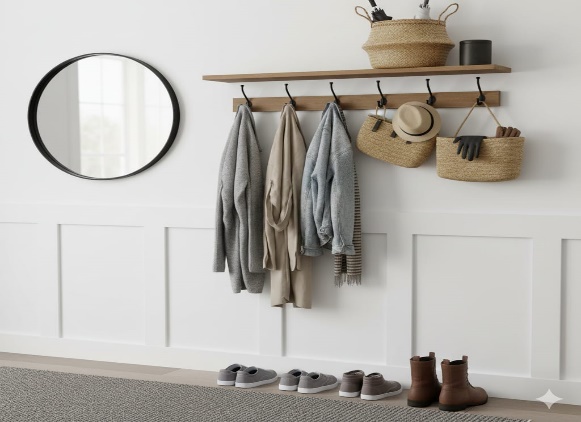 Step 7: Use Hooks and Hanging Storage
Hooks are simple but powerful. Hang bags, coats, or baskets on walls to keep items off the floor. Hanging storage solutions like fabric organizers or wall‑mounted racks add function without bulk.
For ideas, see Room Design Mistakes to Avoid in Every Home.
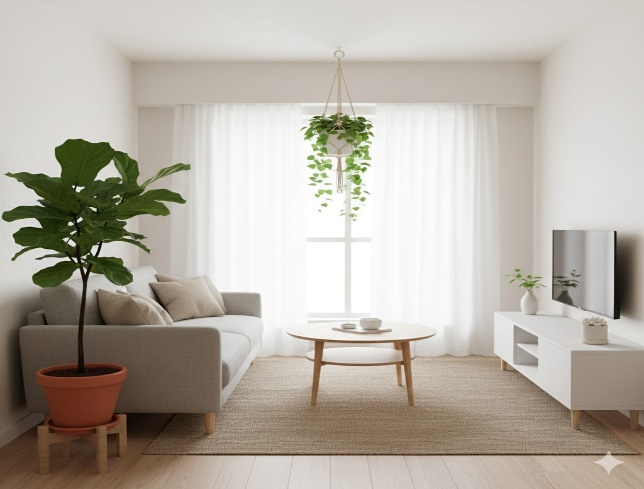
Step 8: Style with Tall Plants
Plants don’t just sit on the floor. Use tall plants or hanging planters to add greenery vertically. They bring life to small rooms without crowding surfaces.
For guidance, see Decorating with Plants: Style + Air Quality.
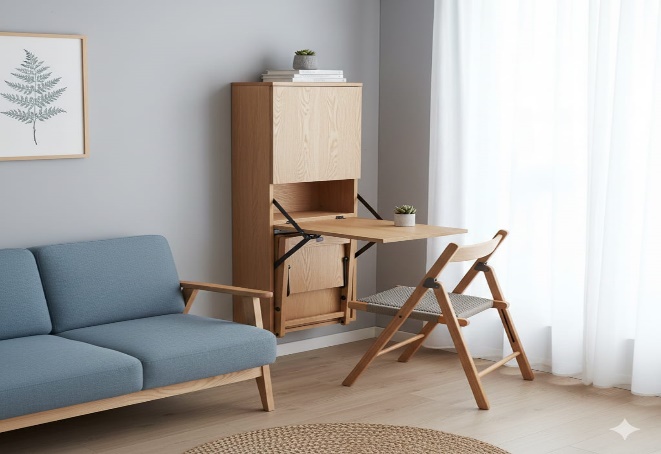 Step 9: Add Wall‑Mounted Desks and Foldables
Wall‑mounted desks or foldable tables are perfect for small rooms. They provide workspace when needed and fold away when not, keeping the floor clear.
For inspiration, check Designing a Productive Home Office Setup.
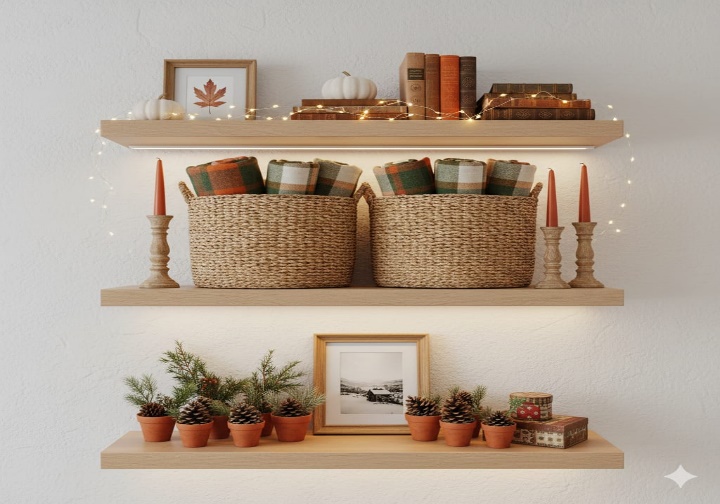 Step 10: Think Seasonal and Rotational
Vertical storage works best when it’s intentional. Rotate items seasonally—display decor, store off‑season clothes, or swap accessories. This keeps walls fresh and prevents clutter.
For ideas, see Seasonal Decorating Ideas for Every Room.
Final Thoughts
Vertical space is the secret weapon for small rooms. Floating shelves, tall furniture, lofted beds, hooks, and wall‑mounted solutions transform cramped spaces into organized, stylish environments. By looking upward, you unlock hidden potential and create rooms that feel taller, lighter, and more functional.
The beauty of vertical hacks is their flexibility. They can be decorative, practical, or both—and they adapt to your lifestyle. Done right, vertical storage doesn’t just save space; it elevates the entire room.