A sports room at home is a dream for many—a place to train, play, and release energy. But without soundproofing, it can quickly become a source of noise complaints from family members or neighbors. The thud of weights, the bounce of basketballs, or even the rhythm of a treadmill can travel through walls and floors. Soundproofing isn’t just about blocking noise; it’s about creating a comfortable environment where you can focus, enjoy, and feel free without worrying about disturbing others.
 Step 1: Understand the Sources of Noise
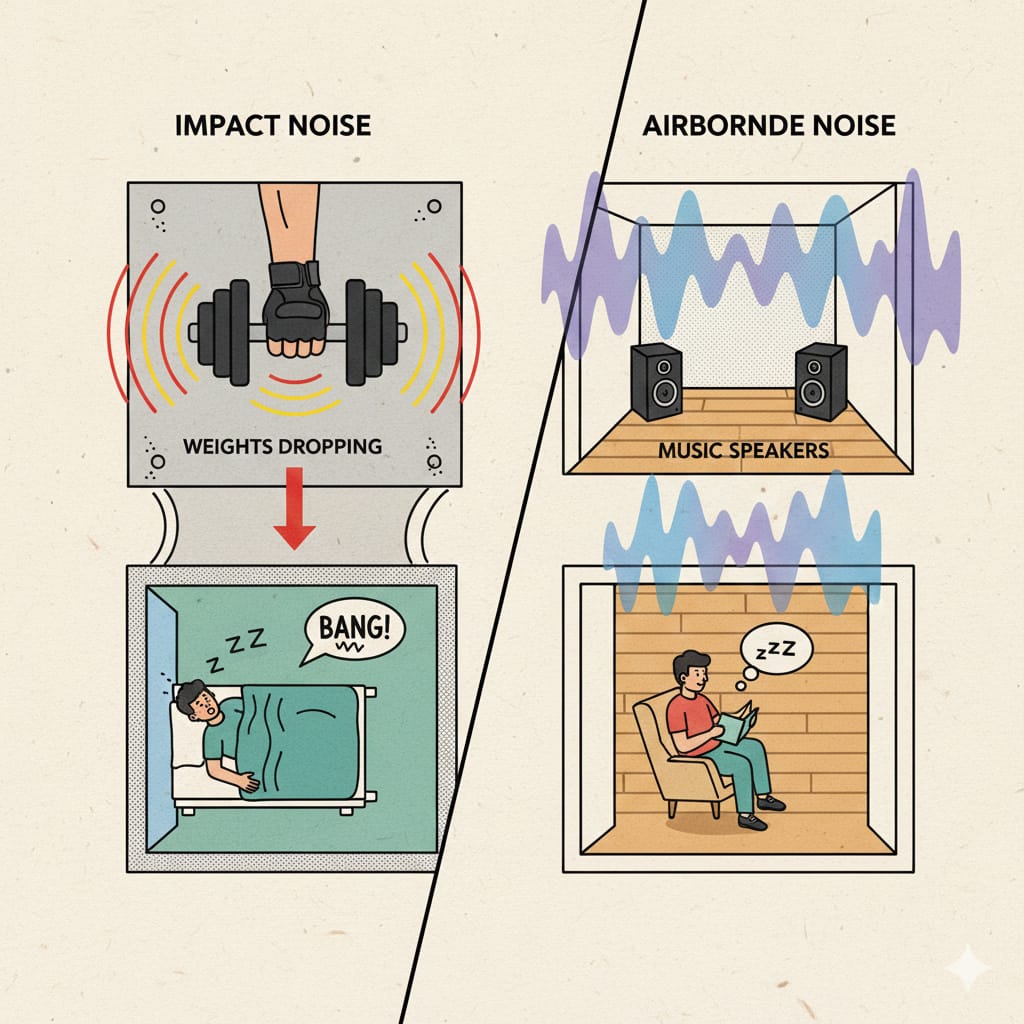
Noise in a sports room comes from two main sources:
- Impact noise: weights dropping, balls bouncing, footsteps.
- Airborne noise: music, voices, or equipment sounds.
Knowing the difference helps you choose the right solutions.
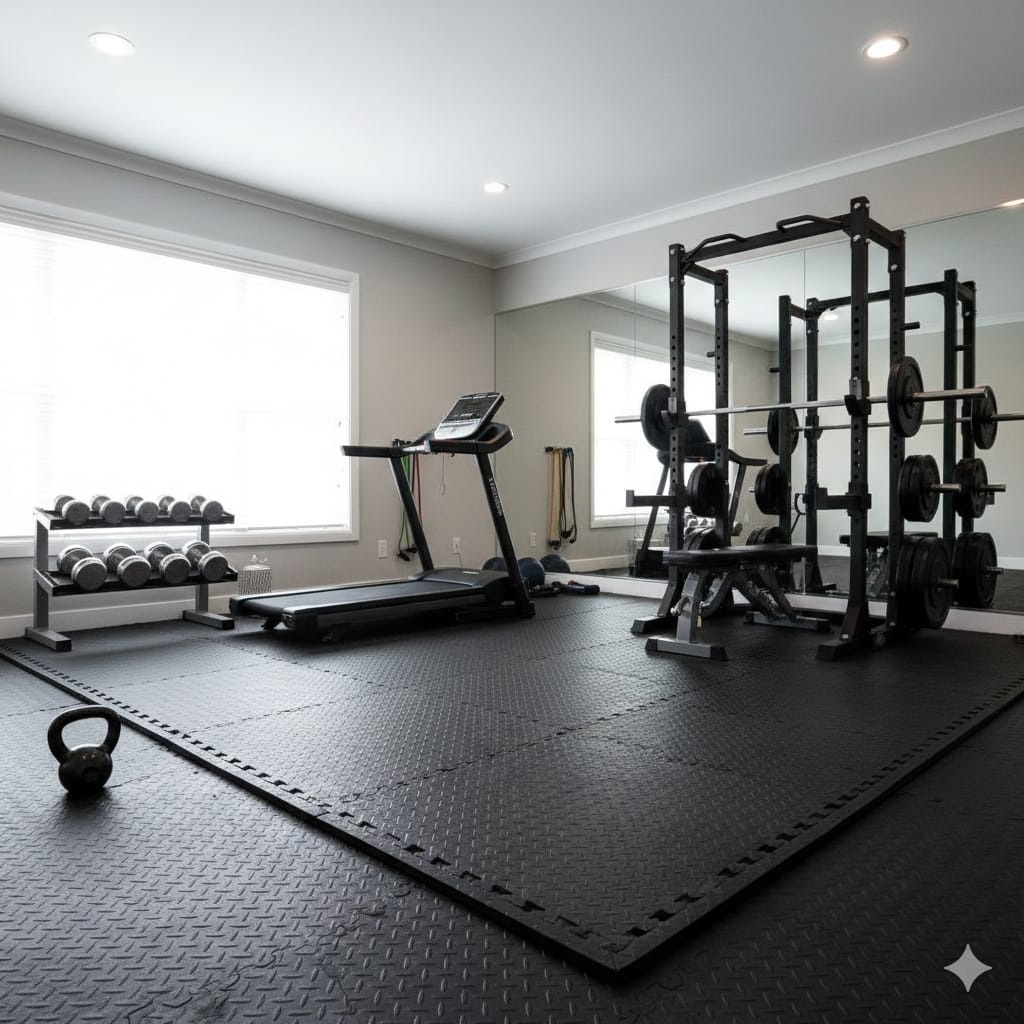
Step 2: Start with the Floor
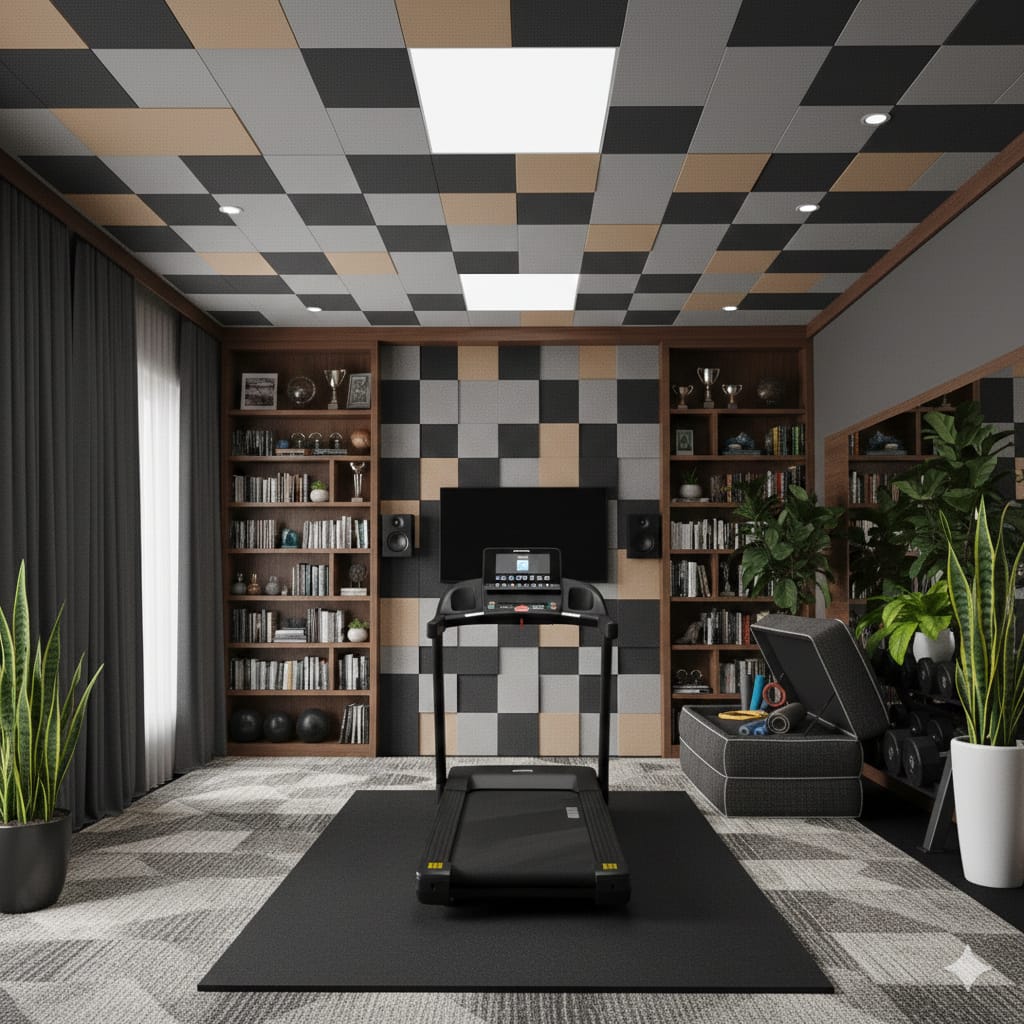
Floors carry the most impact noise. Use rubber mats, foam tiles, or layered flooring to absorb shocks. Even a thick rug under equipment can make a big difference.
For guidance, see Best Flooring Options for Home Workout Areas.
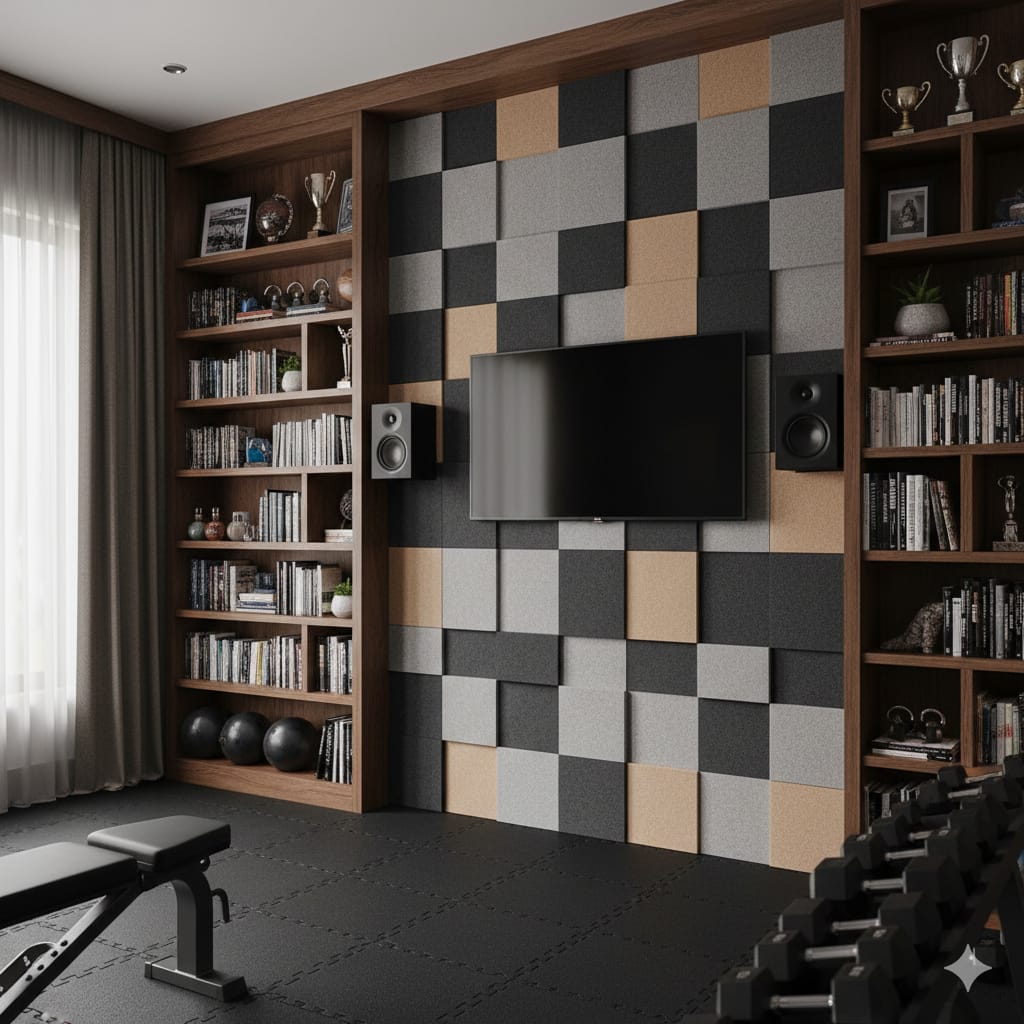 Step 3: Treat the Walls
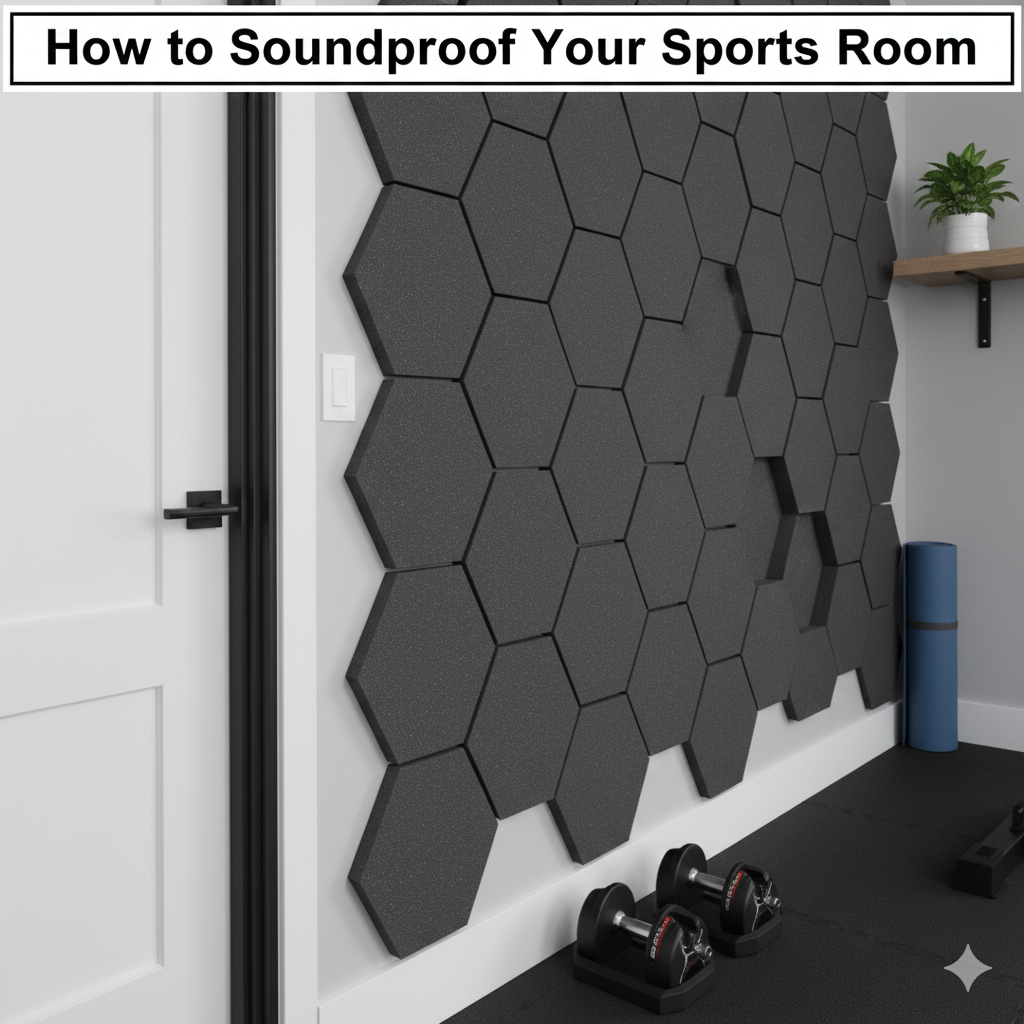
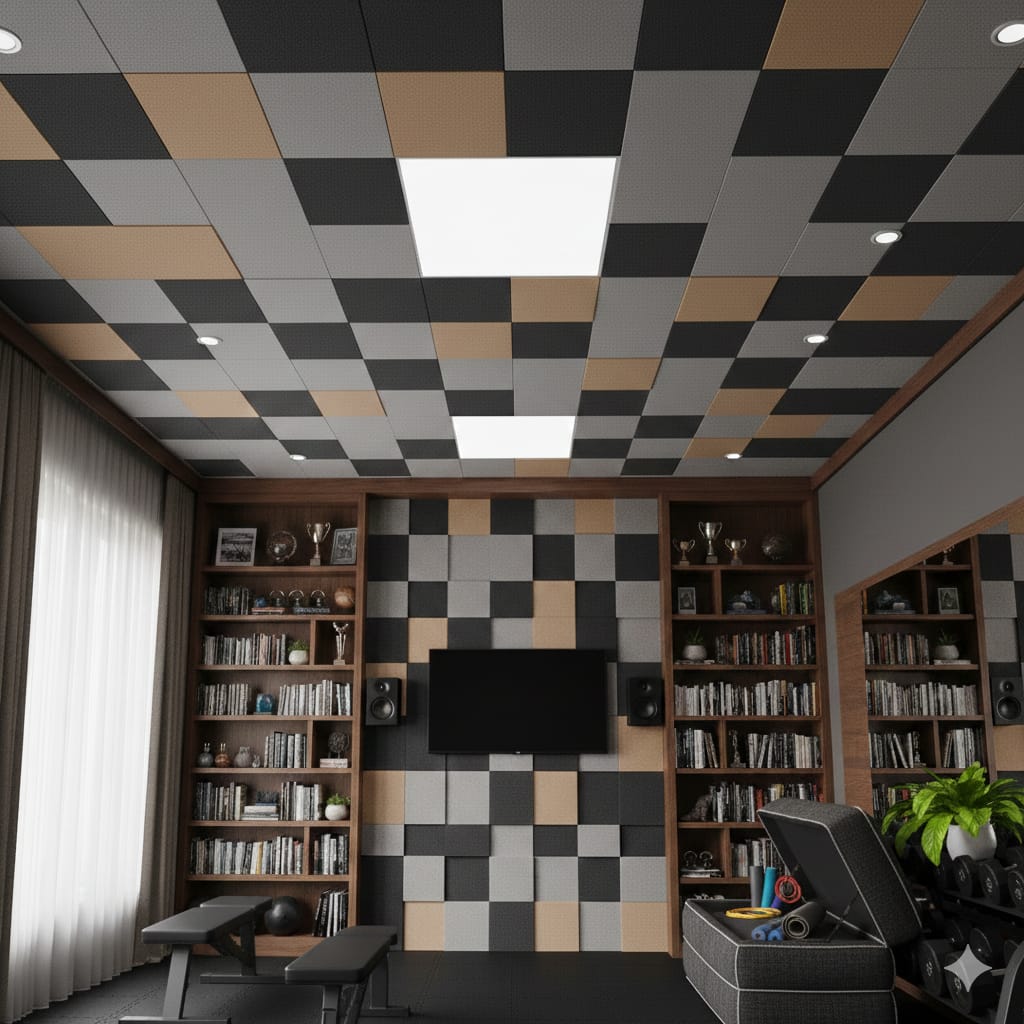
Walls transmit airborne noise. Add acoustic panels, foam tiles, or even heavy curtains to absorb sound. Bookshelves filled with items can also act as natural sound barriers.
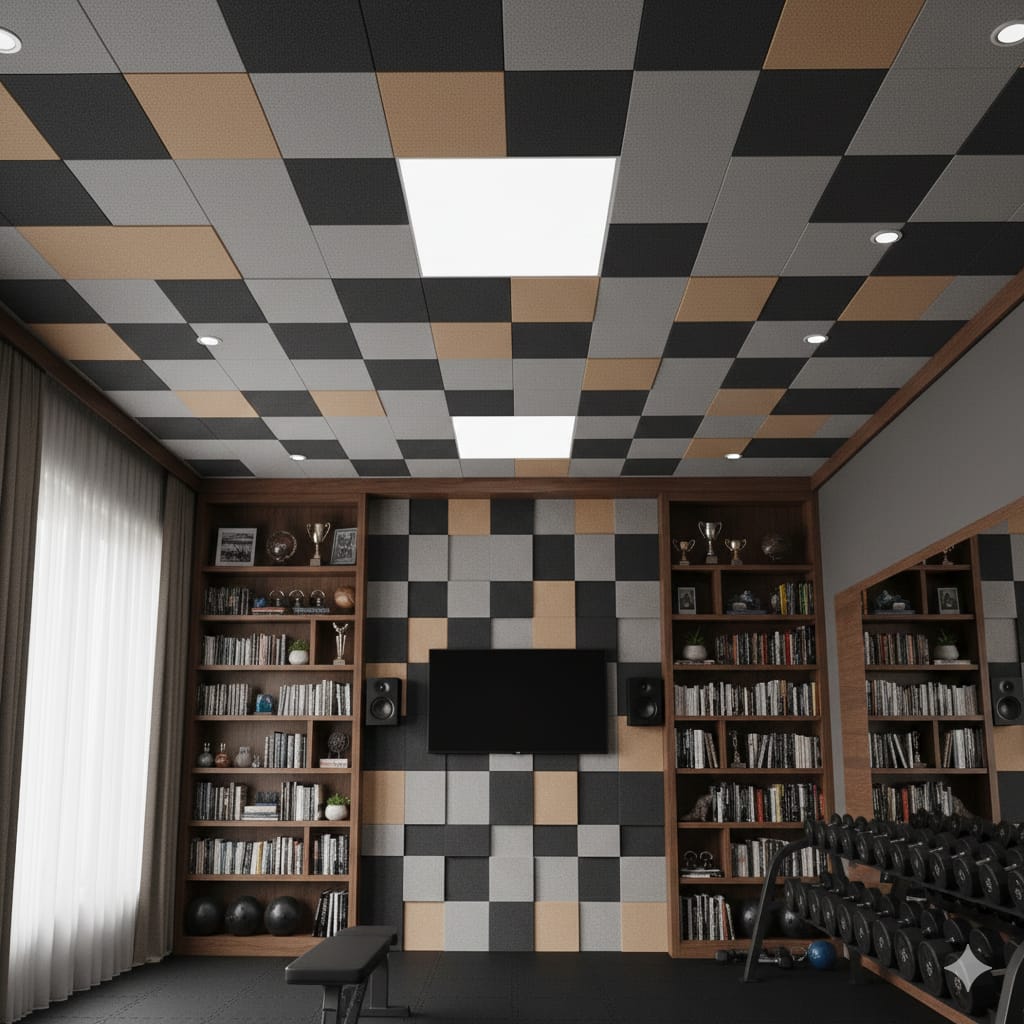 Step 4: Focus on the Ceiling
Ceilings often get overlooked. Adding acoustic tiles or hanging fabric panels can reduce echo and stop noise from traveling upstairs.
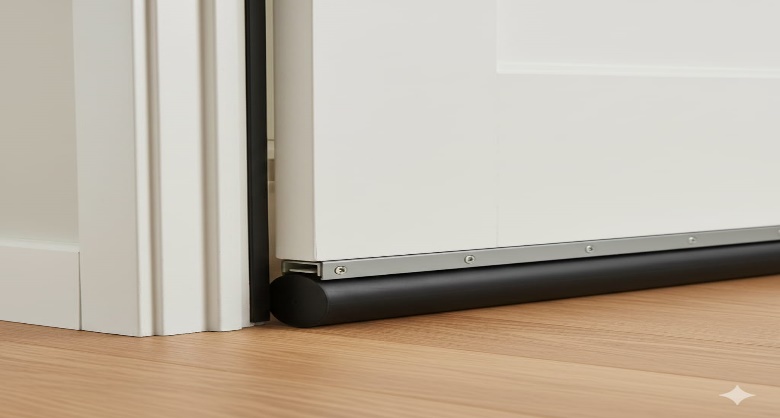
Step 5: Seal the Gaps
Noise escapes through small gaps around doors and windows. Use weatherstripping, door sweeps, or heavy drapes to block sound leaks.
 Step 6: Use Multi‑Purpose Furniture
Furniture can double as soundproofing. Cushioned benches, padded storage ottomans, or upholstered walls absorb noise while adding comfort and style.
For inspiration, check Smart Furniture Choices for Tiny Homes.
Step 7: Add Soft Elements
Soft materials—rugs, curtains, and cushions—reduce echo and make the room feel cozy. Plants also help absorb sound while adding freshness.
For guidance, see Decorating with Plants: Style + Air Quality.
Step 8: Control Equipment Noise
Place treadmills, bikes, or weight racks on vibration‑absorbing mats. Lubricate machines regularly to reduce squeaks. Even small adjustments make workouts quieter.
Step 9: Create a Human‑Friendly Atmosphere
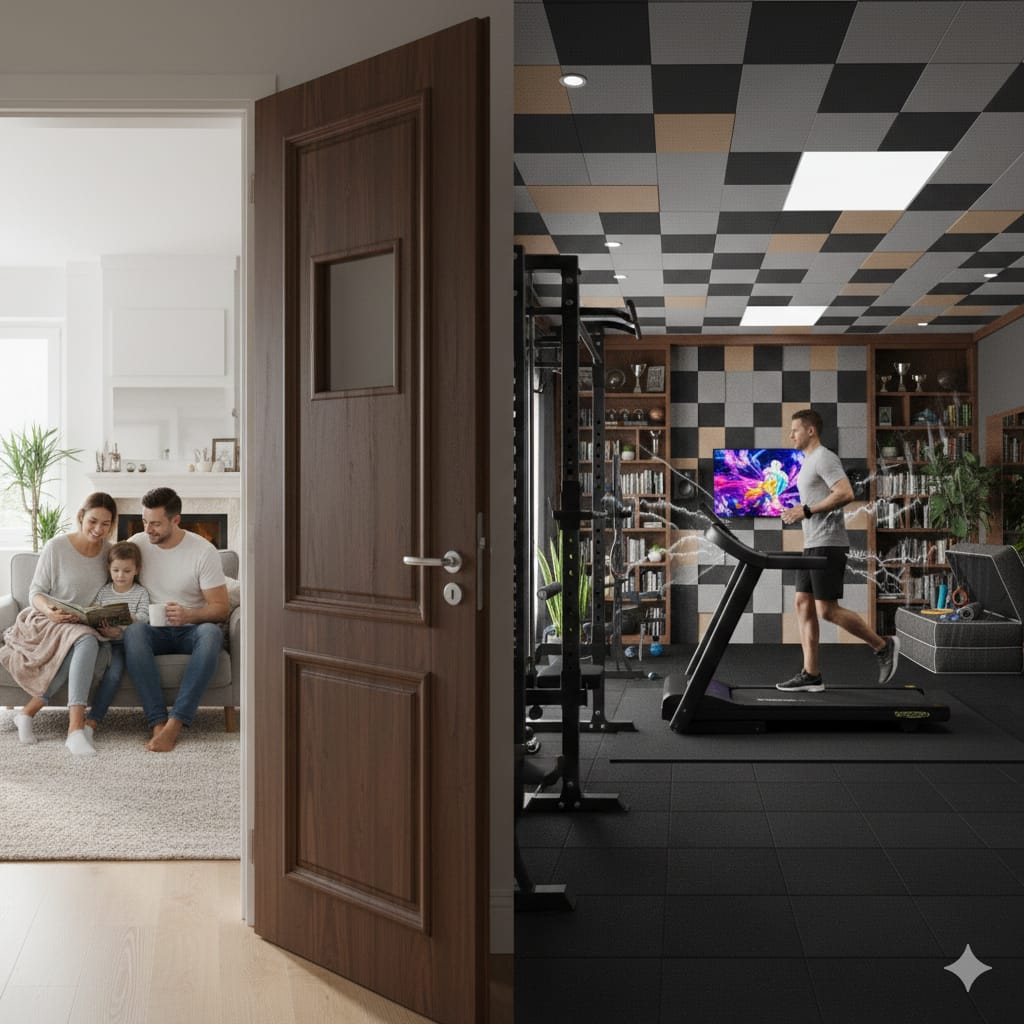
Soundproofing isn’t just technical — it’s emotional. A quieter sports room means family members aren’t disturbed, neighbors stay happy, and you feel free to train without guilt. Imagine lifting weights without worrying about waking someone or practicing basketball shots without complaints. That peace of mind makes the room more enjoyable.
.
Step 10: Keep It Flexible
Soundproofing doesn’t have to be permanent. Removable panels, foldable mats, and portable dividers let you adapt the room as your needs change. Flexibility ensures your sports corner grows with you.
Final Thoughts
Soundproofing a sports room is about more than blocking noise. It’s about creating a sanctuary where you can move, sweat, and focus without disturbing others. Floors, walls, ceilings, and equipment all play a role, but the real impact is emotional: freedom, peace, and balance. Done right, your sports room becomes a place where energy and calm coexist.