A small kitchen doesn’t have to mean limited functionality. With smart design choices, even the tiniest cooking space can feel efficient, stylish, and welcoming. The key is to maximize every inch—from vertical storage to multi‑purpose furniture—while keeping the layout practical. A functional kitchen in limited space balances organization, aesthetics, and usability, turning everyday cooking into an enjoyable experience.
Step 1: Optimize the Layout
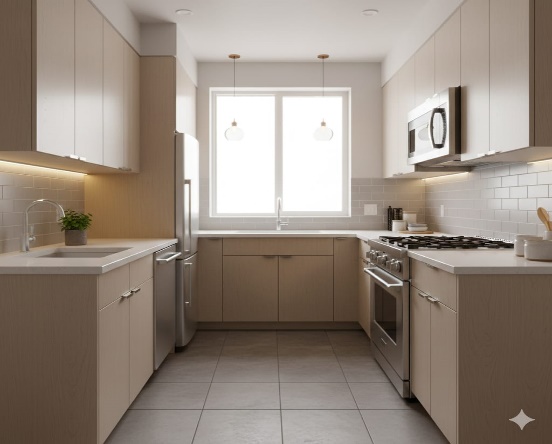
In small kitchens, layout is everything. The classic “work triangle”—sink, stove, refrigerator—should be compact but accessible. Galley kitchens, L‑shapes, or one‑wall layouts work best in limited spaces.
For guidance, see Room Design Mistakes to Avoid in Every Home.
.
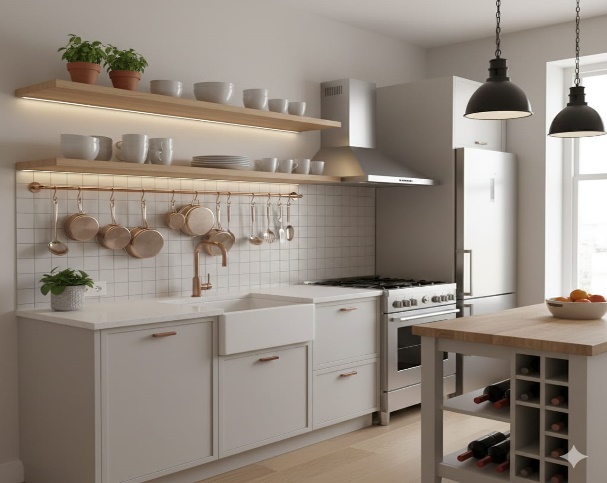
Step 2: Use Vertical Storage
Walls are valuable real estate. Install shelves, hanging racks, or pegboards to store utensils, spices, and cookware. Vertical storage keeps counters clear and makes essentials easy to reach.
For inspiration, check Styling Open Shelves with Purpose.
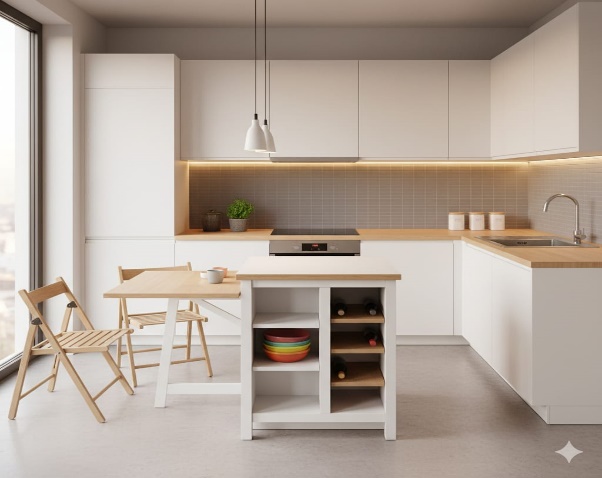
Step 3: Choose Multi‑Functional Furniture
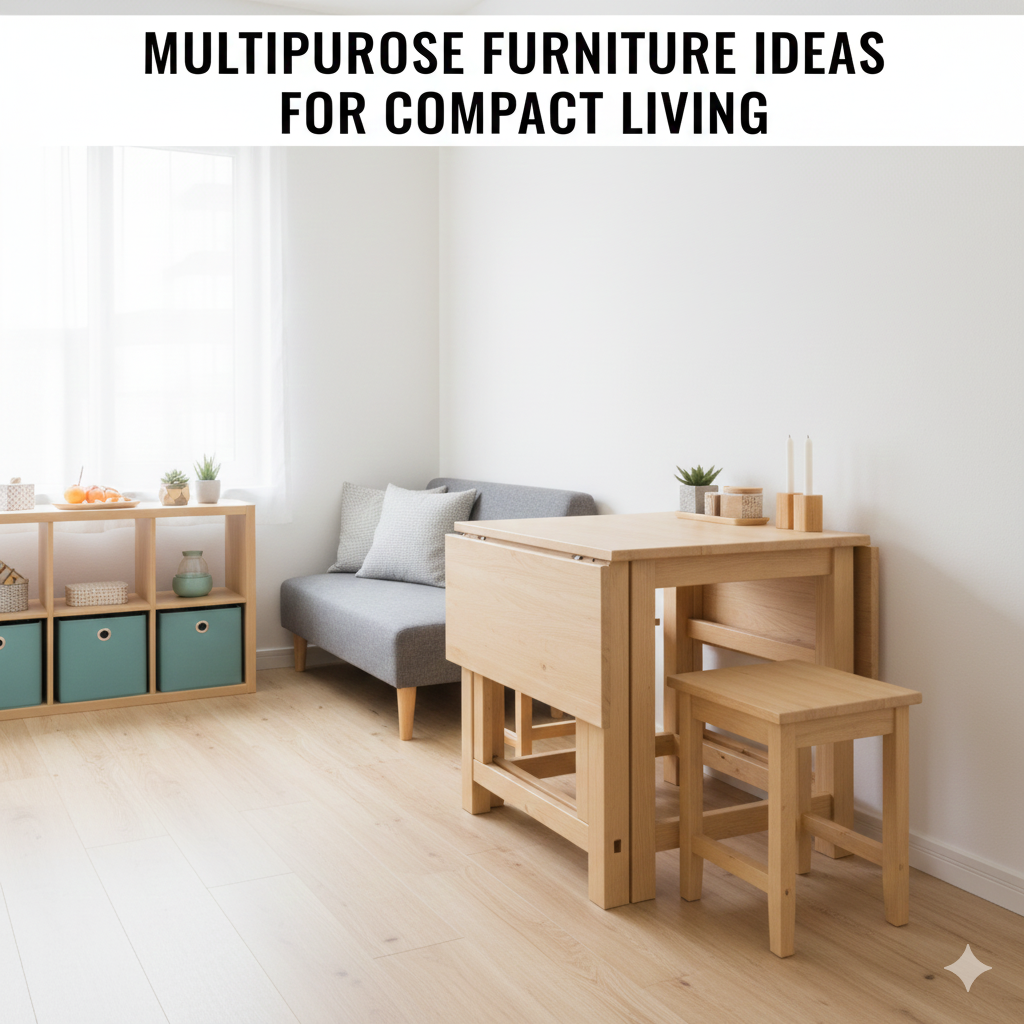
Furniture should serve more than one purpose. A fold‑out dining table, a kitchen island with storage, or stools that tuck neatly under counters save space while adding function.
For ideas, see Smart Furniture Choices for Tiny Homes.
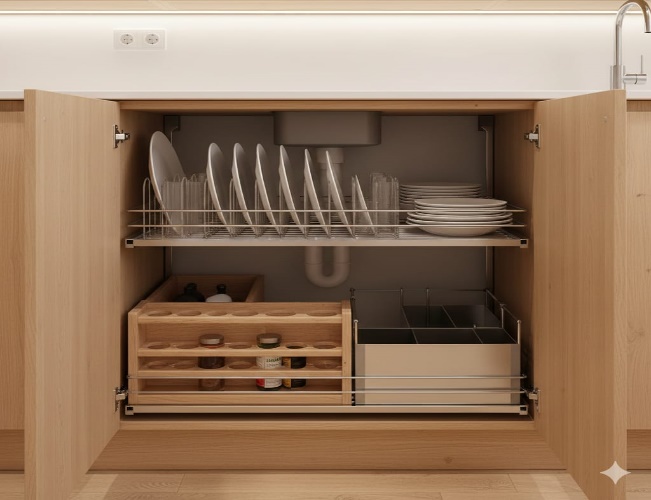
Step 4: Maximize Cabinet Efficiency
Cabinets in small kitchens must work hard. Add pull‑out shelves, lazy Susans, or vertical dividers to maximize storage. Slim organizers for pans and trays prevent clutter.
For guidance, see Organizing Small Spaces Without Sacrificing Style.
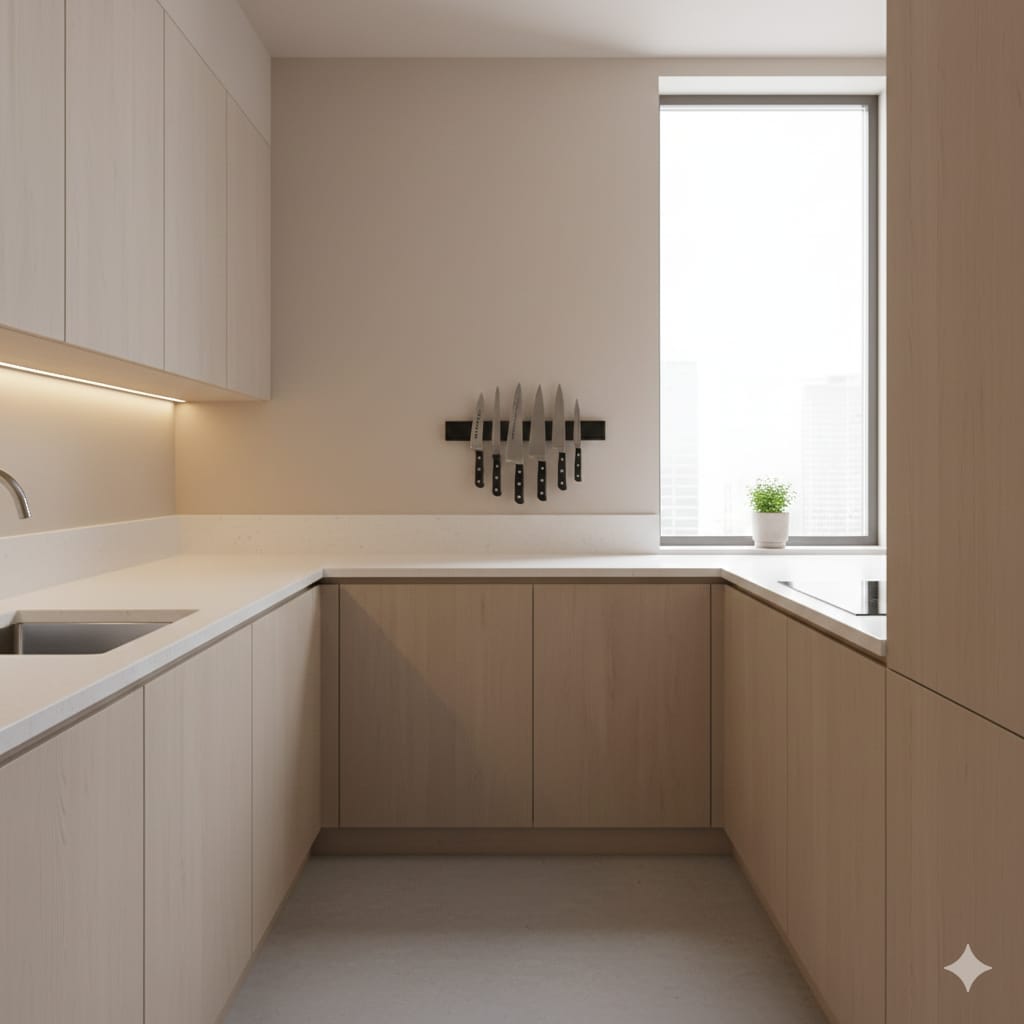
Step 5: Keep Counters Clear
Counter space is precious. Store appliances you don’t use daily, and keep only essentials out. Use wall‑mounted racks for knives or magnetic strips for utensils to free up surfaces.
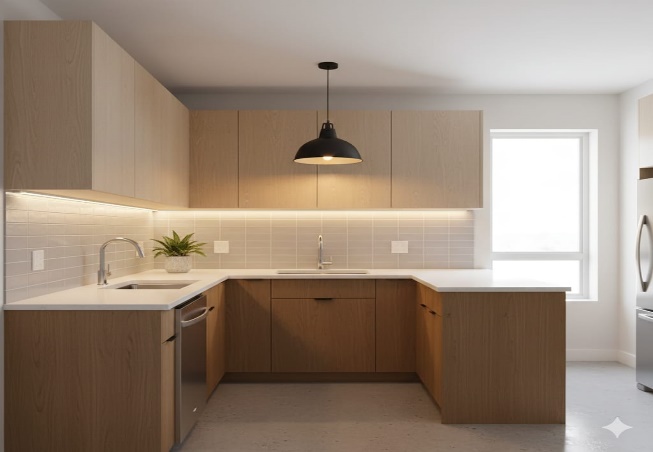 Step 6: Add Smart Lighting
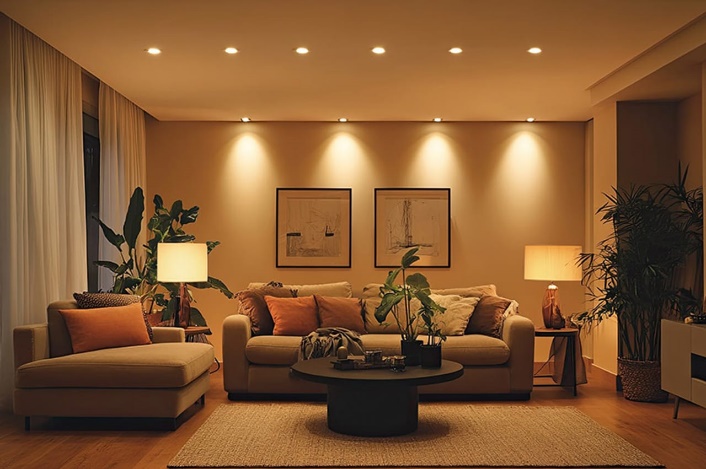
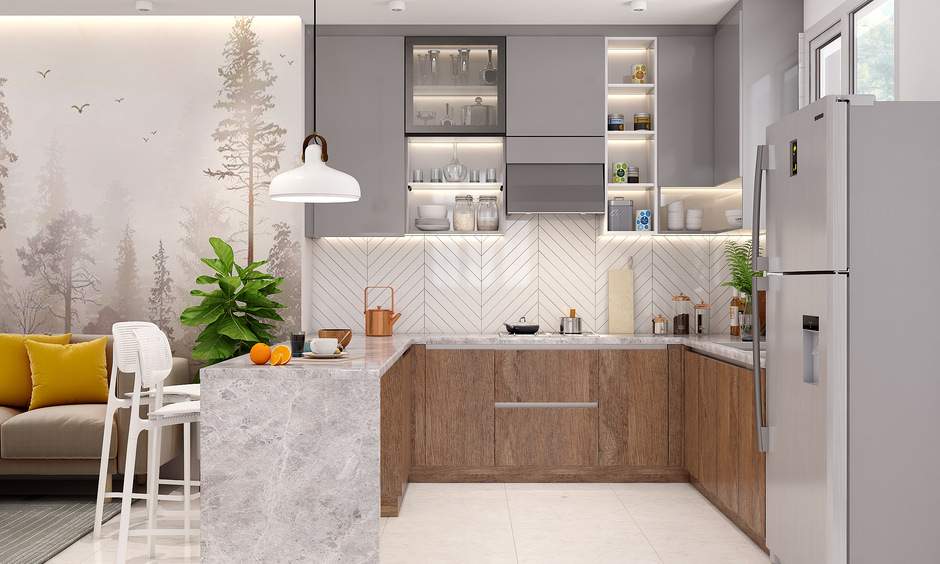
Lighting makes small kitchens feel bigger. Use under‑cabinet lights to brighten work areas, pendant lights for style, and reflective surfaces to bounce light around.
For ideas, see DIY Accent Lighting Ideas.
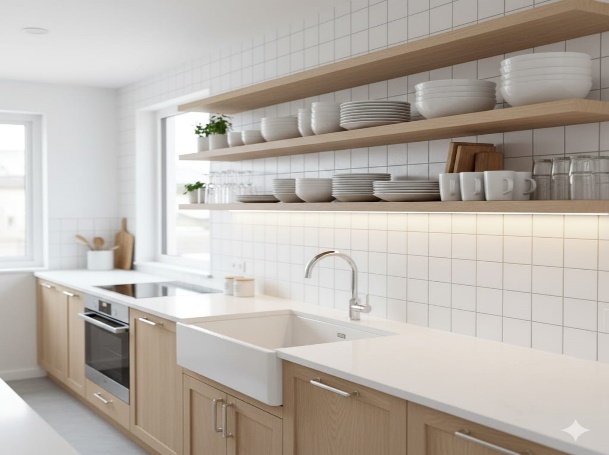
Step 7: Incorporate Open Shelving
Open shelves make kitchens feel airy and accessible. Use them for everyday items like plates and mugs. Keep styling minimal to avoid clutter.
For guidance, see Mixing Textures and Patterns in Your Space.
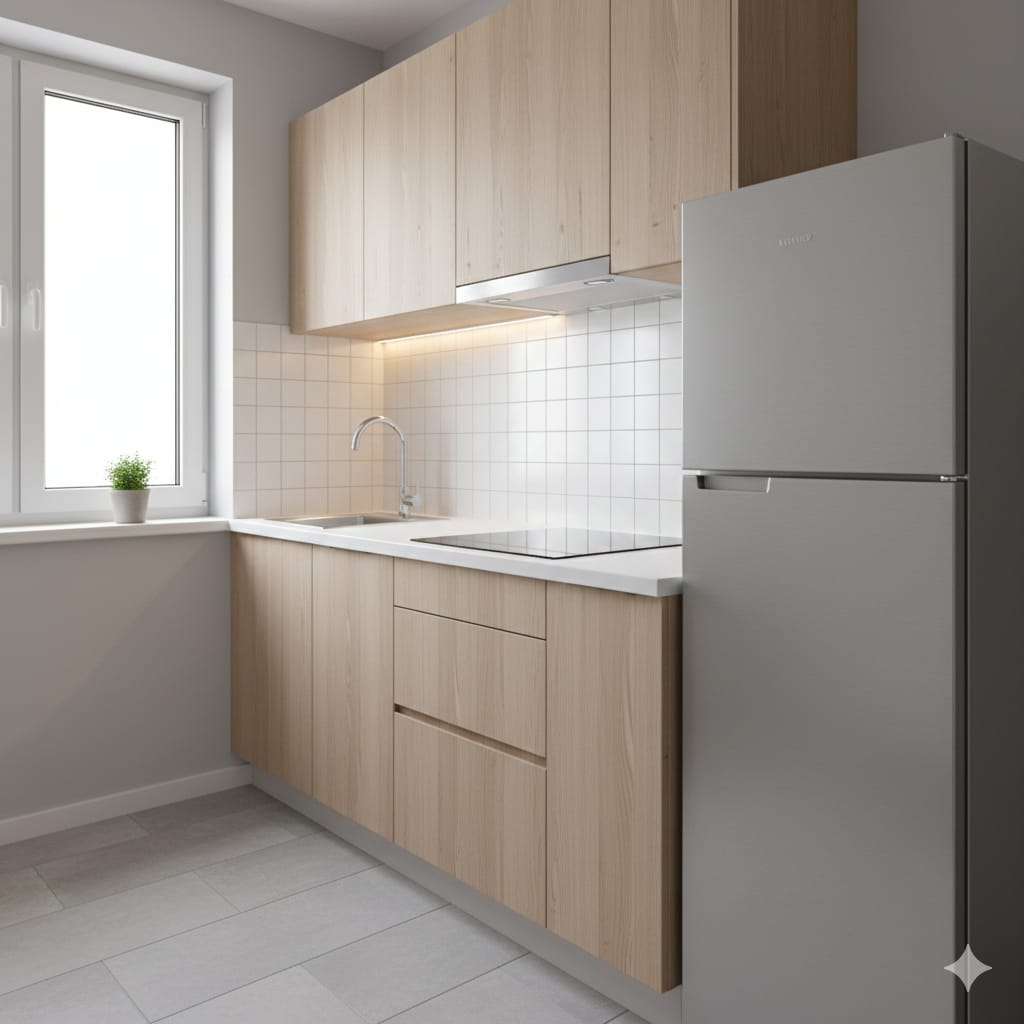 Step 8: Use Compact Appliances
Small kitchens benefit from slim, multi‑purpose appliances. Consider two‑burner stoves, compact dishwashers, or combination microwave‑ovens. These save space without sacrificing function.
For inspiration, check Small Room Design Hacks That Actually Work.
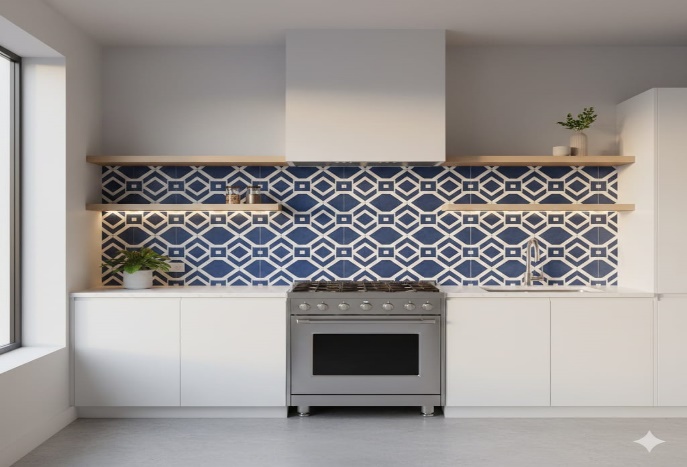 Step 9: Create a Focal Point
Even in small kitchens, a focal point adds personality. A bold backsplash, a statement light fixture, or colorful accessories make the space feel stylish and intentional.
For guidance, see How to Create a Focal Point in Any Room.
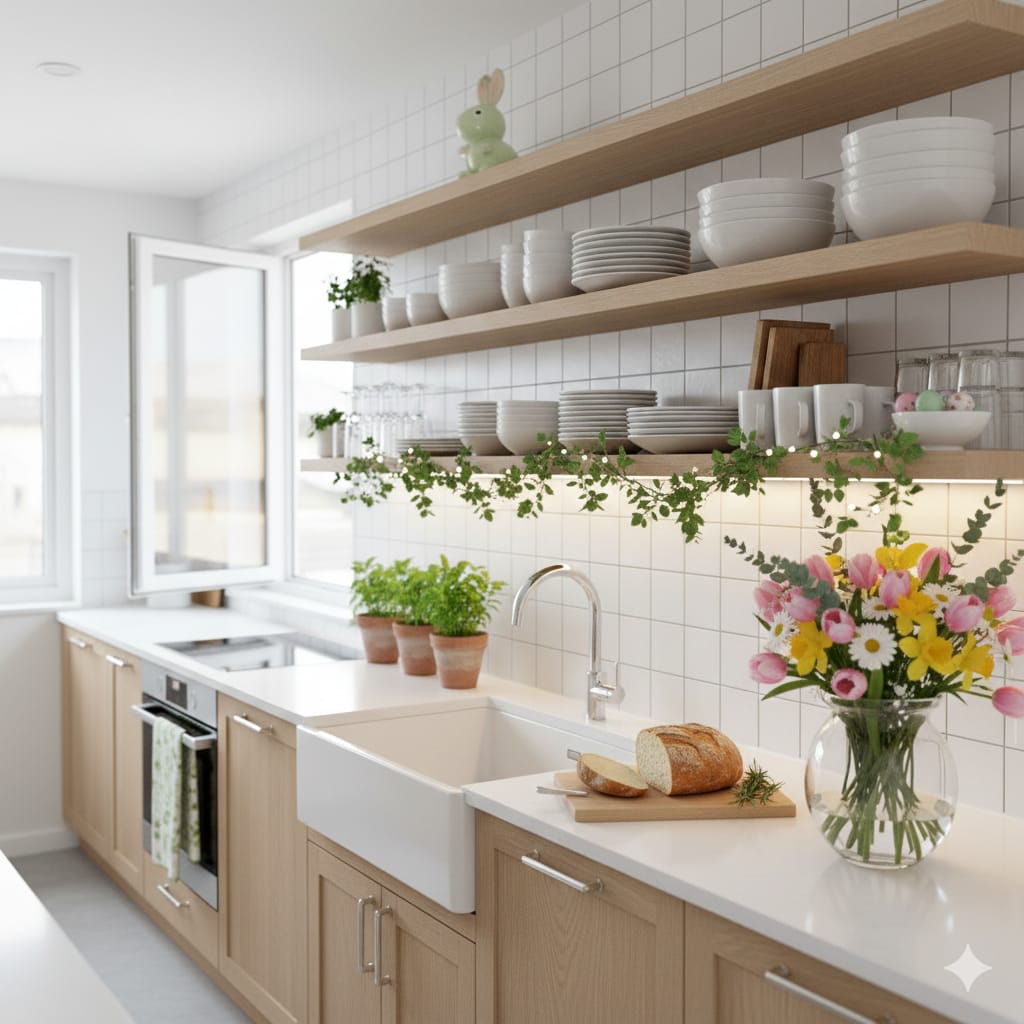
Step 10: Keep It Flexible and Seasonal
Small kitchens benefit from flexibility. Rotate decor seasonally — fresh flowers in spring, cozy textiles in winter. Swap accessories to keep the space lively without adding clutter.
For ideas, see Seasonal Decorating Ideas for Every Room.
Final Thoughts
Designing a functional kitchen in limited space is about intention. Smart layouts, vertical storage, multi‑functional furniture, and compact appliances make small kitchens efficient and stylish. Clear counters, good lighting, and seasonal updates keep them fresh and inviting.
The beauty of small kitchens is their intimacy. Done right, they become cozy hubs where cooking feels effortless and enjoyable, proving that limited space doesn’t mean limited potential.