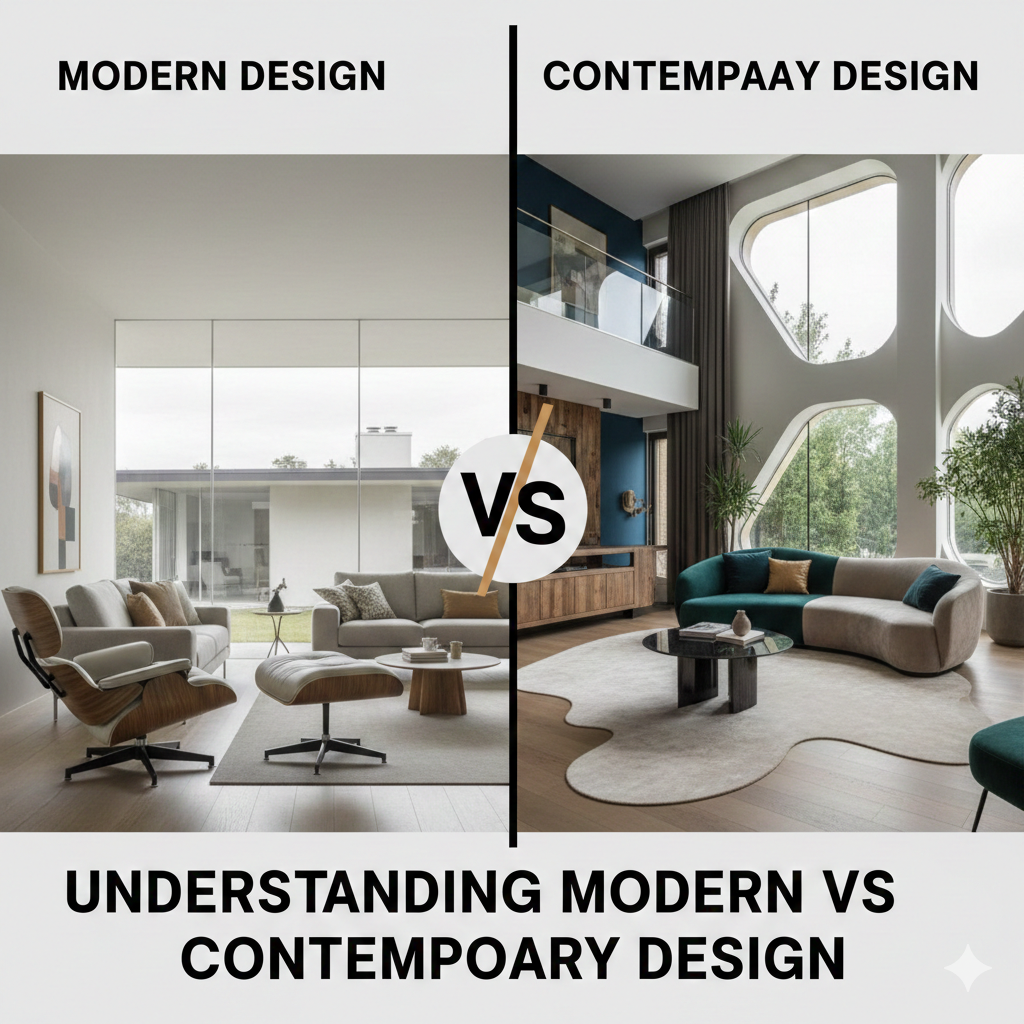
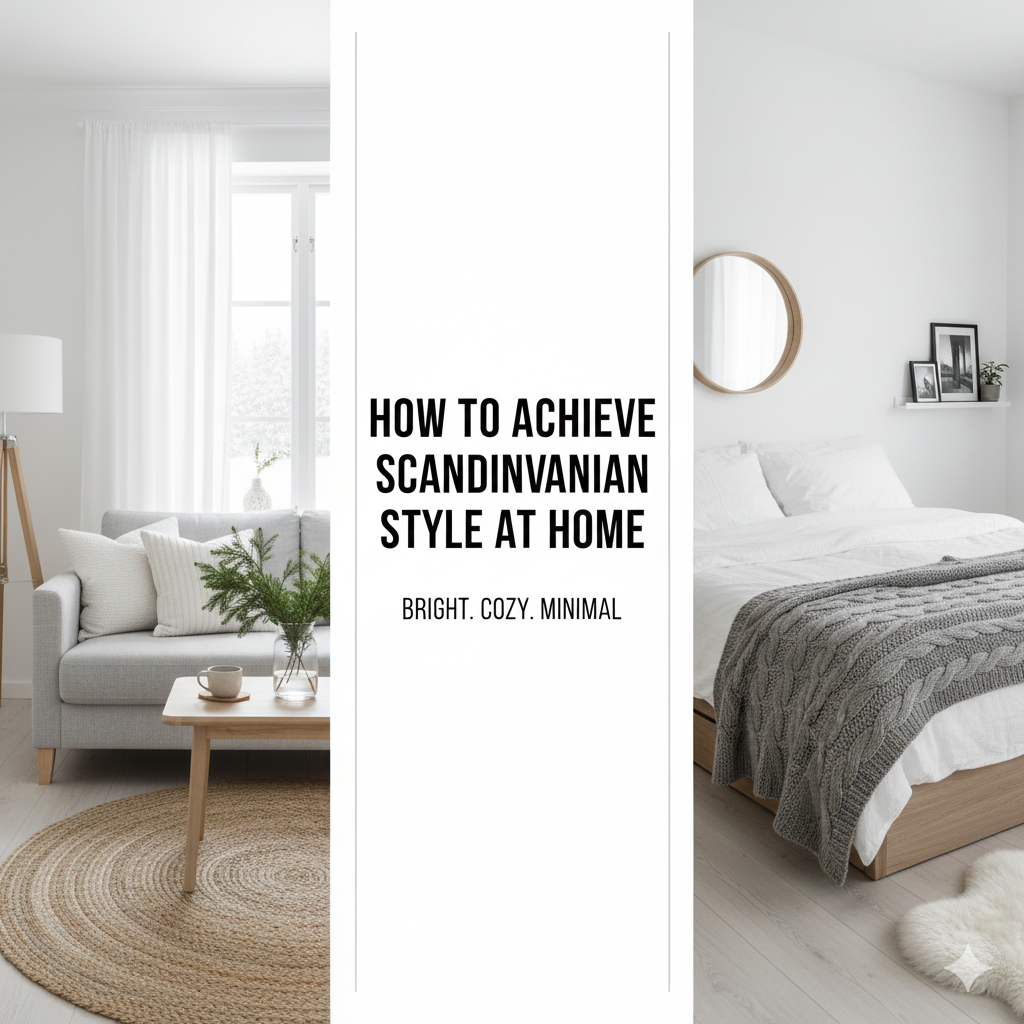
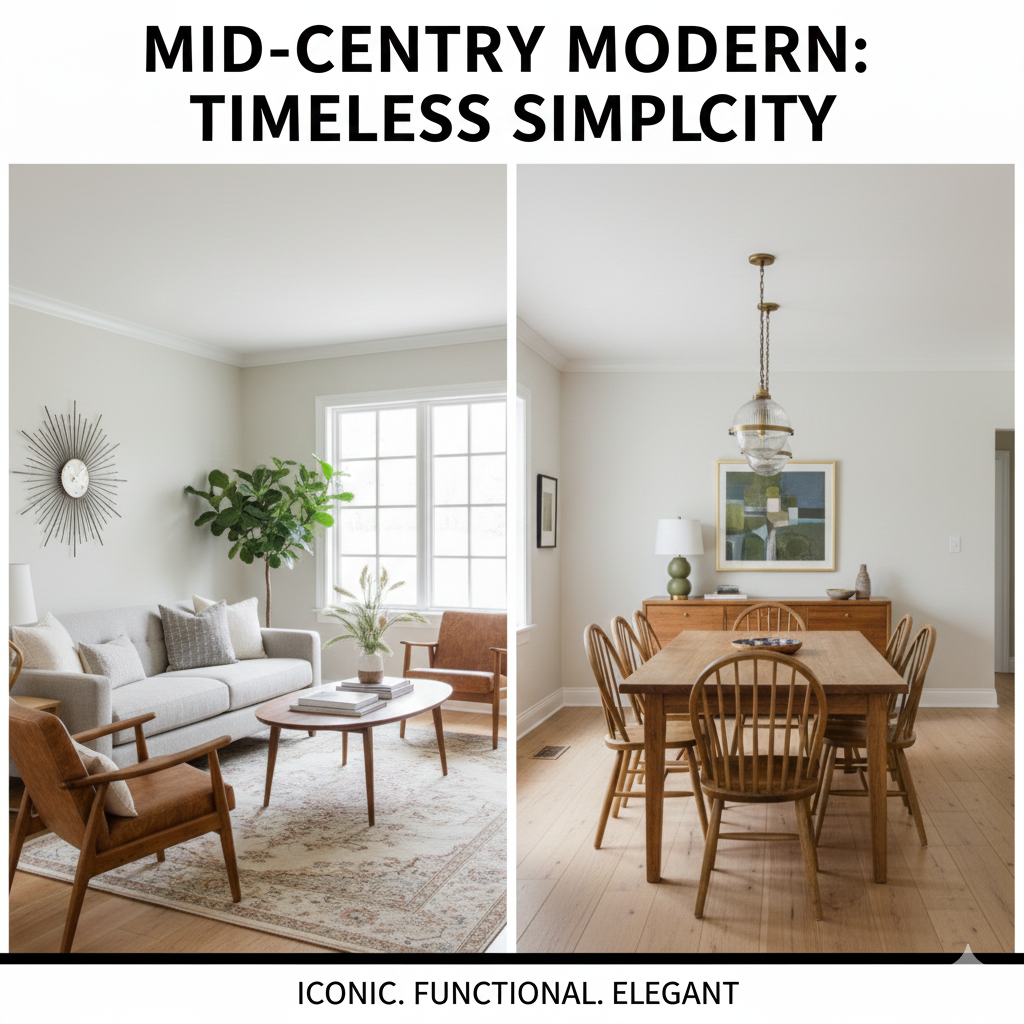
 Mid‑Century Modern design is one of the most enduring styles in interior design history. Emerging in the mid‑20th century (roughly the 1940s–1960s), it was shaped by a post‑war desire for simplicity, functionality, and optimism. The style is defined by clean lines, organic curves, and a seamless blend of form and function. What makes it timeless is its ability to feel fresh even decades later—it’s minimal without being cold and stylish without being overdone.
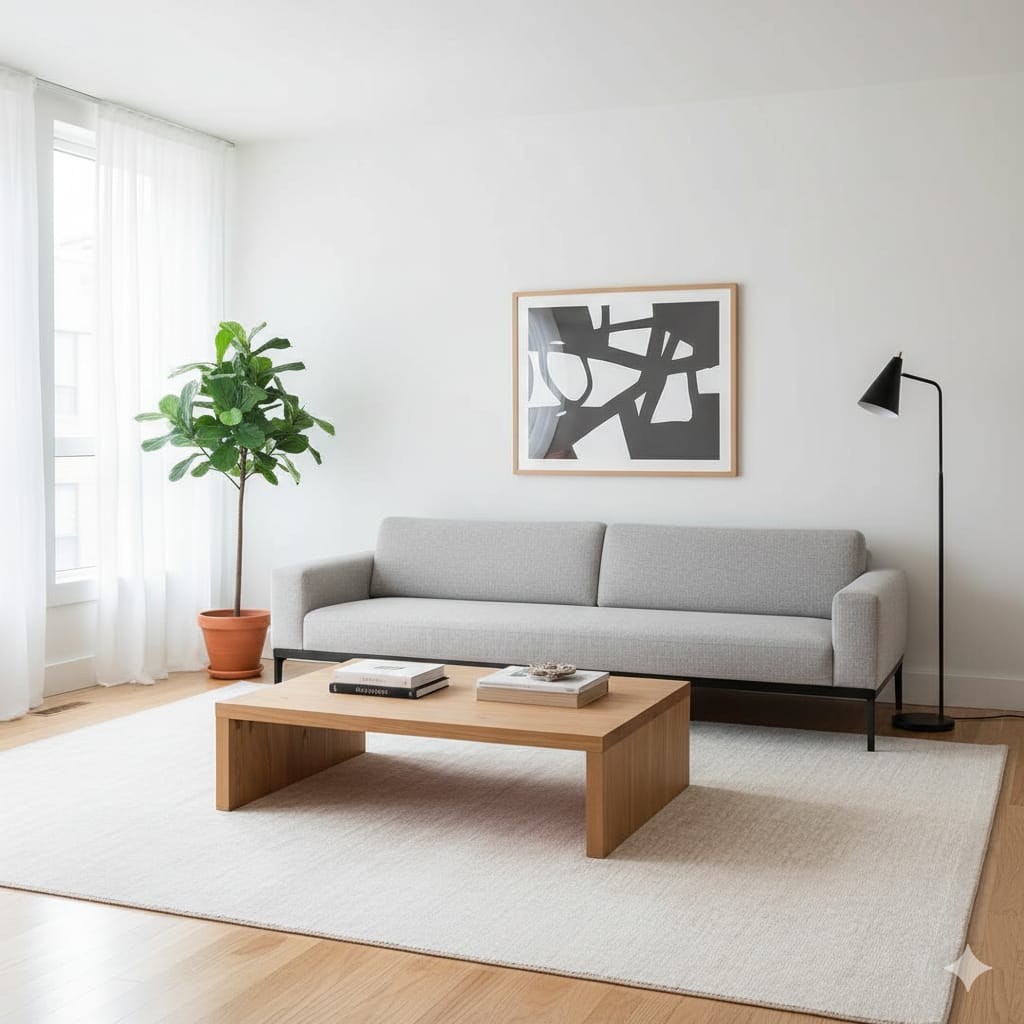 Step 1: Embrace Clean Lines and Simple Forms
Mid‑Century Modern furniture is known for its sleek silhouettes. Sofas, chairs, and tables often feature straight lines or gentle curves, avoiding heavy ornamentation. The simplicity makes rooms feel uncluttered and elegant.
For guidance, see Room Design Mistakes to Avoid in Every Home.
 Step 2: Highlight Natural Materials
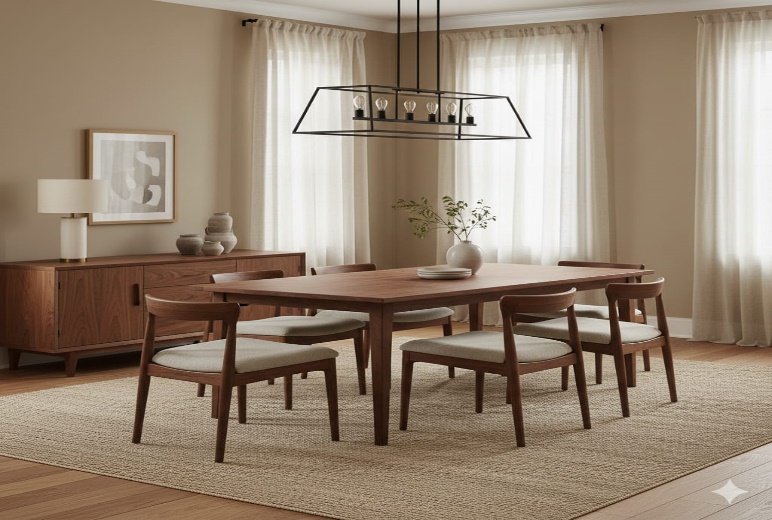
Wood, especially teak and walnut, is central to Mid‑Century Modern interiors. Pair wooden furniture with leather, linen, or wool to add warmth and authenticity. These materials balance simplicity with comfort.
For inspiration, check Mixing Textures and Patterns in Your Space.
 Step 3: Play with Bold Colors and Neutrals
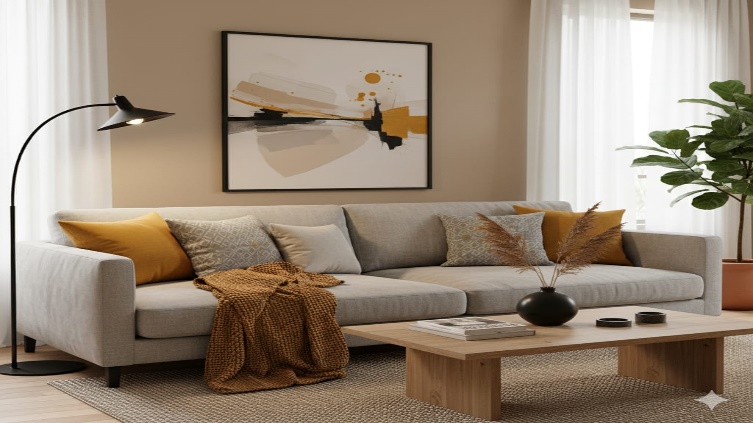
While neutral tones dominate, Mid‑Century Modern design often includes bold pops of color—mustard yellow, teal, and burnt orange. These accents add vibrancy without overwhelming the space.
For ideas, see Choosing Color Palettes That Work.
Step 4: Incorporate Iconic Furniture Pieces
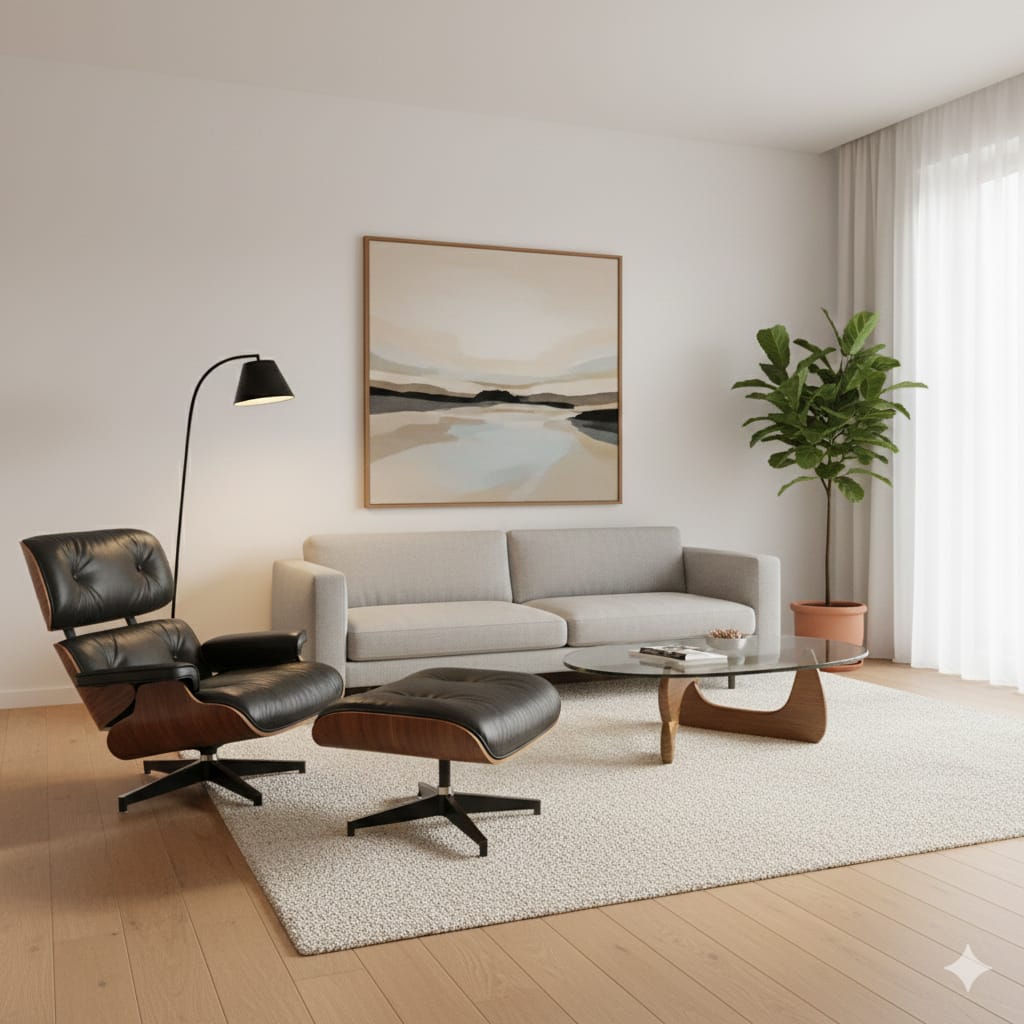
Design classics like the Eames lounge chair, Noguchi coffee table, or Saarinen tulip table embody Mid‑Century Modern style. Even replicas or inspired pieces can anchor a room with timeless appeal.
For guidance, see Small Room Design Hacks That Actually Work.
 Step 5: Use Rugs to Define Spaces
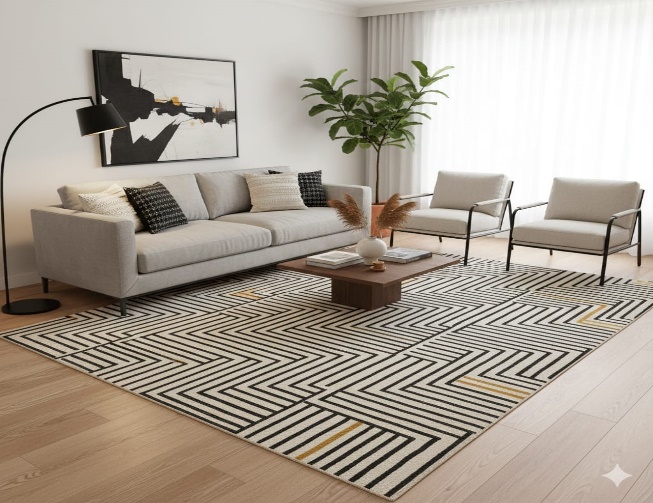
Rugs add warmth and help define zones. Geometric patterns or simple woven designs complement mid‑century modern furniture. They ground seating areas and add texture.
For inspiration, check Using Rugs to Define and Elevate Spaces.
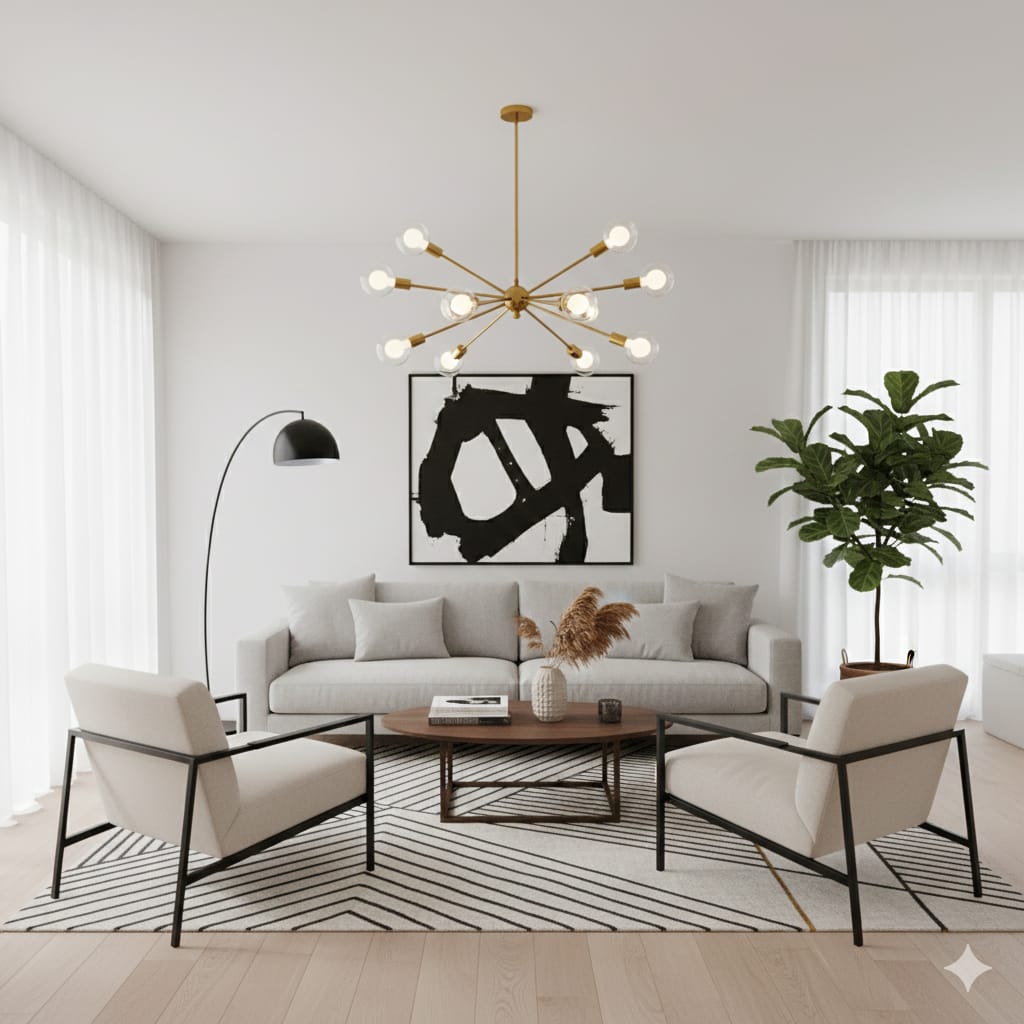
Step 6: Add Statement Lighting
Lighting is a hallmark of Mid‑Century Modern interiors. Sputnik chandeliers, arc floor lamps, and sculptural pendants add drama while staying functional. They highlight clean lines and create atmosphere.
For ideas, see DIY Accent Lighting Ideas.
Step 7: Blend Indoor and Outdoor Living
Large windows, sliding doors, and open layouts connect interiors with nature. Mid‑Century Modern homes often blur boundaries between inside and outside, making spaces feel expansive.
For guidance, see How to Zone Open-Plan Spaces Effectively.
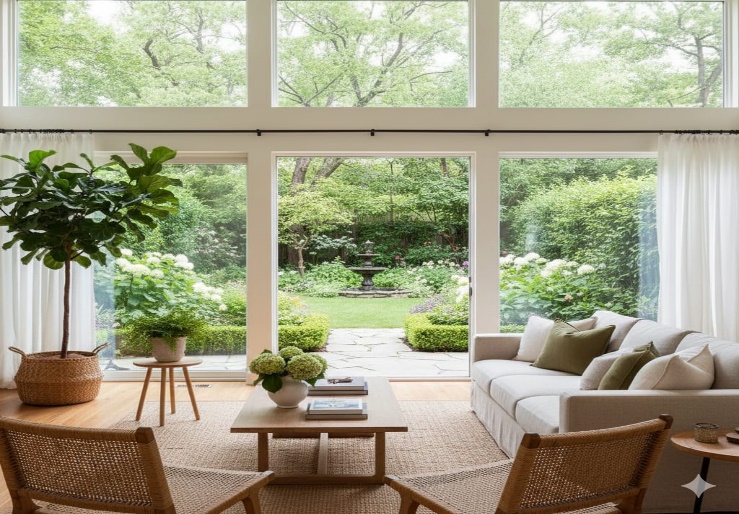 Step 8: Create a Focal Point
Every mid-century modern room benefits from a focal point—a bold piece of art, a sculptural chair, or a fireplace. This anchors the design and adds personality.
For inspiration, check out How to Create a Focal Point in Any Room.
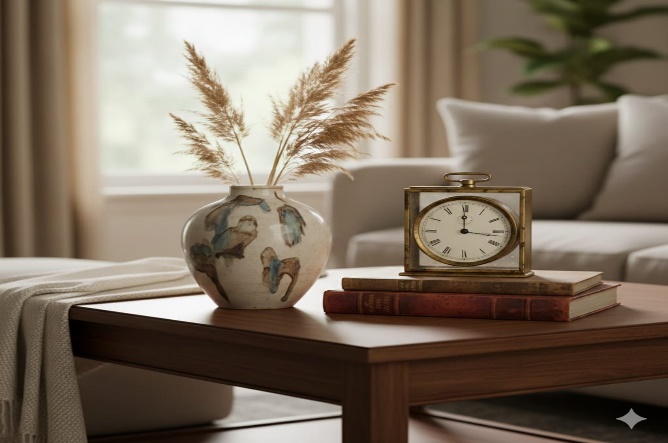 Step 9: Personalize with Accessories
Accessories should be minimal but meaningful. A ceramic vase, a vintage clock, or a framed print adds character without clutter. Keep surfaces clean and curated.
For ideas, see DIY Decor Projects That Make a Big Impact.
.
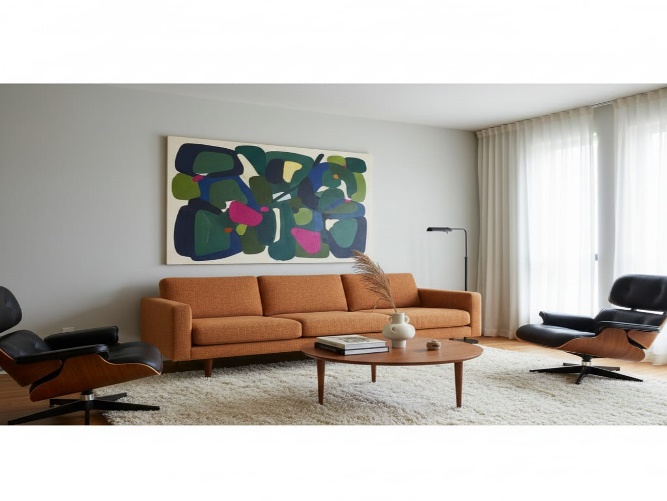
Step 10: Keep It Timeless and Flexible
Mid‑Century Modern design is adaptable. It pairs well with contemporary, Scandinavian, or even bohemian elements. The key is balance — let iconic pieces shine while layering in personal touches.
For guidance, see Mixing Old and New: Vintage Meets Modern Decor.
Final Thoughts
Mid‑Century Modern design is timeless because it balances simplicity, functionality, and beauty. Clean lines, natural materials, bold accents, and iconic furniture create spaces that feel stylish yet comfortable. The style’s adaptability ensures it remains relevant, whether in a city apartment or a suburban home.
The beauty of Mid‑Century Modern is its humanity—it was designed for living, not just for looking. Done right, it creates homes that feel elegant, warm, and effortlessly modern, decade after decade.