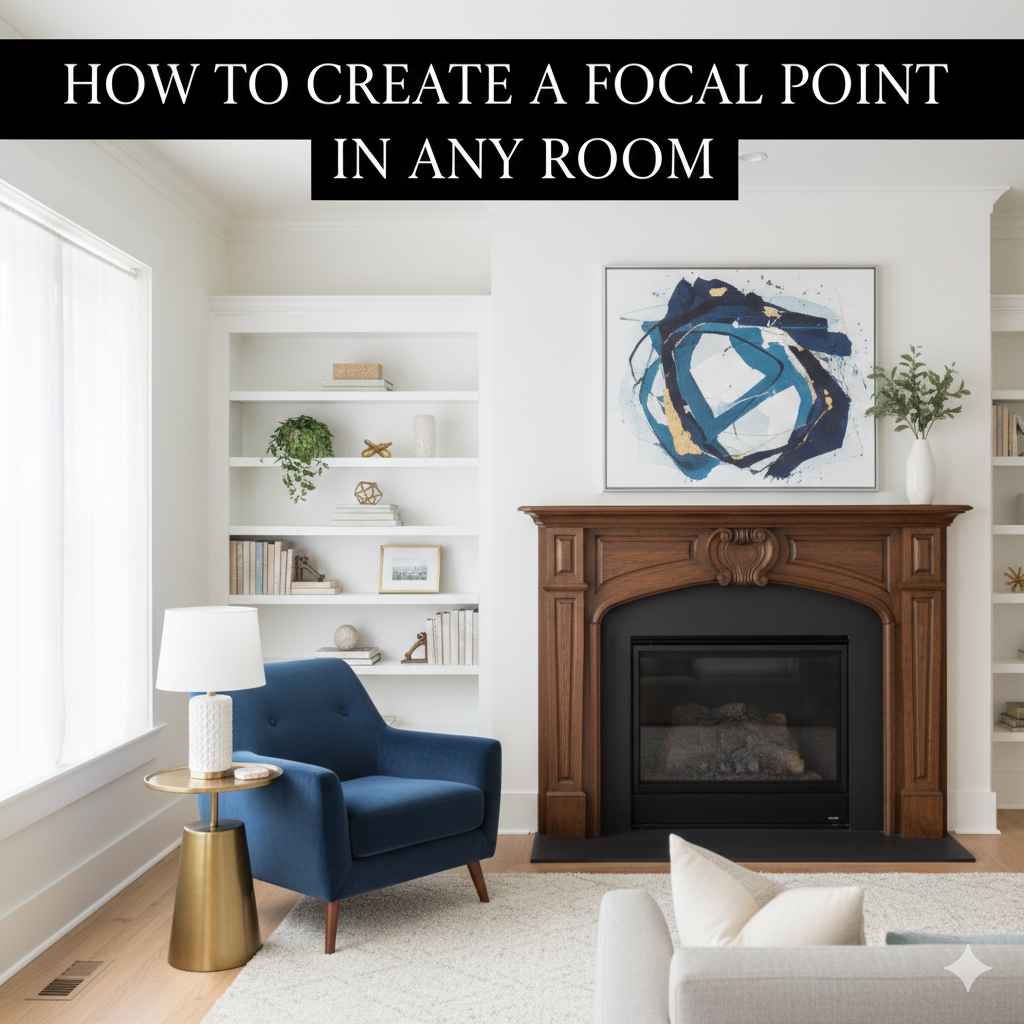
 How to Create a Focal Point in Any Room
Every room needs a star—a focal point that draws the eye, sets the mood, and anchors the design. Without it, spaces can feel scattered or unfinished, no matter how beautiful the furniture or colors are. A focal point doesn’t have to be dramatic; it just needs to be intentional. It could be a fireplace, a bold piece of art, a statement rug, or even a window with a view. The secret is choosing one element to lead, then styling the rest of the room around it.
 Step 1: Identify the Natural Focal Point
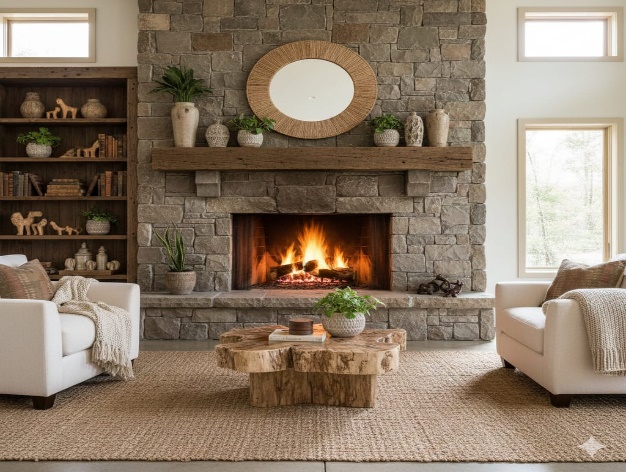
Some rooms already have a built-in focal point—a fireplace, a large window, or an architectural detail. Start by identifying what naturally draws attention, then enhance it with decor.
For guidance, see Room Design Mistakes to Avoid in Every Home.
Step 2: Use Bold Artwork
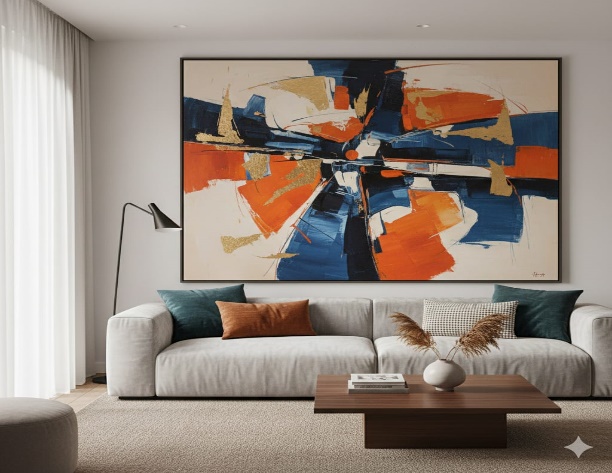 If the room lacks a natural anchor, create one with art. A large painting, a gallery wall, or a striking photograph can instantly command attention. Position it where the eye naturally lands—above the sofa, bed, or console.
For inspiration, check Wall Art Placement Rules Designers Swear By.
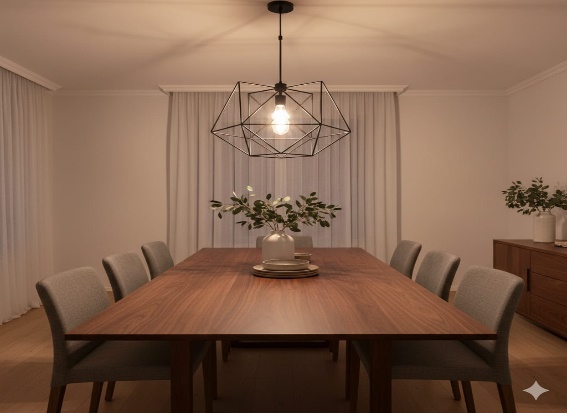 Step 3: Highlight with Lighting
Lighting elevates focal points. Use sconces to frame artwork, pendant lights above dining tables, or picture lights over shelves. The right lighting makes the focal point glow and feel intentional.
For ideas, see DIY Accent Lighting Ideas.
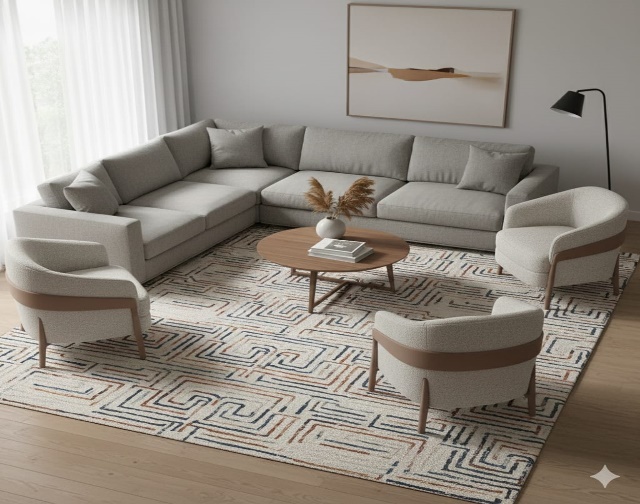
Step 4: Anchor with Rugs
A bold rug can define a zone and act as the focal point, especially in open‑plan spaces. Choose patterns or colors that stand out, then style furniture around them.
For guidance, see Using Rugs to Define and Elevate Spaces.
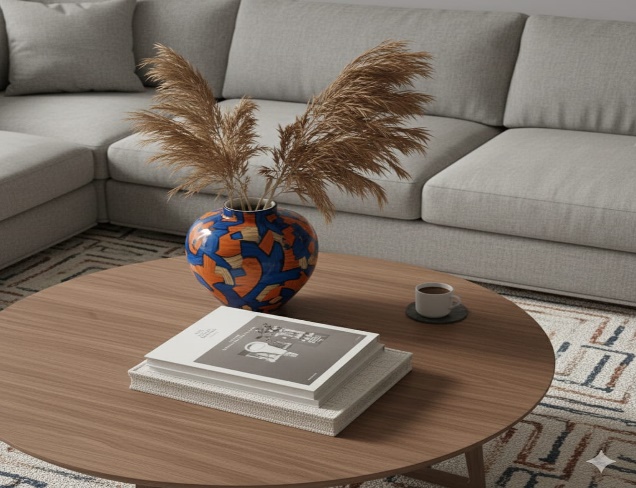
Step 5: Style Coffee Tables as Centerpieces
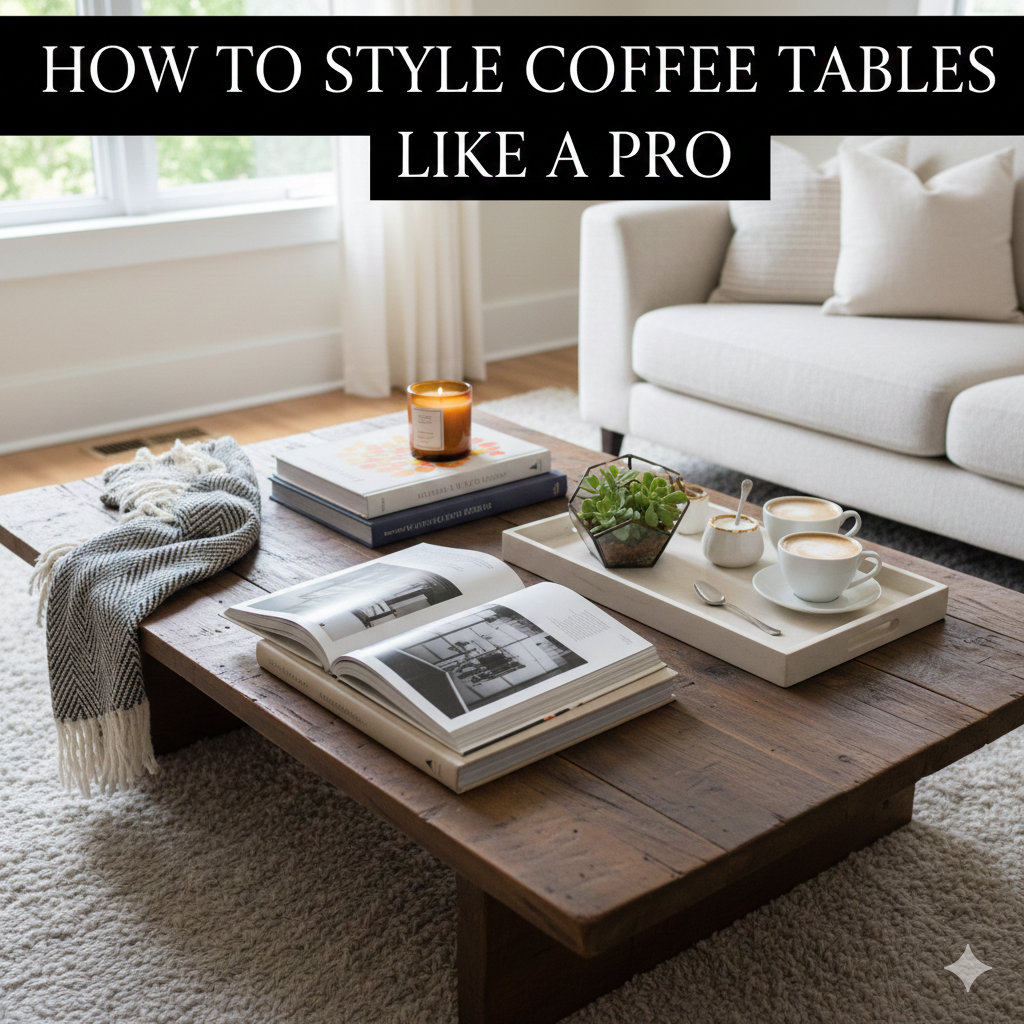
Coffee tables often sit at the heart of living rooms. Styling them with books, plants, and a statement object can make them a subtle but effective focal point.
For inspiration, check out How to Style Coffee Tables Like a Pro.
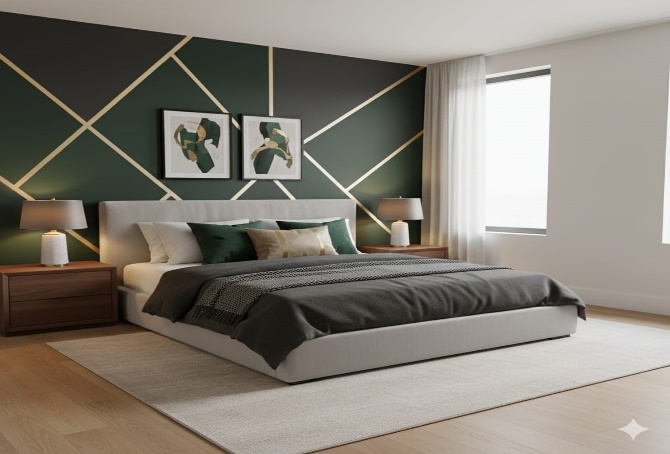 Step 6: Play with Color and Contrast
A focal point should stand out. Use color or contrast to highlight it—a bold accent wall, a brightly colored chair, or patterned curtains against neutral surroundings.
For ideas, see Choosing Color Palettes That Work.

Step 7: Incorporate Statement Furniture
Furniture can be the focal point. A sculptural chair, a dramatic headboard, or a unique dining table can anchor the room. Position it prominently and let accessories support it.
For guidance, see Mixing Old and New: Vintage Meets Modern Decor.
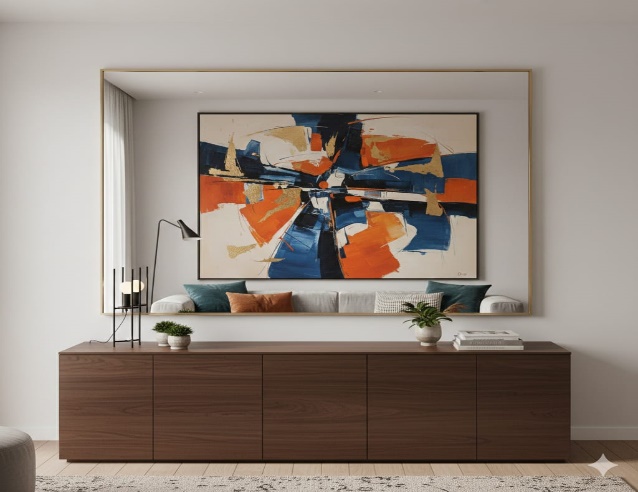
Step 8: Use Mirrors to Amplify
Mirrors don’t just expand space—they can amplify focal points. Place a mirror opposite a bold piece of art or behind a styled console to reflect and double the impact.
For inspiration, check out How to Use Mirrors to Expand Space and Light.
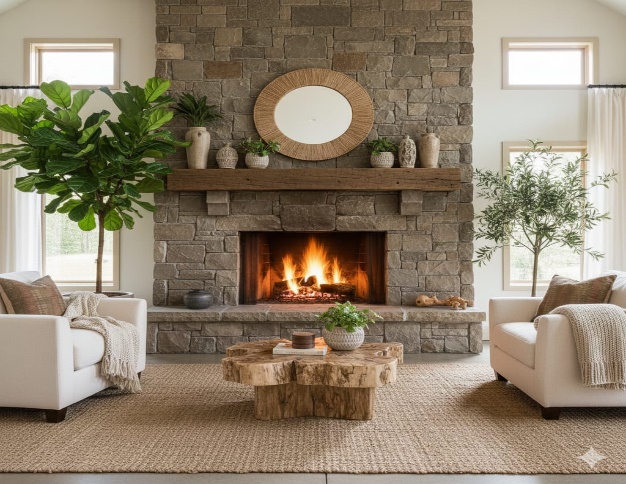
Step 9: Add Plants for Natural Emphasis
Plants can highlight focal points by framing them or adding life. A tall plant beside a fireplace or a cluster of greenery near a window makes the area feel more intentional.
For ideas, see Decorating with Plants: Style + Air Quality.
Step 10: Refresh Seasonally
Focal points don’t have to stay static. Update them with seasonal decor — garlands in winter, fresh flowers in spring, or warm textiles in autumn. This keeps the room feeling alive and connected to the time of year.
For inspiration, check Seasonal Decorating Ideas for Every Room.
Final Thoughts
A focal point is the heartbeat of a room. It gives the eye direction, sets the mood, and makes spaces feel complete. Whether it’s a natural feature, bold artwork, statement furniture, or a styled vignette, the key is to choose one element to lead and let everything else support it.
The beauty of focal points is that they’re flexible. You can create them with color, light, furniture, or decor—and refresh them as your style evolves. Done right, a focal point doesn’t just decorate a room; it tells a story and makes the space feel truly yours.