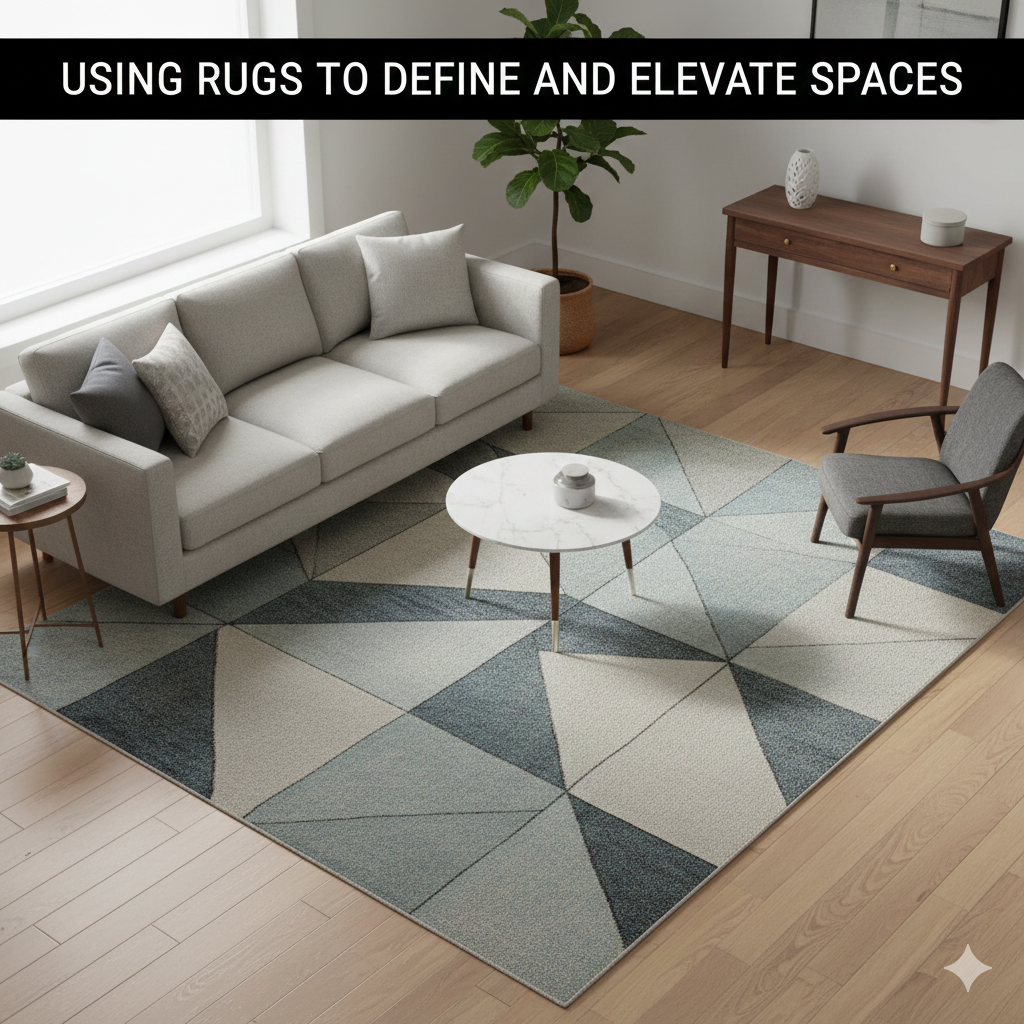
Rugs are more than floor coverings—they’re design tools that can define zones, add warmth, and elevate the look of any room. A well‑chosen rug can anchor furniture, create visual boundaries, and bring texture and color into a space. The trick is knowing how to use rugs intentionally so they don’t just sit underfoot but actively shape the atmosphere of the room.
Step 1: Anchor Furniture with Rugs
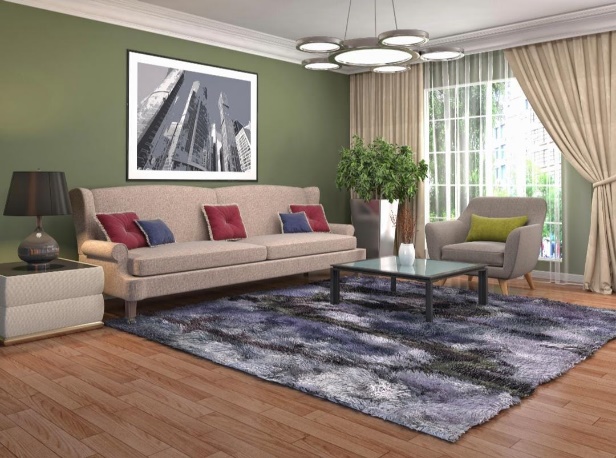
Rugs help ground furniture. In living rooms, place the rug so the front legs of sofas and chairs rest on it. This connects the seating arrangement and makes the space feel cohesive.
For guidance, see Rearranging Furniture for Better Flow.
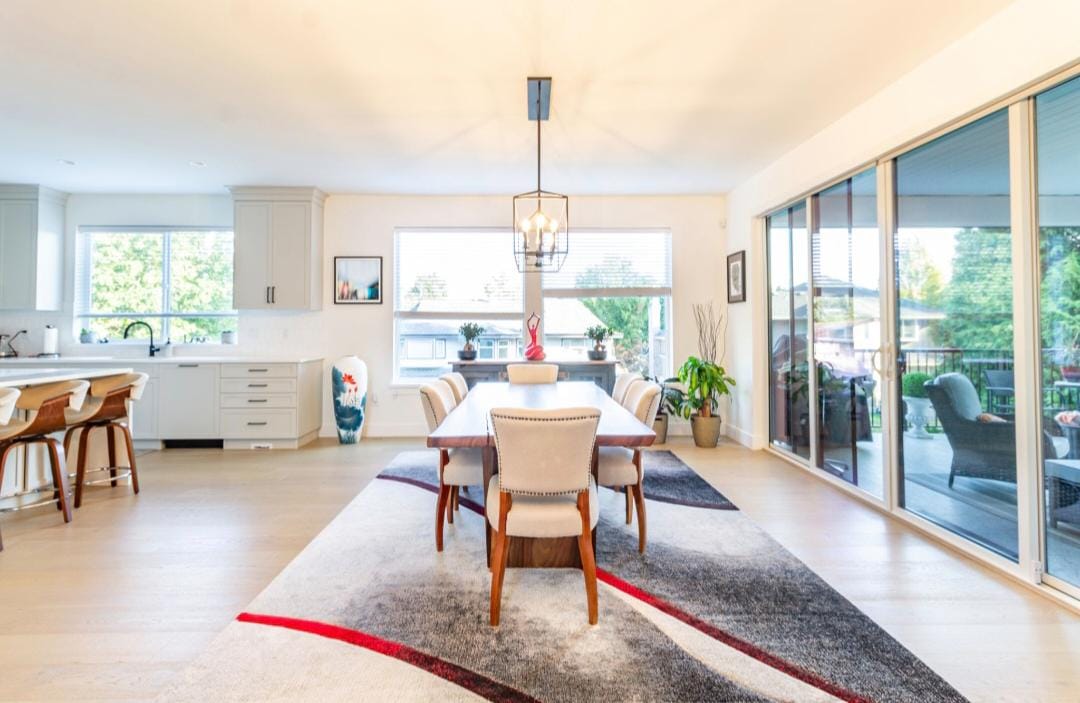
Step 2: Define Zones in Open‑Plan Spaces
In open‑plan layouts, rugs are essential for zoning. A rug under the dining table marks the eating area, while another under the sofa defines the lounge. This creates boundaries without walls.
For ideas, check How to Zone Open-Plan Spaces Effectively.
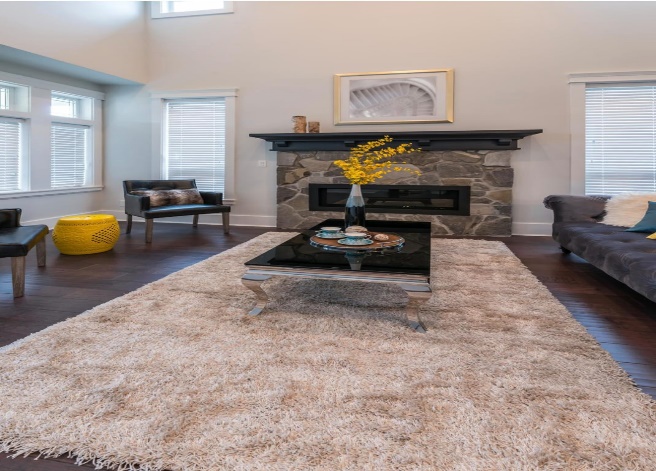
Step 3: Add Texture and Warmth
Rugs bring softness and texture to hard floors. A shaggy rug adds coziness, while a flat‑woven rug feels casual and airy. Texture makes the room feel layered and inviting.
For inspiration, see Mixing Textures and Patterns in Your Space.
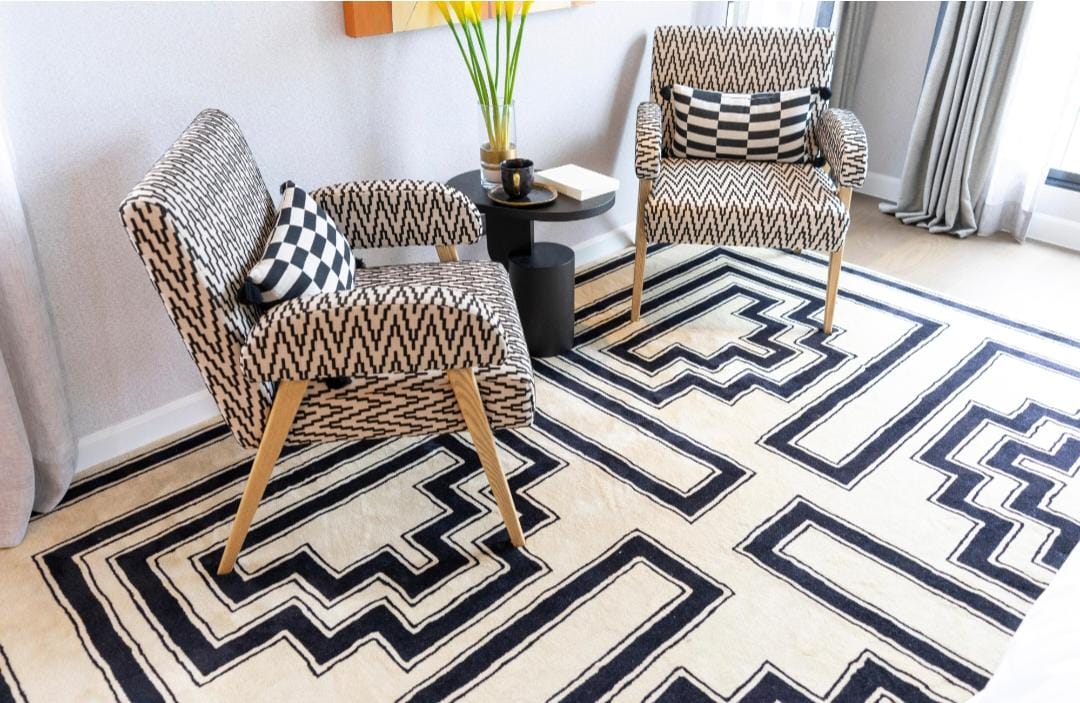 Step 4: Play with Color and Pattern
Rugs are a chance to introduce bold colors or patterns. A geometric rug can energize a modern room, while a Persian rug adds timeless character. Keep the palette cohesive so the rug enhances, not overwhelms.
For guidance, see Choosing Color Palettes That Work.
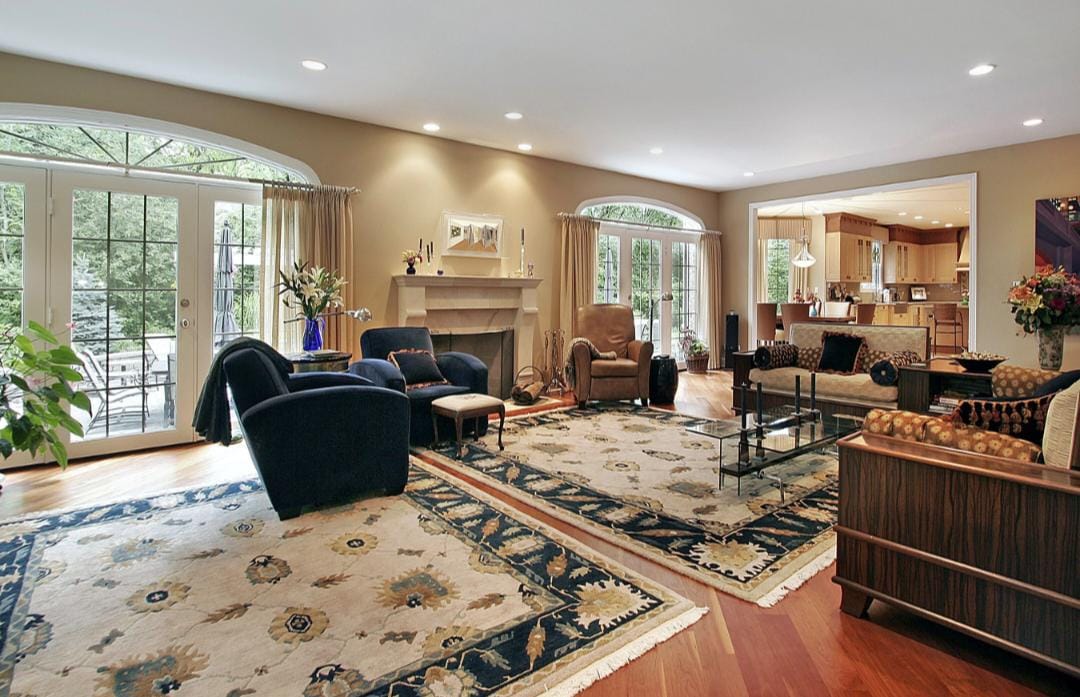 Step 5: Balance Scale and Proportion
A rug that’s too small makes furniture look disconnected; one that’s too large can swallow the room. Ideally, rugs should extend beyond furniture edges but leave some floor visible. Proportion keeps the design balanced.
For ideas, check Room Design Mistakes to Avoid in Every Home.
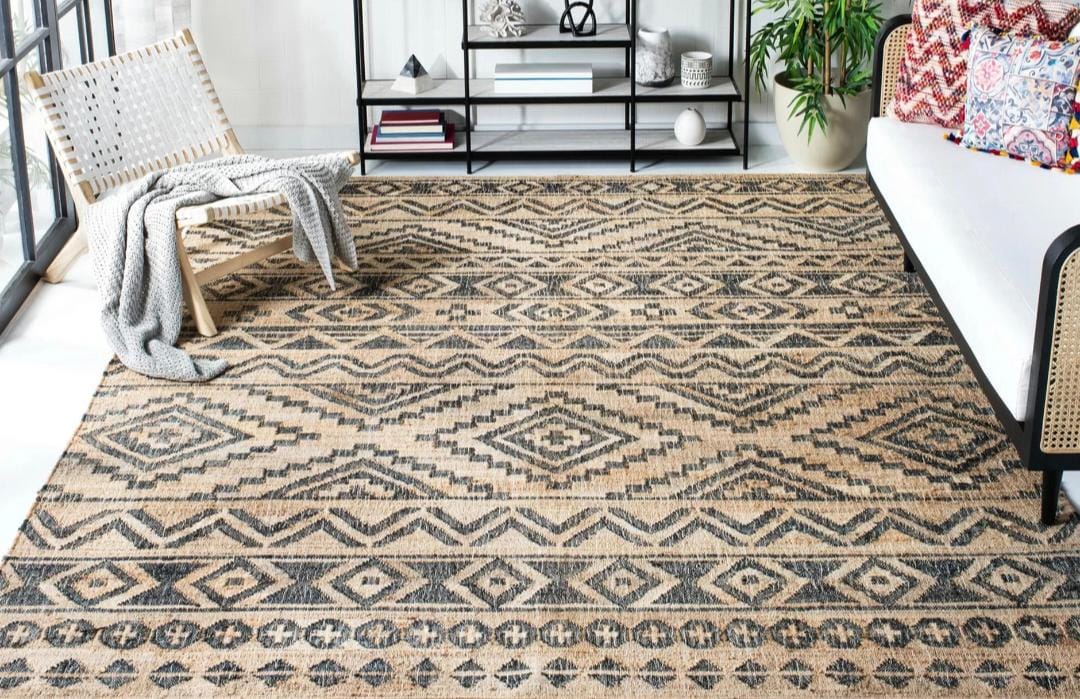
Step 6: Layer Rugs for Dimension
Layering rugs adds depth and personality. Place a smaller patterned rug over a larger neutral one to create contrast. This trick works well in eclectic or bohemian spaces.
For inspiration, see DIY Decor Projects That Make a Big Impact.
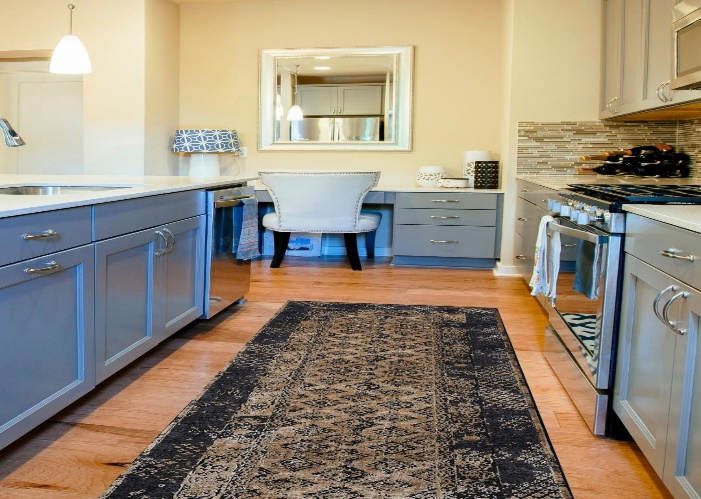 Step 7: Use Rugs in Unexpected Places
Rugs aren’t just for living rooms. Add one in the kitchen for comfort, in the hallway for character, or in the bathroom for warmth. These unexpected placements elevate everyday spaces.
For ideas, check Small Room Design Hacks That Actually Work.
Step 8: Rotate Rugs Seasonally
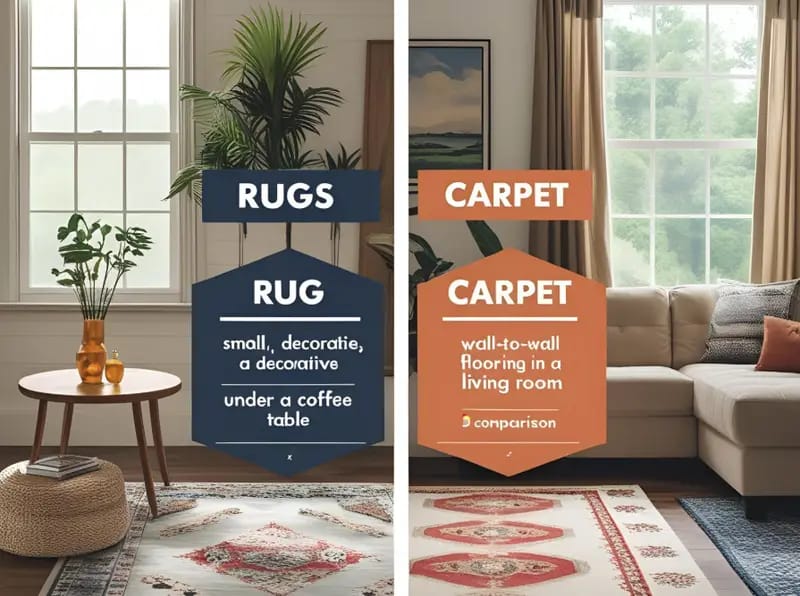 Swap rugs with the seasons. Light cotton or jute rugs in summer, cozy wool or shag rugs in winter. Seasonal changes keep the space fresh and connected to the rhythm of the year.
For inspiration, see Seasonal Decorating Ideas for Every Room.
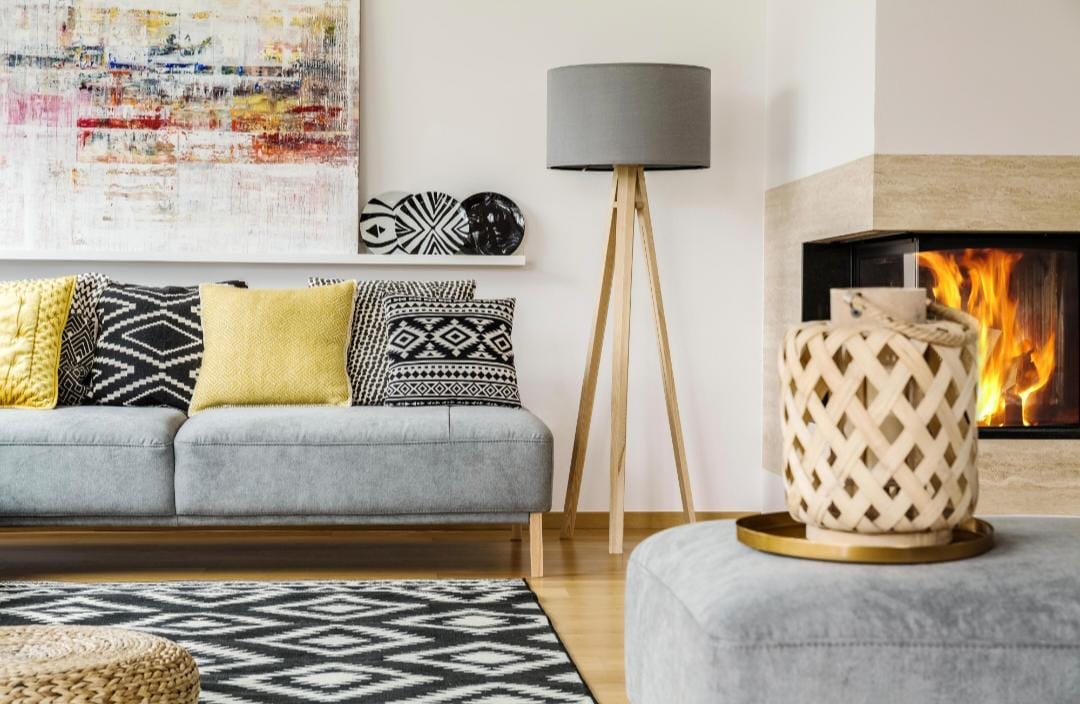 Step 9: Pair Rugs with Lighting and Accessories
Rugs work best when styled with lighting and accessories. A rug under a coffee table paired with a floor lamp and cushions creates a complete vignette. Together, they elevate the atmosphere.
For guidance, see DIY Accent Lighting Ideas.
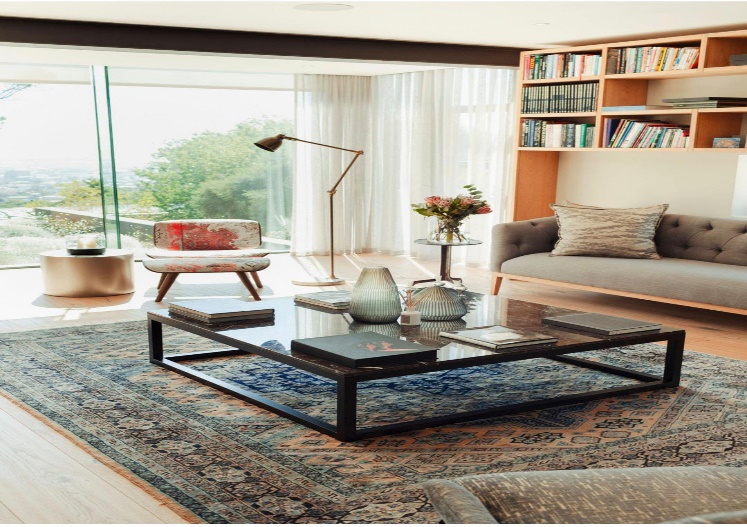 Step 10: Make Rugs Personal
Choose rugs that reflect your taste. Whether it’s a vintage piece, a handmade kilim, or a modern graphic design, rugs should feel personal. They’re not just decor—they’re part of your story.
For inspiration, check out Mixing Old and New: Vintage Meets Modern Decor.
Final Thoughts
Rugs are powerful design tools. They define zones, anchor furniture, add texture, and bring personality into a room. By choosing the right size, playing with color and pattern, layering, and rotating seasonally, you can use rugs to elevate any space.
The beauty of rugs is that they’re versatile. They can be bold or subtle, modern or vintage, functional or decorative. With thoughtful styling, rugs don’t just sit underfoot—they transform the way a room feels and flows