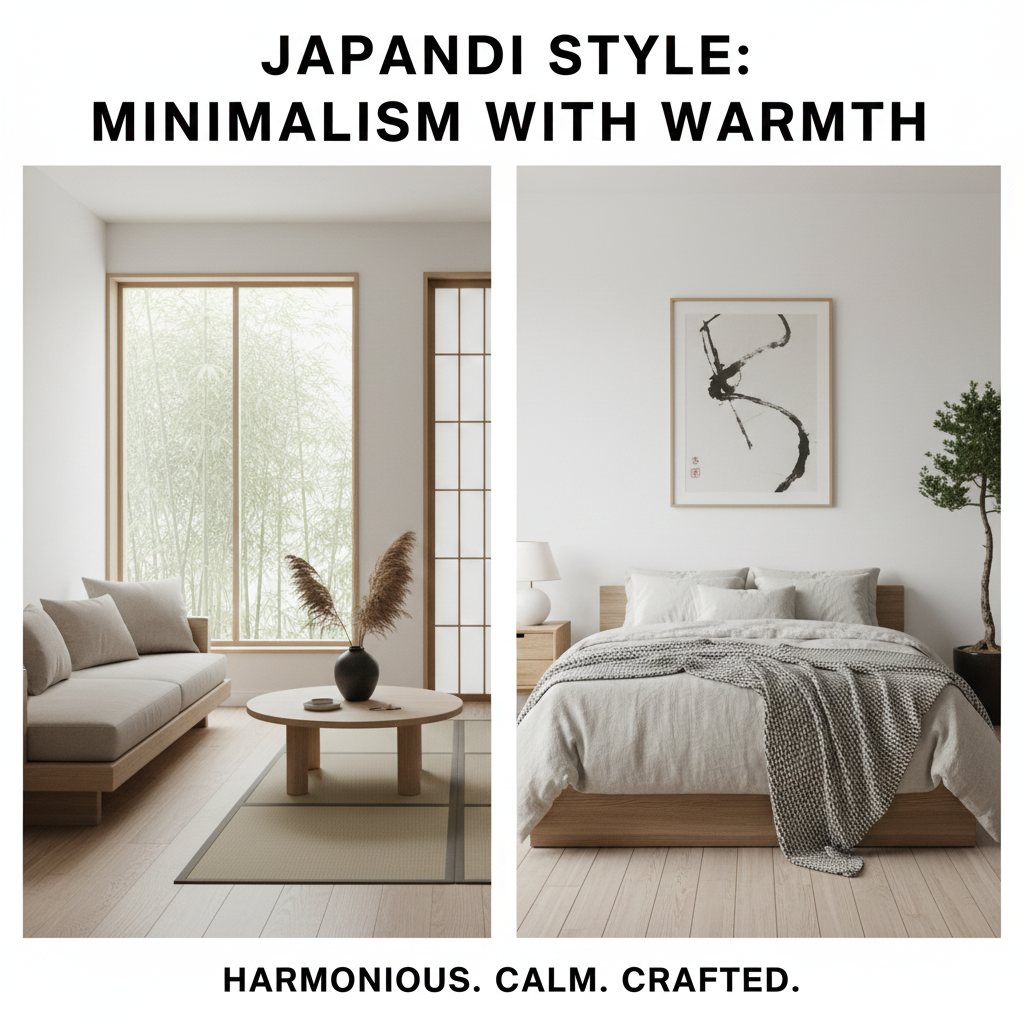
Japandi is the perfect marriage between Japanese minimalism and Scandinavian coziness. It blends the clean, uncluttered lines of Japanese interiors with the warmth and comfort of Scandinavian design. The result is a style that feels calm, balanced, and deeply inviting. Japandi isn’t just about aesthetics—it’s about creating a home that feels intentional, functional, and soothing.
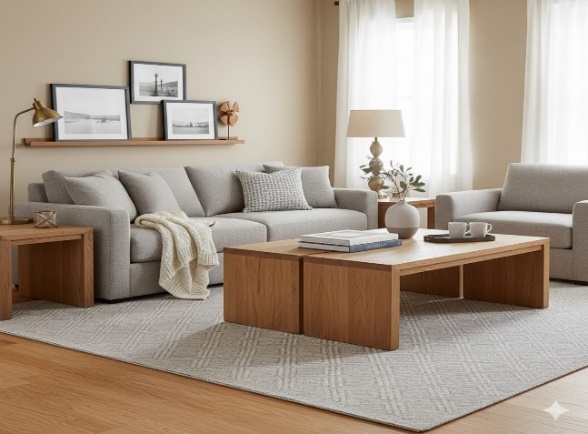 Step 1: Start with a Neutral Palette
Japandi interiors thrive on muted tones—whites, beiges, soft grays, and earthy browns. These colors create a calm backdrop that highlights natural materials and simple forms.
For guidance, see Choosing Color Palettes That Work.
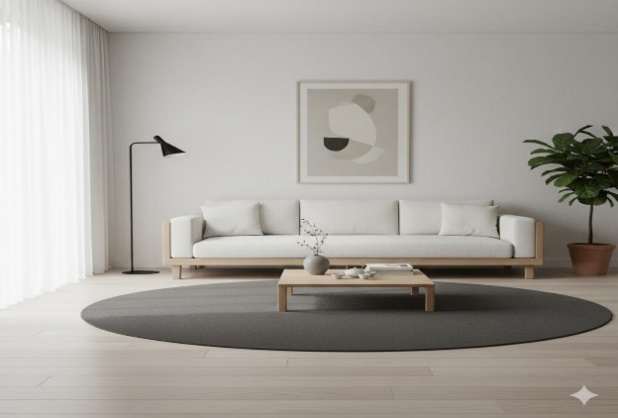 Step 2: Embrace Minimalism
Clutter has no place in Japandi. Spaces should feel open and intentional, with only essential furniture and decor. Every piece should serve a purpose, whether functional or aesthetic.
For inspiration, check Room Design Mistakes to Avoid in Every Home.
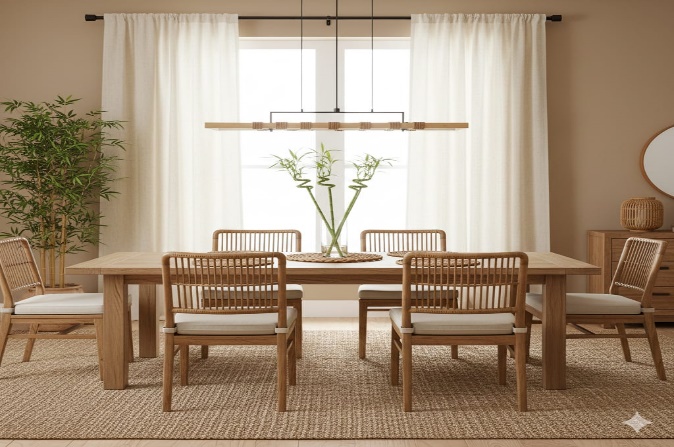
Step 3: Highlight Natural Materials
Wood, stone, bamboo, and linen are staples of Japandi interiors. These materials add warmth and authenticity, balancing minimalism with coziness.
For guidance, see Mixing Textures and Patterns in Your Space.
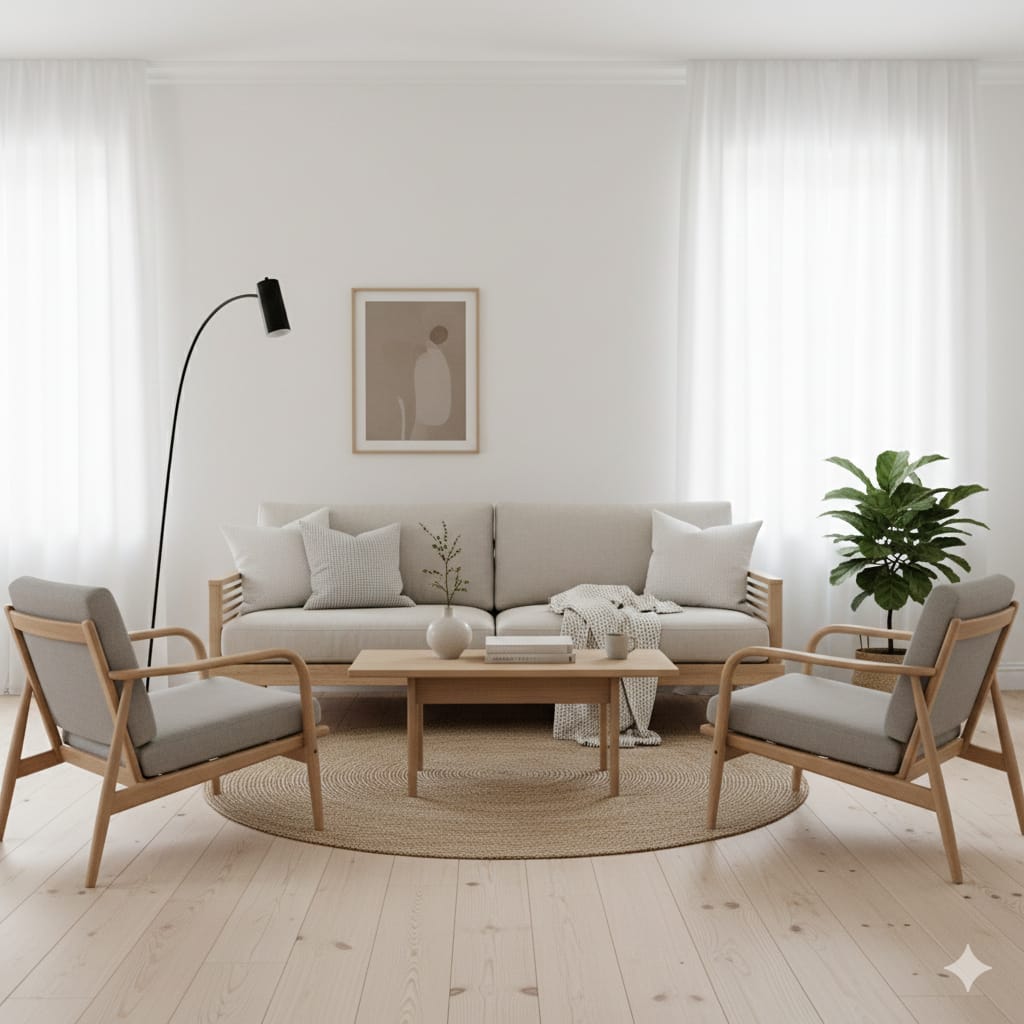
Step 4: Choose Functional Furniture
Japandi furniture is simple, functional, and low‑profile. Think Scandinavian sofas with Japanese‑inspired wooden frames, or minimalist dining tables paired with cozy chairs.
For ideas, see Small Room Design Hacks That Actually Work.
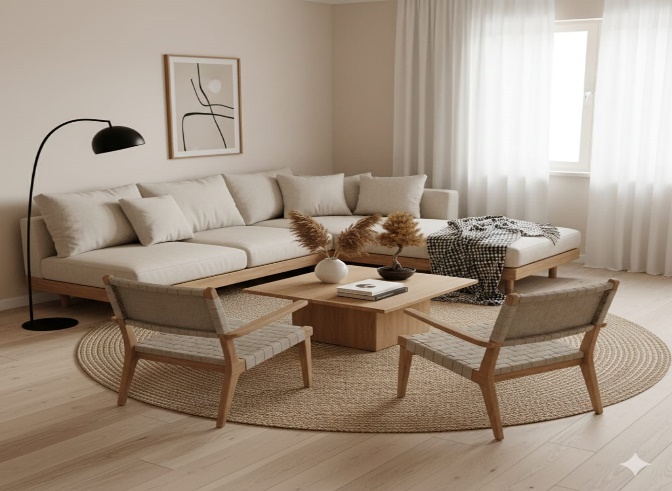 Step 5: Layer Textures for Warmth
Minimal doesn’t mean cold. Layer textiles like linen cushions, wool throws, and woven rugs to add depth and coziness. This creates balance between simplicity and comfort.
For inspiration, check Using Rugs to Define and Elevate Spaces.
Step 6: Incorporate Plants
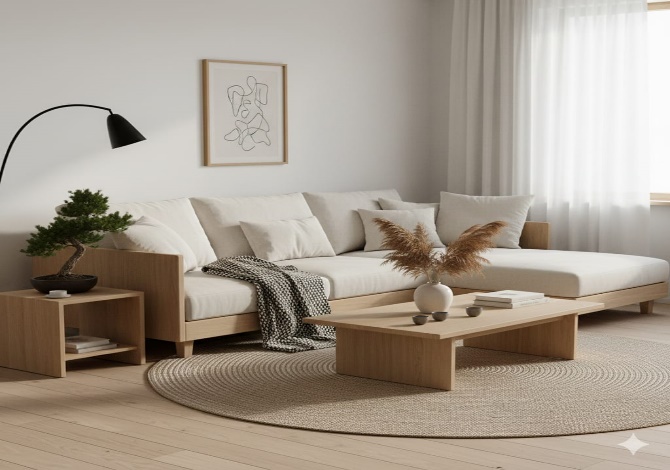 Plants bring life and freshness to Japandi interiors. Simple greenery like bonsai, bamboo, or ferns adds a natural touch without overwhelming the space.
For guidance, see Decorating with Plants: Style + Air Quality.
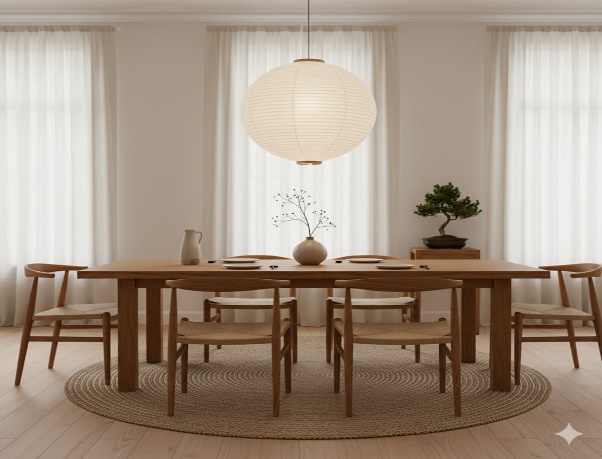 Step 7: Play with Lighting
Lighting in Japandi interiors should be soft and warm. Paper lanterns, woven lampshades, or minimalist pendants create a calming glow. Natural light is equally important—keep windows open and uncluttered.
For ideas, see DIY Accent Lighting Ideas.
 Step 8: Create a Focal Point
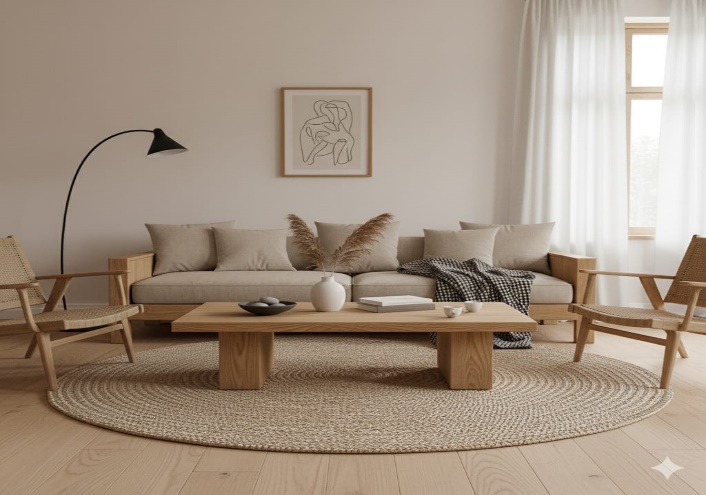
Japandi rooms benefit from a simple focal point—a statement chair, a bold piece of art, or a low coffee table. Keep it subtle but intentional.
For inspiration, check out How to Create a Focal Point in Any Room.
 Step 9: Balance Old and New
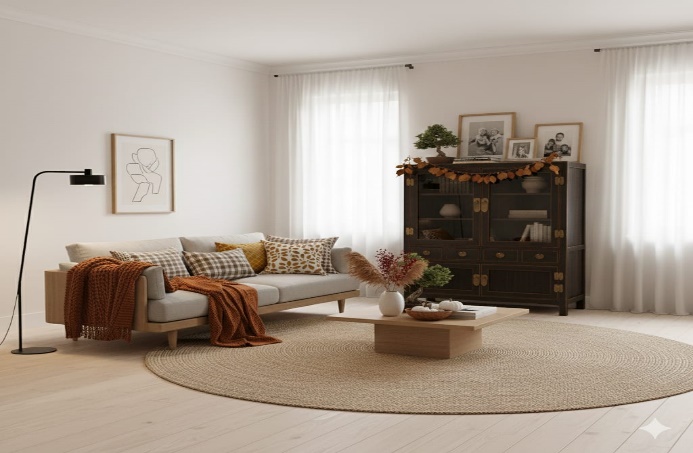
Japandi style blends tradition with modernity. A vintage wooden cabinet beside a sleek sofa, or a handmade ceramic vase on a minimalist shelf, creates harmony.
For guidance, see Mixing Old and New: Vintage Meets Modern Decor.
 Step 10: Keep It Personal and Seasonal
Japandi interiors should feel personal. Add handmade crafts, family photos, or seasonal accents. Light cotton in summer, cozy wool in winter—small changes keep the space fresh and connected to the rhythm of life.
For ideas, see Seasonal Decorating Ideas for Every Room.
Final Thoughts
Japandi style is about balance—minimalism with warmth, simplicity with comfort. Neutral palettes, natural materials, functional furniture, and layered textures create spaces that feel calm yet inviting. Plants, soft lighting, and personal touches add life and authenticity.
The beauty of Japandi design is its timelessness. It’s not about following strict rules but about creating a home that feels intentional, soothing, and uniquely yours. Done right, Japandi interiors are both elegant and livable—a sanctuary of calm in a busy world.