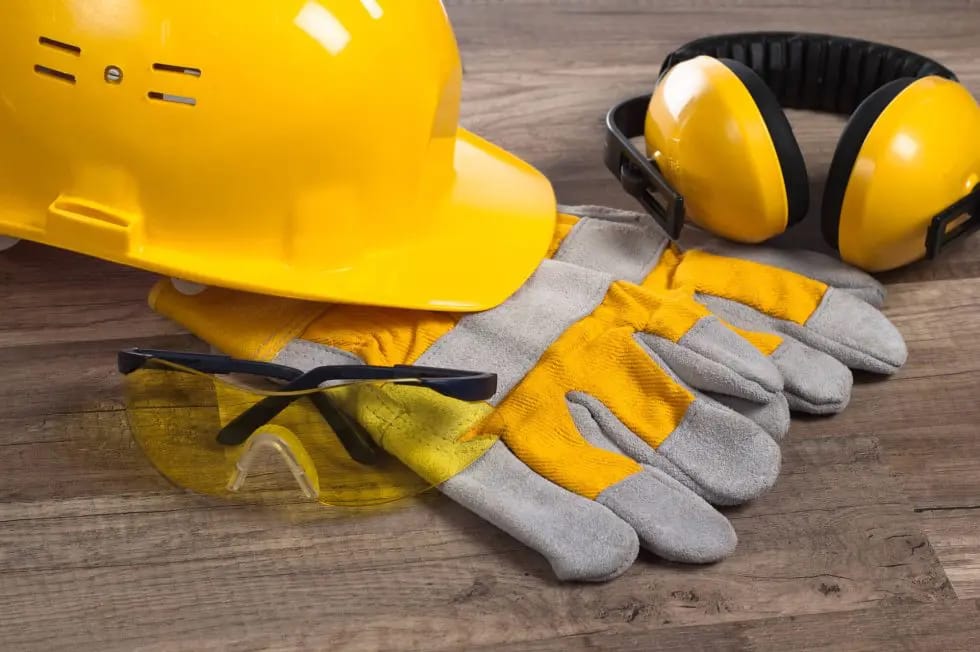
DIY projects are exciting—but safety comes first. This guide covers the essential gear every DIYer should own to protect eyes, hands, lungs, and more. Build smarter, not riskier.
Why Safety Gear Isn’t Optional
Let’s be honest—DIY can be messy, noisy, and sometimes risky. You’re drilling, sanding, painting, lifting, maybe even working with heat or chemicals. That’s a lot of moving parts—and a lot of ways to get hurt if you’re not careful.
Safety gear isn’t about being overly cautious. It’s about making sure you finish the project, admire your work, and move on to the next one without a bandage or a trip to the ER.
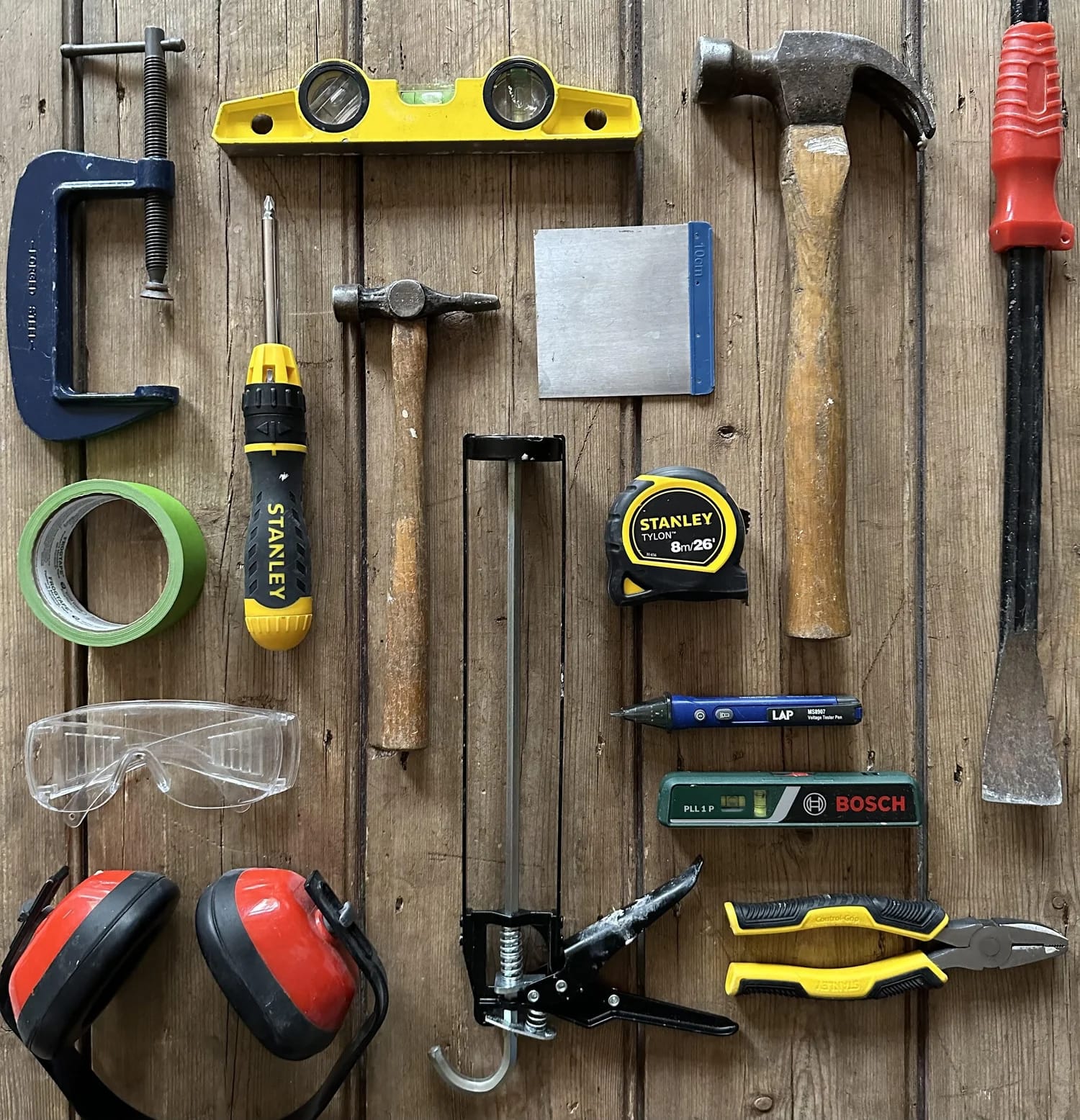
This list isn’t exhaustive—it’s practical. The gear below covers the basics that actually make a difference in real-life DIY. Fixing Squeaky Doors and Floors
Step 1: Safety Glasses or Goggles
Your eyes are exposed to more than you think—even during “simple” tasks. Sawdust, paint splatter, metal shavings, or a flying screw can cause serious damage in seconds. 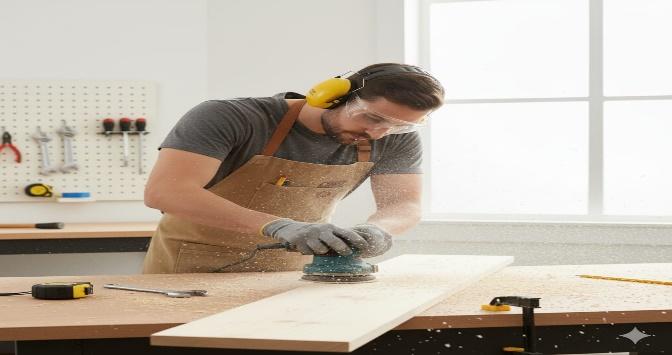
Go for wraparound glasses or snug-fitting goggles with anti-fog lenses. If you wear prescription glasses, look for models that fit over them comfortably. Upcycling Furniture for Beginners
Real moment: One DIYer was sanding a shelf when a tiny chip flew up and hit her cheek—just millimeters from her eye. She hadn’t worn goggles because “it was just sanding.” Never again.
Step 2: Hearing Protection
Power tools are loud—and hearing damage is permanent. Even short bursts of noise from drills, saws, or sanders can add up over time. 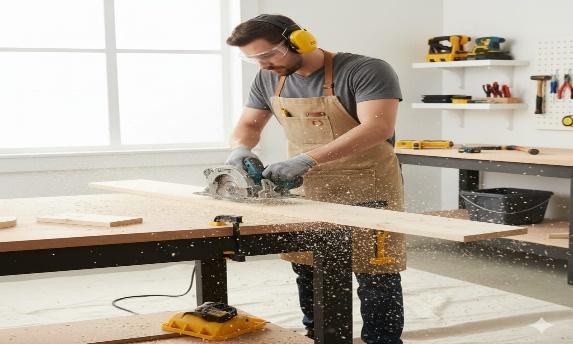
Use earmuffs for full coverage or earplugs for lighter jobs. If you’re working in a small space, the echo makes it even worse—protect your ears now, not later. DIY Accent Lighting Ideas
Step 3: Work Gloves
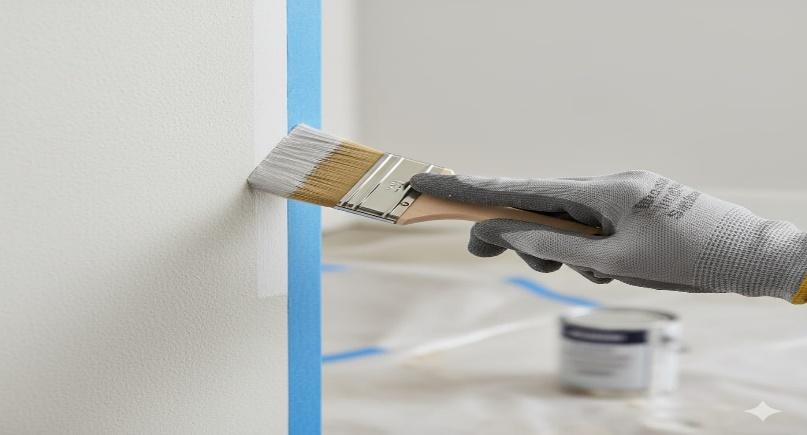
Splinters, sharp edges, hot surfaces—your hands take the brunt of it. A good pair of gloves can save you from cuts, burns, and blisters. 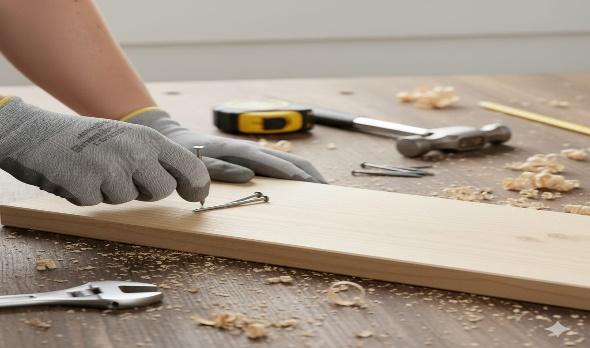
Leather gloves are great for heavy-duty work. Nitrile or rubber-coated gloves give you grip and flexibility for detailed tasks.
Real moment: One reader was pulling nails from old wood without gloves. One slip—and she had a deep cut that needed stitches. Now she keeps gloves in every toolbox.
Step 4: Dust Mask or Respirator
Sanding, painting, and drilling release fine particles you don’t want in your lungs. A basic dust mask works for light tasks. For chemicals or heavy dust, go for a respirator with filters. 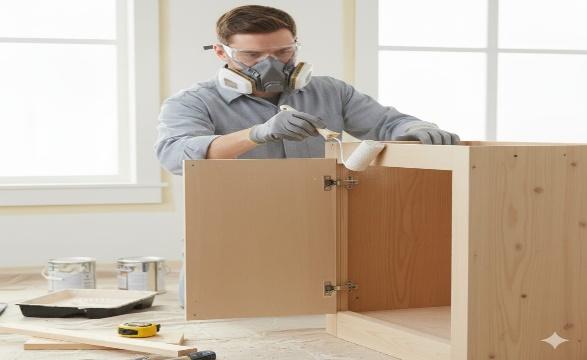
If you’re working indoors, ventilation matters—but protection matters more. Creating a Feature Wall with Paint or Wallpaper
Step 5: Protective Footwear
Dropped tools, falling wood, or sharp screws on the floor—your feet need protection too. Steel-toe boots are ideal, but even sturdy sneakers with thick soles are better than flip-flops. 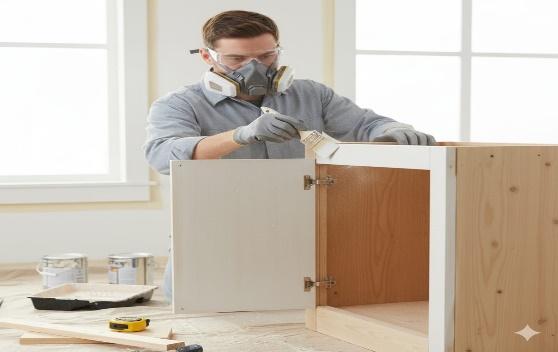
Real moment: One DIYer dropped a hammer while adjusting a shelf. It landed right on her foot—and she was wearing socks. She now wears boots, even for “quick” jobs. Budget-Friendly Room Makeovers
Step 6: Durable Clothing or Apron 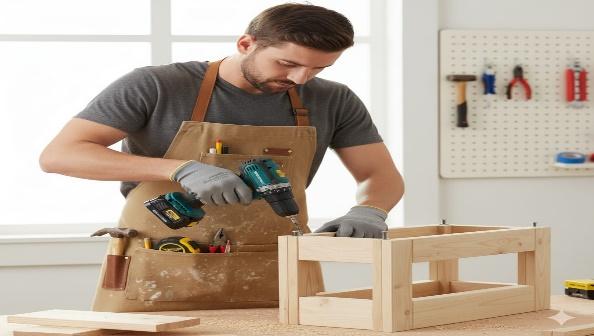
Loose sleeves and flimsy fabrics can catch on tools or tear easily. Wear fitted, durable clothes—or a heavy-duty apron with pockets for tools and bits.
Canvas aprons are great for woodworking, painting, and anything messy. Bonus: they save your clothes from glue, paint, and dust. Styling Open Shelves with Purpose
Step 7: Headlamp or Task Lighting
Good lighting isn’t just about visibility—it’s about safety. A headlamp keeps your hands free while working in dark corners, under sinks, or inside cabinets. 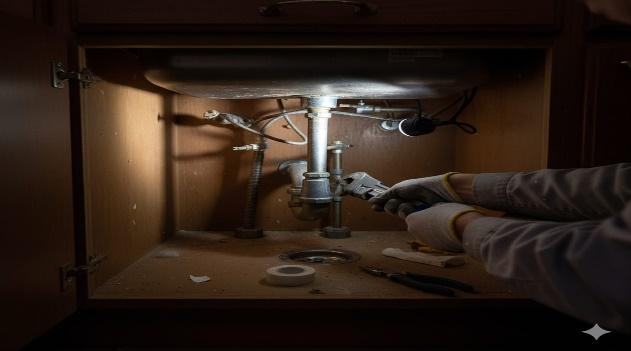
Even a small LED light can help you avoid mistakes—or spot that loose screw before you step on it.
Step 8: Fire Safety Basics 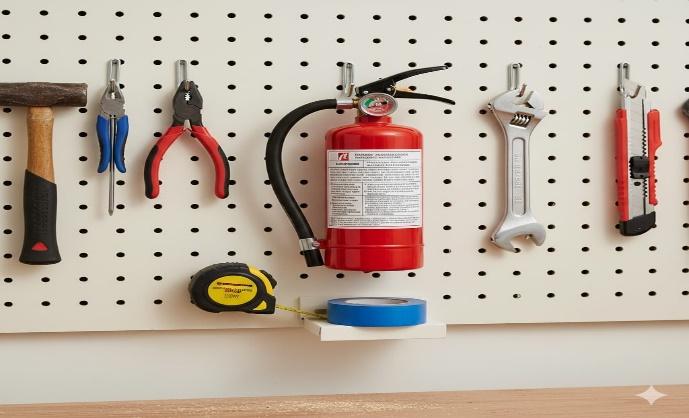
If you’re working with heat guns, soldering tools, or flammable materials, keep a fire extinguisher nearby. It’s one of those things you hope you never use—but you’ll be glad it’s there.
Also: keep a bucket of water or sand nearby if you’re working outdoors.
Final Thoughts — Safety Is What Lets You Keep Creating
DIY is supposed to be fun, creative, and satisfying. But none of that matters if you get hurt halfway through.
Safety gear isn’t about fear — it’s about freedom. Freedom to focus, to experiment, to enjoy the process without second-guessing every move.
So before you pick up the drill or open the paint can… gear up. Because the best DIY projects? They’re the ones you finish strong—and start again tomorrow.