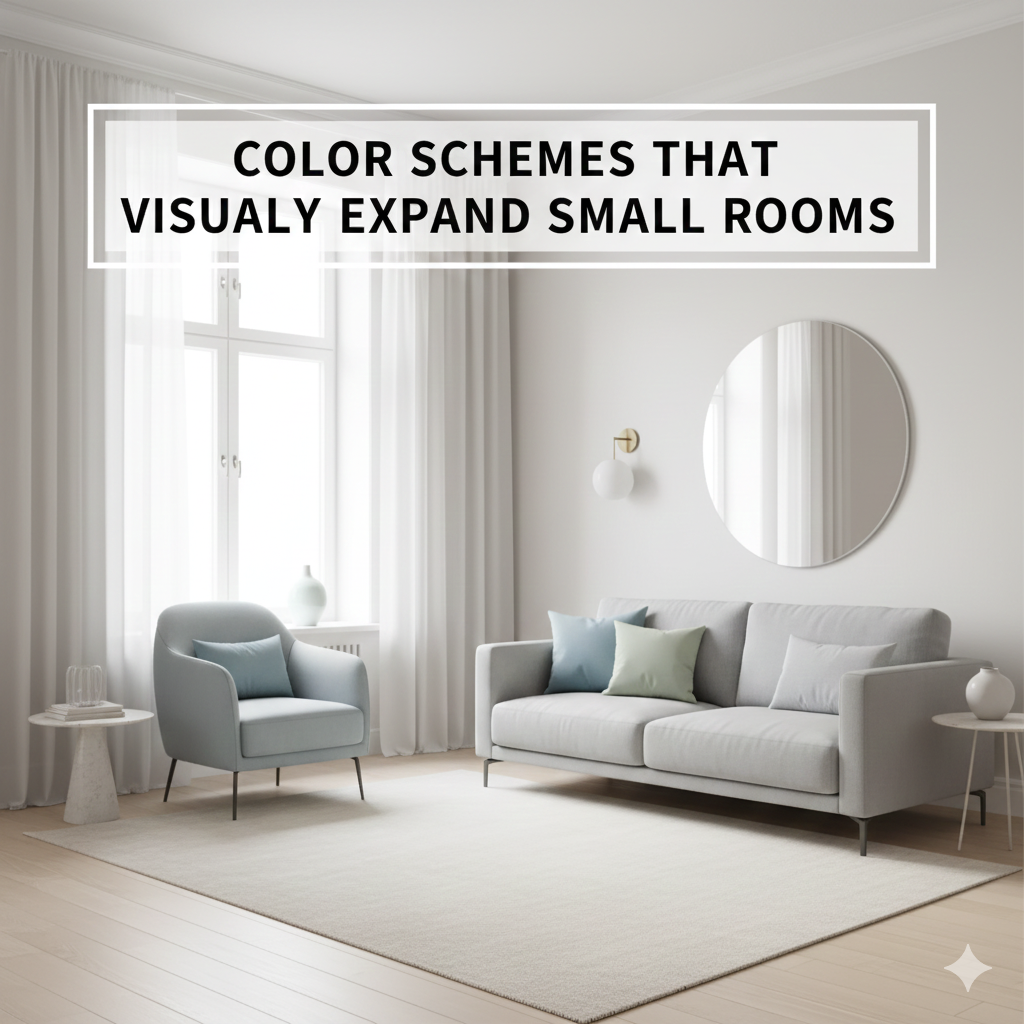
Color has the power to change how we perceive space. In small rooms, the right color scheme can make walls feel farther apart, ceilings higher, and the entire space more open and inviting. It’s not just about choosing light shades—it’s about creating harmony, contrast, and flow that tricks the eye into seeing more room than there actually is. With thoughtful palettes, you can transform a compact space into one that feels expansive, stylish, and personal.
 Step 1: Embrace Light Neutrals
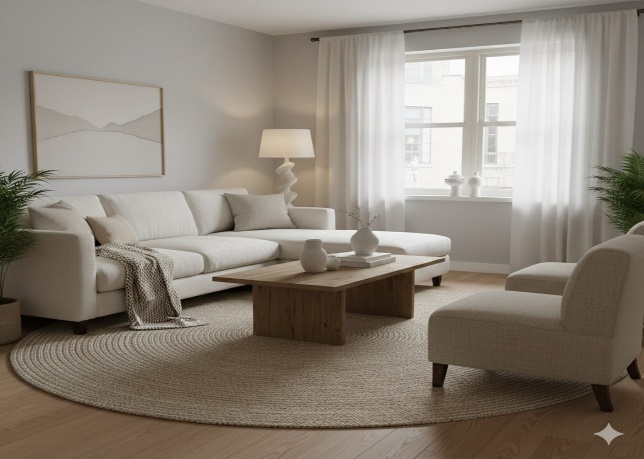
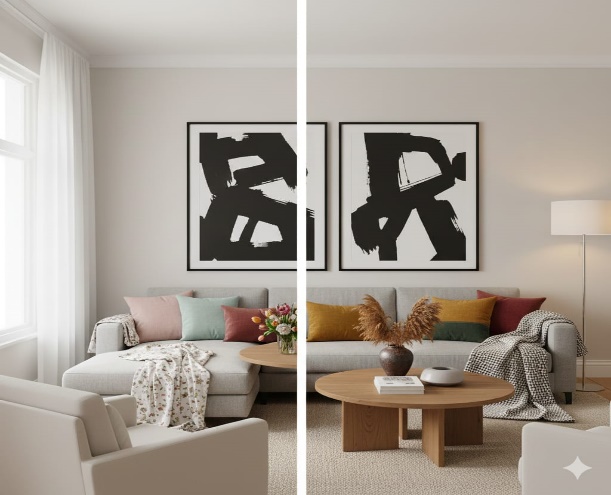
Light neutrals like soft beige, pale gray, and off‑white reflect light and make rooms feel airy. They create a calm backdrop that allows furniture and decor to stand out without overwhelming the space.
For guidance, see Choosing Color Palettes That Work.
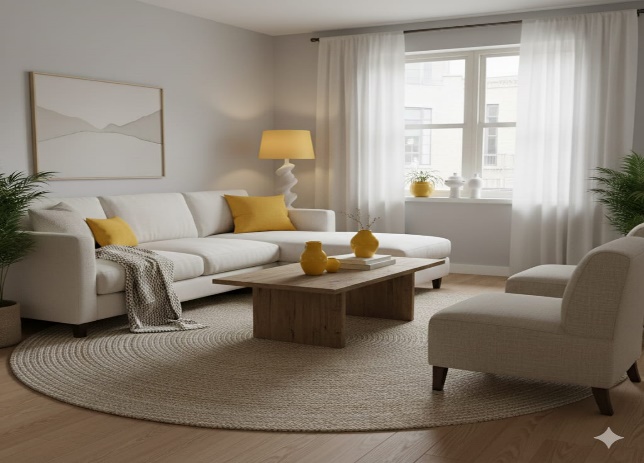 Step 2: Add Pops of Color Strategically
Too much bold color can shrink a room, but small accents—cushions, throws, or artwork—add personality without clutter. Choose one or two accent shades and repeat them subtly across the space.
For inspiration, check Seasonal Decorating Ideas for Every Room.
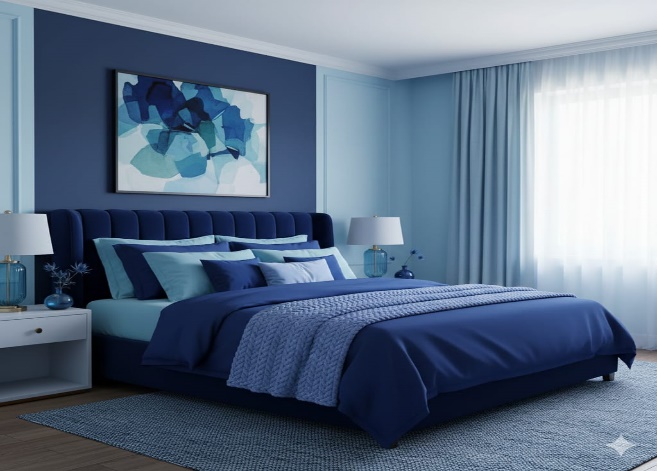 Step 3: Use Monochromatic Schemes
A monochromatic palette—different shades of the same color—creates visual flow. For example, layering soft blues from walls to textiles makes the room feel cohesive and larger.
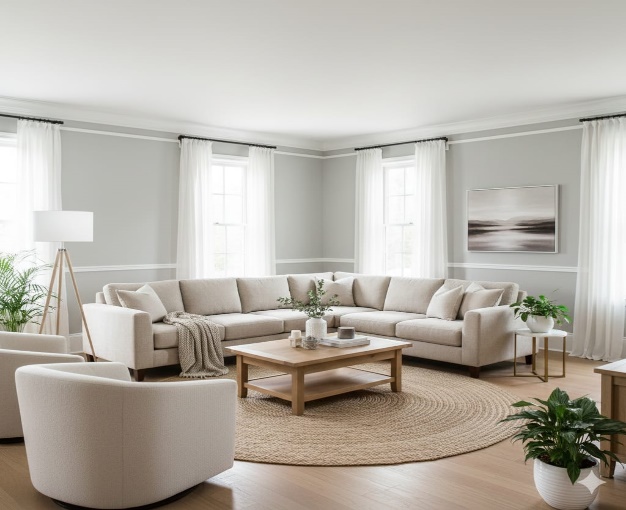
Step 4: Highlight Ceilings and Trim
Painting ceilings and trims in lighter shades than the walls draws the eye upward, making ceilings feel taller. Glossy finishes on trims also bounce light around the room.
For guidance, see Room Design Mistakes to Avoid in Every Home.
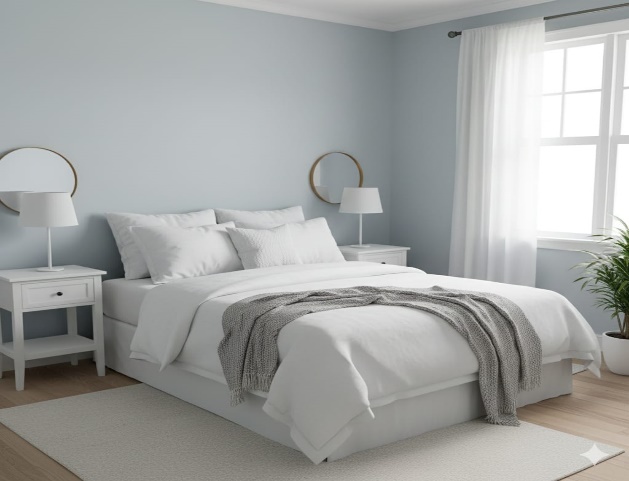
Step 5: Incorporate Cool Tones
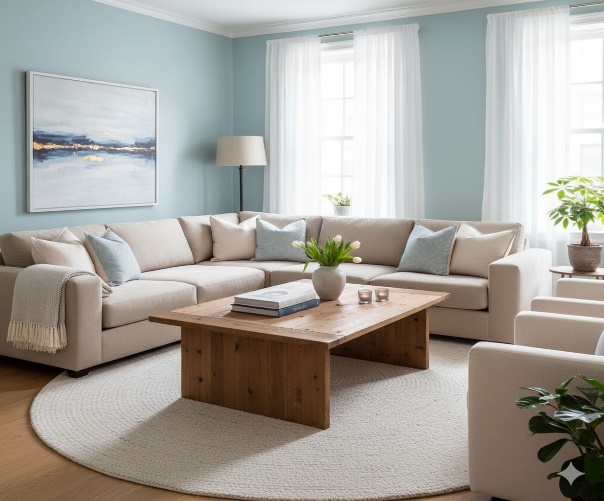
Cool tones like soft blues, greens, and lavenders recede visually, making walls feel farther away. They’re perfect for bedrooms or living rooms where you want a sense of calm and openness.
 Step 6: Balance with Warm Accents
While cool tones expand space, warm accents add coziness. A soft beige rug or warm wood furniture grounds the room, preventing it from feeling too sterile.
For inspiration, check Mixing Old and New: Vintage Meets Modern Decor.
.
 Step 7: Use Vertical and Horizontal Color Tricks
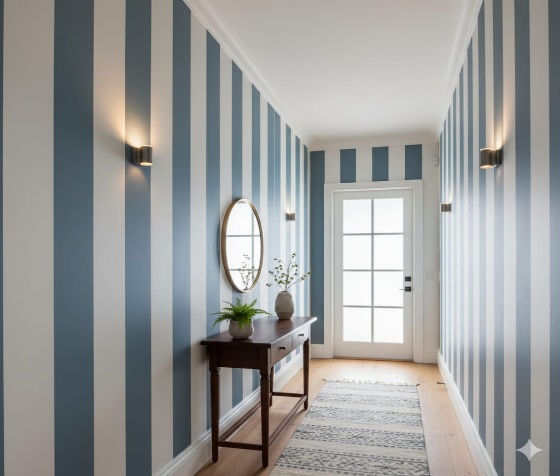
Horizontal stripes make walls feel wider, while vertical stripes make ceilings feel taller. Even subtle striped wallpaper or painted panels can change perception dramatically.
Step 8: Create Flow Between Rooms
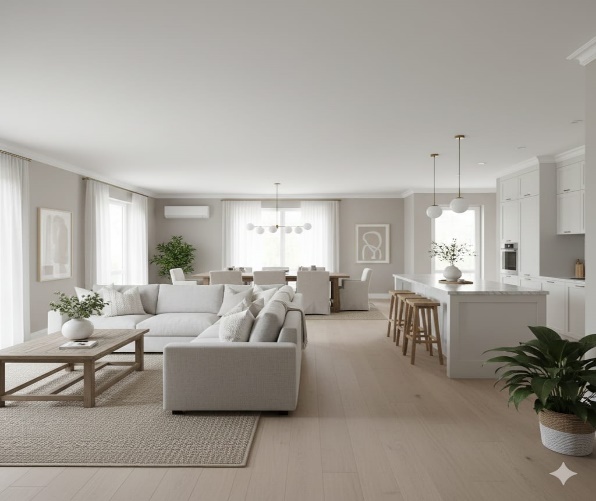
In compact homes, color continuity matters. Using similar palettes across adjoining rooms creates flow and makes the entire space feel larger.
For guidance, see How to Zone Open-Plan Spaces Effectively.
 Step 9: Play with Contrast Carefully
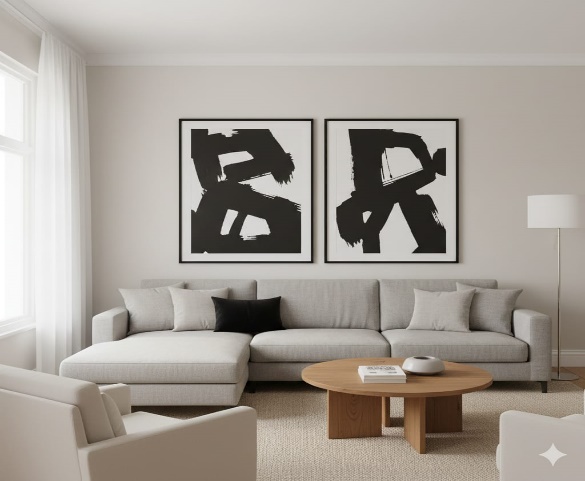
High contrast (like black and white) can be striking but risky in small rooms. Use it sparingly—perhaps in artwork or a single piece of furniture—to add drama without shrinking the space.
Step 10: Seasonal Refreshes
Colors don’t have to be permanent. Rotate accessories seasonally—pastels in spring, earthy tones in autumn—to keep the room fresh and connected to the time of year.
For inspiration, check Seasonal Decorating Ideas for Every Room.
Final Thoughts
Small rooms don’t have to feel confined. With light neutrals, cool tones, monochromatic schemes, and thoughtful accents, you can visually expand any space. Color is more than decoration—it’s a tool to shape perception, mood, and atmosphere. Done right, it transforms not just the look of your home, but the way you live in it.