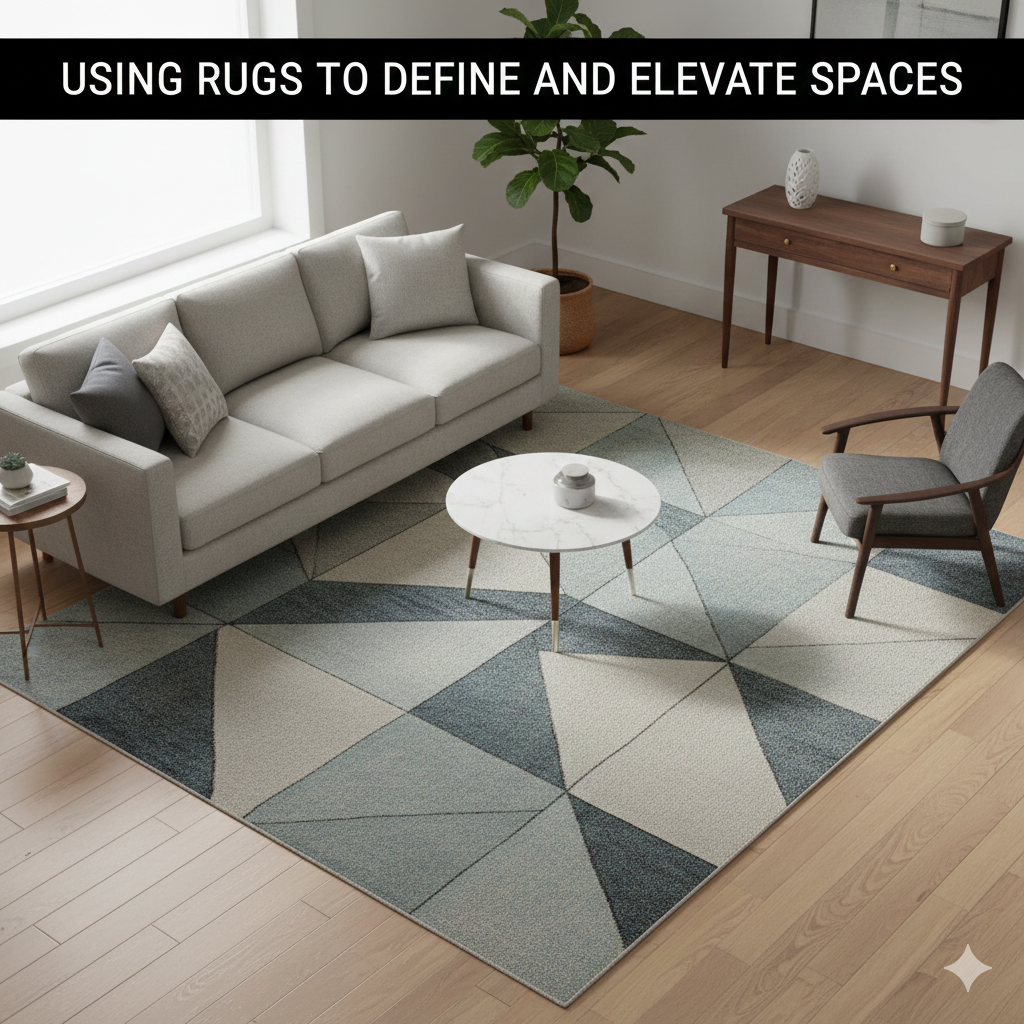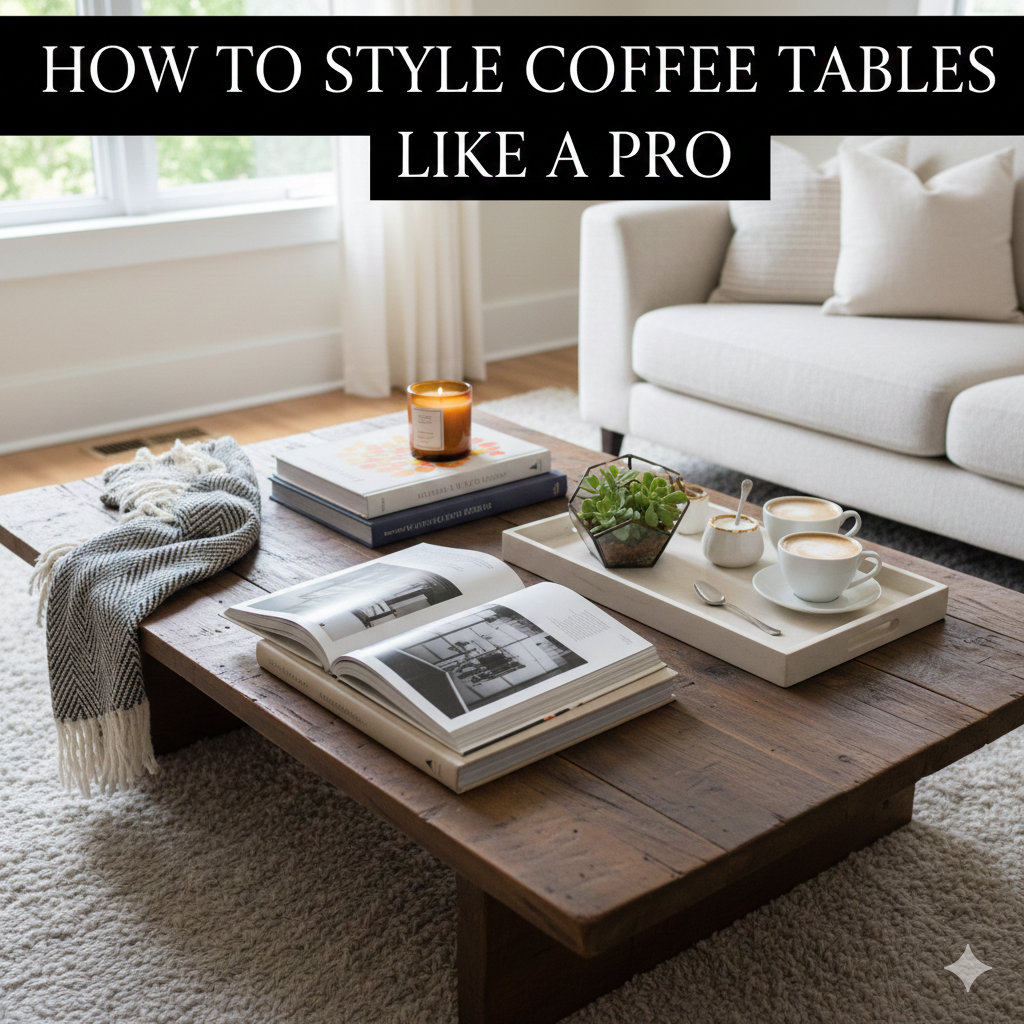
The coffee table is more than just a piece of furniture—it’s the heart of the living room. It’s where conversations happen, where books and flowers rest, and where style meets everyday life. A well‑styled coffee table can make a room feel polished and welcoming, while a poorly styled one can feel cluttered or unfinished.
Designers often say that coffee tables are like mini stages: they showcase personality, balance function with beauty, and tie the whole space together. The secret is layering objects thoughtfully, mixing textures, and leaving room for life to happen.
Step 1: Begin with a Clean Slate
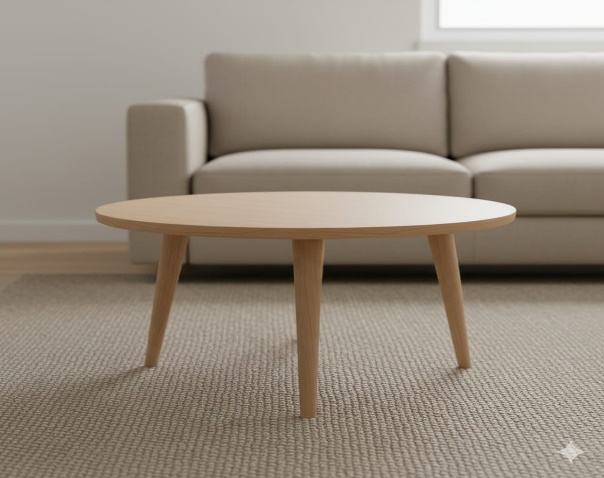
Before you style, clear everything off. A bare table helps you see proportions and imagine possibilities. Think of it as a blank canvas—every piece you add should feel intentional, not random.
For guidance, see Room Design Mistakes to Avoid in Every Home.
Step 2: Follow the Rule of Three
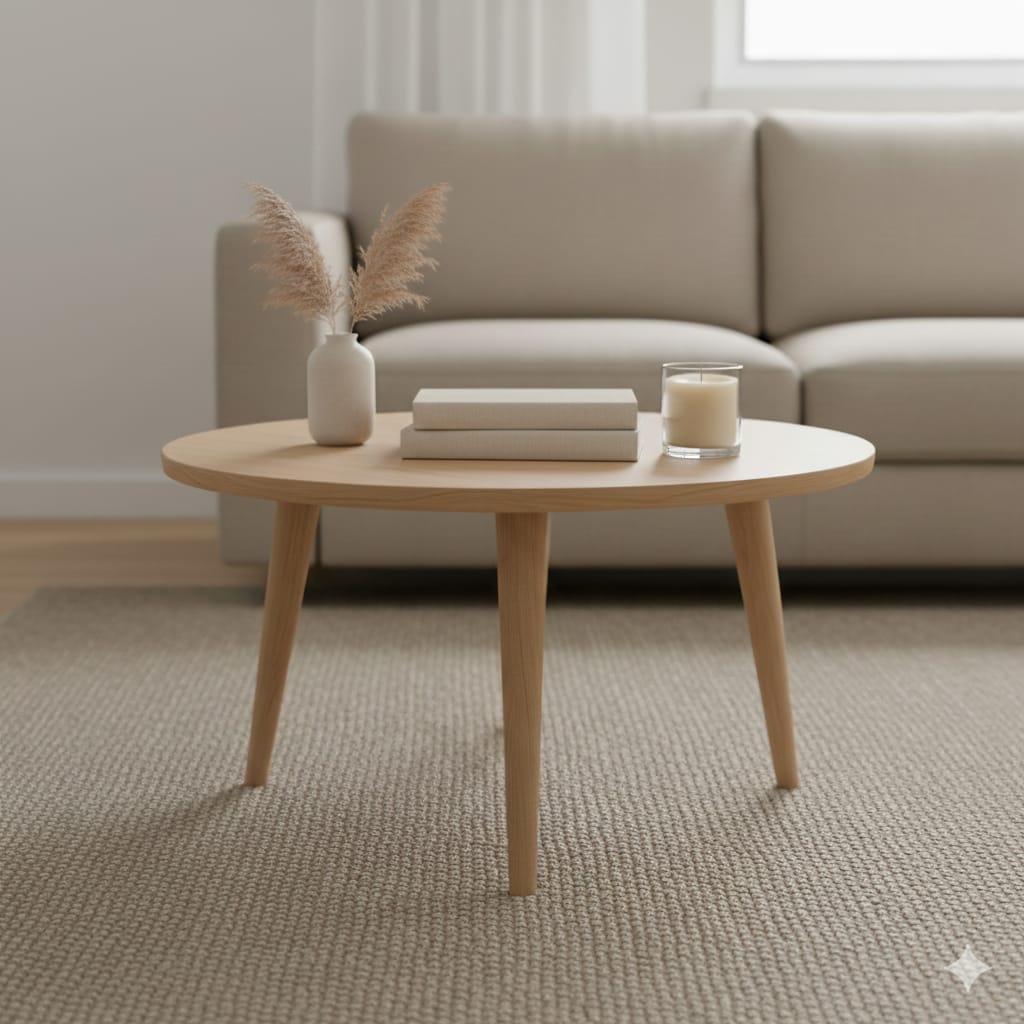
Designers swear by the “rule of three.” Group three objects of different heights and textures—like a stack of books, a vase, and a candle. This creates balance and visual interest without clutter. Odd numbers feel natural to the eye, while even numbers can look stiff.
For inspiration, check Styling Open Shelves with Purpose.
 Step 3: Add Books That Tell Your Story
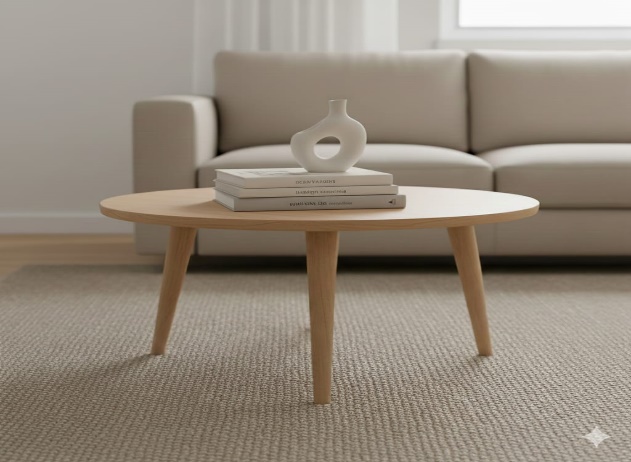
Coffee table books aren’t just decoration—they’re conversation starters. Choose titles that reflect your interests, whether it’s design, travel, or photography. Stack them neatly, and top with a small accessory like a candle or sculpture.
For ideas, see Designing a Reading Nook That Feels Like a Retreat.
 Step 4: Bring in Greenery
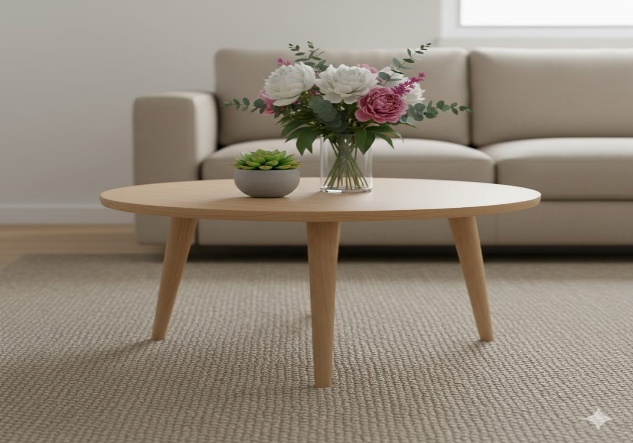
Plants or flowers add life and freshness. A small succulent, a vase of fresh blooms, or even a branch in a sculptural vessel softens hard surfaces and adds color. Greenery makes the table feel alive and welcoming.
For more ideas, check Decorating with Plants: Style + Air Quality.
 Step 5: Use Trays for Structure
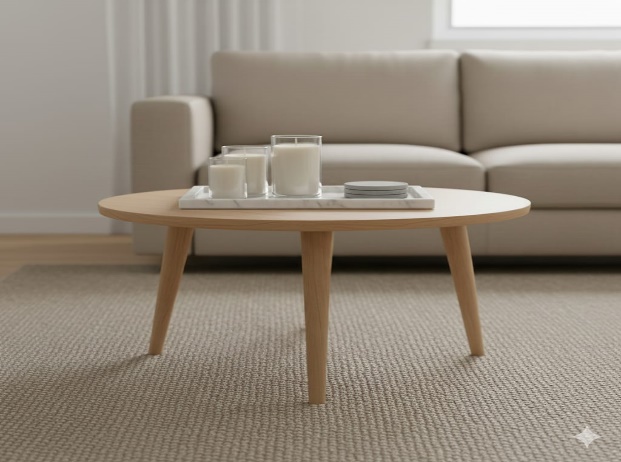
Trays are a stylist’s secret weapon. They corral objects, add structure, and make the table look organized. A tray can hold candles, coasters, or small decor while leaving space for everyday use.
For guidance, see Small Room Design Hacks That Actually Work.
 Step 6: Play with Height and Scale
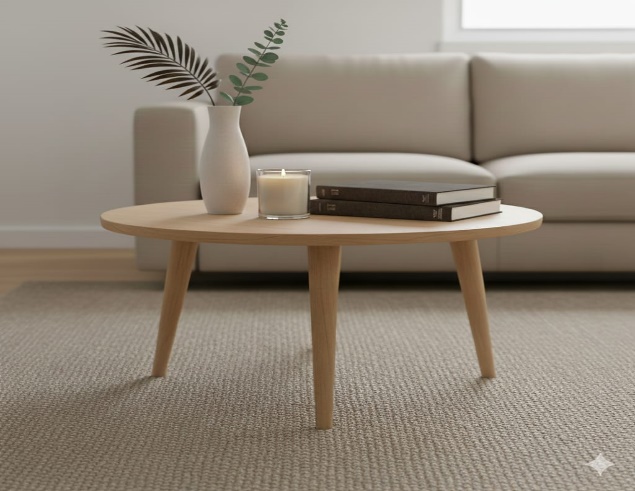
Mix tall and short objects, large and small. A tall vase beside a low stack of books creates contrast. Avoid filling the table with items of the same size—it looks flat. Height variation adds rhythm and keeps the eye moving.
For inspiration, check Mixing Textures and Patterns in Your Space.
Step 7: Add a Focal Point
Every coffee table needs one standout piece—a sculptural bowl, a bold vase, or a unique decorative object. This anchors the styling and draws the eye. Without a focal point, the table risks looking scattered.
For guidance, see How to Create a Focal Point in Any Room.
Step 8: Keep Function in Mind
Coffee tables are for living, not just looking. Leave space for mugs, remotes, or snacks. Styling should enhance daily life, not get in the way. A table that looks perfect but isn’t usable misses the point.
For ideas, see How to Zone Open-Plan Spaces Effectively.
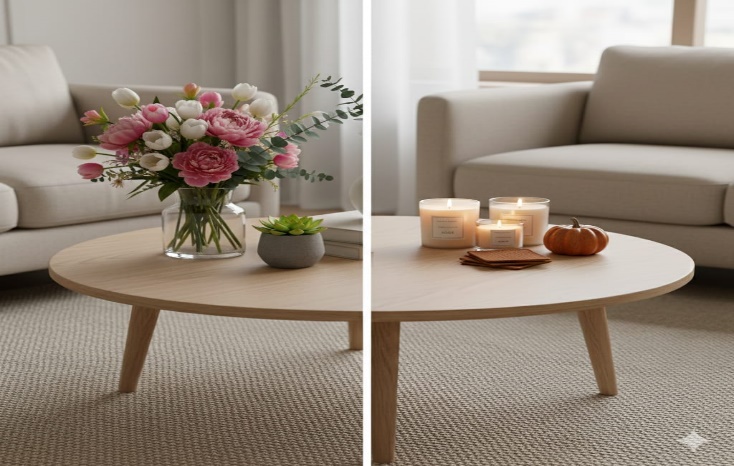 Step 9: Rotate Seasonally
Swap accessories with the seasons. Fresh flowers in spring, seashells in summer, warm candles in autumn, and festive accents in winter. Seasonal updates keep the table feeling fresh and connected to the time of year.
For inspiration, check Seasonal Decorating Ideas for Every Room.
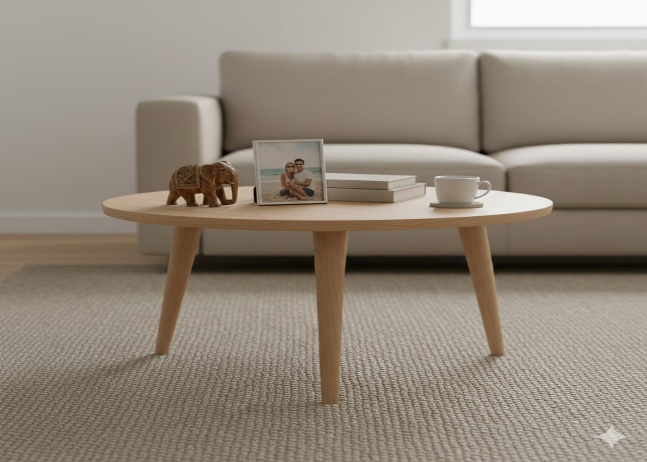
Step 10: Make It Personal
The best coffee tables reflect the people who live there. Add a travel souvenir, a handmade piece, or a photo frame. These touches make styling feel authentic, not staged. Your coffee table should tell your story, not just follow rules.
For guidance, see DIY Decor Projects That Make a Big Impact.
Final Thoughts
Styling a coffee table is about balance: beauty and function, simplicity and personality. By layering books, plants, trays, and focal points, you create a centerpiece that feels polished yet lived‑in. Seasonal updates and personal touches keep it dynamic and authentic.
The beauty of coffee table styling is that it’s flexible. You don’t need expensive decor—just thoughtful choices that reflect your taste. Done right, your coffee table becomes more than furniture. It becomes the heart of the living room, a place where style meets everyday life.