 A home gym doesn’t have to take up an entire basement or spare room. With smart planning, even a small bedroom corner or unused nook can become a functional workout space. The secret is choosing equipment that fits your lifestyle, organizing it efficiently, and designing the room so it feels motivating rather than cramped. A well‑designed small home gym can save time and money and keep you consistent with your fitness goals.
Step 1: Define Your Fitness Goals
Before buying equipment, think about your priorities. Do you want strength training, cardio, or yoga? Your goals determine what you need—a set of dumbbells, a foldable treadmill, or just a yoga mat.
For guidance, see Room Design Mistakes to Avoid in Every Home.
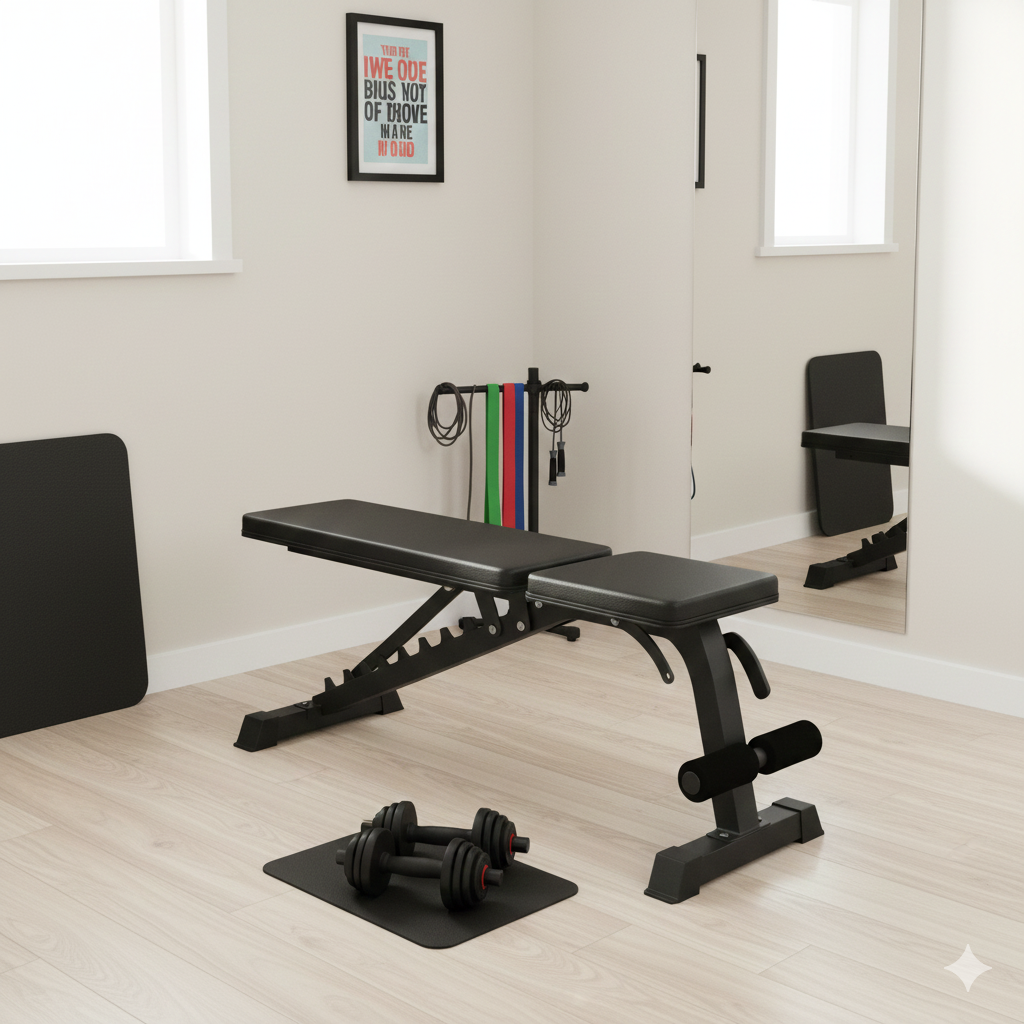 Step 2: Choose Compact Equipment
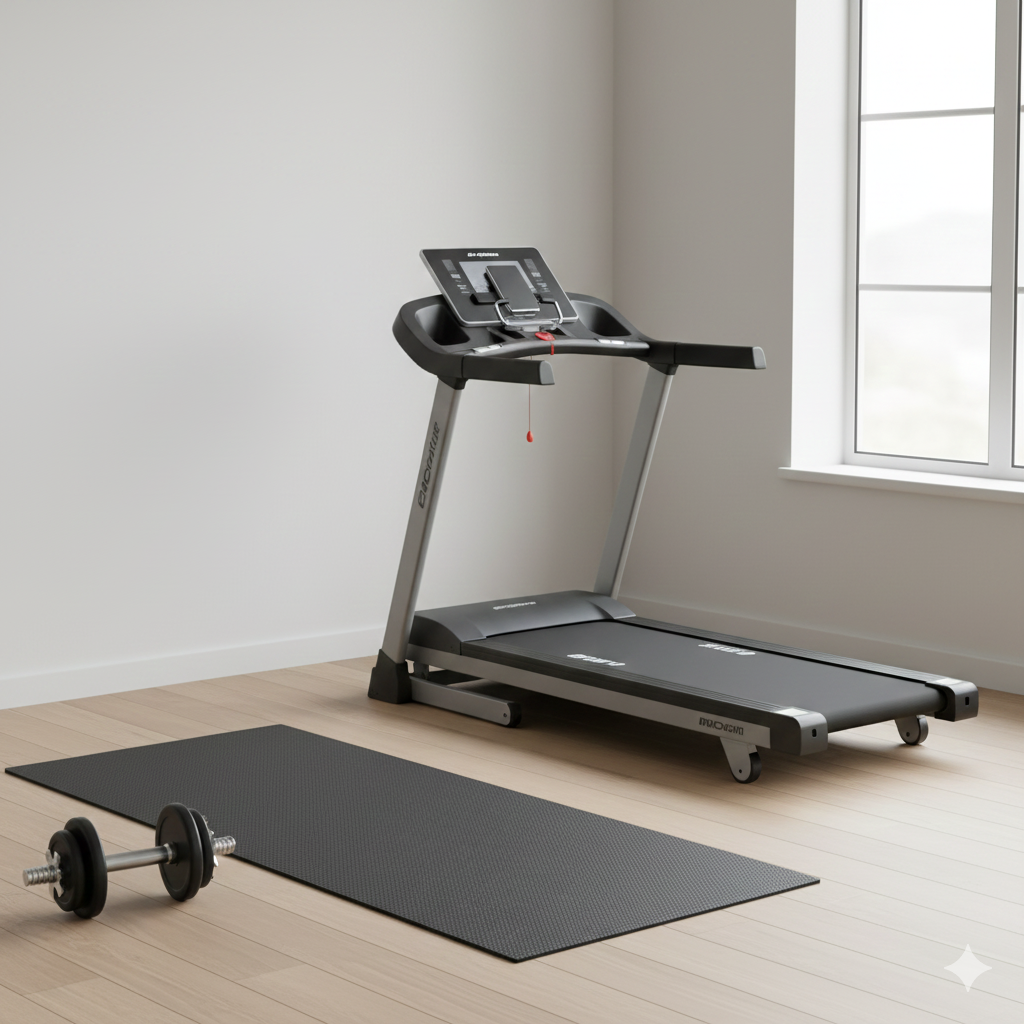
Small gyms thrive on space‑saving gear. Adjustable dumbbells replace a full rack, resistance bands tuck into drawers, and foldable benches store easily. Compact treadmills or stationary bikes can fit against a wall.
For inspiration, check Small Room Design Hacks That Actually Work.
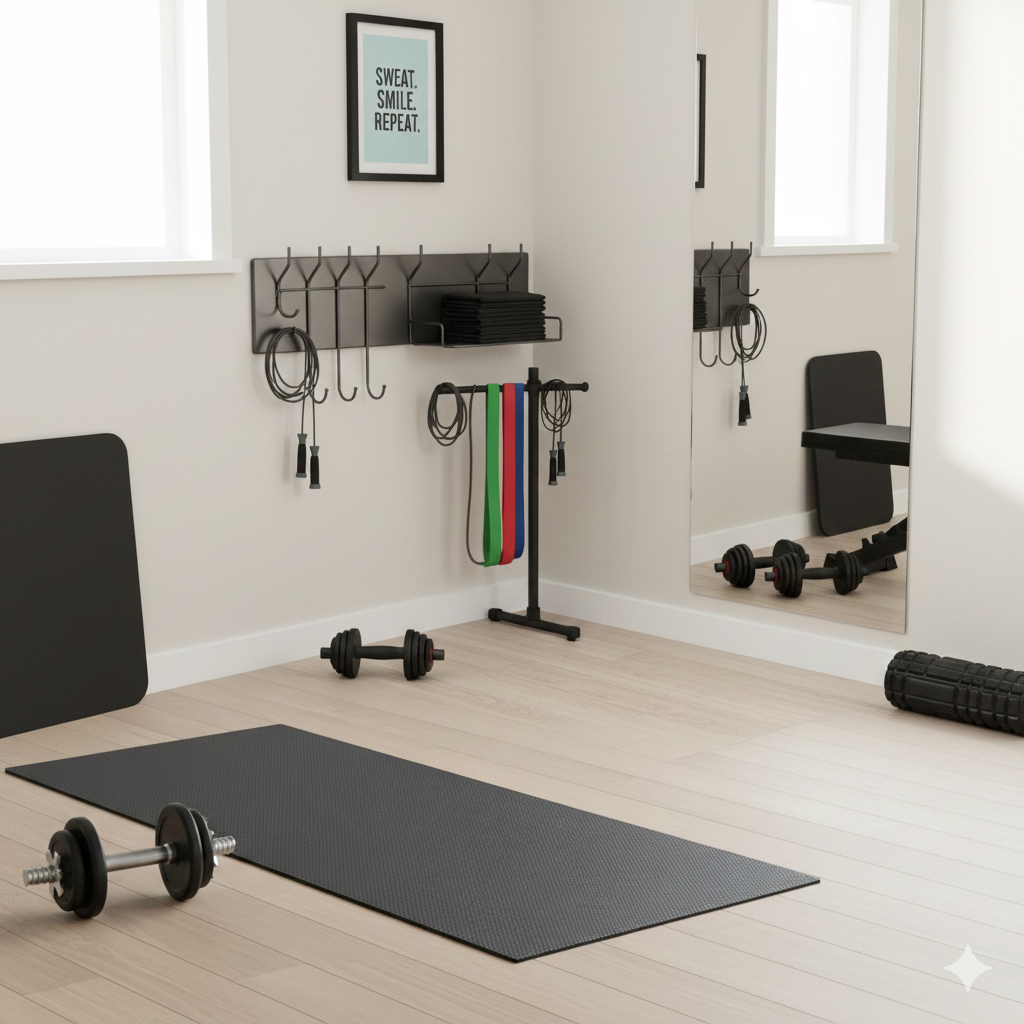 Step 3: Use Vertical Storage
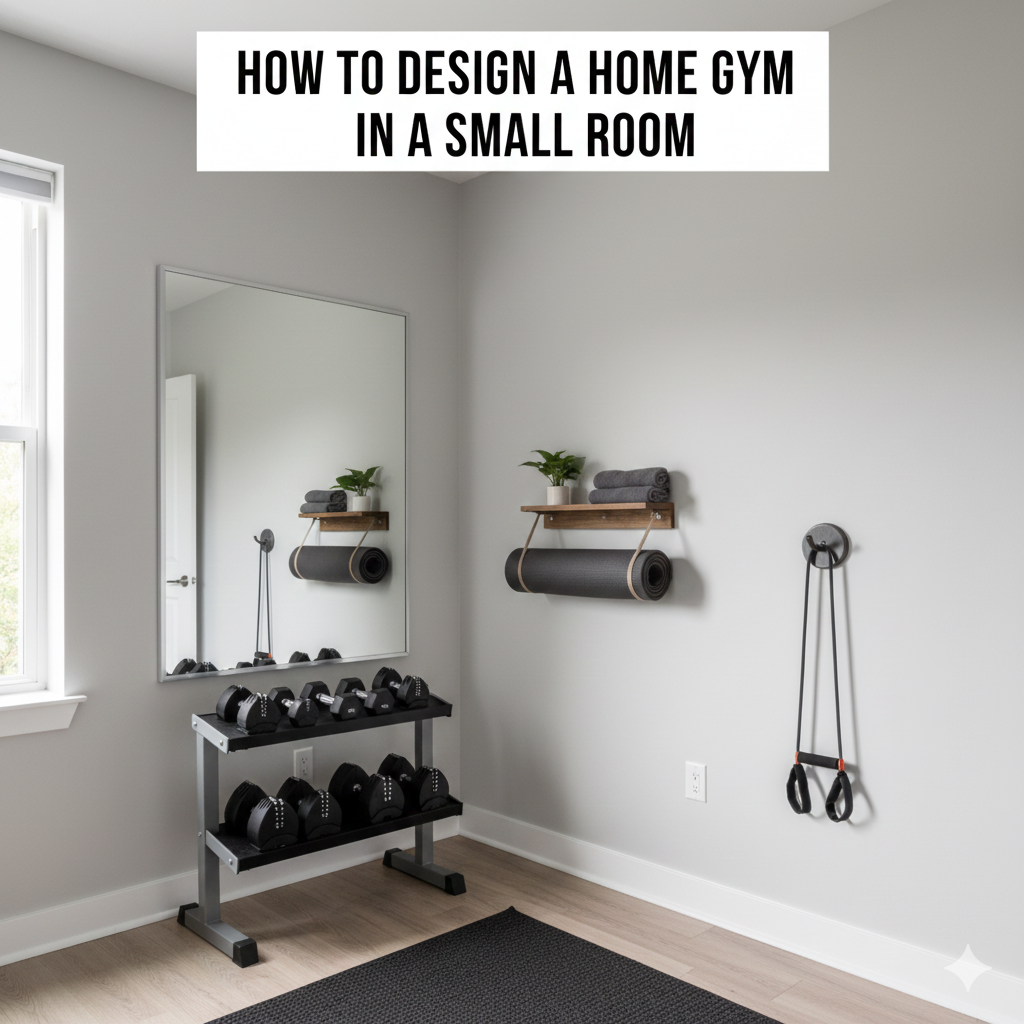
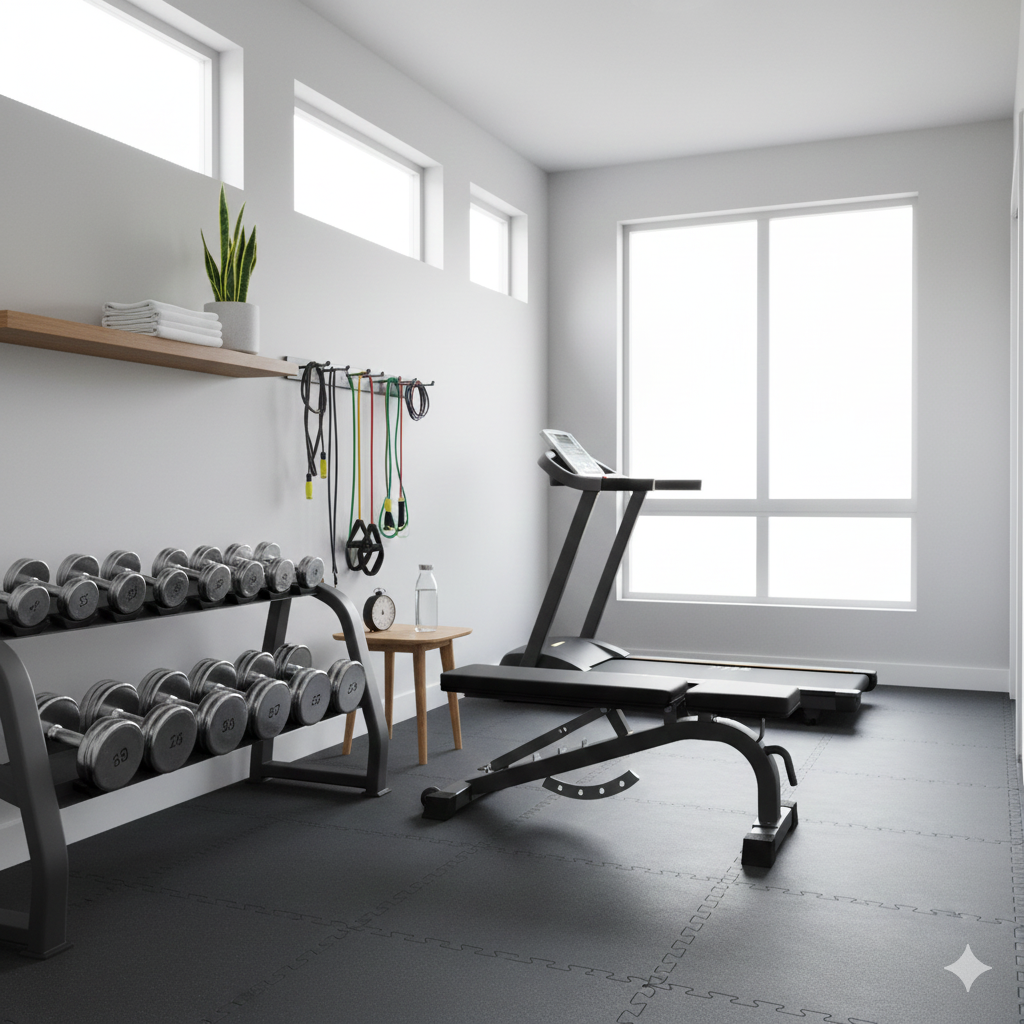
Walls are valuable real estate. Install hooks for resistance bands, racks for mats, or shelves for small gear. Vertical storage keeps the floor clear and the room organized.
For guidance, see Organizing Small Spaces Without Sacrificing Style.
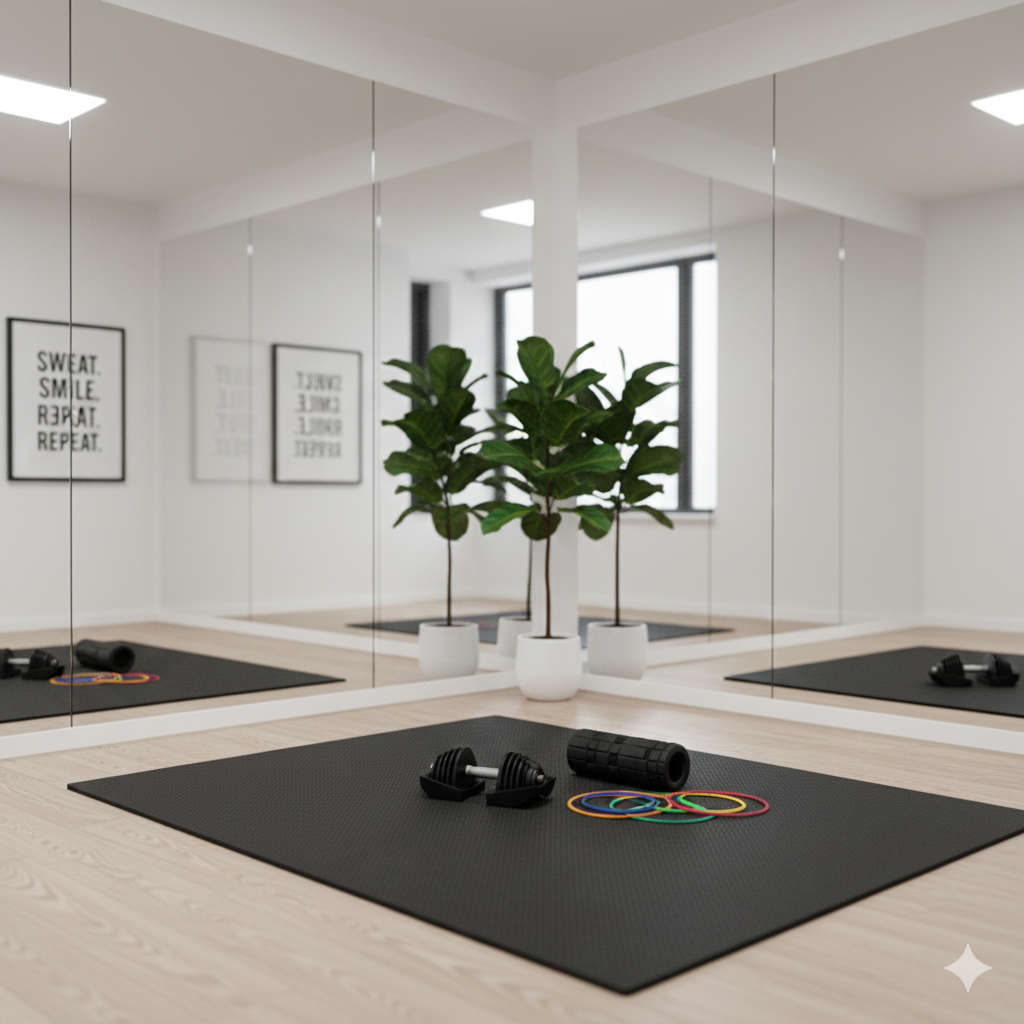
Step 4: Create a Motivating Atmosphere
A gym should energize you. Add mirrors to make the room feel bigger and help with form. Use bright lighting and motivational artwork. Even a small plant can add freshness.
For inspiration, check Decorating with Plants: Style + Air Quality.
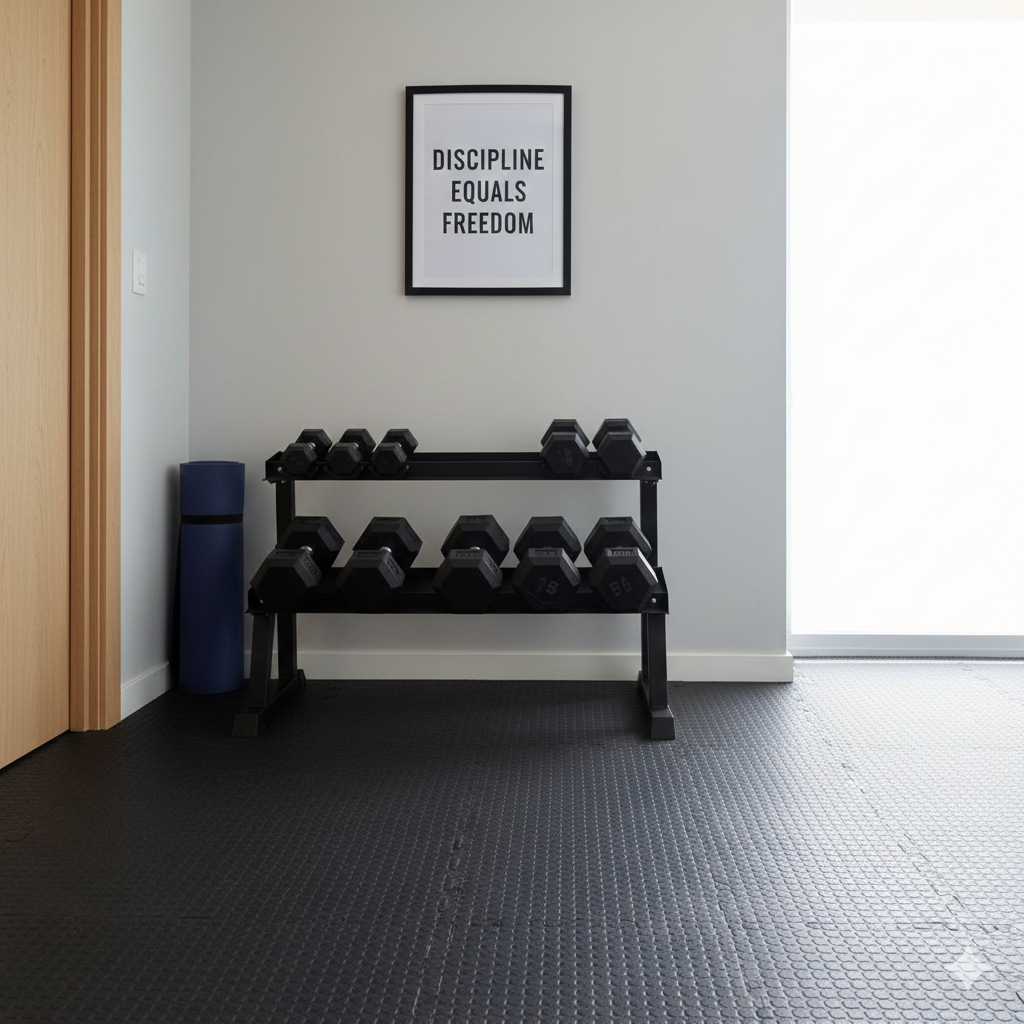
Step 5: Keep Flooring Practical
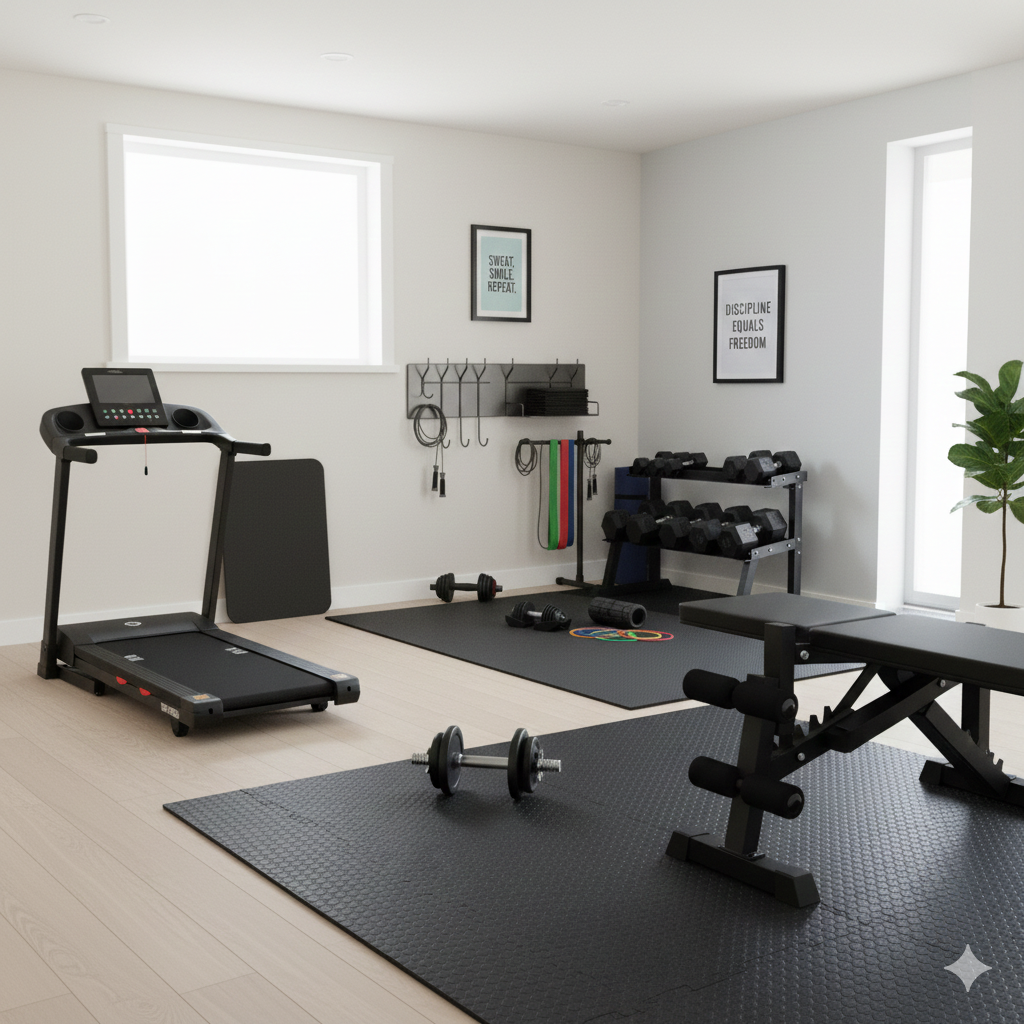
Flooring matters. Use rubber mats or foam tiles to protect floors and reduce noise. They also define the workout zone, making the space feel intentional.
Step 6: Zone the Space
Even in a small room, zoning helps. Create a corner for cardio, a wall for strength gear, and a mat area for stretching. Clear boundaries prevent clutter and make workouts smoother.
For guidance, see How to Zone Open-Plan Spaces Effectively.
Step 7: Add Smart Tech
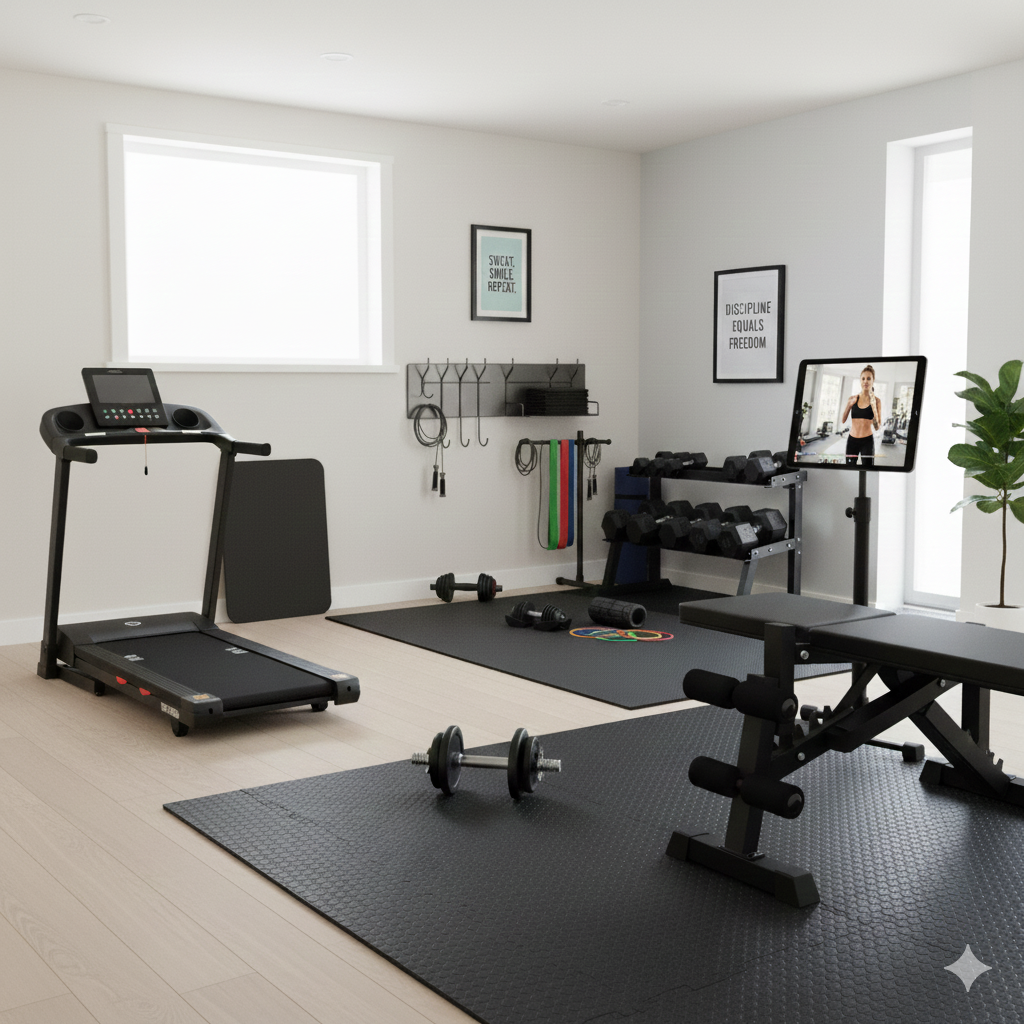
Compact gyms benefit from smart solutions. Wall‑mounted tablets or TVs can stream workouts. Bluetooth speakers keep energy high. Fitness apps guide routines without needing bulky equipment.
For inspiration, check out DIY Decor Projects That Make a Big Impact.
Step 8: Keep It Flexible
Your gym should adapt. Foldable equipment, movable mats, and modular storage let you switch between workout styles easily. Flexibility ensures the space works for you long‑term.
For guidance, see Smart Furniture Choices for Tiny Homes.
Step 9: Personalize with Decor
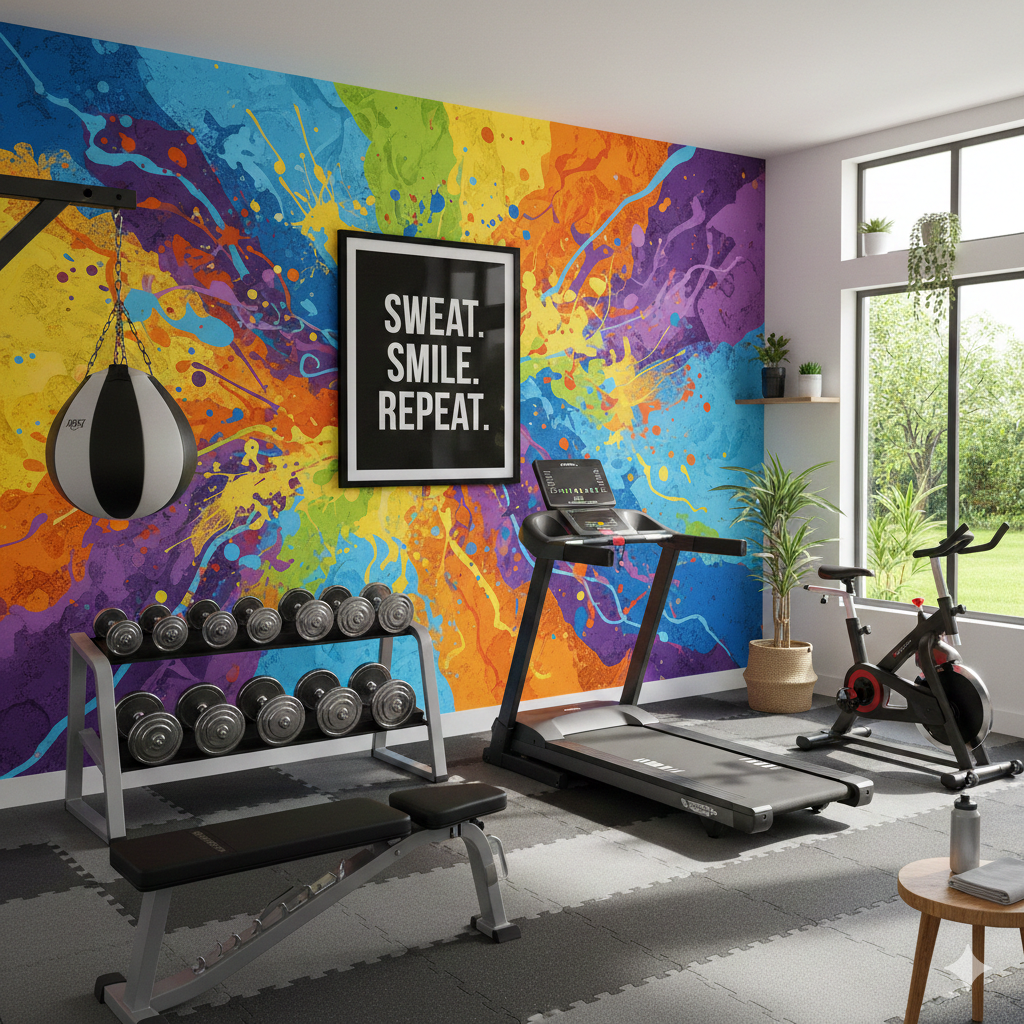
Don’t let your gym feel sterile. Add personal touches—framed photos, motivational quotes, or a color palette that energizes you. Style makes the space feel like yours, not just a workout corner.
For guidance, see Wall Art Placement Rules Designers Swear By.
Step 10: Keep It Tidy
Clutter kills motivation. Store gear after each workout, wipe down surfaces, and keep the room fresh. A tidy gym feels welcoming and makes you want to use it daily.
For guidance, see Organizing Small Spaces Without Sacrificing Style.
Final Thoughts
A small room can become a powerful fitness hub with smart design. Compact equipment, vertical storage, motivating decor, and flexible layouts make workouts practical and enjoyable. The best home gyms aren’t about size—they’re about intention. Done right, your small gym will feel like a personal sanctuary where health and style meet.
Compact living thrives on creativity, and a home gym is no exception. By blending practicality with personality, you create a space that not only supports your fitness goals but also reflects who you are.