How to Achieve Scandinavian Style at Home
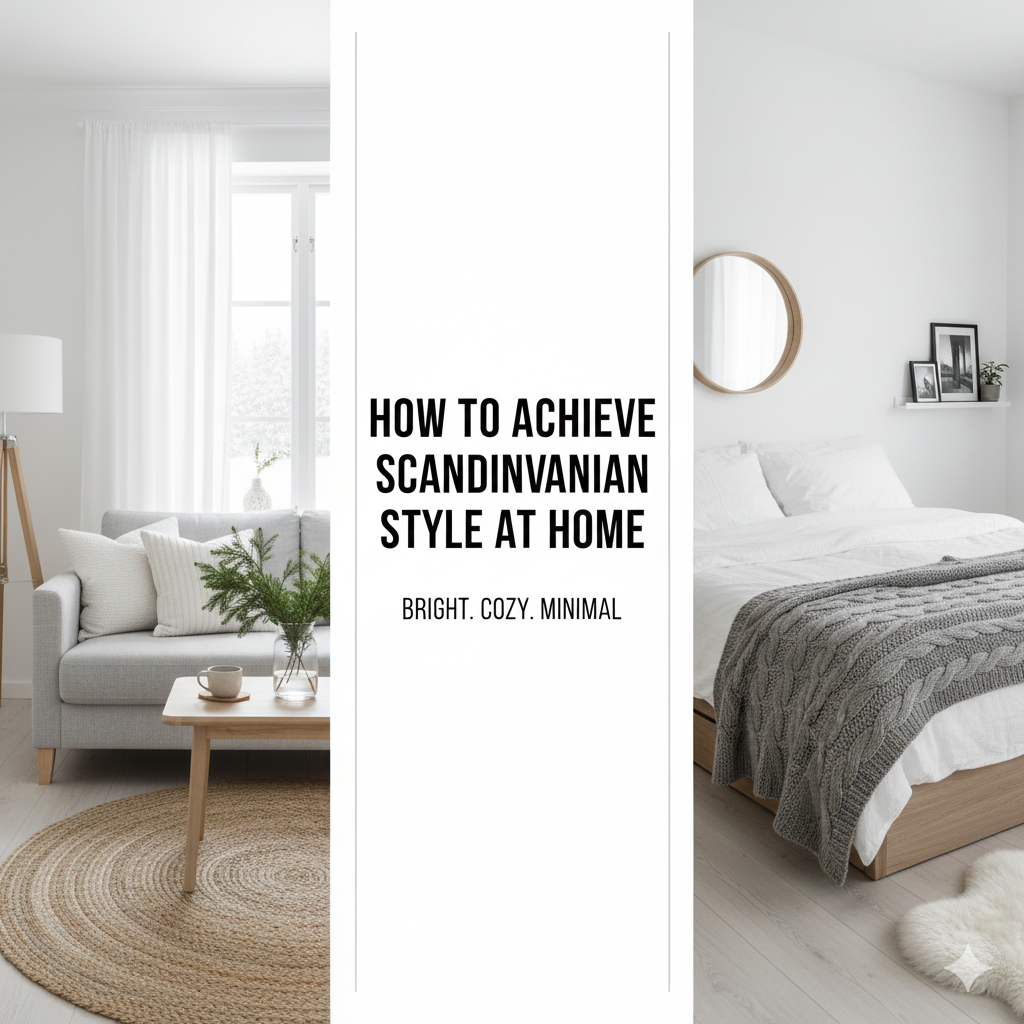 Scandinavian style is more than a design trend—it’s a lifestyle. Rooted in the Nordic philosophy of simplicity, functionality, and coziness, this style creates homes that feel bright, calm, and welcoming. It’s about clean lines, natural materials, and a neutral palette, but also about warmth and comfort. The secret is balance: minimalism without sterility, functionality without losing charm.
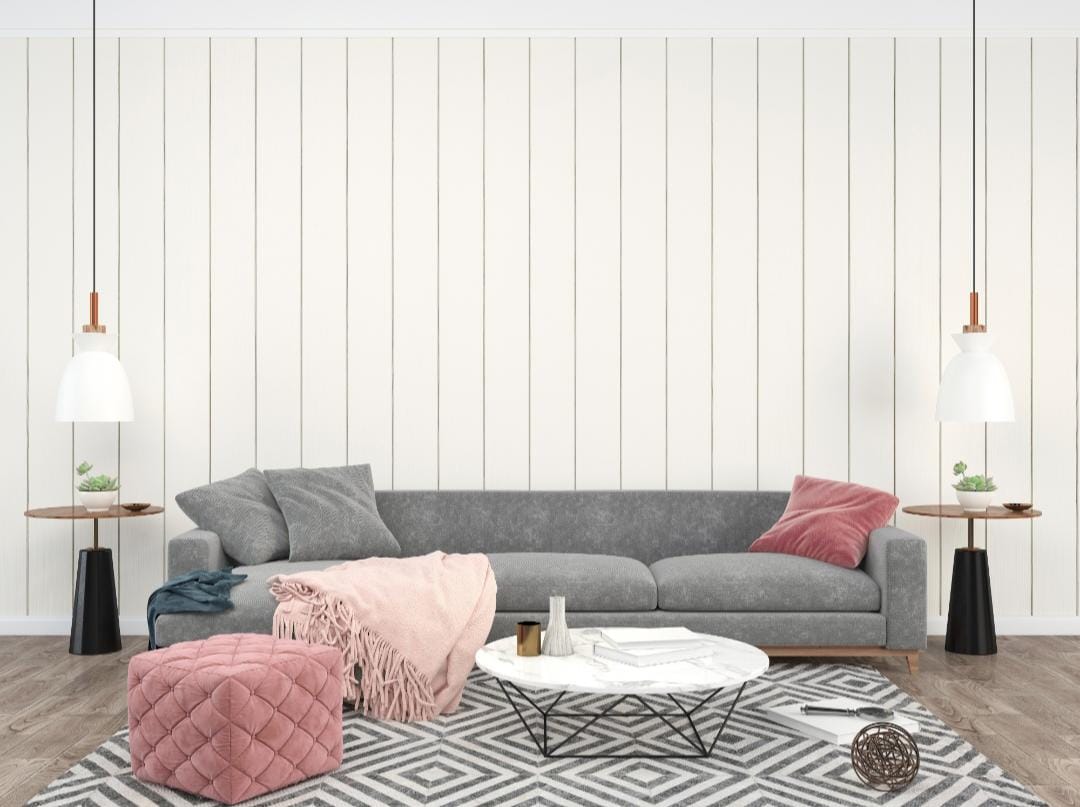
Step 1: Embrace Neutral Colors
Scandinavian interiors thrive on whites, grays, and soft beiges. These tones reflect light and make spaces feel airy. Add subtle accents—muted blues, greens, or blush—to keep the palette from feeling flat.
For guidance, see Choosing Color Palettes That Work.
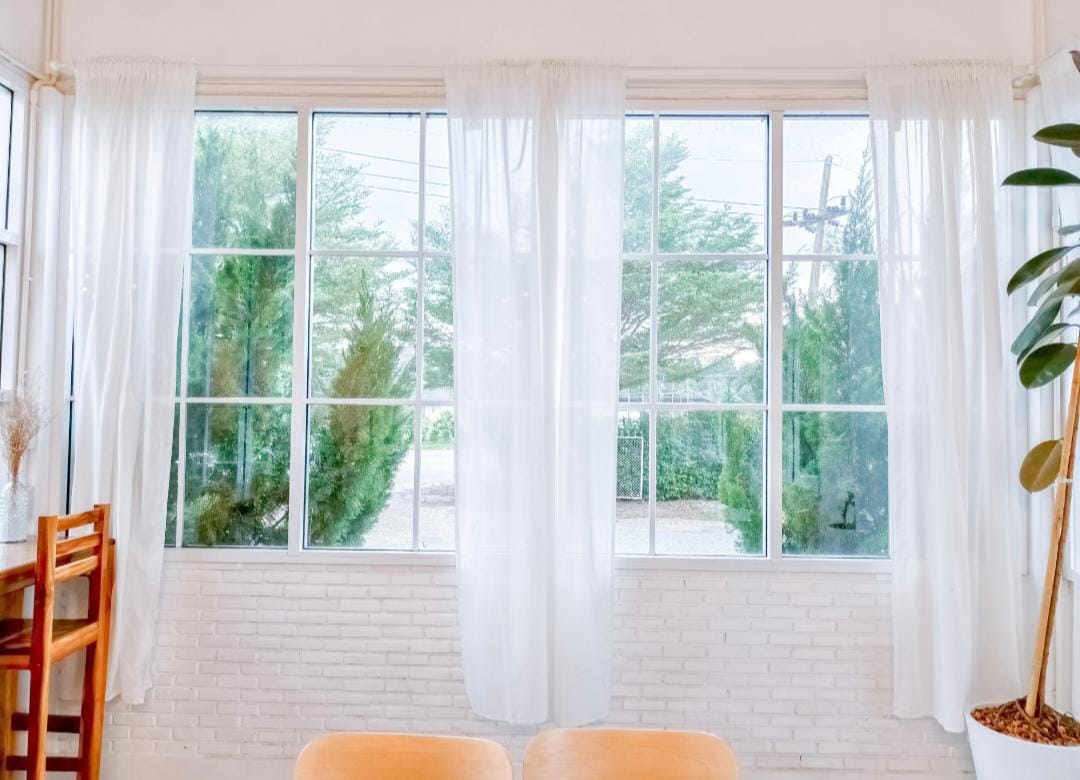 Step 2: Maximize Natural Light
Nordic countries have long winters, so natural light is precious. Keep windows uncluttered, use sheer curtains, and place mirrors strategically to bounce light around.
For inspiration, check out How to Use Mirrors to Expand Space and Light.
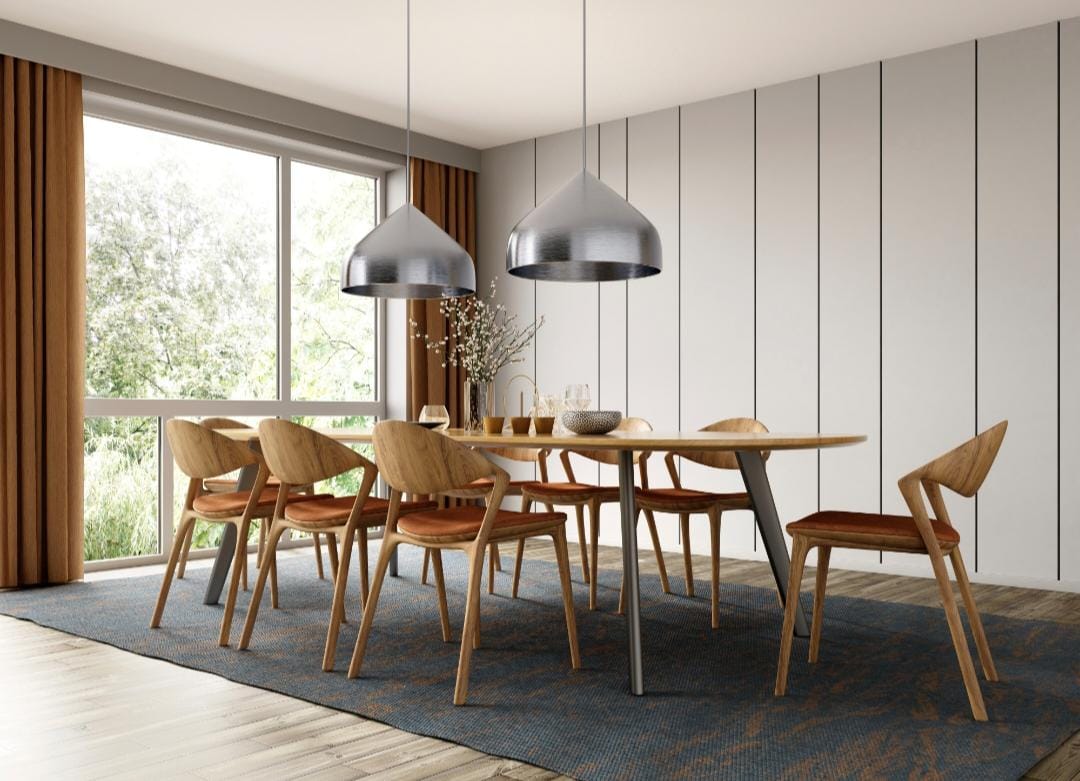 Step 3: Choose Functional Furniture
Scandinavian design values practicality. Furniture should be simple, functional, and comfortable. Think wooden dining tables, sleek chairs, and sofas with clean lines. Avoid heavy ornamentation.
For ideas, see Small Room Design Hacks That Actually Work.
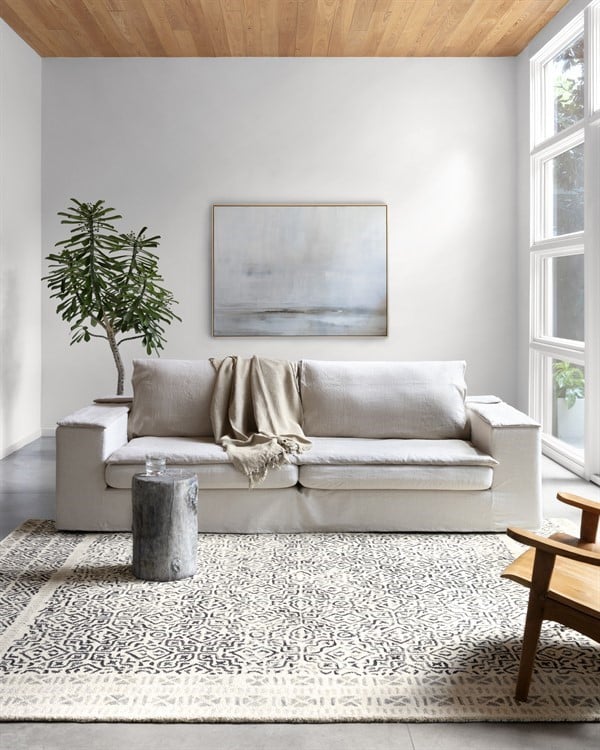 Step 4: Add Natural Materials
Wood, wool, linen, and leather are staples of Scandinavian interiors. They add warmth and texture to otherwise minimal spaces. A wooden floor or wool rug instantly makes a room feel cozy.
For guidance, see Mixing Textures and Patterns in Your Space.
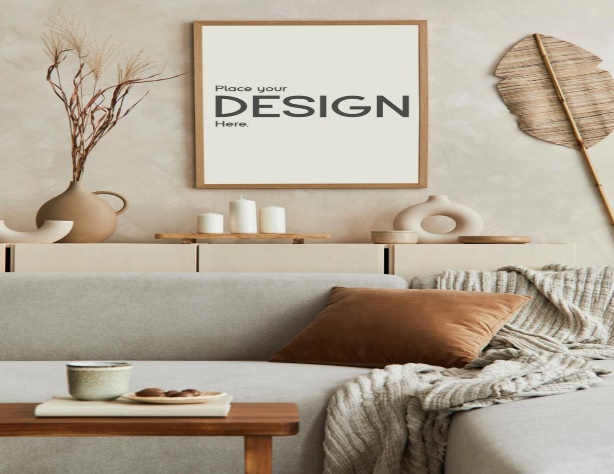 Step 5: Keep Decor Minimal but Meaningful
Scandinavian style avoids clutter. Decor should be minimal but personal. A framed print, a handmade vase, or a few books is enough. The goal is calm simplicity with touches of personality.
For inspiration, check Wall Art Placement Rules Designers Swear By.
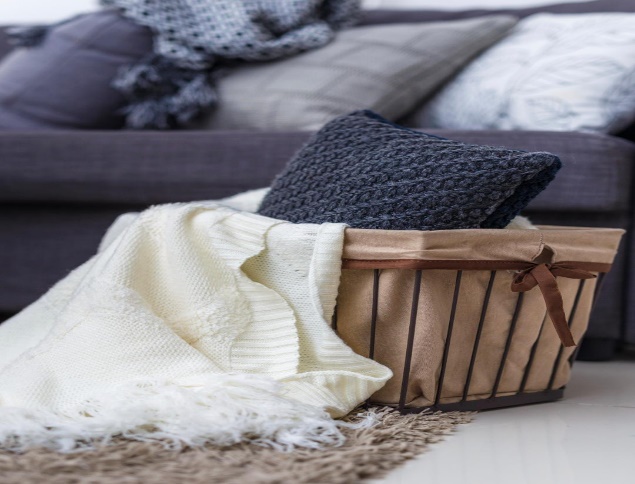 Step 6: Layer Textiles for Coziness
Scandinavian homes embrace “”hygge”—the feeling of coziness. Layer cushions, throws, and rugs in soft fabrics. Neutral tones keep it calm, while textures add depth.
For ideas, see Using Rugs to Define and Elevate Spaces.
Step 7: Incorporate Plants
Greenery adds life and freshness. Simple potted plants or hanging greenery soften minimal interiors and connect the home to nature.
For guidance, see Decorating with Plants: Style + Air Quality.
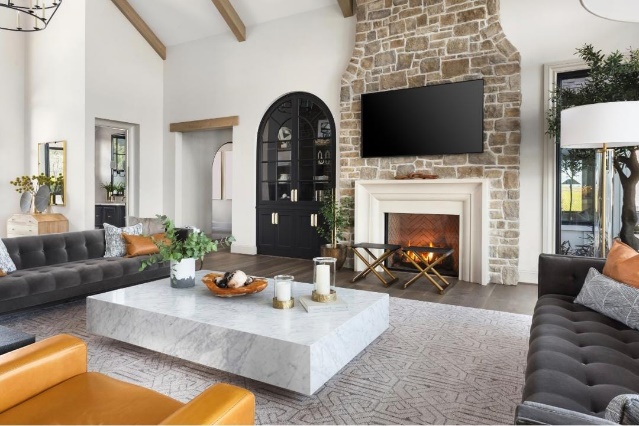
Step 8: Create a Focal Point
Even in minimalist spaces, a focal point adds interest. It could be a fireplace, a statement chair, or a bold piece of art. Keep it simple but intentional.
For inspiration, check How to Create a Focal Point in Any Room.
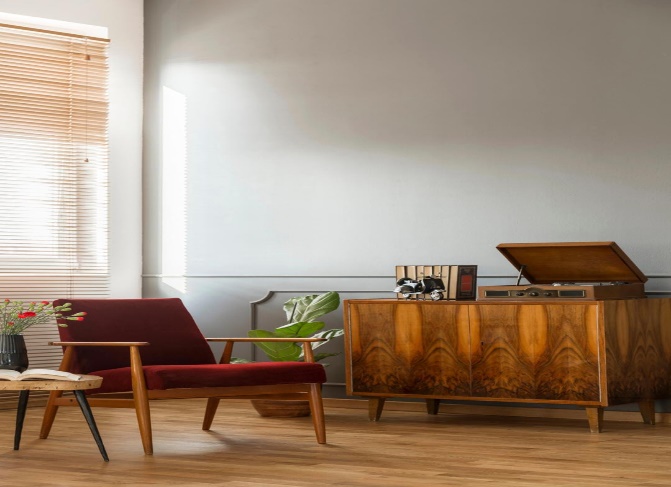
Step 9: Balance Modern and Vintage
Scandinavian style blends old and new. A vintage wooden cabinet beside a modern sofa adds character. Balance keeps the space timeless and personal.
For ideas, see Mixing Old and New: Vintage Meets Modern Decor.
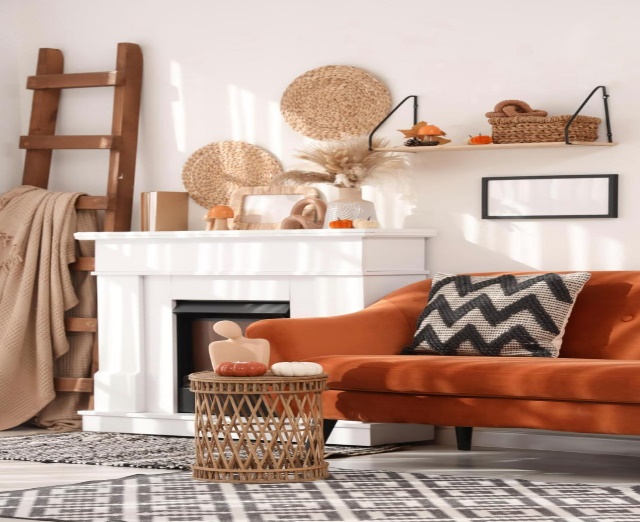
Step 10: Keep It Personal and Seasonal
Scandinavian homes evolve with the seasons. Light cotton in summer, wool throws in winter. Add personal touches — family photos, handmade crafts — to make the space feel truly yours.
For inspiration, check Seasonal Decorating Ideas for Every Room.
Final Thoughts
Scandinavian style is about simplicity, functionality, and warmth. Neutral colors, natural light, functional furniture, and cozy textiles create spaces that feel calm yet inviting. Plants, personal touches, and seasonal updates keep the look fresh and authentic.
The beauty of Scandinavian design is that it’s timeless and adaptable. It’s not about perfection—it’s about creating a home that feels bright, cozy, and personal. Done right, it’s a style that makes everyday living feel effortless and inspiring.