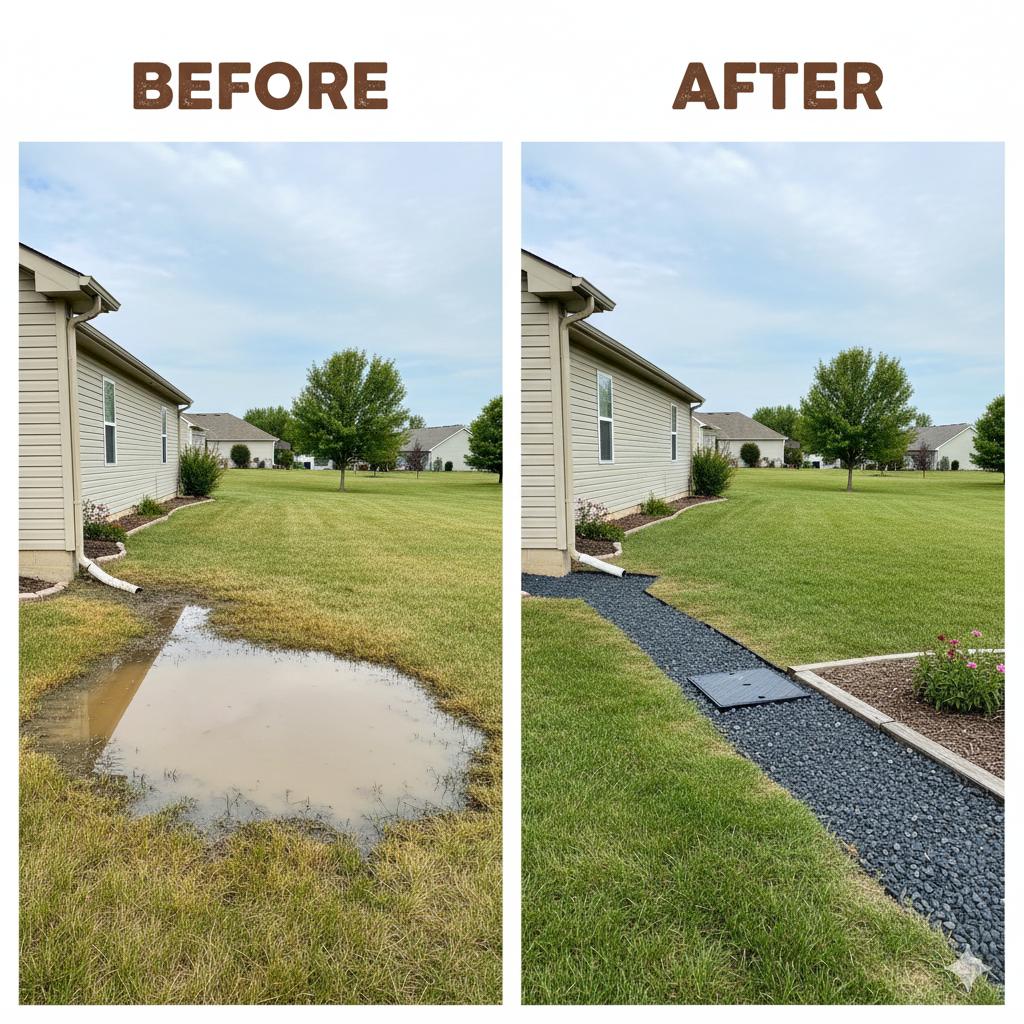
Tired of puddles and soggy spots? Learn how to fix backyard drainage issues yourself with practical, budget-friendly solutions that actually work.
How I Stopped My Yard from Turning into a Mud Pit
It started with one rainy weekend. By Sunday afternoon, my backyard wasn’t just wet—it was a mess. Water pooled near the fence, the garden bed was half underwater, and the grass felt like a sponge. I didn’t want to hire a landscaper or dig up the whole yard—so I started looking for DIY drainage fixes.
Turns out, you don’t need a crew or a big budget to fix backyard drainage. With a few tools and a bit of patience, you can redirect water, dry out soggy spots, and stop the flooding before it starts.
I tried different things—some worked right away, others took a bit of tweaking. Here’s what helped me, step by step.
Step 1: Identify Where the Water Collects
I didn’t start with digging or buying supplies—I started with a walk. After a heavy rain, I put on my boots and walked the yard slowly. I paid attention to where my feet sank, where puddles formed, and which areas stayed wet long after the sun came out. 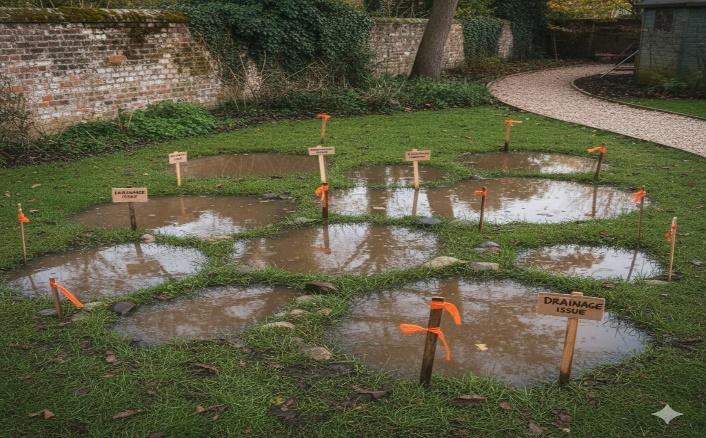
Some spots dried up within hours. Others stayed soggy for days. I marked the worst areas with garden stakes and snapped a few quick photos with my phone. That way, I could track progress after each fix and see what was actually working.
It also helped me understand the flow—not just where water settled, but how it moved through the yard. That part was key. DIY Backyard Makeover: From Lawn to Lounge
Step 2: Clear Gutters and Downspouts
I didn’t expect my gutters to be part of the problem—but they were. Every time it rained, water poured over the edges like a waterfall and settled right next to the house. No wonder the yard was always soaked. 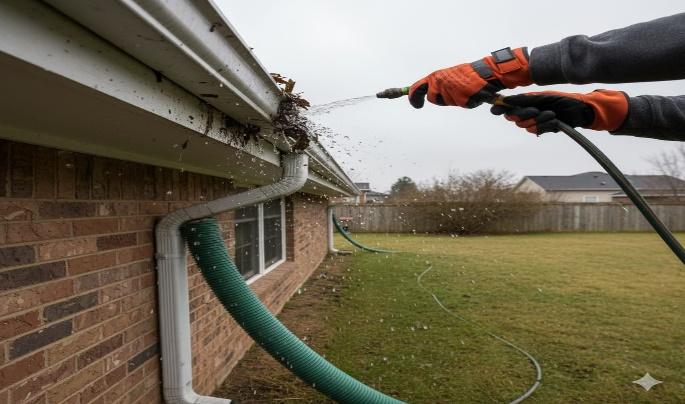
So I climbed up, scooped out the leaves and gunk, and flushed the downspouts with a hose. Then I added a couple of cheap extensions to push the water farther out—at least a meter and a half away from the foundation.
It wasn’t a big job. It took me less than an hour. But the impact? Immediate. No more overflow, no more puddles hugging the house.
Step 3: Create a Simple Swale 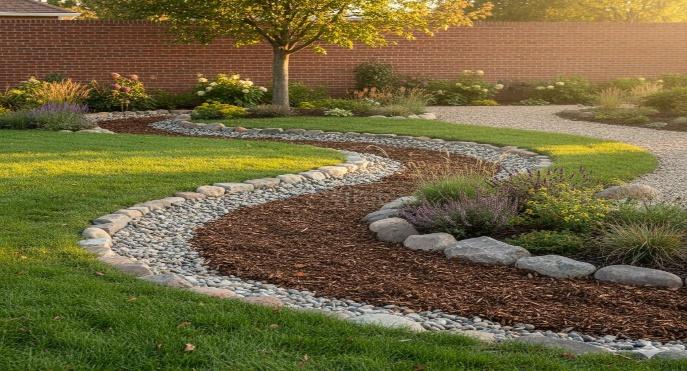
A swale is just a shallow trench that redirects water. I dug one along the edge of the yard, sloping gently away from the house and toward a lower area.
Lined it with gravel, then covered it with mulch and native plants. Now it looks like part of the landscape—and it quietly handles runoff every time it rains. How to Install Outdoor Lighting for Ambience
Step 4: Use a French Drain for Persistent Puddles 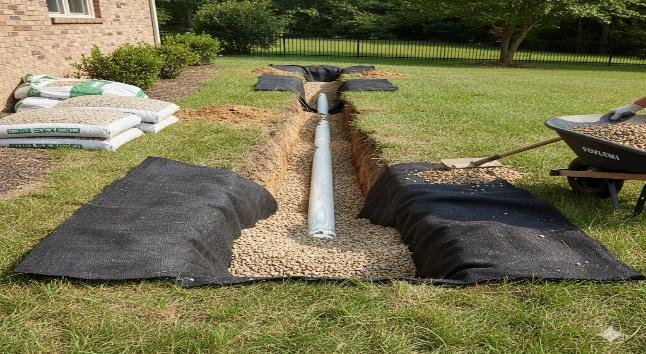
There was this one stubborn patch near the fence that just wouldn’t dry out. Even after days of sunshine, it stayed damp and muddy. I tried everything—added more soil, planted grass, threw down mulch—but nothing lasted.
Eventually, I realized surface fixes weren’t enough. That’s when I decided to go underground and install a French drain. Nothing worked.
Eventually, I gave in and built a French drain. I dug a narrow trench, lined it with landscape fabric, dropped in a perforated pipe, and filled the rest with gravel. It wasn’t fancy, and it didn’t take long—but it worked.
Now, instead of pooling on the surface, the water disappears underground. Quiet fix. Big impact…”
Step 5: Raise Low Areas with Soil and Compost
There were a few spots in my yard that always stayed wet—no matter how much sun they got. I realized they were just too low, so water naturally settled there. 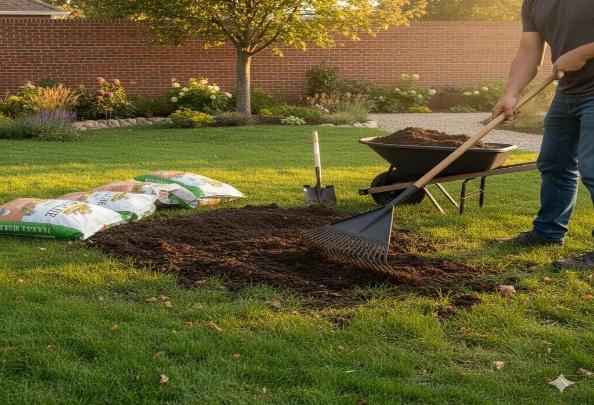
I grabbed a few bags of topsoil and mixed in compost to help with drainage and nutrients. Then I spread the mix across the low patches, raked it smooth, and gave it time.
It wasn’t an instant fix. But after a couple of weeks, the puddles stopped forming, and the grass started filling in stronger than before.
Step 6: Install a Rain Garden 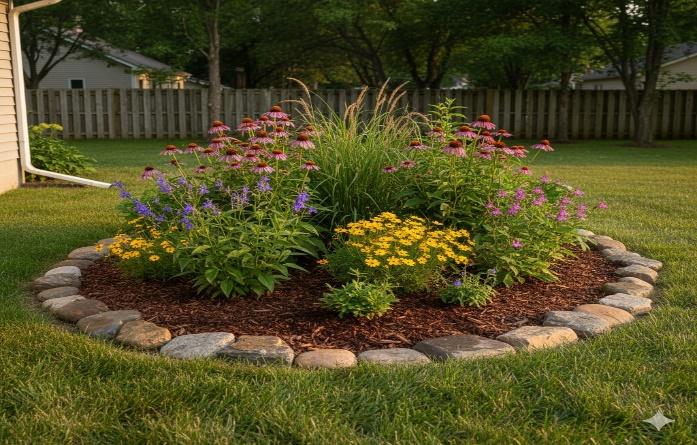
Instead of fighting the water, I decided to use it. I dug out a shallow basin in a low corner and planted water-loving plants like sedge, iris, and ferns.
Now, when it rains, the garden fills up—then slowly drains over a day or two. It’s beautiful and functional. Creating a Vertical Garden Wall
Step 7: Add Permeable Pavers or Gravel Paths
I used to have a solid concrete path running through the yard. It looked clean, but every time it rained, water rushed off it and straight into the garden bed—flooding everything. 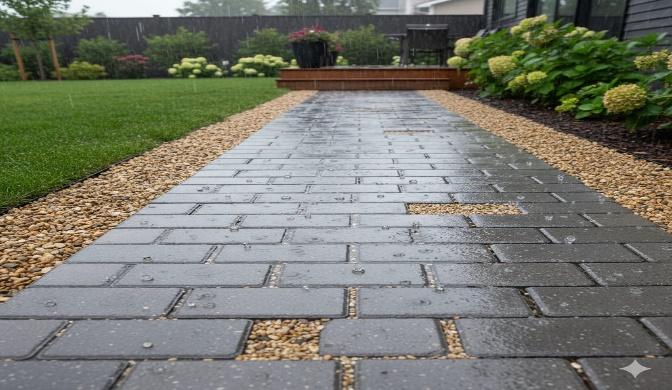
So I broke up part of it and swapped it for gravel and a few permeable pavers. They let water soak through instead of bouncing off, and the difference was immediate. No more runoff, no more mess. Plus, the yard felt softer and more natural—like it actually belonged in the space.
Step 8: Aerate the Lawn to Improve Absorption 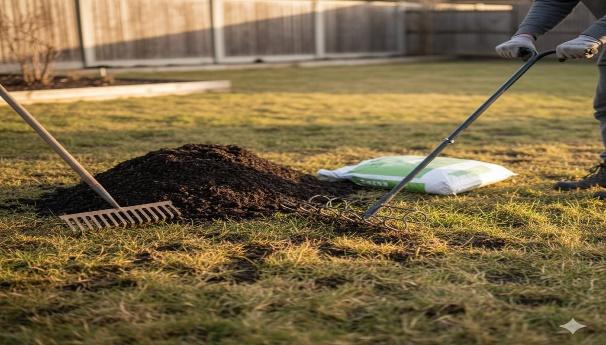
My lawn was compacted from years of foot traffic. I rented a manual aerator and punched holes across the soggy areas.
It helped the soil breathe and absorb water better. I followed up with compost and grass seed—and within weeks, the lawn looked healthier.
Step 9: Redirect Water with Simple Berms
One of the easiest fixes I tried was shaping the land itself. I grabbed a shovel and built small berms—just gentle mounds of soil—to guide water away from the garden bed. 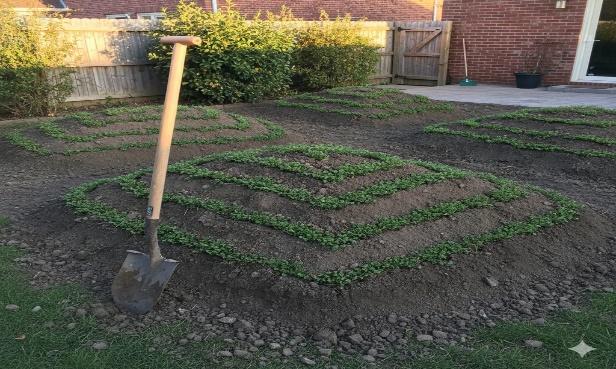
They didn’t need to be high or dramatic. Even a slight slope was enough to shift the flow in a better direction. Once I packed the soil down, I planted some low ground cover to hold everything in place and keep it looking natural.
Simple, quick, and surprisingly effective. I shaped them with a shovel, packed them down, and planted ground cover to hold everything in place.
Step 10: What I’d Do Differently Next Time
I’d start with a sketch. Mapping out the yard and marking slopes, puddles, and water sources would’ve saved me time. 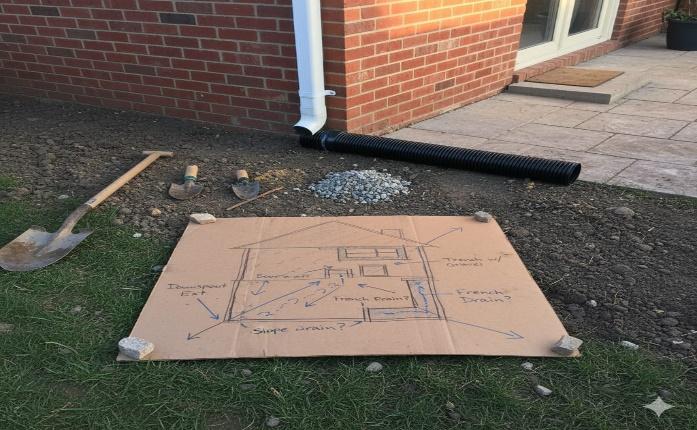
I’d also test soil drainage before planting—some areas drained fast, others stayed wet for days.
And I’d install downspout extensions earlier. They were cheap, easy, and solved more problems than I expected. Small Bathroom Storage Hacks
Final Thoughts
Fixing backyard drainage doesn’t have to mean hiring a crew or tearing up your lawn. With a shovel, some gravel, and a bit of planning, you can redirect water, dry out soggy spots, and protect your space from long-term damage.
I didn’t solve everything in one weekend. But each fix made the yard more usable, more comfortable, and less stressful after every rain.
If your backyard turns into a puddle zone, don’t wait. Start small, stay consistent, and let the water work for you—not against you.