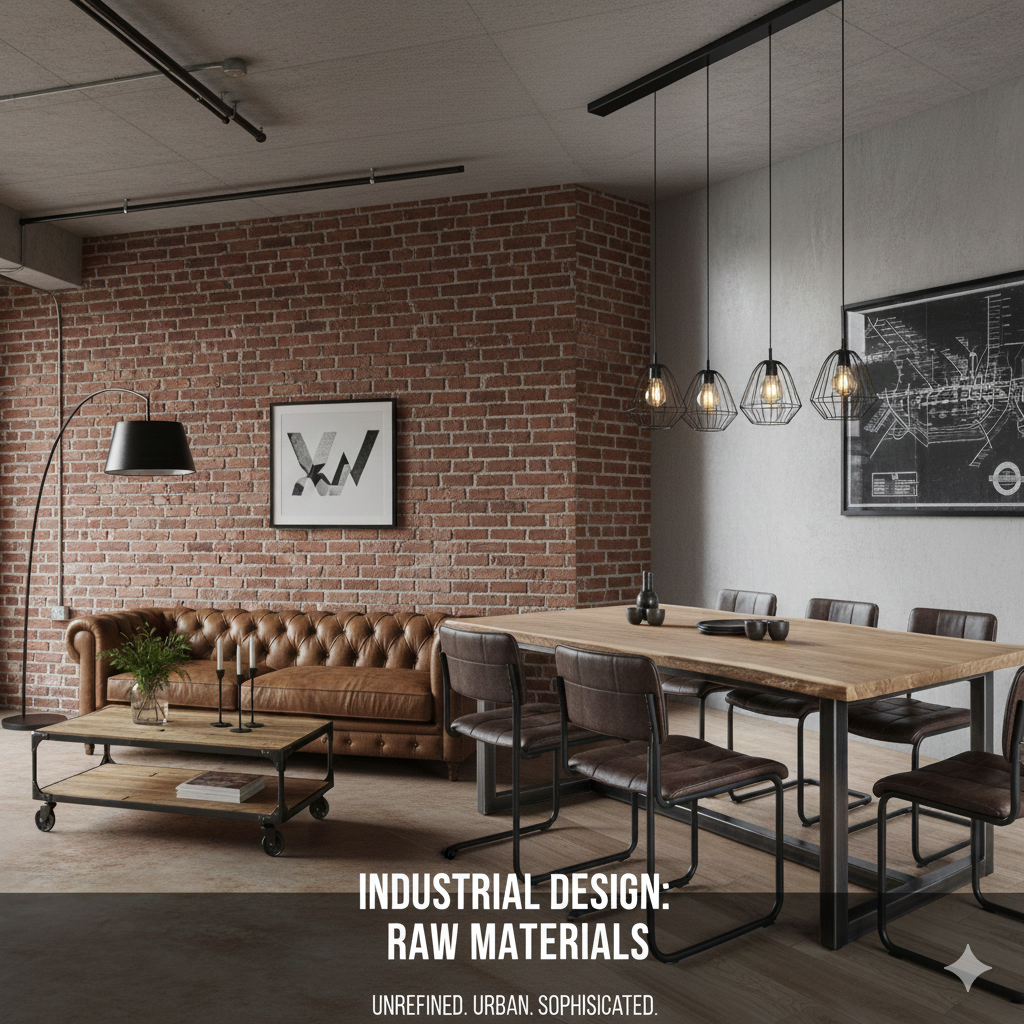
 Industrial design is all about celebrating raw materials — exposed brick, steel beams, concrete floors — and turning them into something elegant. Born from converted warehouses and lofts, this style embraces honesty in materials while layering comfort and sophistication. The magic lies in balance: keeping the rugged character of industrial spaces while softening them with thoughtful furniture, lighting, and decor.
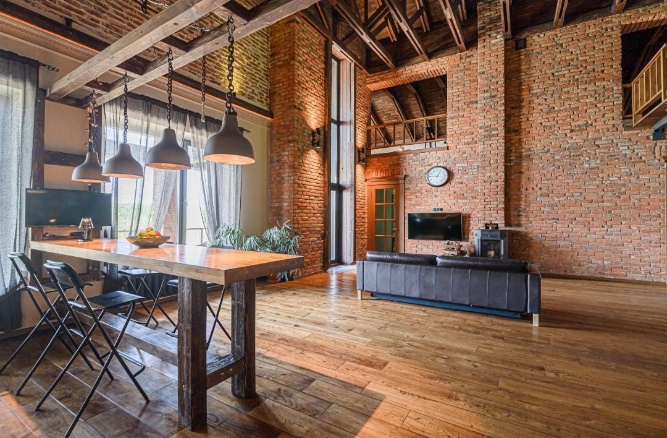 Step 1: Expose the Structure
Industrial design thrives on honesty. Exposed brick walls, visible pipes, and steel beams aren’t flaws — they’re features. Instead of hiding them, highlight them as part of the aesthetic.
For guidance, see Room Design Mistakes to Avoid in Every Home.
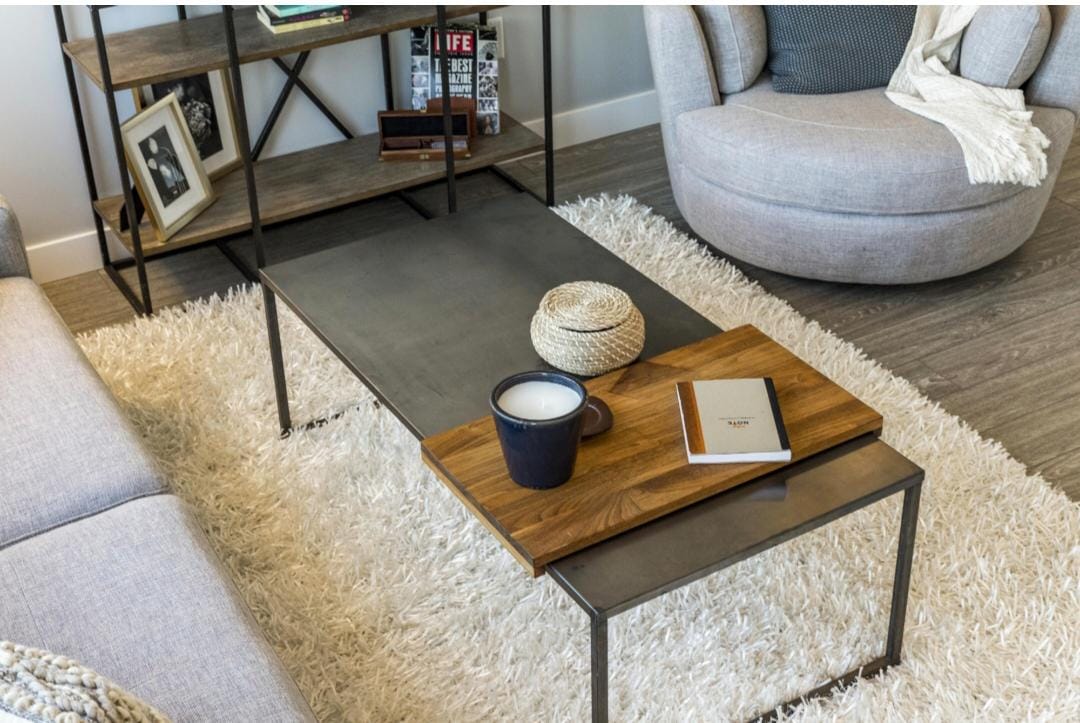 Step 2: Use Raw Materials as Decor
Concrete floors, reclaimed wood tables, and metal shelving define industrial style. These materials add texture and authenticity. Pair them with softer elements to avoid a cold atmosphere.
For inspiration, check Mixing Textures and Patterns in Your Space.
.
Step 3: Keep the Color Palette Neutral
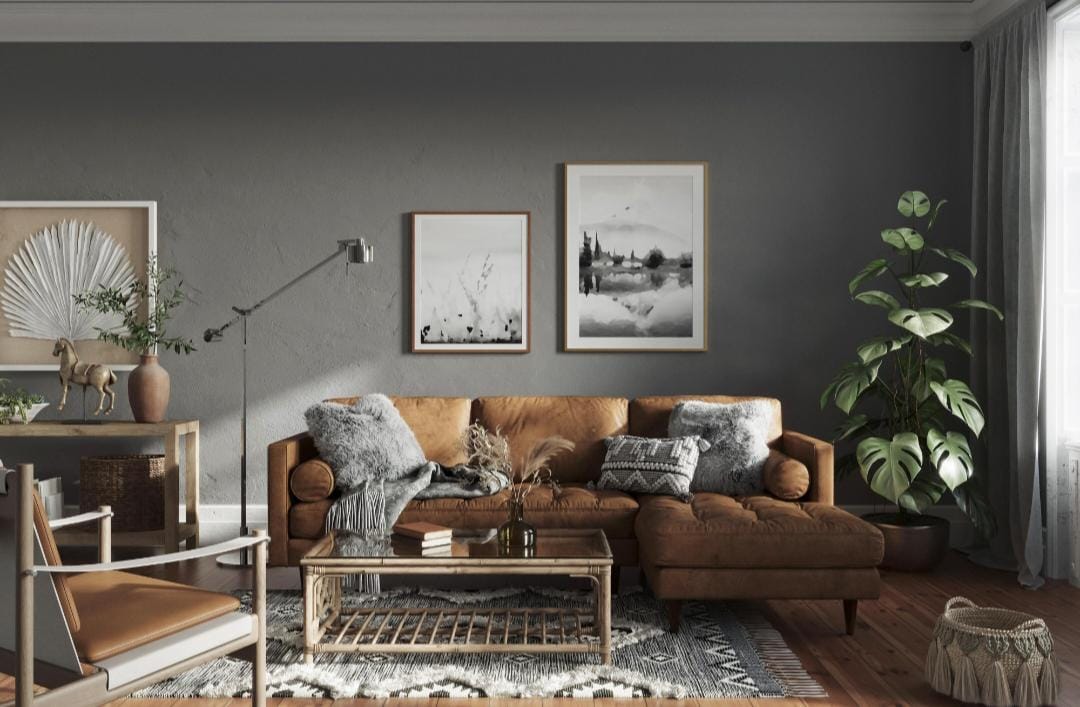 Industrial interiors often use grays, blacks, browns, and whites. These tones highlight raw materials and create a cohesive look. Add warmth with wood or pops of muted color.
For ideas, see Choosing Color Palettes That Work.
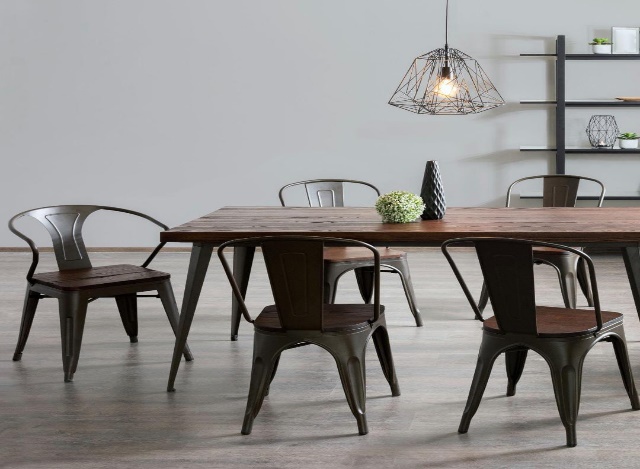
Step 4: Choose Functional Furniture
Furniture in industrial spaces should be practical and sturdy. Think leather sofas, metal stools, and wooden dining tables. Avoid overly ornate pieces — simplicity is key.
For guidance, see Small Room Design Hacks That Actually Work.
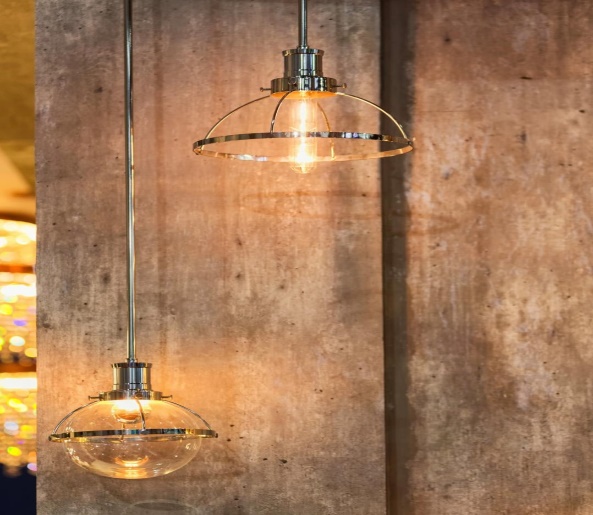
Step 5: Add Statement Lighting
Lighting is crucial in industrial design. Oversized pendants, exposed bulbs, and metal fixtures add drama and highlight raw materials. Use lighting to soften the ruggedness and create atmosphere.
For inspiration, check DIY Accent Lighting Ideas.
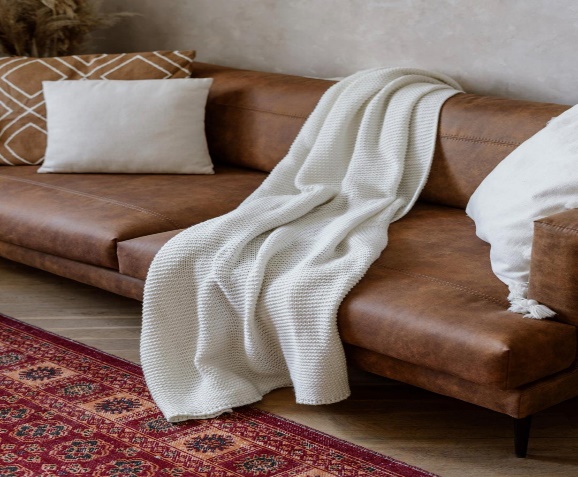 Step 6: Balance with Soft Textiles
To prevent industrial spaces from feeling too harsh, layer textiles. Rugs, cushions, and throws in natural fabrics add warmth and comfort.
For ideas, see Using Rugs to Define and Elevate Spaces.
Step 7: Incorporate Plants
Greenery softens industrial interiors. Plants add color, life, and contrast to raw materials. A tall plant beside a concrete wall or small succulents on a metal shelf m
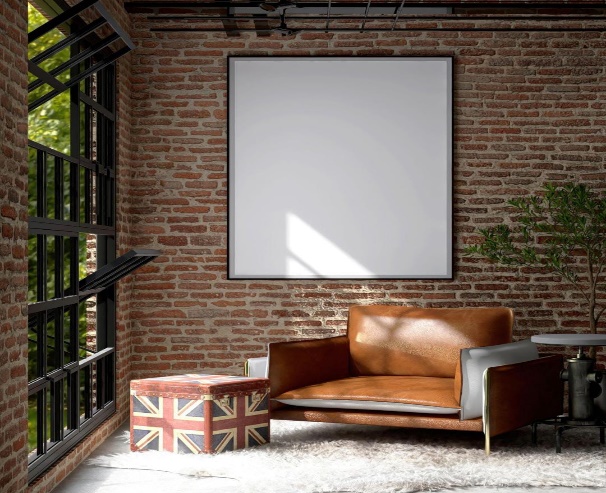
ake the space feel more inviting.
For guidance, see Decorating with Plants: Style + Air Quality.
Step 8: Create Focal Points
Industrial spaces benefit from bold focal points — a large piece of art, a statement rug, or a dramatic light fixture. These elements anchor the design and prevent the room from feeling unfinished.
For inspiration, check How to Create a Focal Point in Any Room.
Step 9: Blend Vintage and Modern
Industrial design often mixes vintage pieces with modern accents. A reclaimed wood table with sleek contemporary chairs, or a vintage lamp beside a modern sofa, creates balance and personality.
For guidance, see Mixing Old and New: Vintage Meets Modern Decor.
 Step 10: Personalize with DIY Decor
Industrial spaces shine with handmade or repurposed decor. DIY shelving, repurposed crates, or custom art pieces add authenticity and make the space feel uniquely yours.
For inspiration, check DIY Decor Projects That Make a Big Impact.
Final Thoughts
Industrial design celebrates raw materials while elevating them with elegance. Exposed structures, concrete, steel, and wood create authenticity, while lighting, textiles, plants, and personal touches add warmth. The beauty of industrial style is its honesty—it doesn’t hide imperfections but embraces them as character.
Done right, industrial interiors feel both rugged and refined, practical yet stylish. They tell a story of transformation: turning raw spaces into homes full of personality, comfort, and timeless appeal.