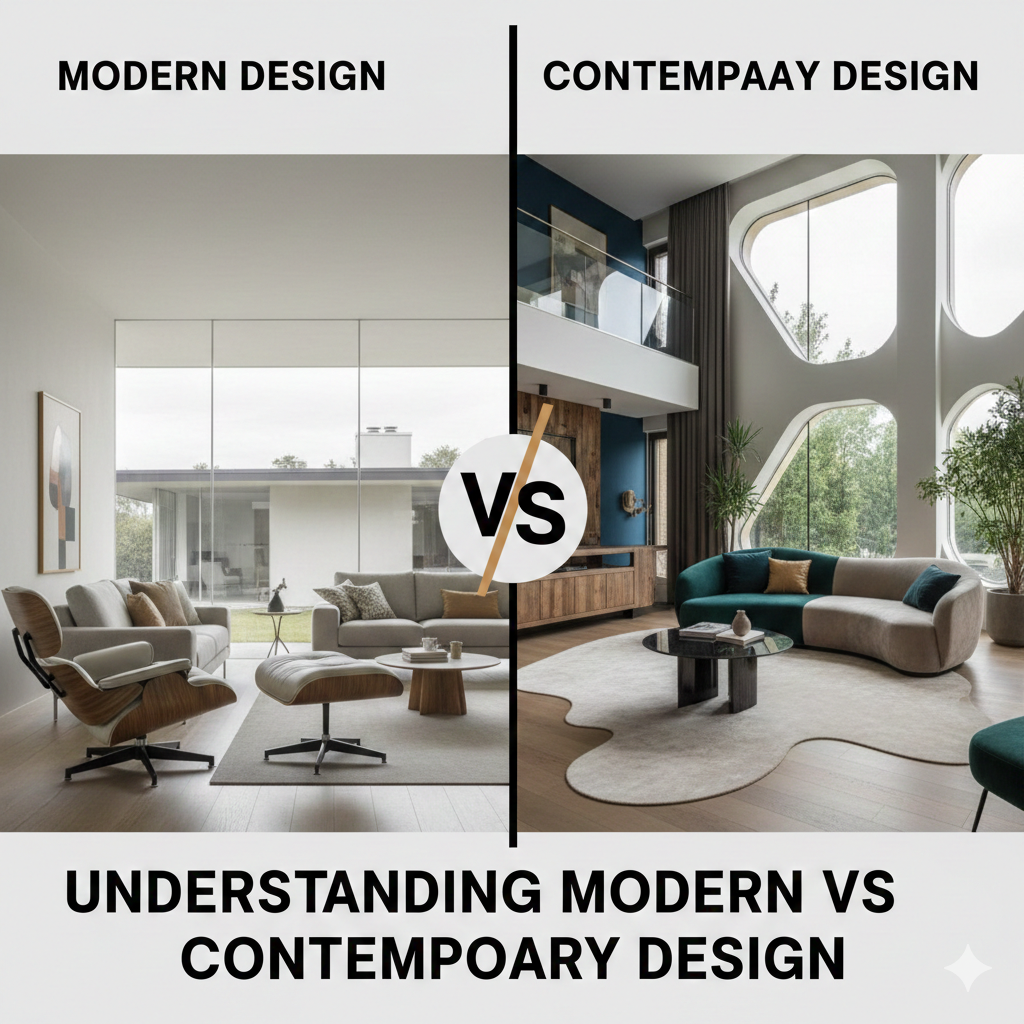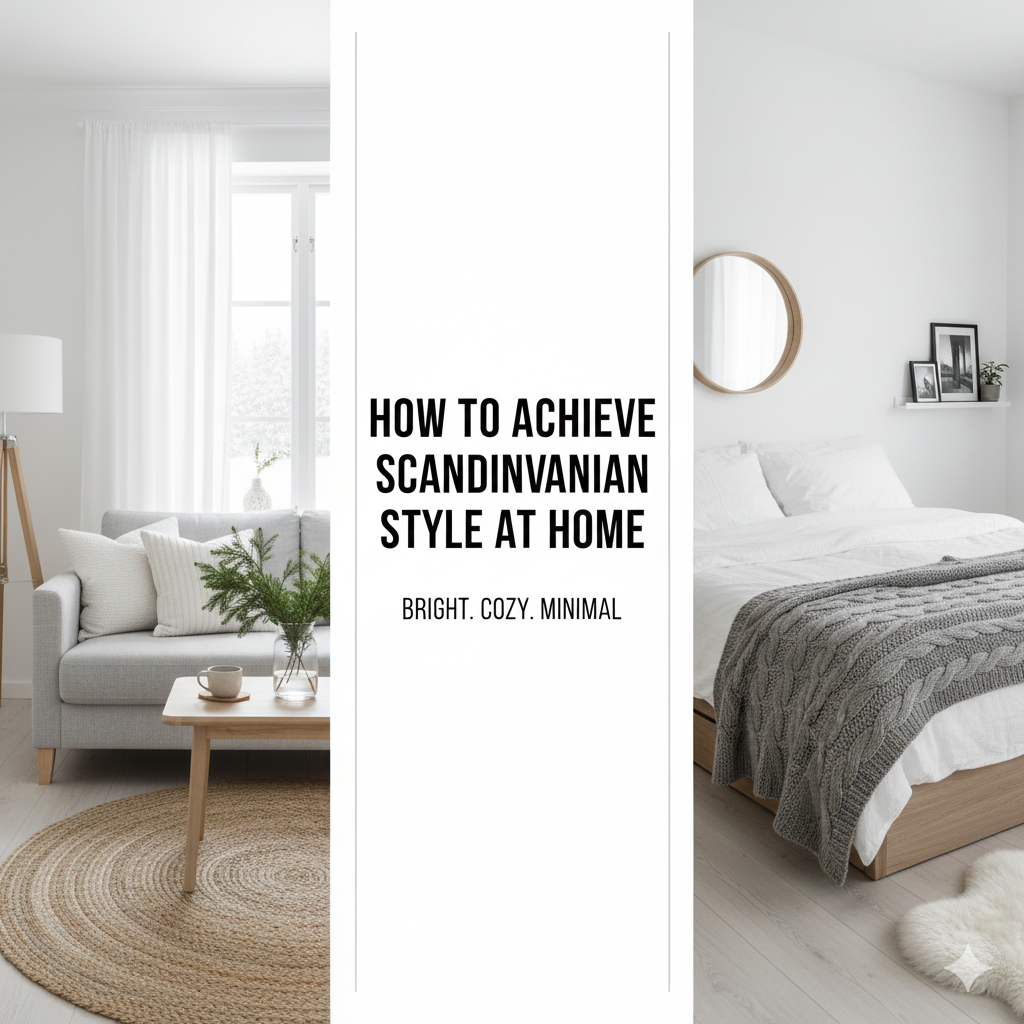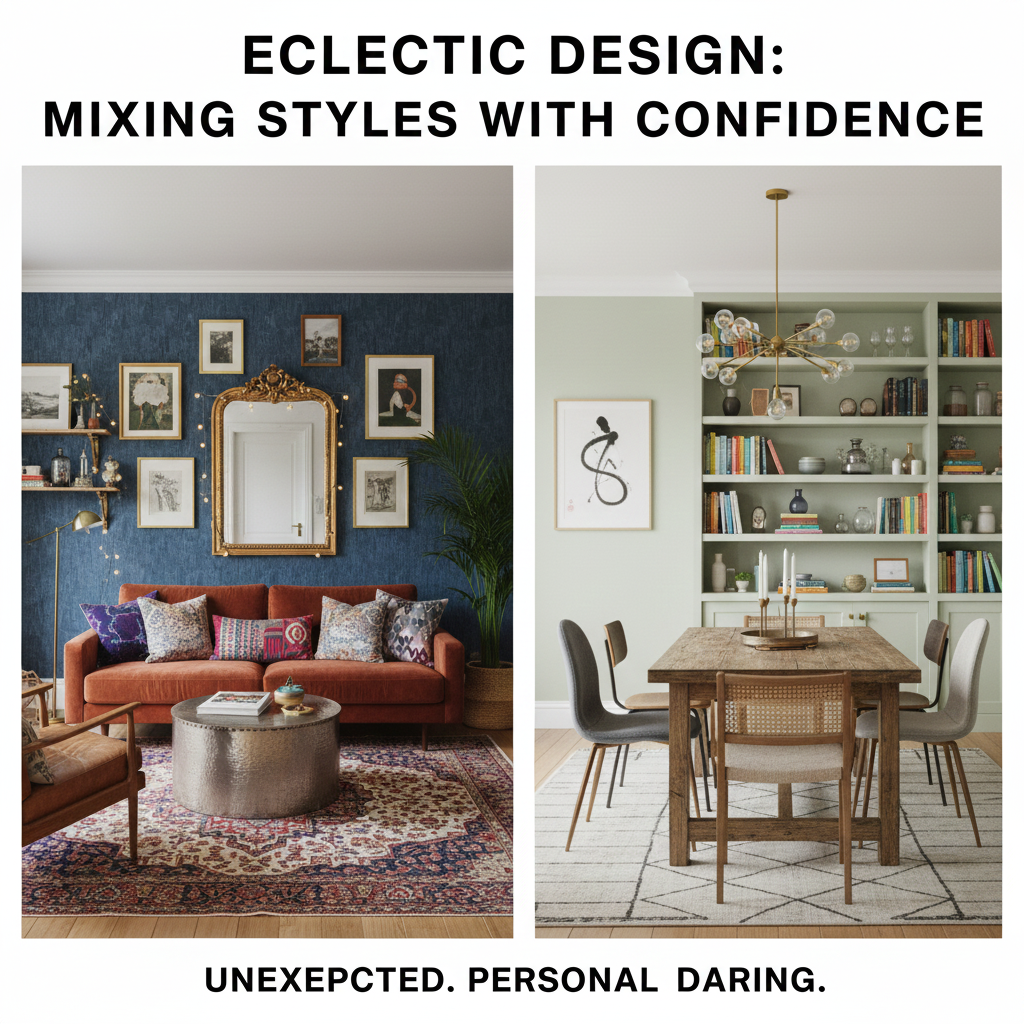
Eclectic design is the art of mixing styles, eras, and influences with confidence. It’s not about chaos—it’s about creating harmony from diversity. An eclectic home feels layered, personal, and full of character. The beauty of this style is that it allows freedom: you can combine vintage with modern, bold colors with neutrals, and global accents with minimal furniture. Done right, eclectic interiors feel curated, not cluttered.
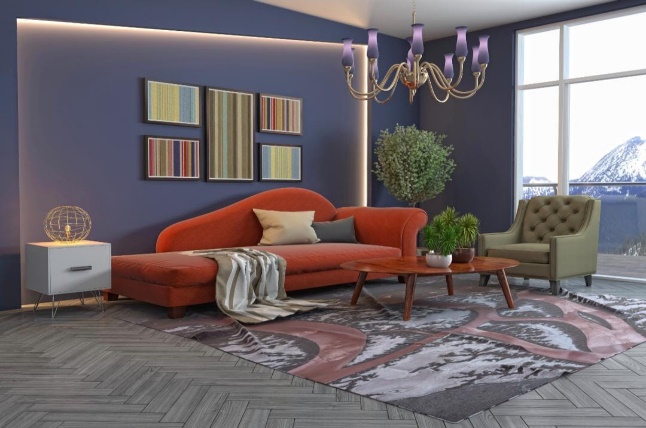
Step 1: Start with a Neutral Base
A calm foundation helps eclectic elements shine. Neutral walls and floors allow bold furniture, art, and accessories to coexist without overwhelming the space.
For guidance, see Choosing Color Palettes That Work.
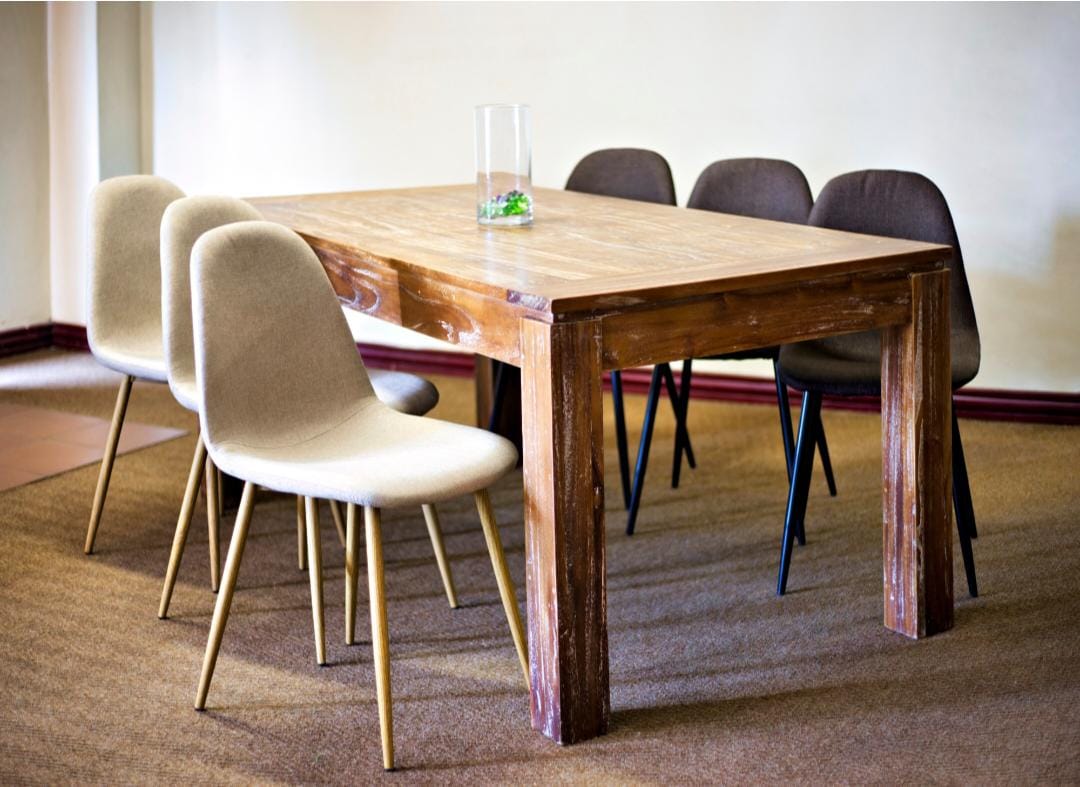
Step 2: Mix Old and New
Eclectic design thrives on contrast. Pair a vintage cabinet with a sleek modern sofa or a rustic table with contemporary chairs. This mix creates depth and personality.
For inspiration, check Mixing Old and New: Vintage Meets Modern Decor.
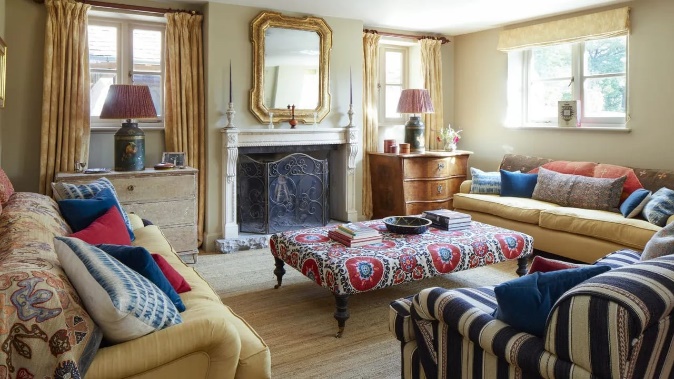 Step 3: Play with Color and Pattern
Bold colors and patterns are welcome in eclectic spaces. Stripes, florals, and geometrics—they can all coexist if the palette is consistent. Use cushions, rugs, and art to introduce variety.
For guidance, see Mixing Textures and Patterns in Your Space.
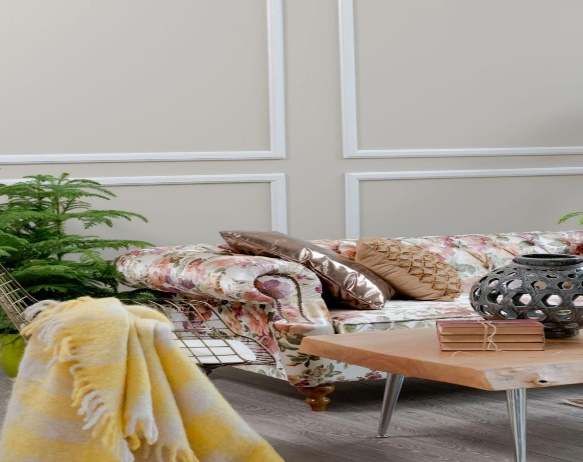 Step 4: Layer Textures for Depth
Texture adds richness. Combine velvet cushions with linen throws, or a shaggy rug with a leather chair. Layering makes eclectic interiors feel cozy and intentional.
For inspiration, check Using Rugs to Define and Elevate Spaces.
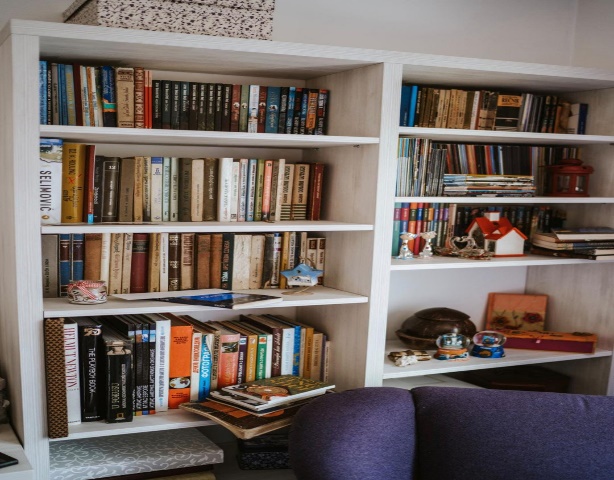
Step 5: Curate Accessories Thoughtfully
Eclectic doesn’t mean clutter. Accessories should be curated—books, art, souvenirs, and handmade crafts that tell your story. Display them in a way that feels intentional.
For ideas, see DIY Decor Projects That Make a Big Impact.
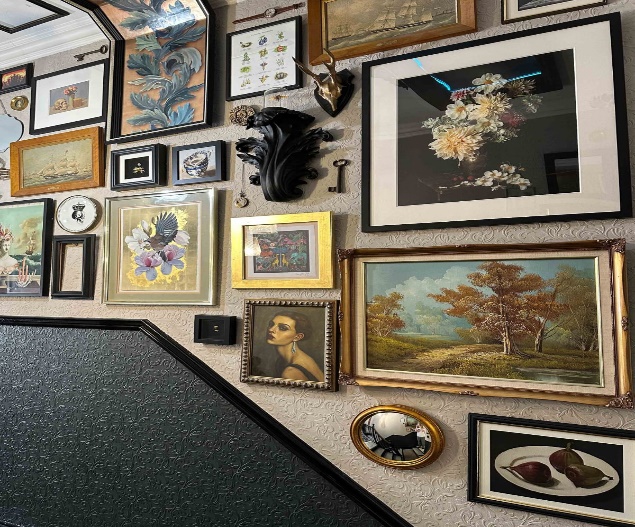 Step 6: Use Art as Anchors
Art is powerful in eclectic interiors. A bold painting or gallery wall can anchor the design and tie diverse elements together.
For guidance, see Wall Art Placement Rules Designers Swear By.
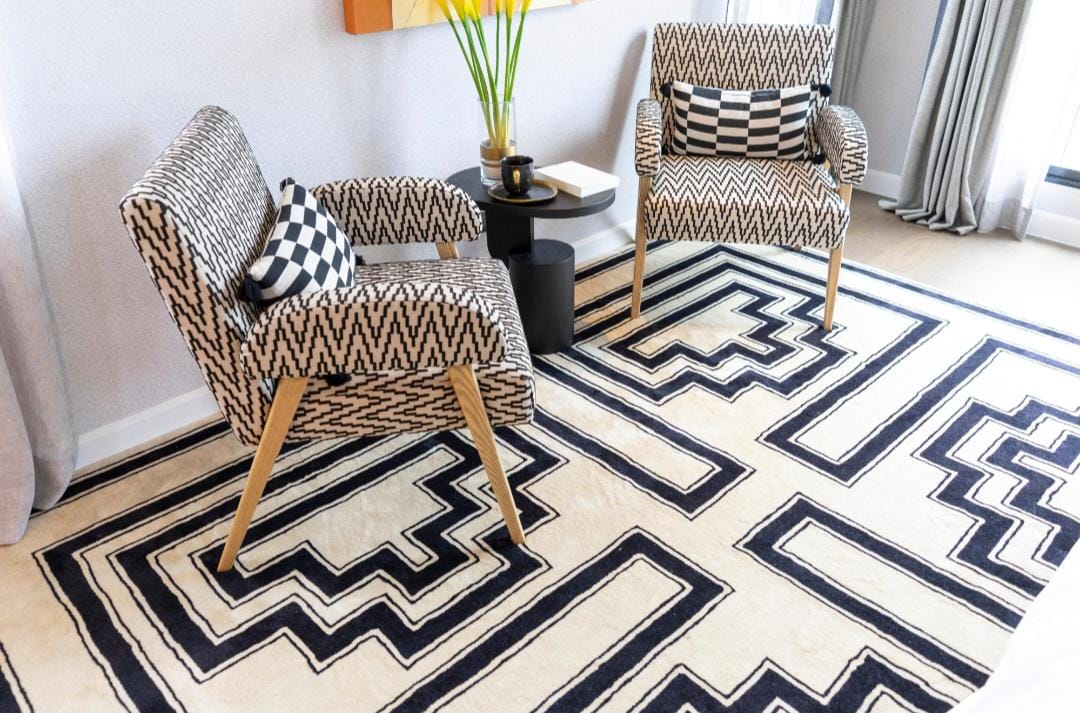
Step 7: Balance with Lighting
Lighting unifies eclectic spaces. Use a mix of floor lamps, pendants, and table lamps to highlight different zones. Statement lighting adds drama and cohesion.
For inspiration, check out DIY Accent Lighting Ideas.
Step 8: Create Focal Points
Even eclectic rooms need clarity. Choose one or two focal points—a bold rug, a statement sofa, or a dramatic artwork—and let other elements support them.
For guidance, see How to Create a Focal Point in Any Room.
Step 9: Add Global Influences
Eclectic design often borrows from different cultures. Moroccan rugs, Indian textiles, African baskets, or Asian ceramics add richness and diversity. These accents make the space feel worldly and unique.
For inspiration, check Seasonal Decorating Ideas for Every Room.
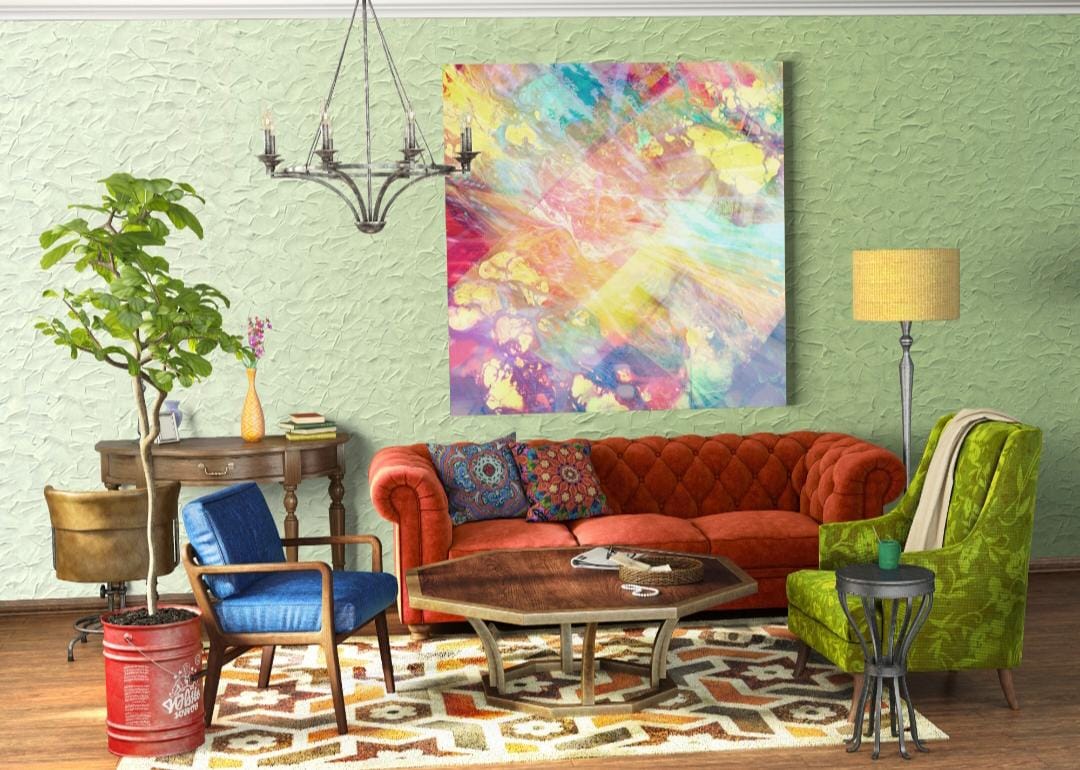
Step 10: Keep It Personal and Evolving
Eclectic interiors should reflect your journey. Add souvenirs from travels, family heirlooms, or handmade crafts. Rotate decor seasonally or as your taste evolves. This keeps the space authentic and dynamic.
For guidance, see Decorating with Plants: Style + Air Quality.
Final Thoughts
Eclectic design is about confidence—mixing styles, colors, and textures with intention. Neutral bases, layered textiles, curated accessories, and global influences create spaces that feel rich and personal. The key is balance: “eclectic” doesn’t mean “random”; it means “curated variety.”
Done right, eclectic interiors tell your story. They celebrate individuality, creativity, and the beauty of mixing influences. It’s a style that feels timeless because it’s rooted in personality, not trends