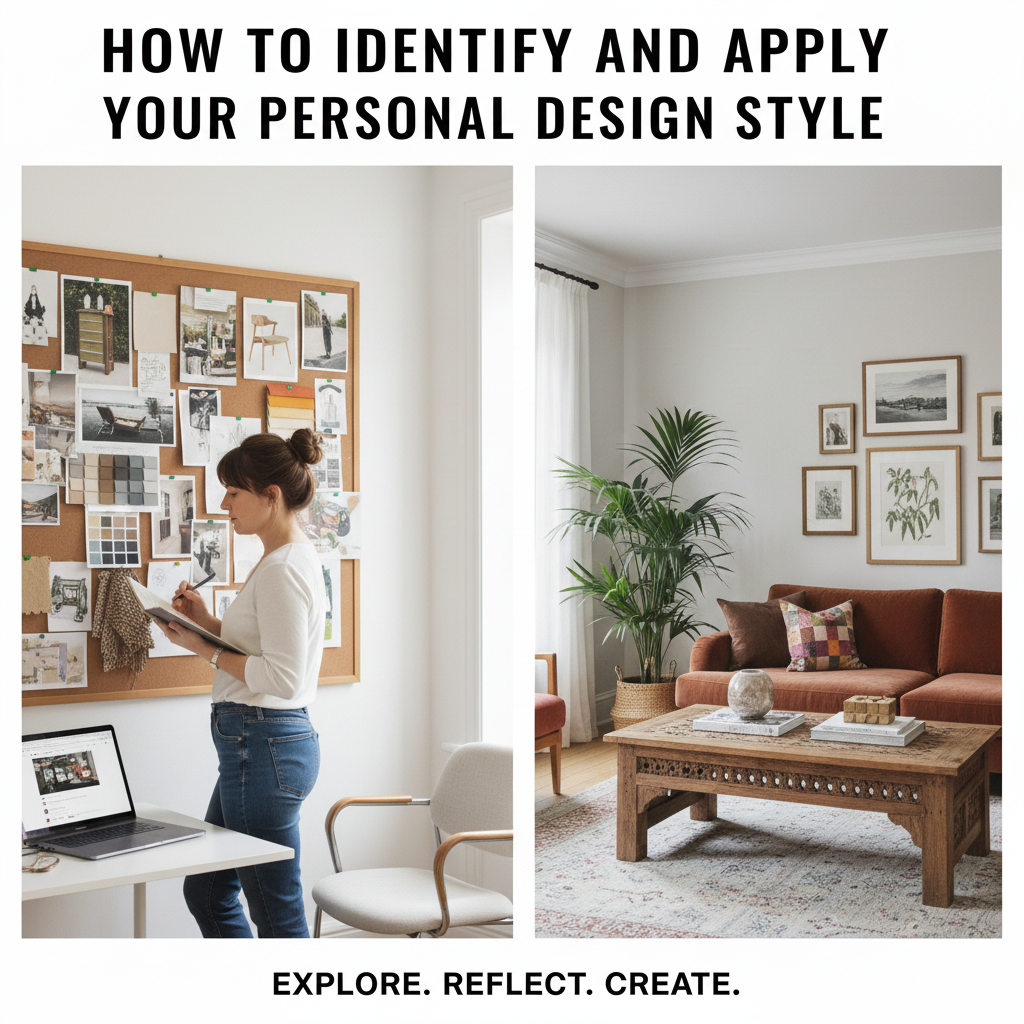
 Design isn’t just about following trends—it’s about expressing who you are. Your personal design style reflects your personality, lifestyle, and values. Identifying it helps you make intentional choices, while applying it ensures your home feels authentic and cohesive. The process isn’t about rigid rules; it’s about discovering what resonates with you and translating it into your space.
 Step 1: Explore Different Styles
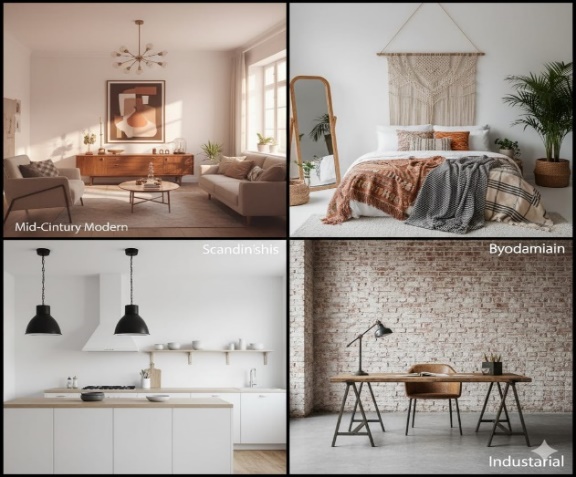
Start by learning about major design styles—modern, contemporary, Scandinavian, industrial, coastal, bohemian, farmhouse, mid‑century, Japandi, and eclectic. Notice which elements you’re drawn to: clean lines, bold colors, natural textures, or layered patterns.
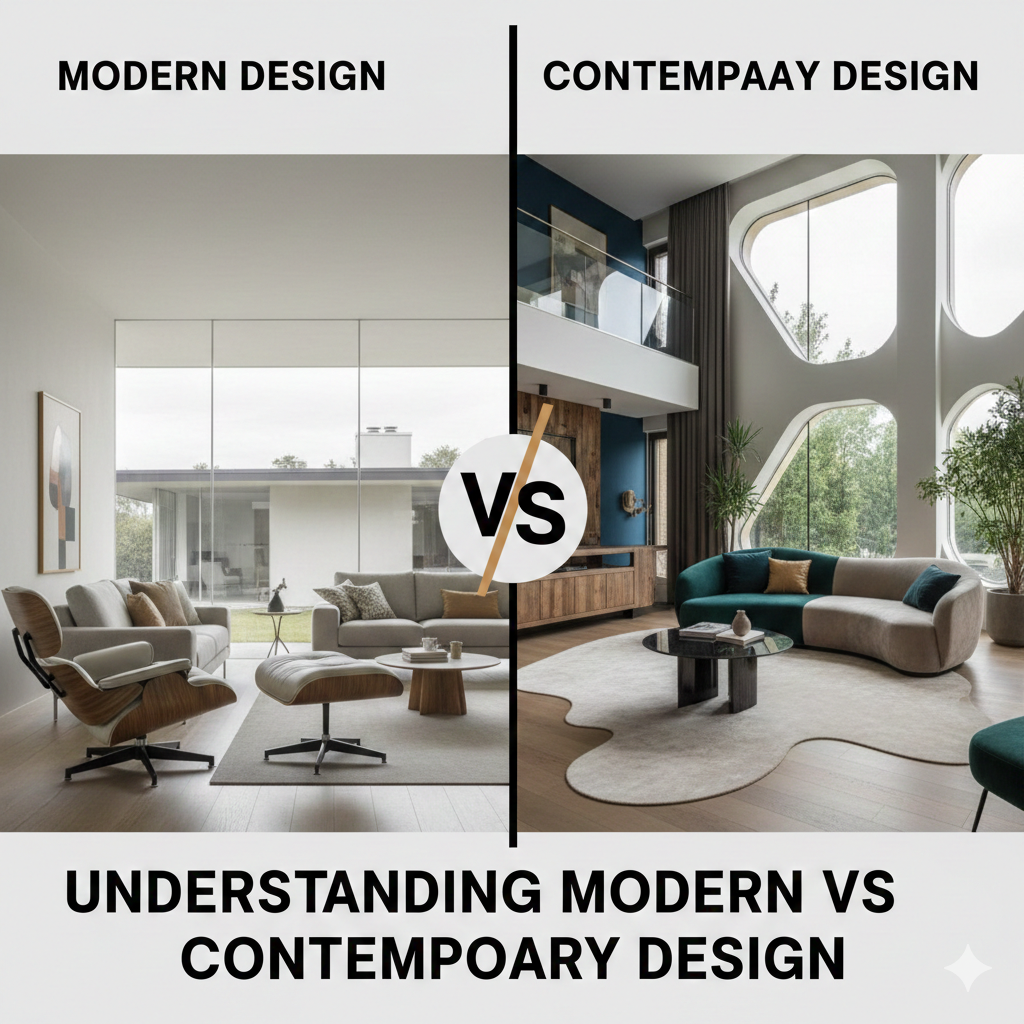
For guidance, see Understanding Modern vs. Contemporary Design.
Step 2: Reflect on Your Lifestyle 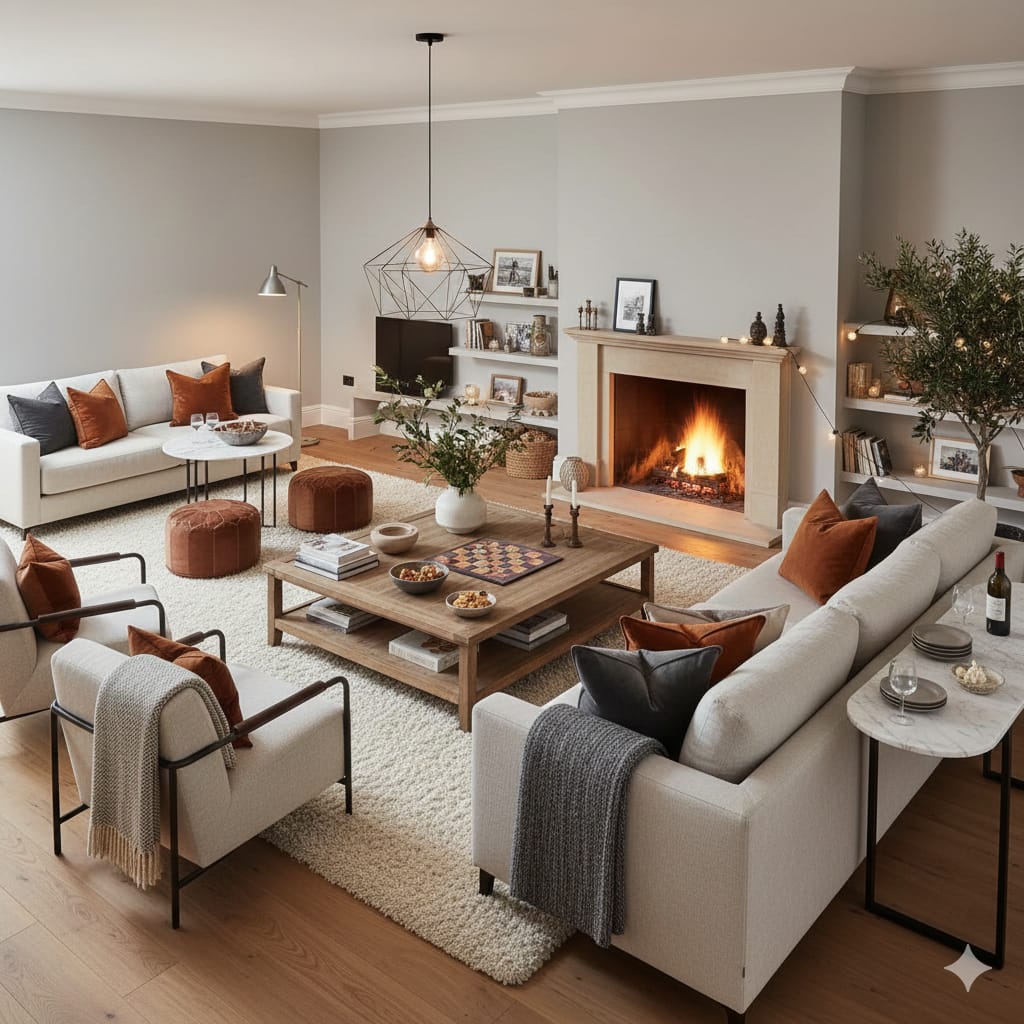 Your design style should support how you live. If you host often, prioritize open layouts and durable furniture. If you value calm, lean toward minimalism. If you love travel, incorporate global accents.
For inspiration, check out How to Zone Open-Plan Spaces Effectively.
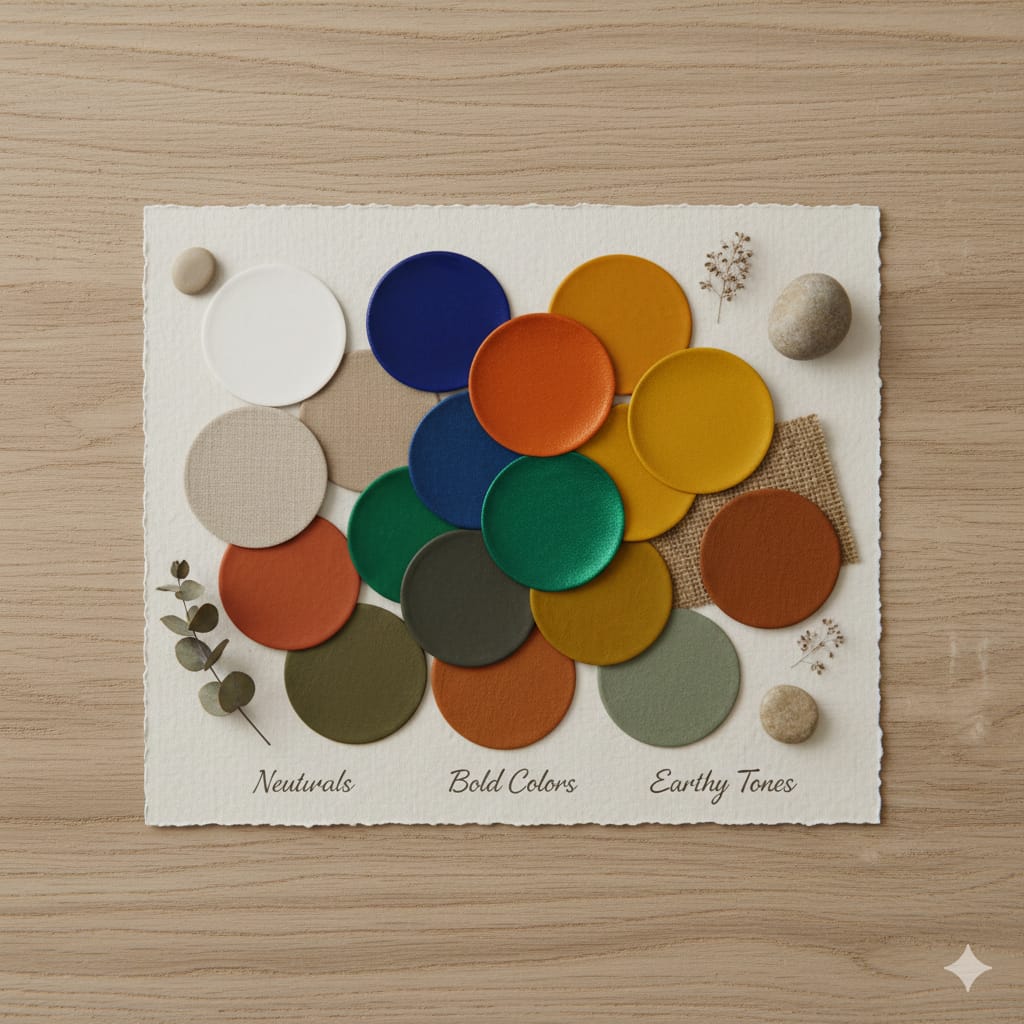
Step 3: Identify Your Color Preferences
Colors set the mood. Do you prefer neutrals for calm, bold hues for energy, or earthy tones for warmth? Your palette is a key part of your personal style.
For guidance, see Choosing Color Palettes That Work.
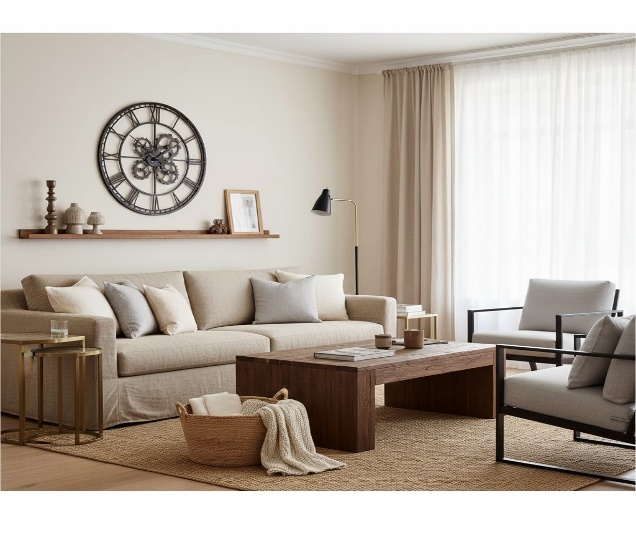
Step 4: Pay Attention to Materials
Materials define atmosphere. Wood and linen feel warm and natural, glass and steel feel sleek and modern, and velvet and brass feel luxurious. Choose materials that resonate with your personality.
For inspiration, check Mixing Textures and Patterns in Your Space.
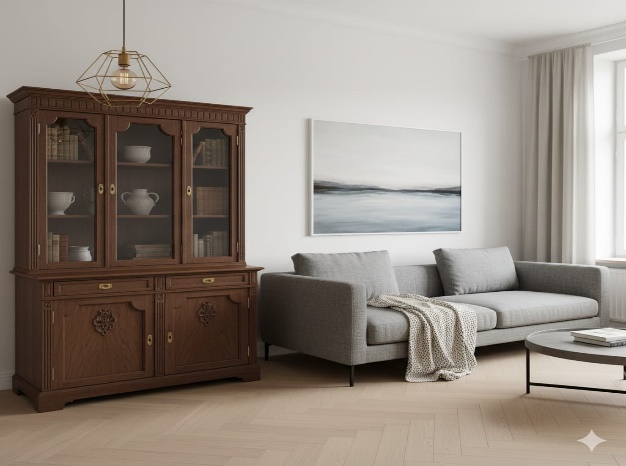 Step 5: Look at Your Existing Pieces
Your current furniture and decor reveal your preferences. Notice what you love most—maybe a vintage cabinet, a sleek sofa, or a handmade rug. These pieces can guide your style direction.
For ideas, see Mixing Old and New: Vintage Meets Modern Decor.
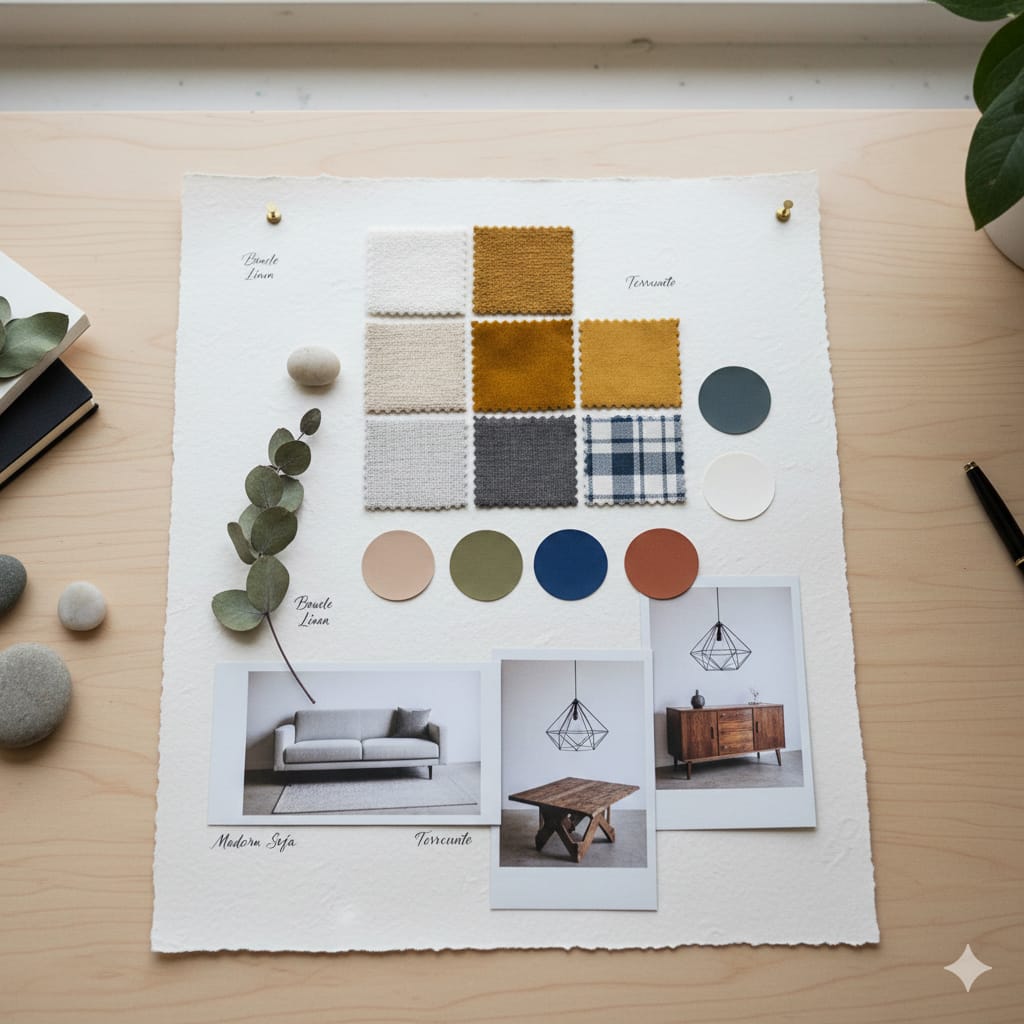
Step 6: Create a Mood Board
Gather images, fabrics, and colors that inspire you. A mood board helps visualize your style and ensures consistency when shopping or decorating.
For guidance, see DIY Decor Projects That Make a Big Impact.
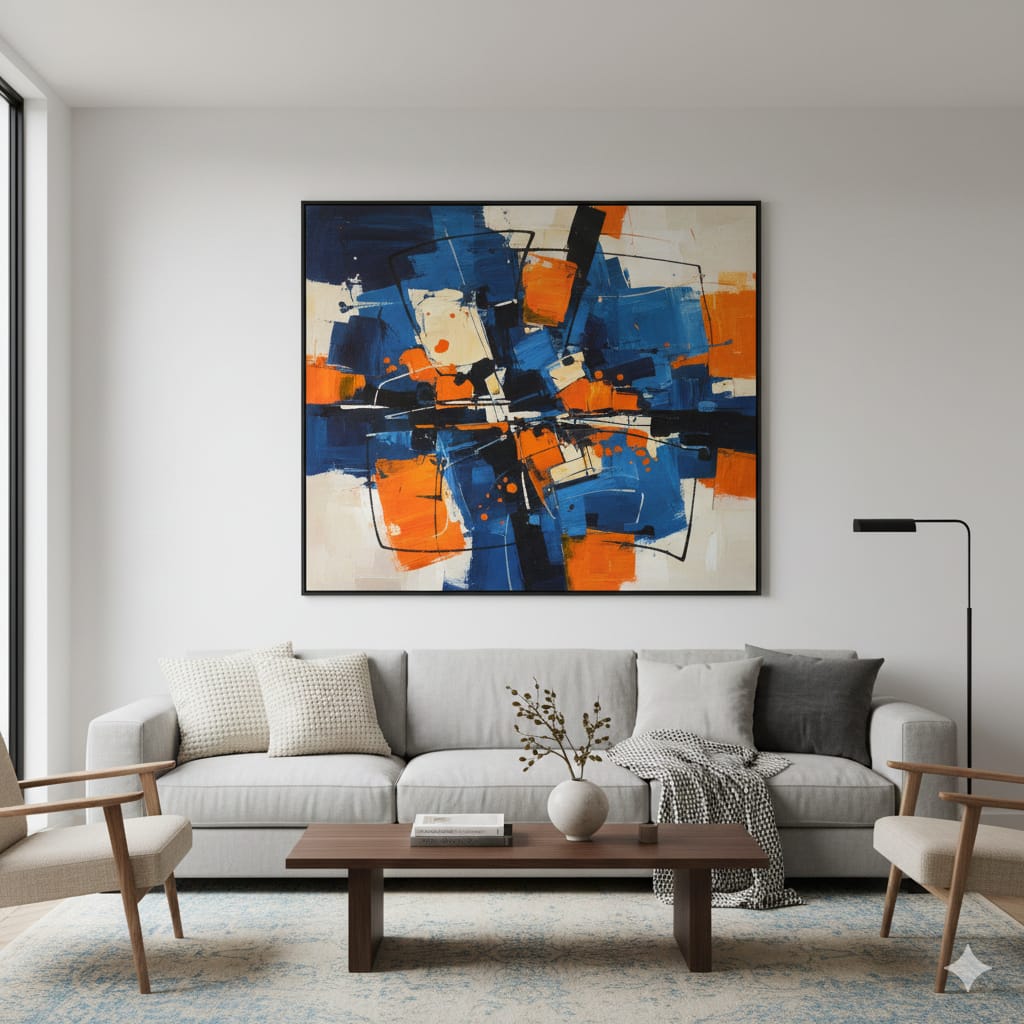 Step 7: Define a Focal Point
Every room needs a focal point—a bold piece of art, a statement rug, or a unique piece of furniture. This anchors your style and sets the tone.
For inspiration, check out How to Create a Focal Point in Any Room.
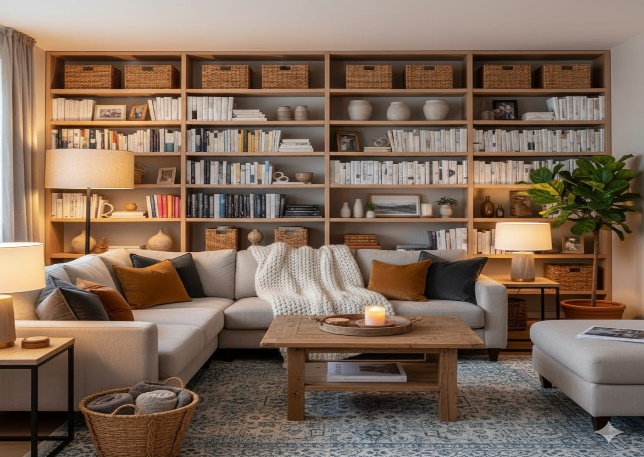 Step 8: Balance Function and Aesthetics
Your style should be beautiful but also practical. Choose furniture that fits your lifestyle and decor that enhances daily living. Balance is key to making your home feel authentic.
For guidance, see Small Room Design Hacks That Actually Work.
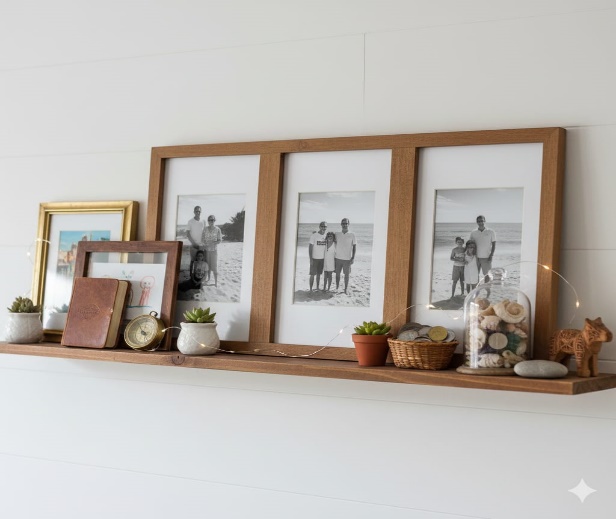
Step 9: Add Personal Touches
Your home should tell your story. Add family photos, travel souvenirs, or handmade crafts. These personal touches make your style unique and meaningful.
For inspiration, check Wall Art Placement Rules Designers Swear By.
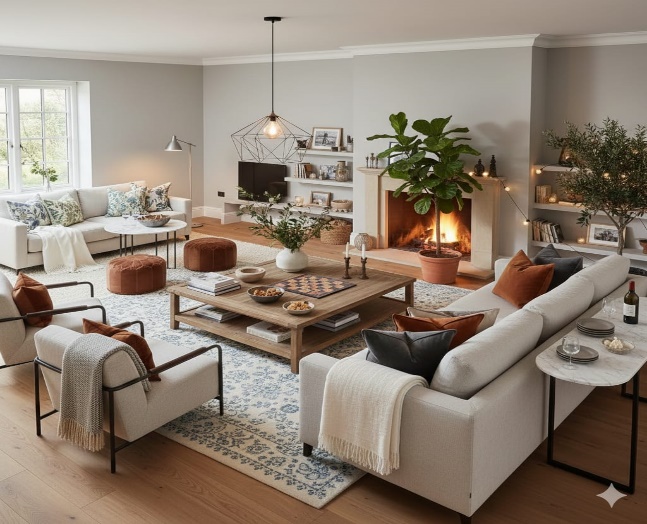 Step 10: Keep It Flexible and Evolving
Your style isn’t fixed. It evolves with your life, tastes, and experiences. Refresh seasonally, experiment with new pieces, and let your home grow with you.
For ideas, see Seasonal Decorating Ideas for Every Room.
Final Thoughts
Identifying and applying your personal design style is about self‑expression. By exploring styles, reflecting on lifestyle, choosing colors and materials, and adding personal touches, you create a home that feels authentic and cohesive. The beauty of personal style is that it evolves—it’s a reflection of who you are today and who you’re becoming.
Done right, your home becomes more than a space. It becomes a story—your story—told through colors, textures, and objects that make you feel at ease and inspired.